







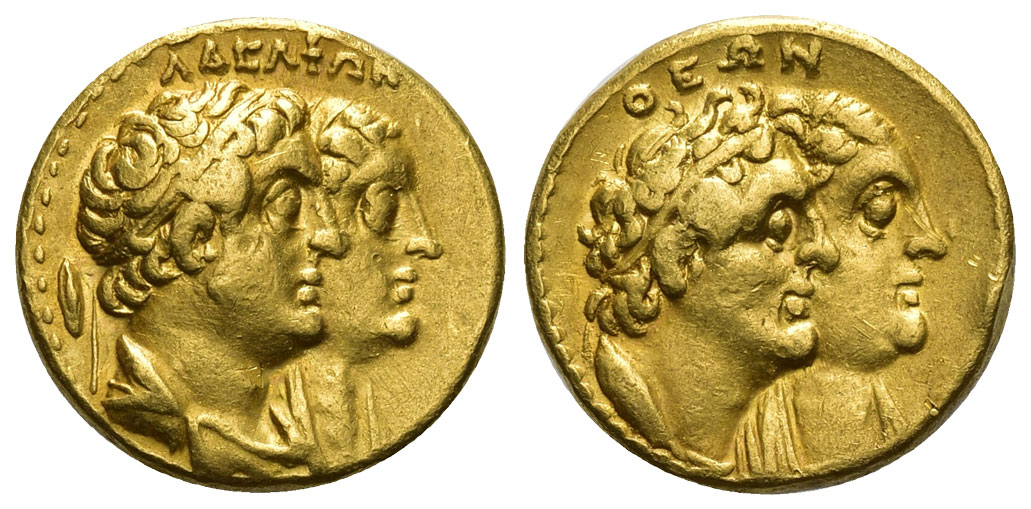
AV Tetradrachm (282–272 BC),
King Ptolemy II and Queen Arsinoe II.
From the major collection of Alexandria mint.
Condition: vf+
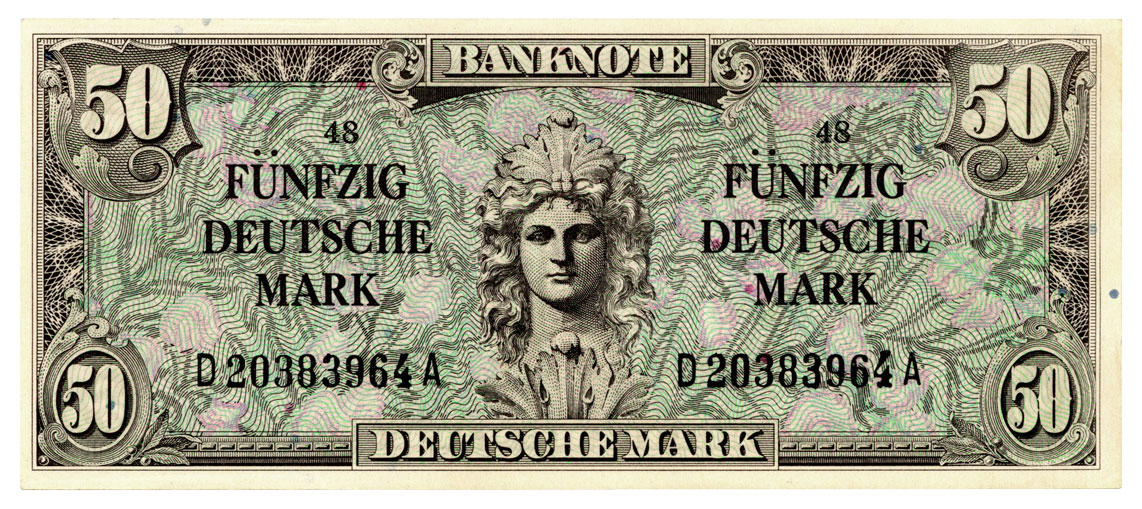
50 Deutsche Mark o.D. ( 1948-1949) "Liberty".
Condition: extremly rare, I
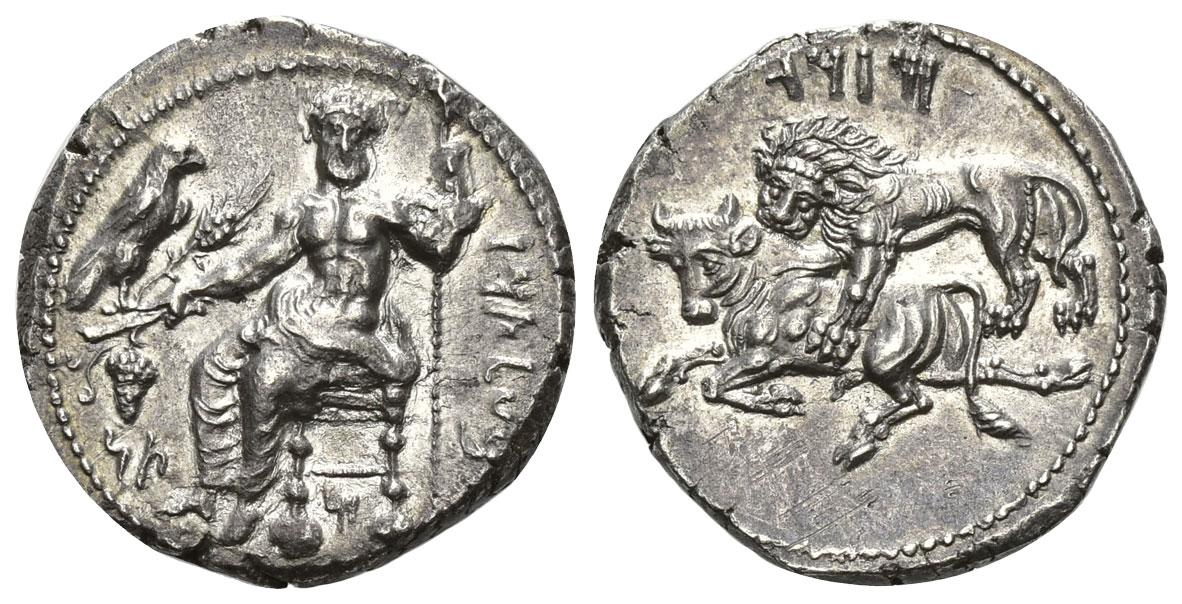
AR Stater (361-334 BC).
Obv. Baal of Tarsos.
Conditon: ef
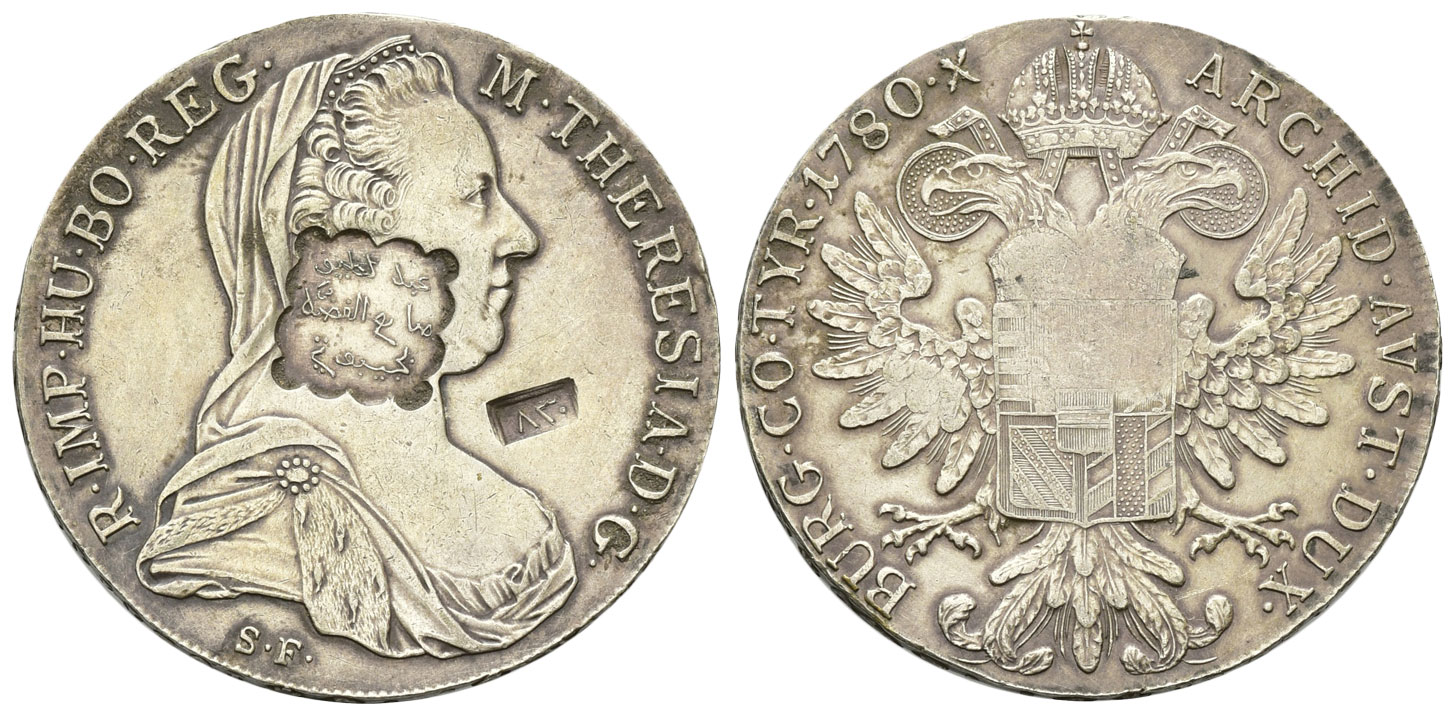
Taler 1780 SF
with counter stamp Djibouti (1870-1900).
Condition: vf
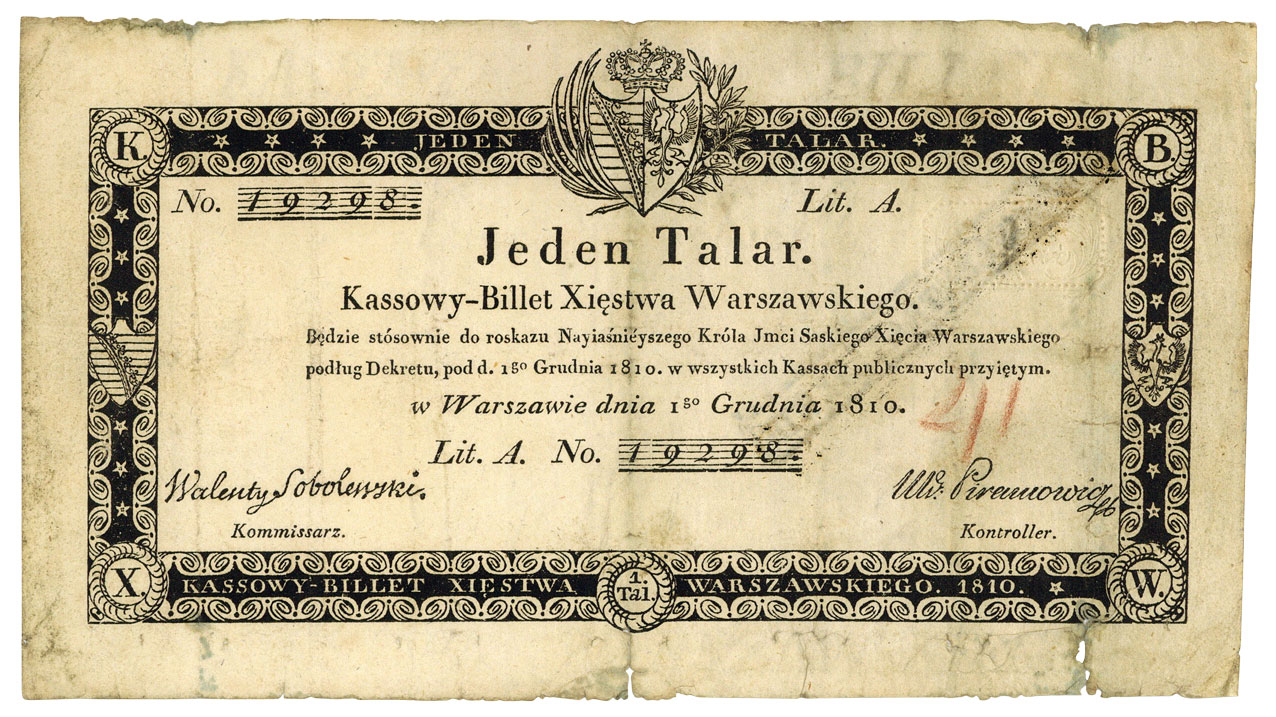
1 Talar 1. December 1810.
Condition: III-IV
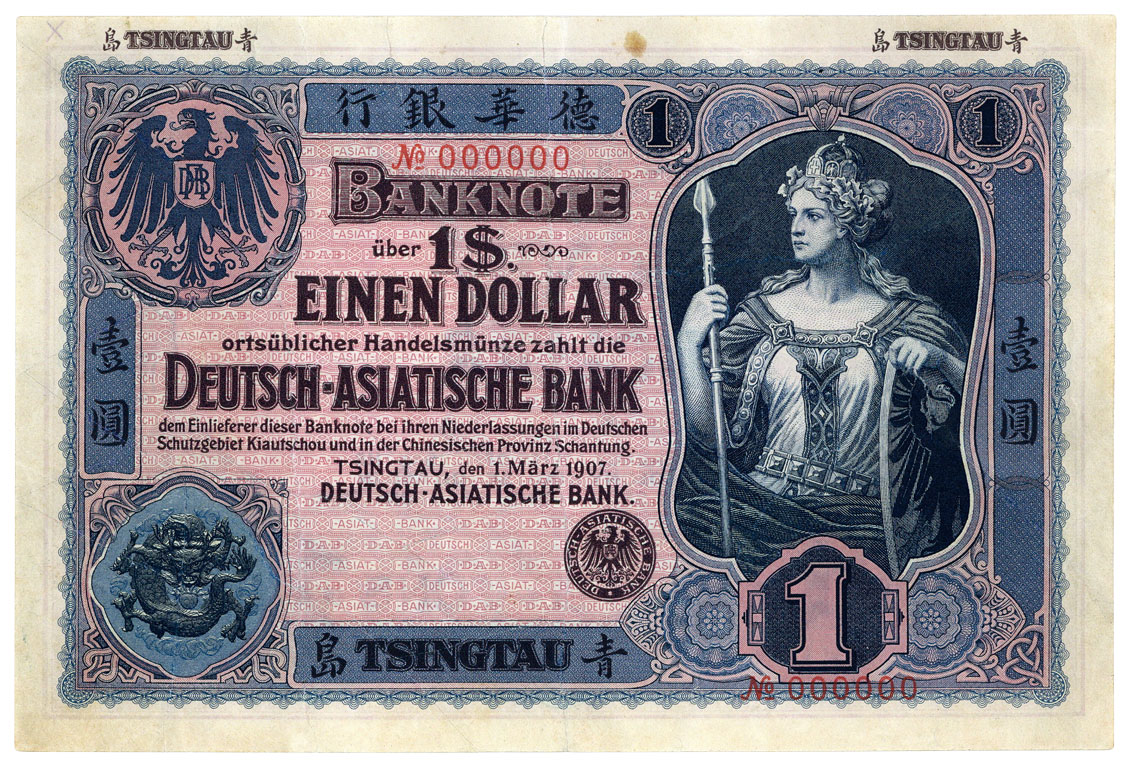
1 Dollar 1.3.1907, Tsingtao.
Condition: very rare, restored
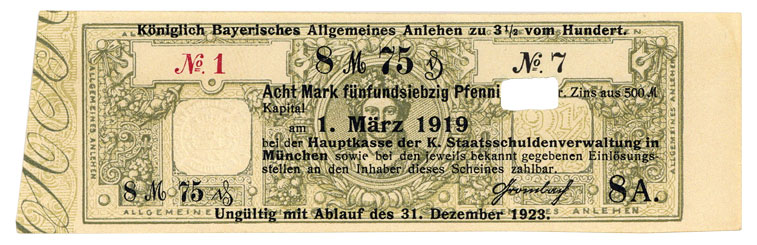
Royal Bavarian General Loan.
8.75 Marks, March 1, 1919.
Condition: rare, I

These Are Japan’s New Banknotes
As announced in 2019, Japan will have new banknotes of 1,000, 5,000, and 10,000 yen denominations. They are planned to enter circulation in 2024. In April 2023, the Bank of Japan presented the first specimens of the new banknotes and revealed the various new motifs.
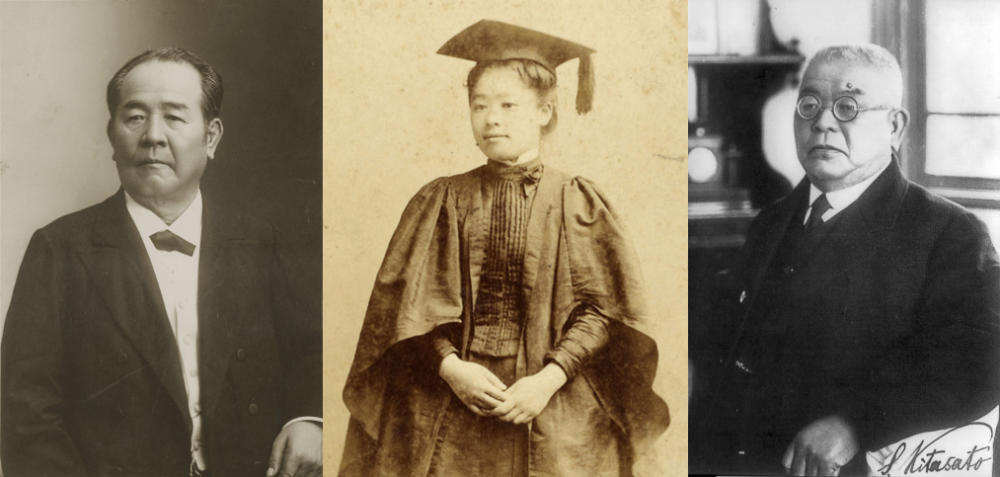
Those are the people honored by being portrayed on the new Japanese banknotes.
The ¥1000 bill will feature physician and bacteriologist Kitasato Shibasaburō (1853–1931). On the the ¥5000 bill, Tsuda Umeko, educator and founder of Tsuda University, will appear. She is the fourth female to appear on a Japanese banknote, after Empress Jingū, Murasaki Shikibu and Higuchi Ichiyō. The ¥10,000 banknote will honour the industrialist Shibusawa Eiichi (1840-1931).
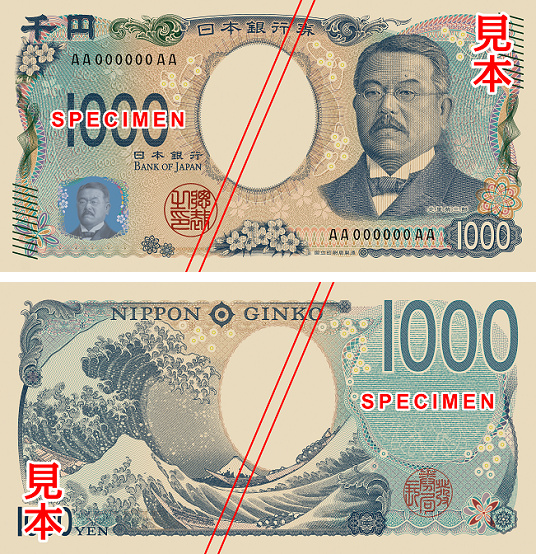
Specimen of the ¥1,000 bill. Source: 独立行政法人 国立印刷局 via Wikimedia Commons / CC BY 4.0
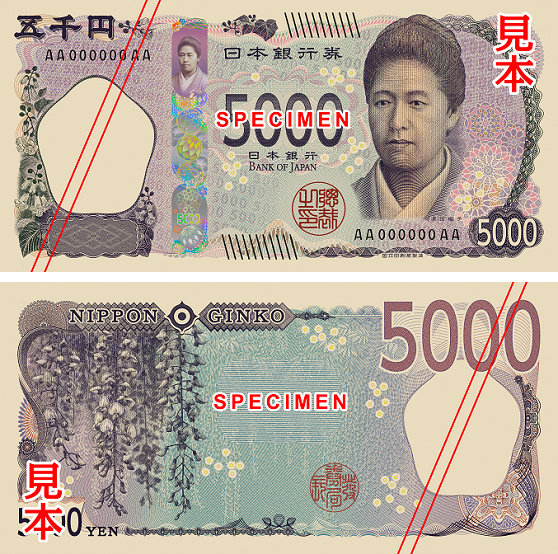
Specimen of the ¥5,000 bill. Source: 独立行政法人 国立印刷局 via Wikimedia Commons / CC BY 4.0
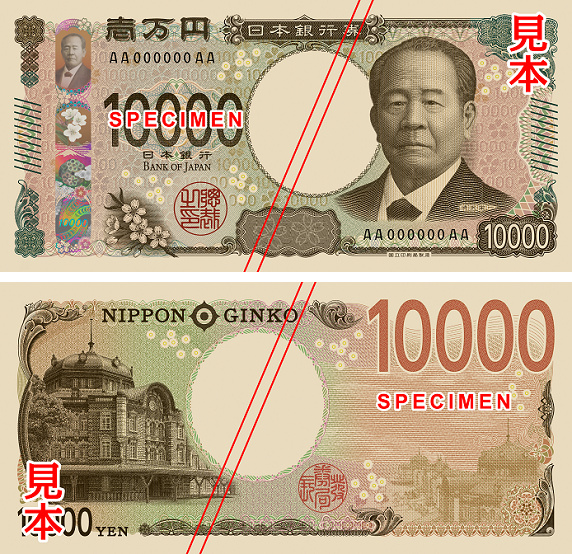
Specimen of the ¥10,000 bill. Source: 独立行政法人 国立印刷局 via Wikimedia Commons / CC BY 4.0
The reverse sides will show Tokyo Station (¥10,000) and wisteria flowers (¥5000). Outside of Japan, probably best known will be the reverse image of the 1,000 yen note featuring arguably one of the most famous Japanese work of art: “The Great Wave off Kanagawa” by Hokusai.
The Bank of Japan has placed special emphasis on the implementation of the latest anti-counterfeiting technologies. These technologies include high-definition watermarks, 3-D portrait holograms, microprinting, luminescent ink, and tactile marks. To make the denominations more easily recognizable for foreigners, the Arabic numbers on the new banknotes will be much bigger compared to the old bills.
