







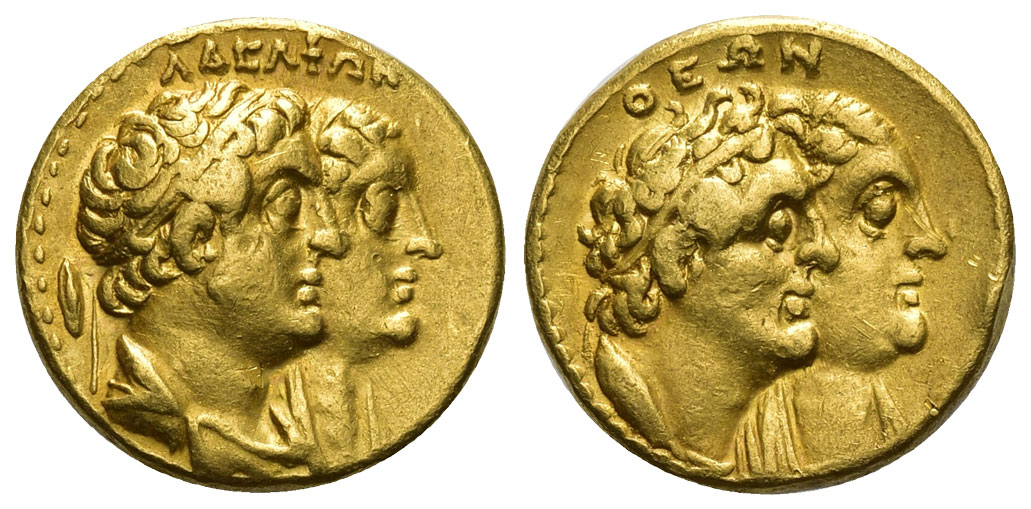
AV Tetradrachm (282–272 BC),
King Ptolemy II and Queen Arsinoe II.
From the major collection of Alexandria mint.
Condition: vf+
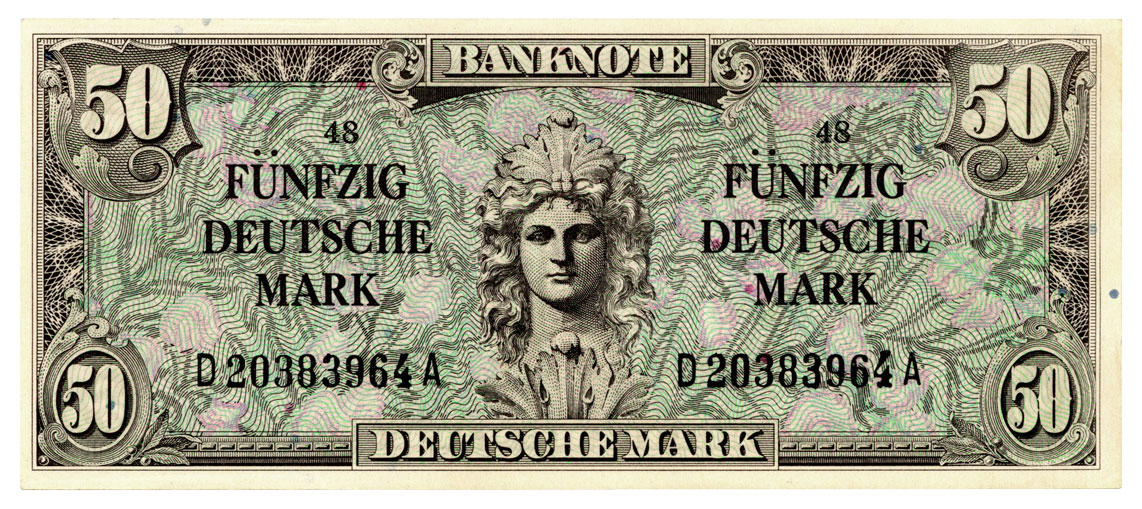
50 Deutsche Mark o.D. ( 1948-1949) "Liberty".
Condition: extremly rare, I
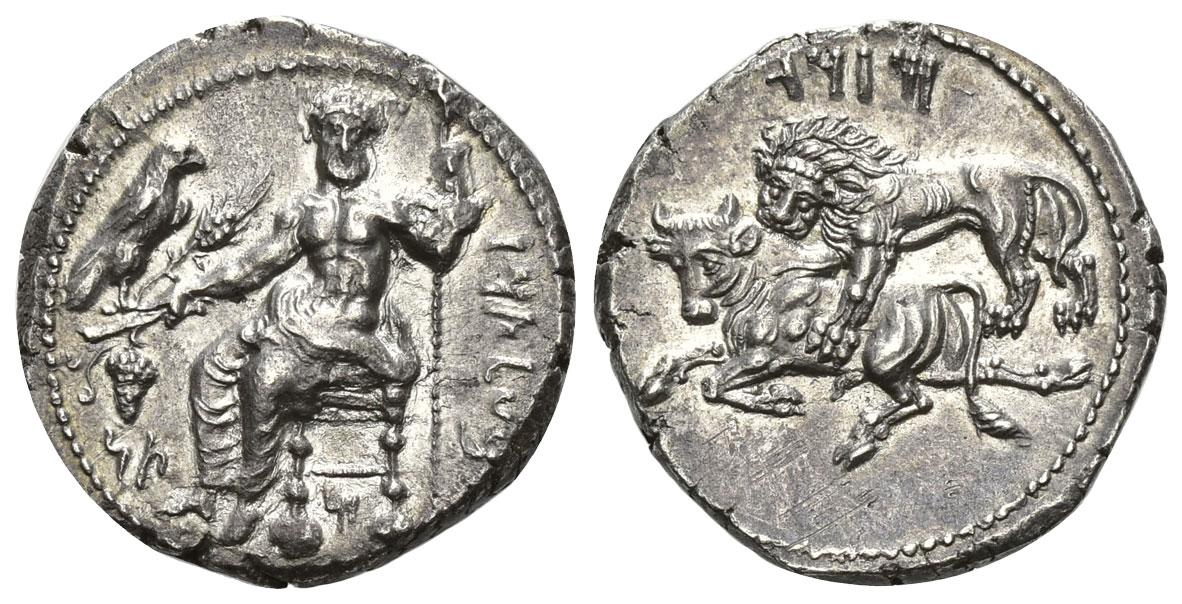
AR Stater (361-334 BC).
Obv. Baal of Tarsos.
Conditon: ef
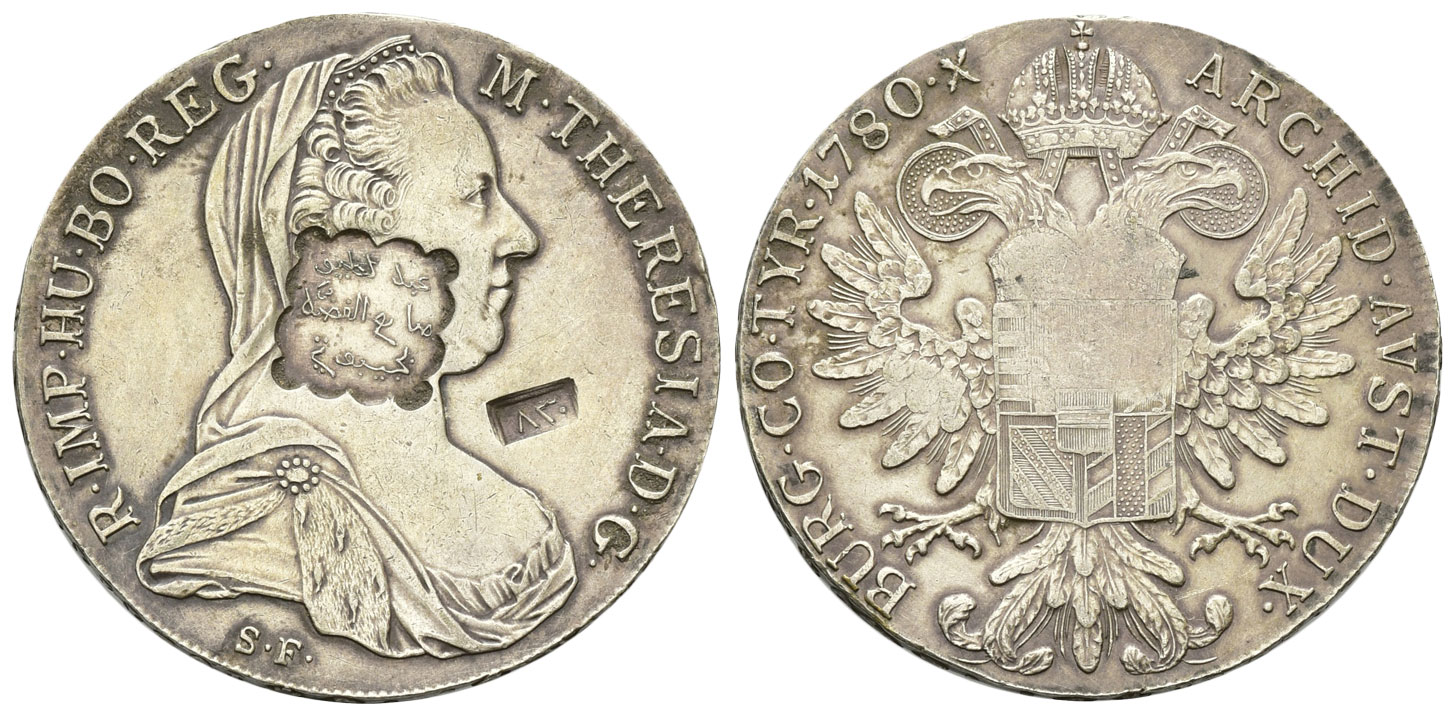
Taler 1780 SF
with counter stamp Djibouti (1870-1900).
Condition: vf
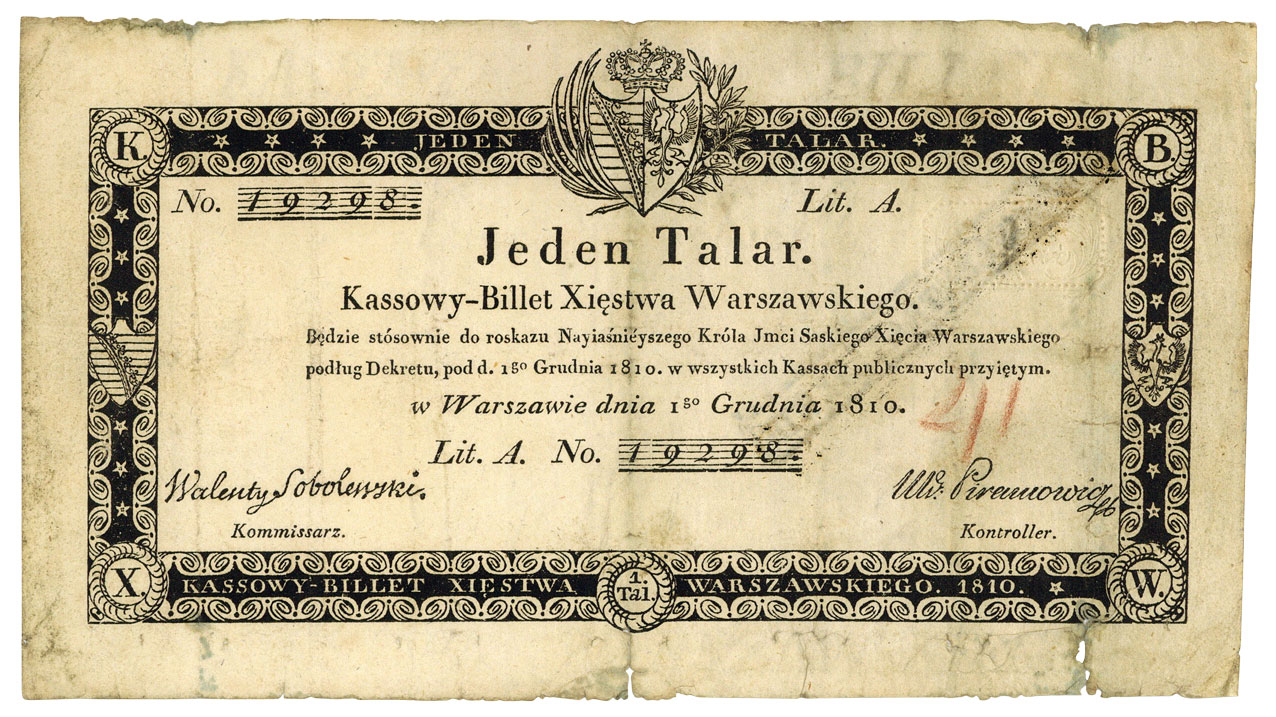
1 Talar 1. December 1810.
Condition: III-IV
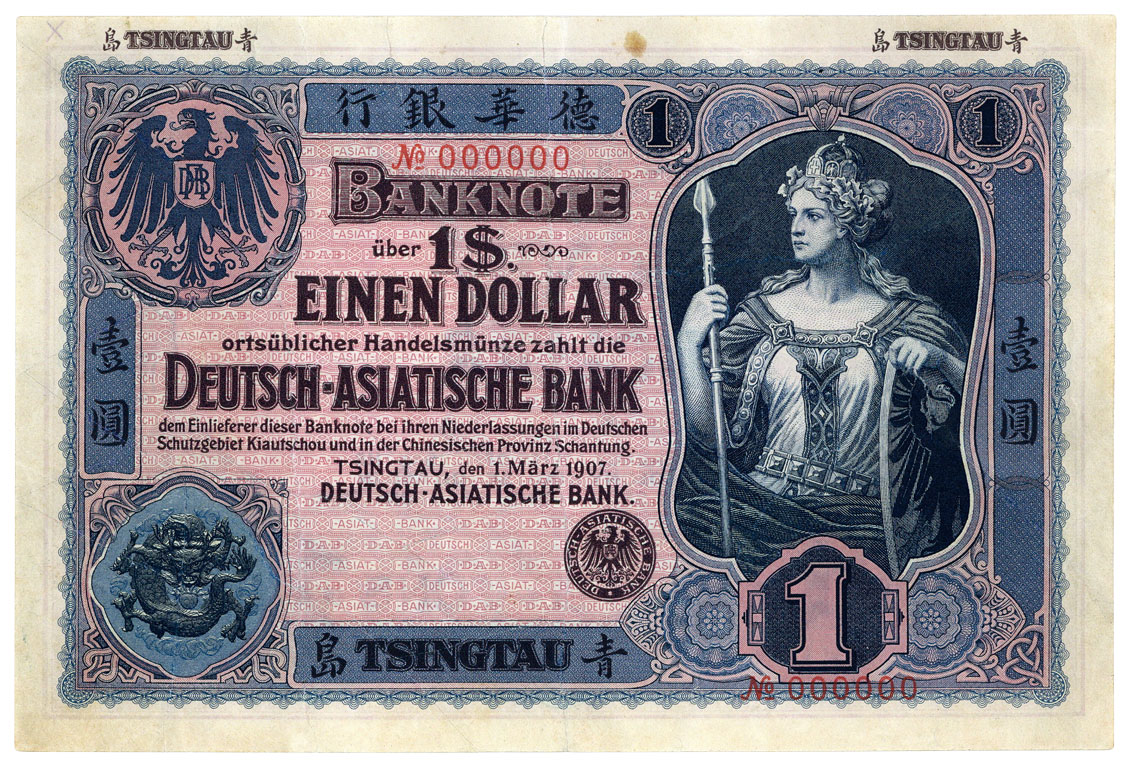
1 Dollar 1.3.1907, Tsingtao.
Condition: very rare, restored
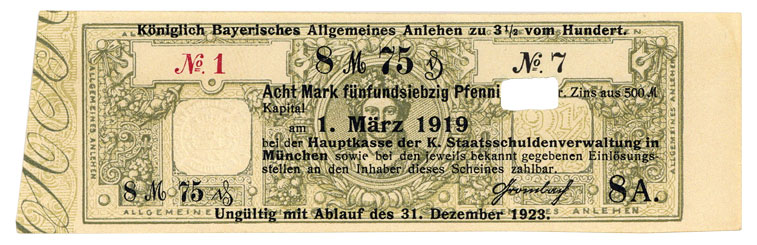
Royal Bavarian General Loan.
8.75 Marks, March 1, 1919.
Condition: rare, I
Pobjoy’s Glacier Series: Saturn
Pobjoy Mint announced the fourth release in their brand new 2023 two-pound coin series, issued on behalf of the British Antarctic Territory. The six-coin series will feature the Antarctic glaciers named after planets of the solar system, the fourth coin in this collection features the Saturn Glacier.
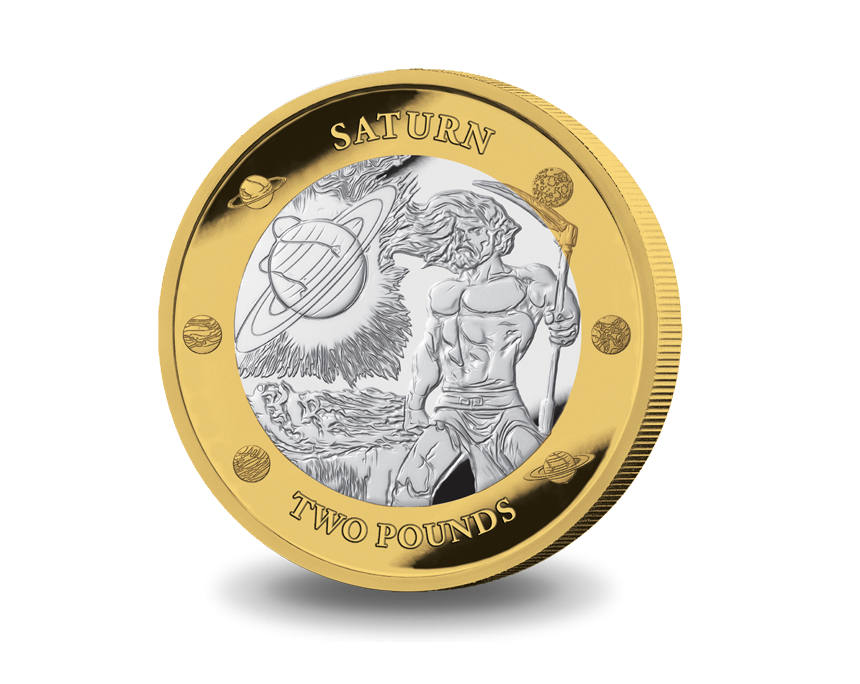
In 2023, Pobjoy Mint has started a six-coin series dedicated to the Antarctic glaciers. The fourth issue features the Saturn Glacier.
The Saturn Glacier is located in the south-eastern corner of Alexander Island in the British Antarctic Territory. It is six nautical miles long and two nautical miles wide, flowing south into the George VI Ice Shelf.
Although the Saturn Glacier is not situated within the Planet Heights, it is named in association with the heights, along with many other nearby glaciers named after planets of the Solar System. The coast in this vicinity was first seen from the air by Lincoln Ellsworth on 23 November 1935, and roughly mapped from photos obtained on that flight by W.L.G. Joerg. It was first surveyed in 1949 by the Falkland Islands Dependencies Survey and named by the UK Antarctic Place-Names Committee for the planet Saturn, the fourth planet of the Solar System.
The Roman God Saturn has a long history and is often referred to as being the original counterpart of Cronus in Greece. Saturn was a complex god with differing sides, as the god of agriculture and the seasons, was also concerned with the past and the future. Saturn had two aspects, represented by his two wives. His one wife, Ops, was a goddess of wealth and abundance whereas his other wife, Lua, was a goddess of war and destruction.
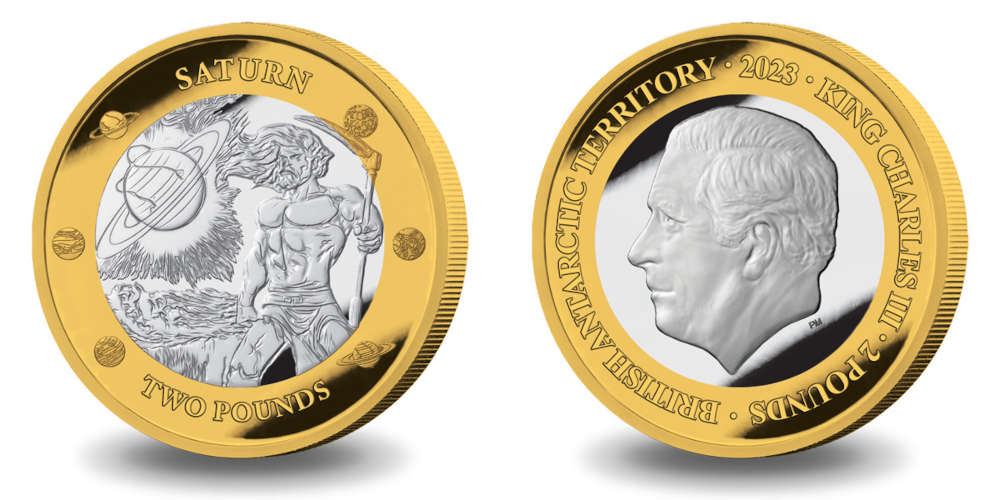
British Antarctic Territory / 2 Pounds / Base-Metal or Sterling Silver / 28.40 mm / 12.00 g / Mintage: 1,950 (Base-Metal), 175 (Sterling Silver).
The design on this stunning new release features an image of the God Saturn holding a scythe with the planet Saturn in the background. The six planets after which the glaciers are named are also shown in the surround.
There are a total of six glaciers named after planets in Antarctica and the following will be featured in this series; Mars, Mercury, Neptune, Saturn, Uranus and Venus. Approved by Buckingham Palace this coin carries an effigy of His Majesty King Charles III produced exclusively by Pobjoy Mint.
