







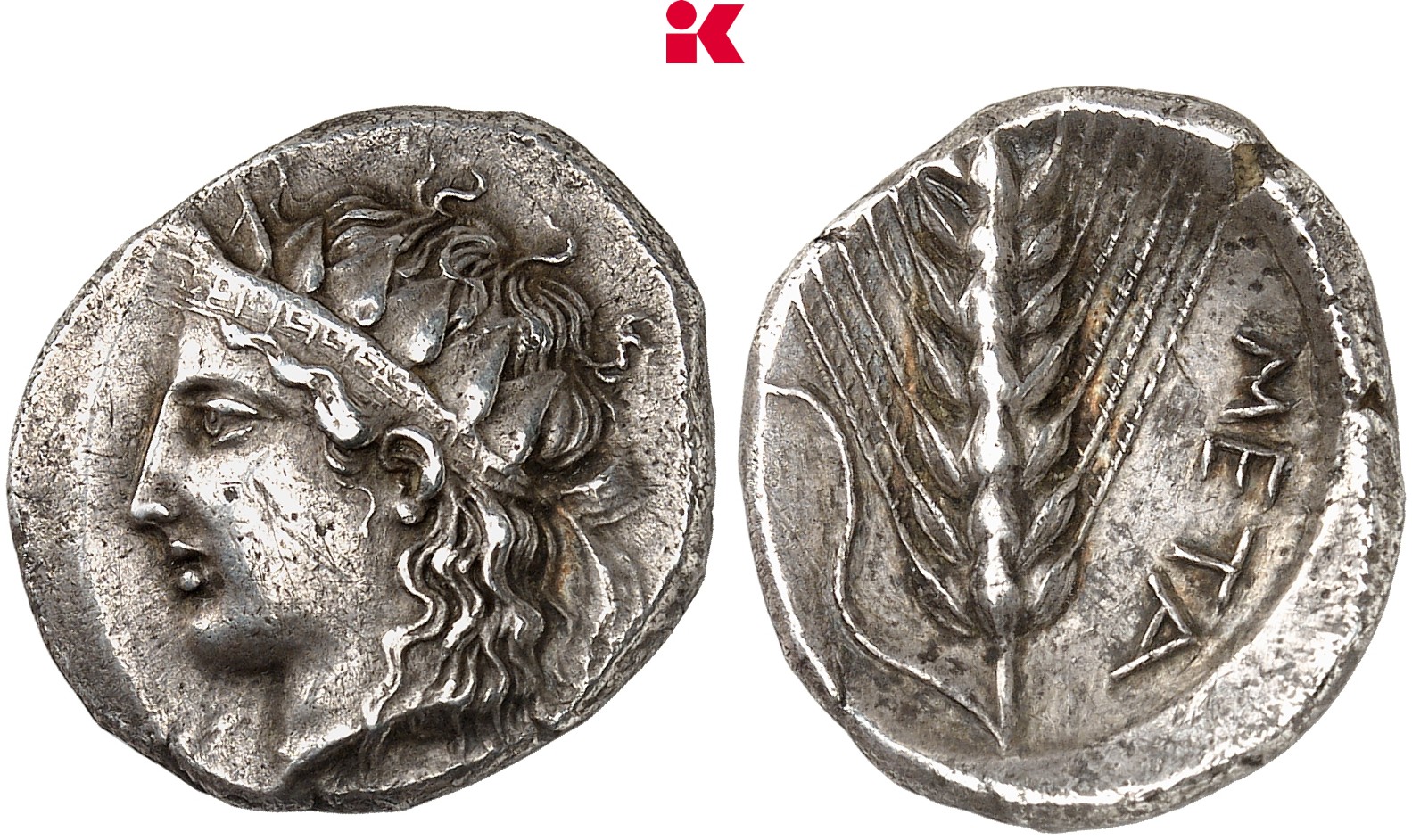
Didrachm, 400/340 BC. Attractive piece.
Very rare, particularly in this condition.
Dionysus head of the finest style.
Ex Hirsch VIII, München 1903, no. 792.
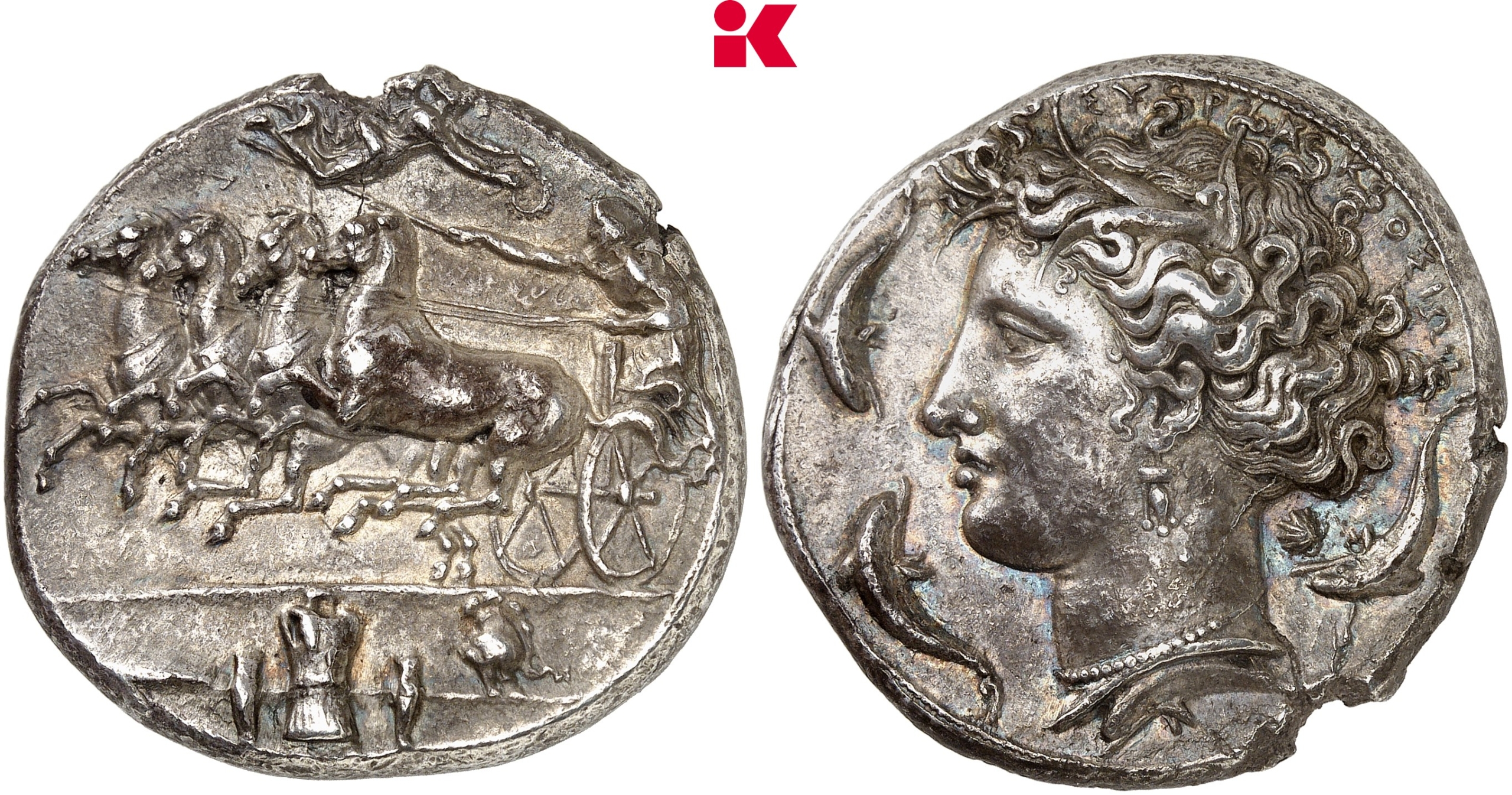
Decadrachm around 400/390 BC, unsigned.
Splendid patina, extremely fine.
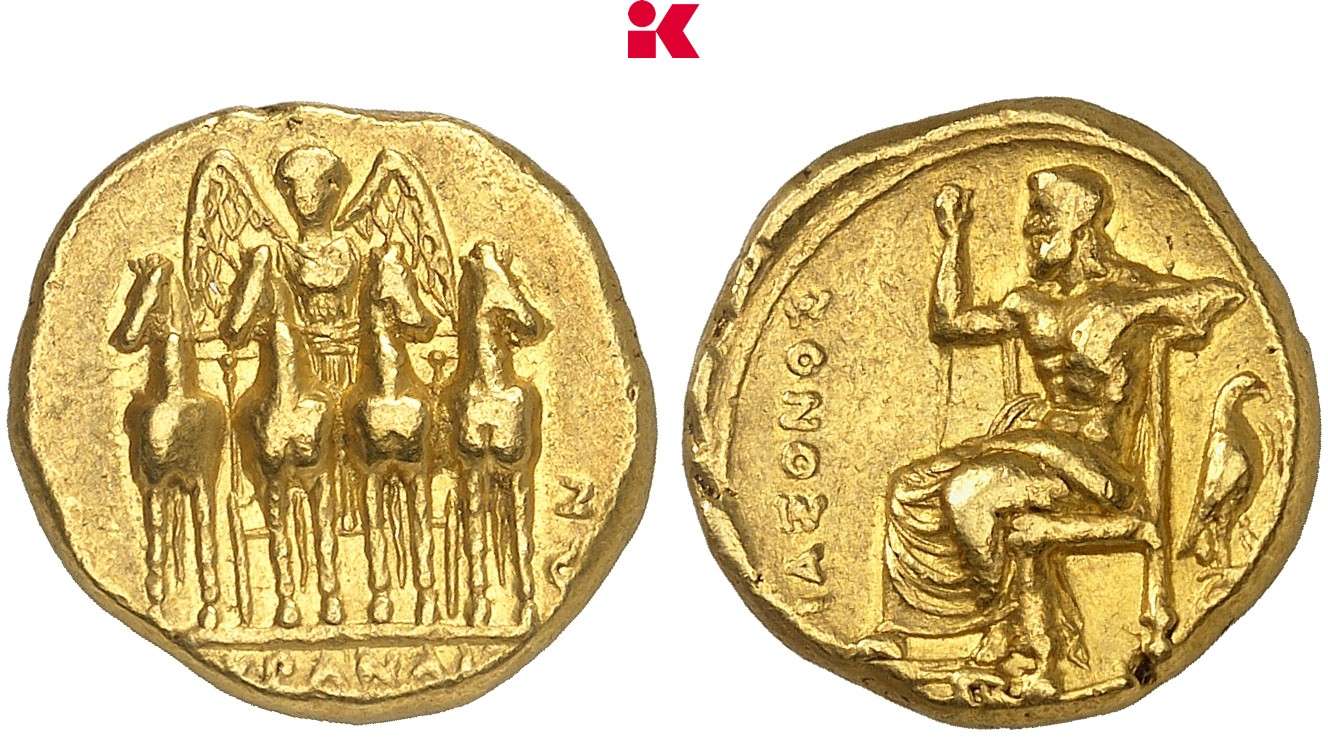
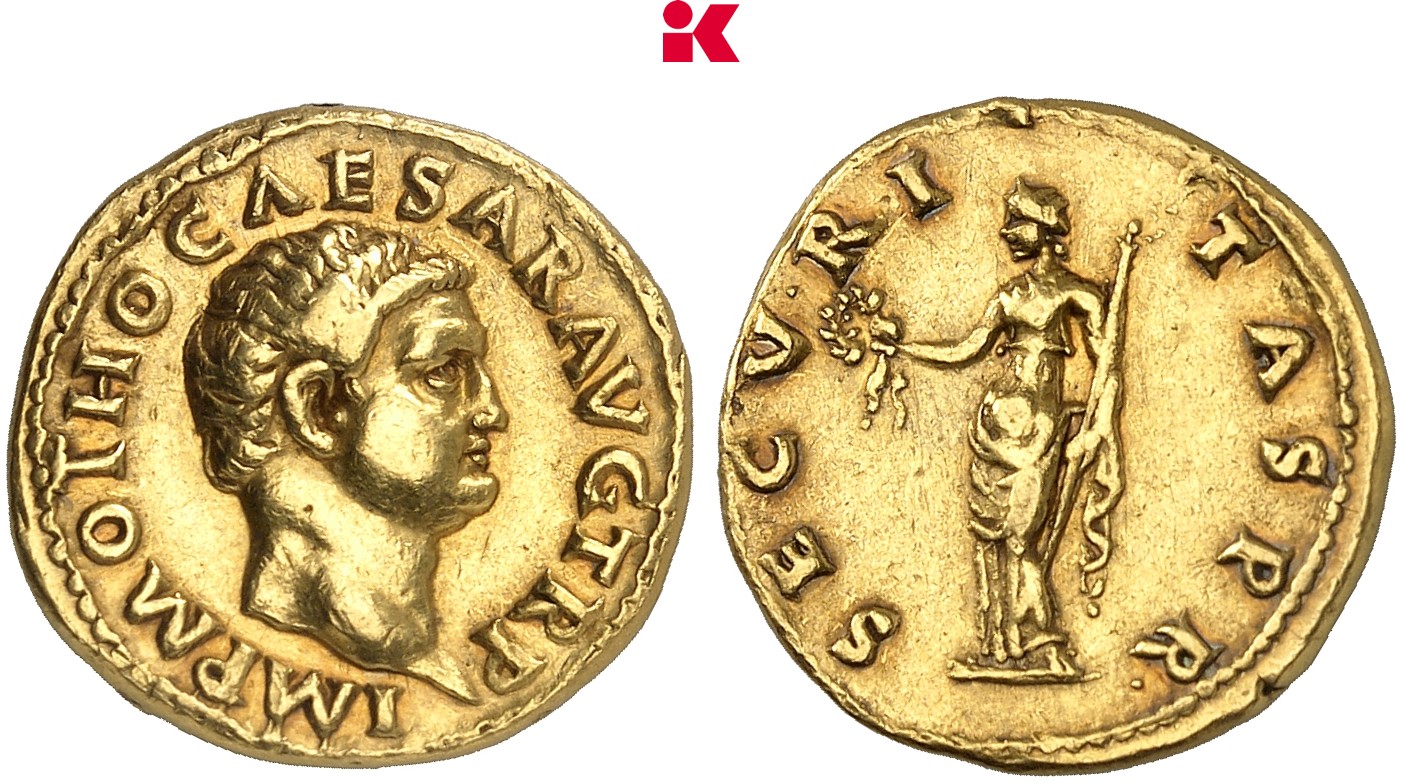
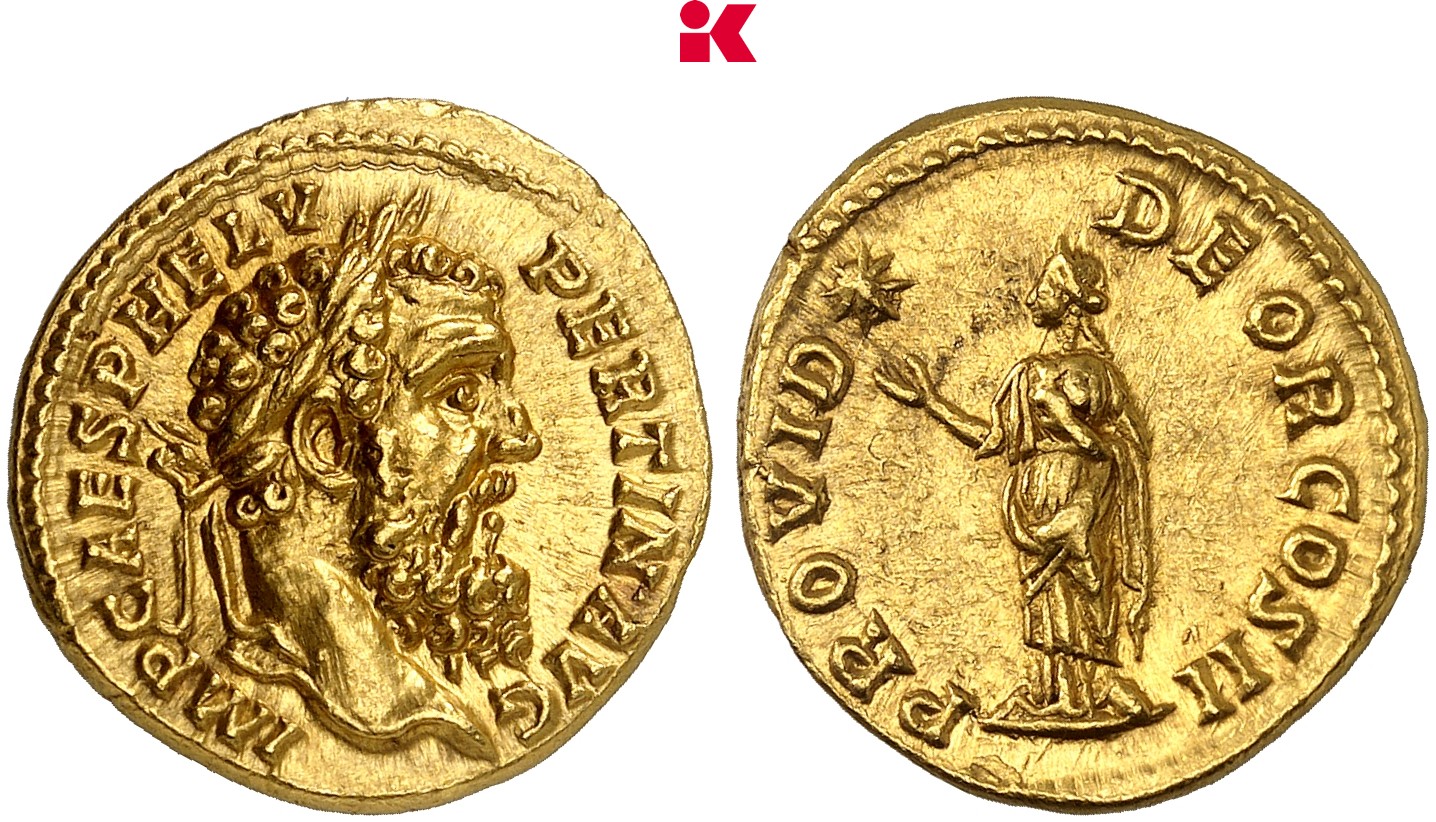
Aureus, Rome.
Very rare.
Attractive piece.
Ex Huntington (Inventar-no. ANS 1001.1.30032).
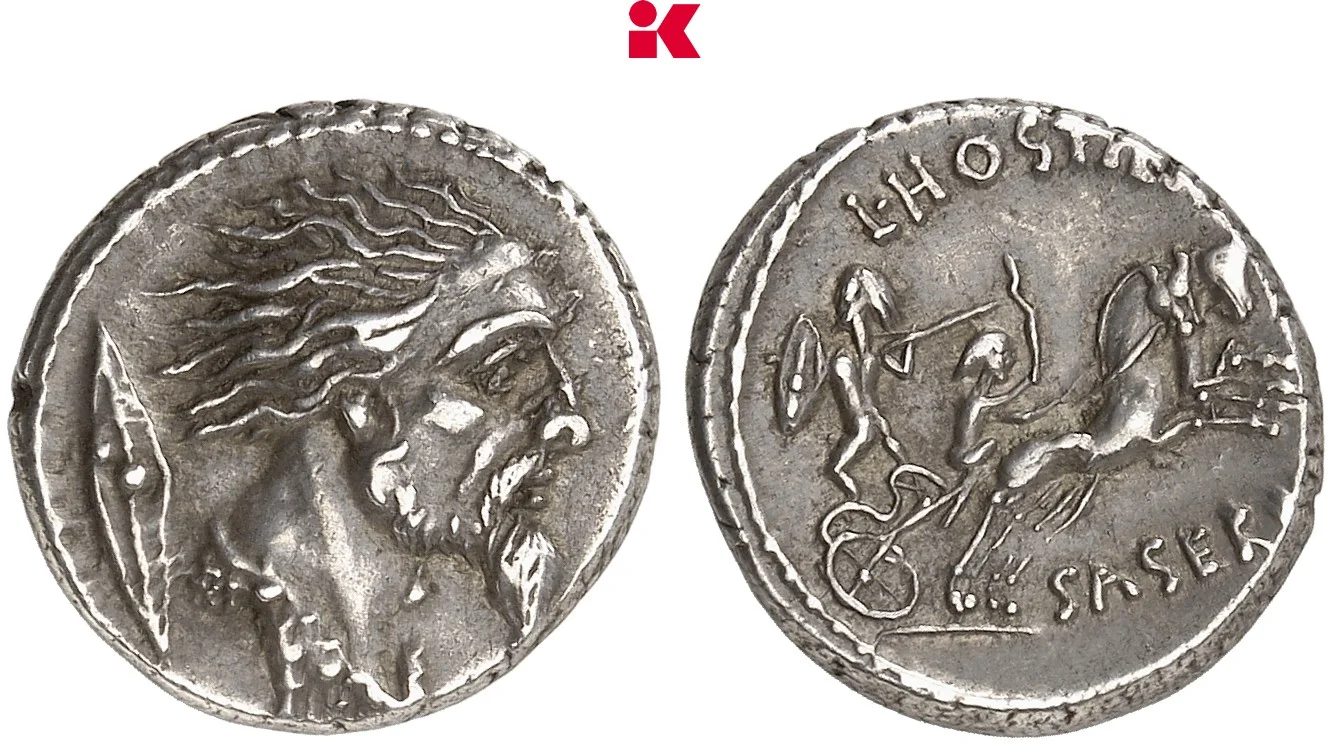
Denarius, 48 B.C., Rome.
L. Hostilius Saserna.
Very rare.
Attractive toning, extremely fine.
Ex Sternberg VI, Zürich 1976, no. 758.
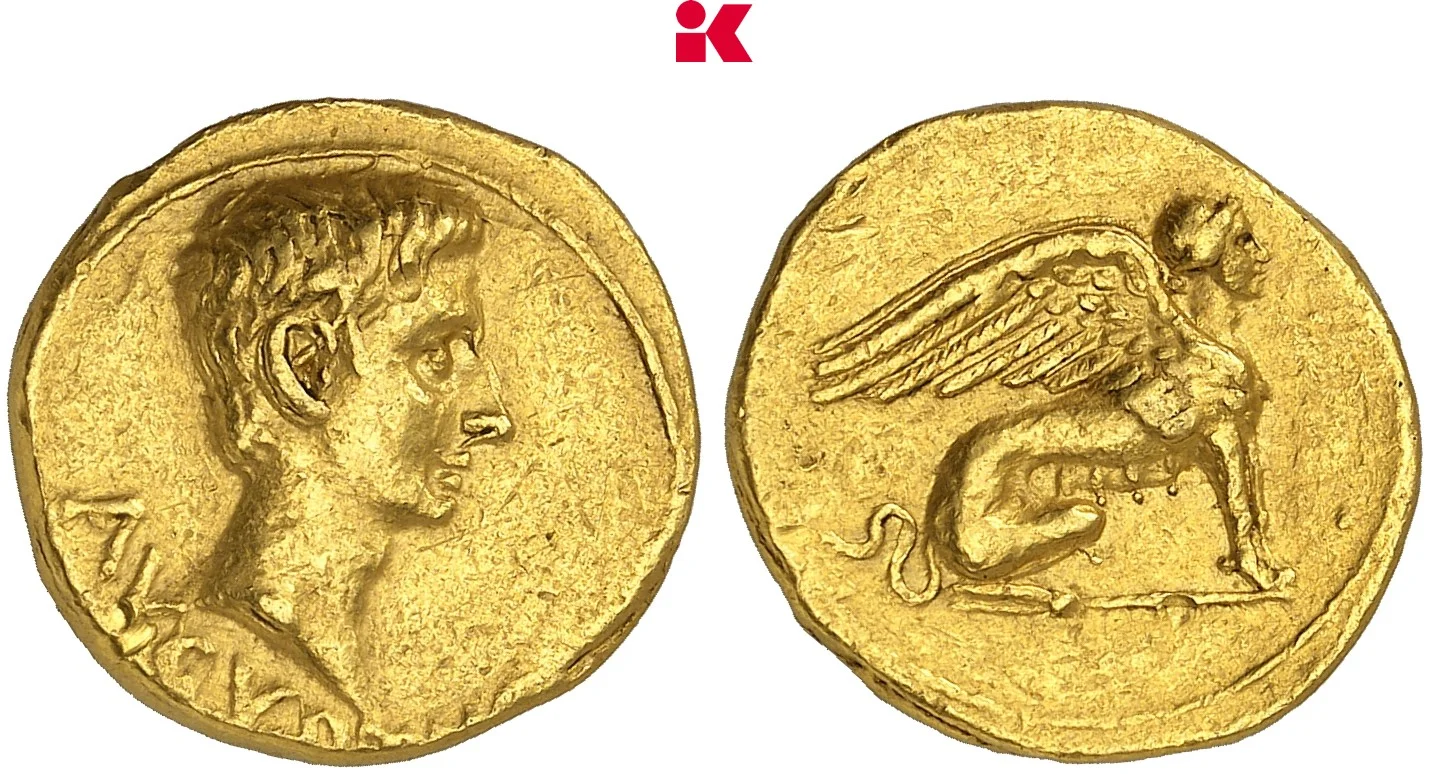
Augustus, 30 BCE–14 CE.
Aureus, 19/18 BCE, Ephesus (Ionia).
Very rare.
Min. Very fine.
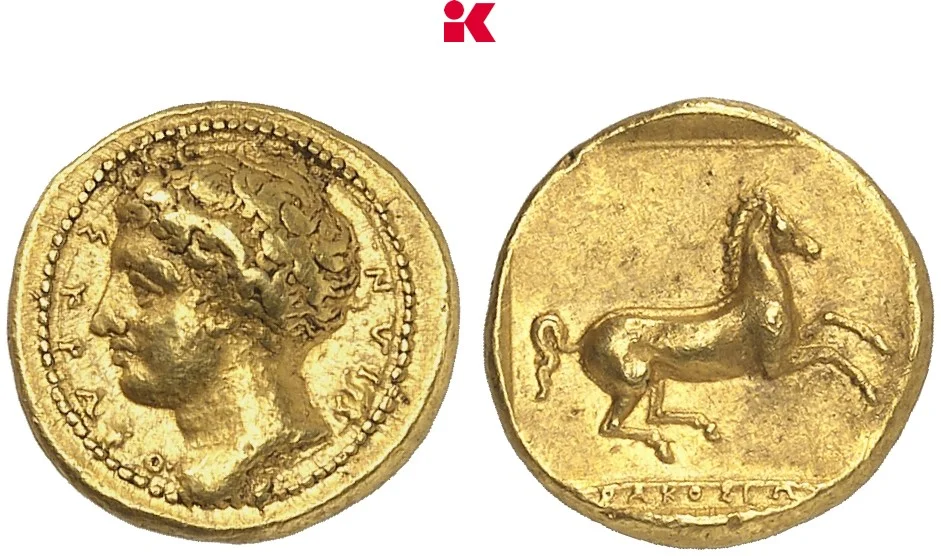
50 litren, 405/400 B.C.
Struck with a slightly rusty obverse die,
very fine-extremely fine/extremely fine.
The FBI Warns: Fraudsters Have Their Sights Set on Coin Collectors
The FBI is warning the public about scammers falsely promising victims, many of whom are older Americans, a significant profit on purchases or sales of collectible coins. These scams have impacted more than 100 victims across at least 30 U.S. states, causing over $9 million in losses.
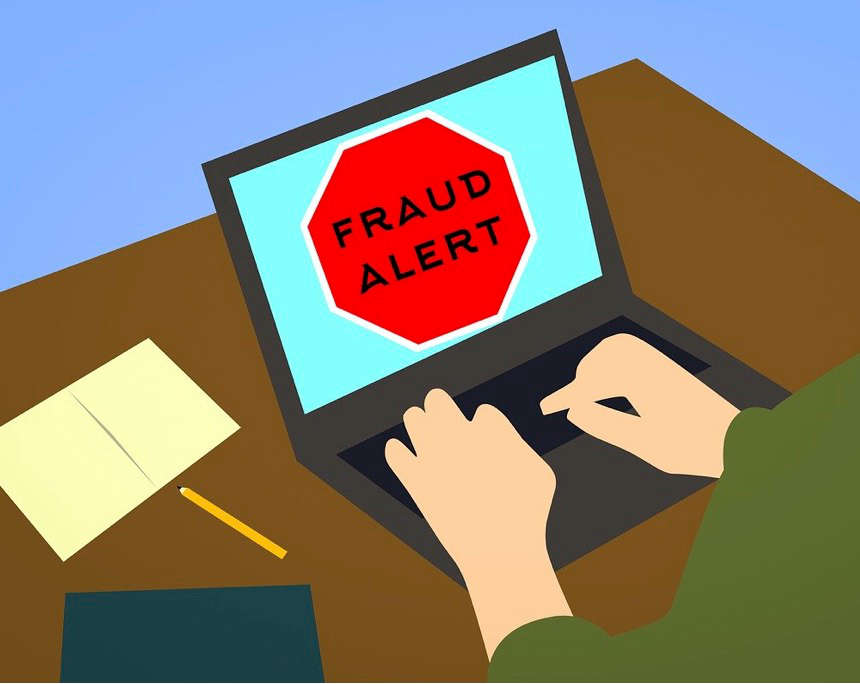
In the last years scams including coins became more common. Image: Mohamed Hassan via Pixabay.
Scammers “cold call” victims to market their alleged collectible coin business. If victims already have collectible coins, scammers promise them a high rate of return for selling the coins. In some instances, scammers travel to victims’ homes and offer to take victims’ coin collections to have them appraised or to sell them. If scammers obtain collectible coins from victims as part of a proposed appraisal or sale, they later provide a small amount of money or coins of significantly less value to the victims and keep the victims’ coins.
Scammers may also offer to sell collectible coins of allegedly significant value to victims. Scammers use high pressure tactics to force a sale, such as fake imminent auctions or distressed sales, to coerce victims into promptly purchasing collectible coins. Ultimately, victims never receive the coins, for which they paid in advance.
Tips To Protect Yourself
- Be cautious when receiving any unsolicited calls about purchasing or selling collectible coins.
- Do not pay in advance for collectible coins.
- Do not give your coins to someone who wants to take them for “appraisal”.
Report It
If you believe you have been a victim of a similar fraudulent activity, please file a report with the FBI’s Internet Crime Complaint Center.
