






Ukraine Plans to Rename Small Coins: ‘Kopiyka’ to Become ‘Shah’
By Sebastian Wieschowski
Central Bank Chief Andriy Pyshnyy stated that the term “Kopiyka” is viewed as a symbol of historical Moscow occupation and is thus outdated. “The Ukrainian people are reclaiming what has been distorted and stolen by Kremlin narratives,” Pyshnyy said in a statement.
Content
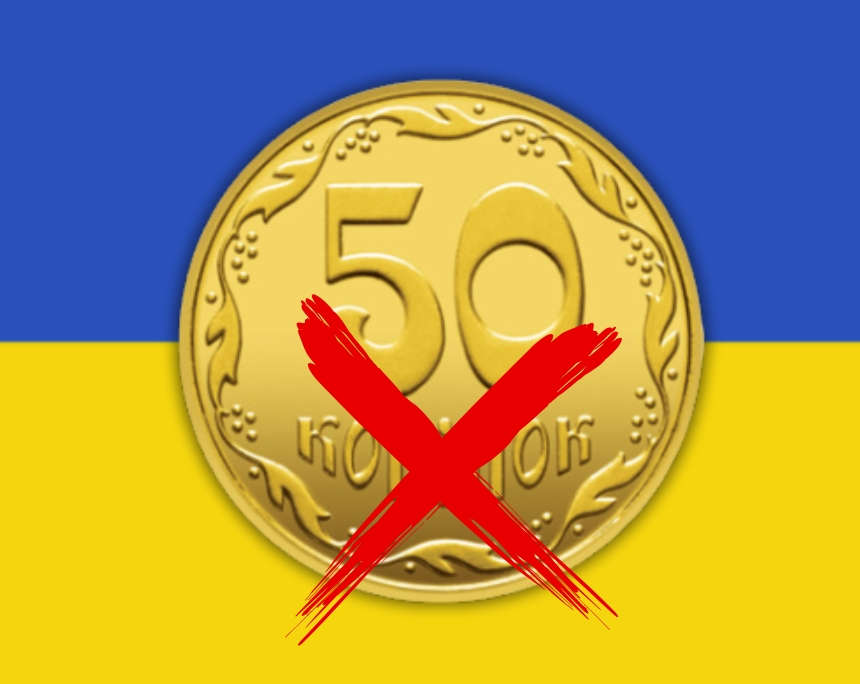
Ukraine gives a new name to its currency subdivision. Photo: National Bank of Ukraine.
With the new name “Shah,” Ukraine aims to revive its numismatic history and bring Ukrainian traditions into cash circulation. According to the National Bank, the term “Shah” is uniquely Ukrainian, dating back to the 16th and 17th centuries where it was frequently used in literature. Authors like Taras Shevchenko and Lesya Ukrainka mentioned the term in their works, and during the Ukrainian revolution of 1917–1921, even banknotes featuring “Shah” were circulated.
Part of a Strategy for ‘De-Russification’
The planned renaming is part of a broader strategy for ‘De-Russification’ in Ukraine, according to the National Bank. The term ‘Kopiyka’ is rooted in Russian tradition. By introducing ‘Shah,’ Ukraine seeks to symbolically break away from these influences, cleansing its currency of Russian and imperial associations.
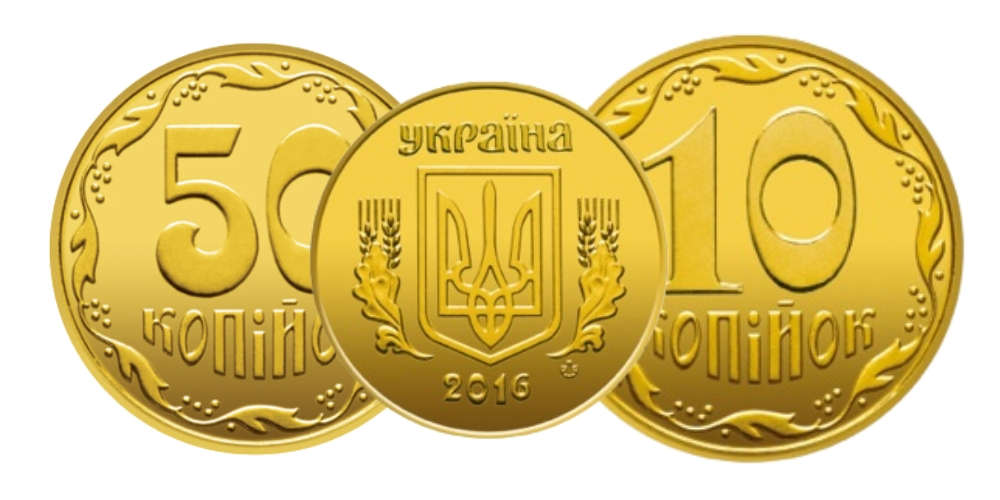
The 50 Kopiyka coin was first minted in 1992 and most recently in 2023. Photo: National Bank of Ukraine.
Rediscovering Ukrainian Heritage
In the coming months, legislative changes are expected to pave the way for the official introduction of ‘Shahs’. A direct exchange of the current ‘Kopiykas’ is not planned, and both coins will continue to circulate for the time being, easing the transition and avoiding additional costs from a complete coin replacement. The design and gradual circulation of ‘Shahs’ will be developed by the National Bank once the legal basis is in place.
