






Tetradrachme. Sizilianisch-punische Münzprägung,
ca. 405–380 v. Chr.
Ex Metropolitan Museum of Art, New York:
“Greek Coins from the John Ward Collection”
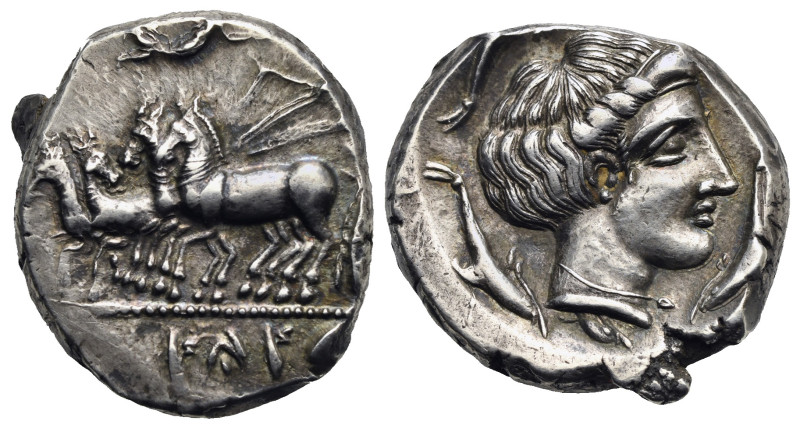

Didrachme, ca. 412-400 v. Chr.
Aus der Athos-Moretti-Sammlung.
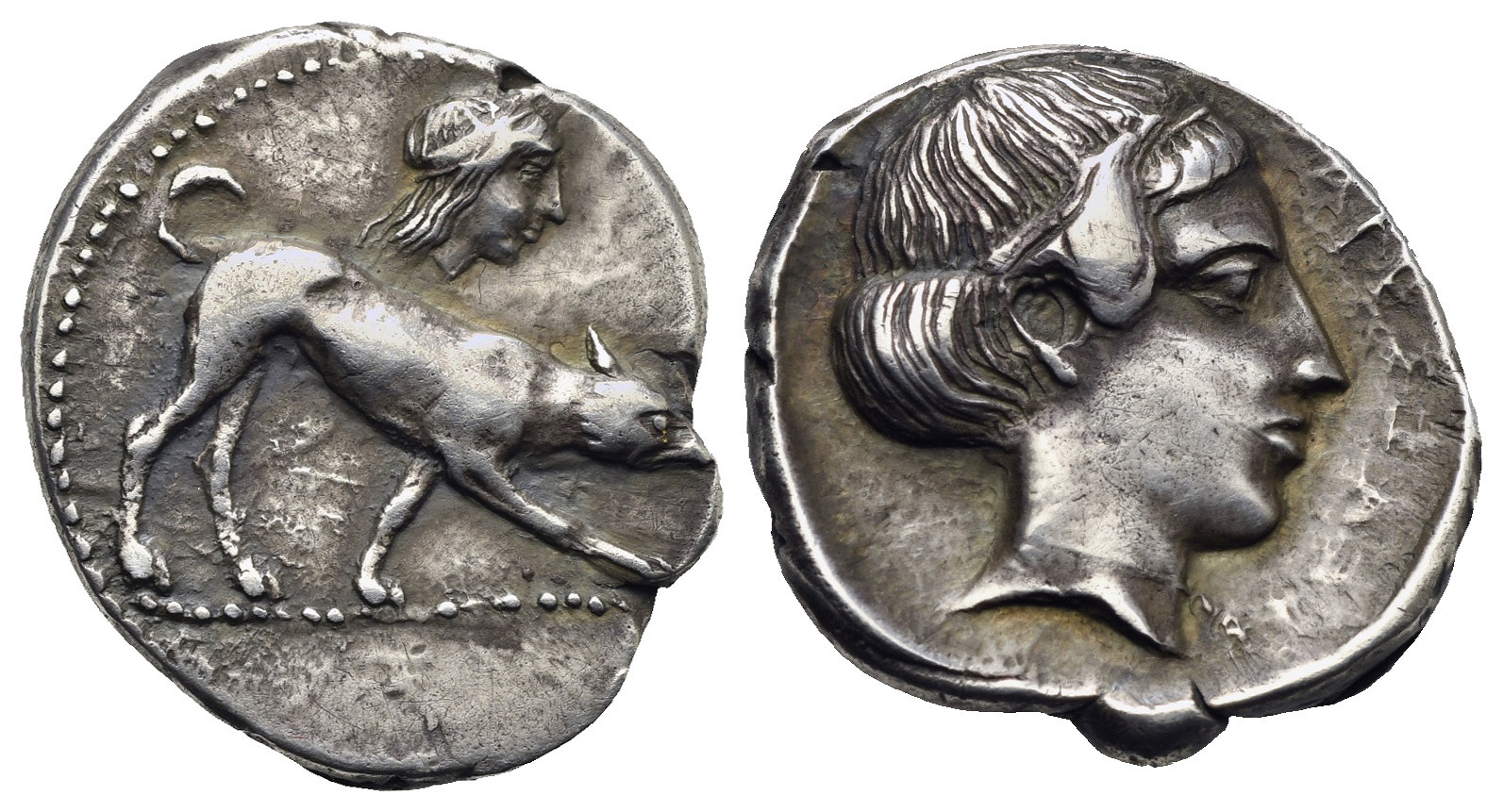
Stater, ca. 540-510 v. Chr.
Sehr selten und eines der
schönsten bekannten Exemplare.
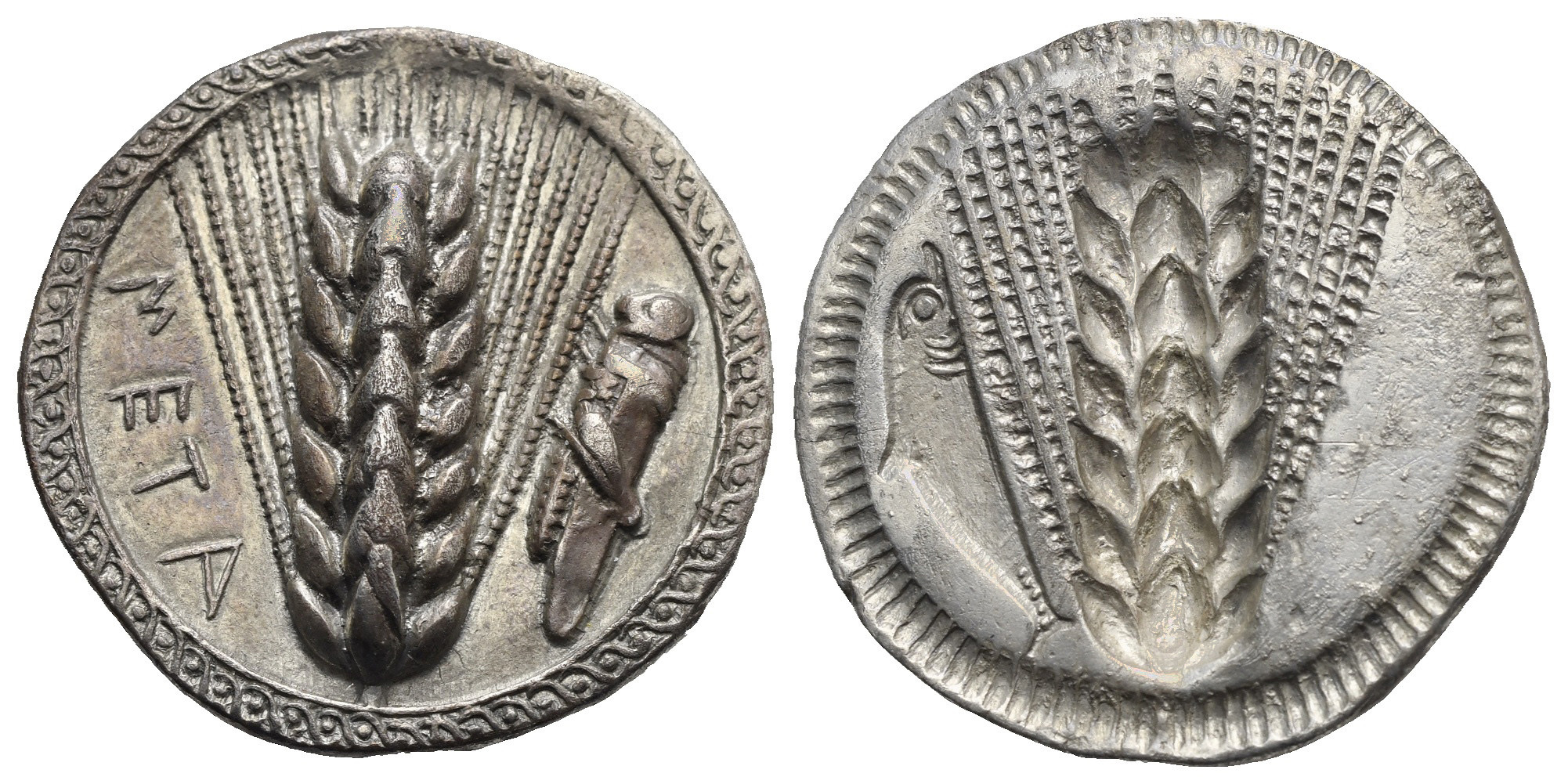
Distater, ca 380-350 v. Chr.
Ein prächtiges Exemplar im edlen klassischen Stil.
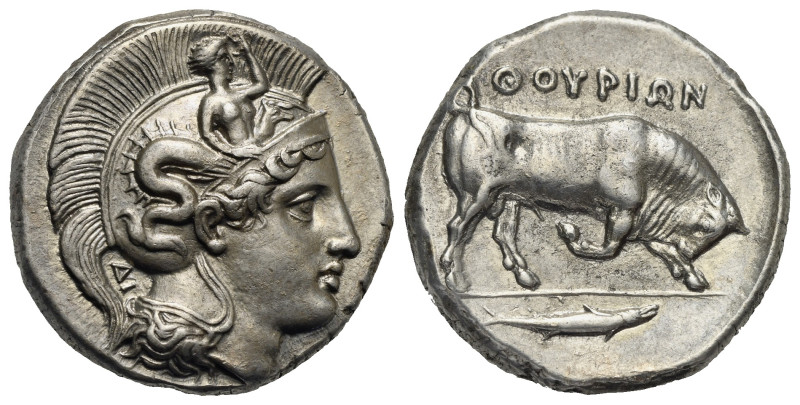
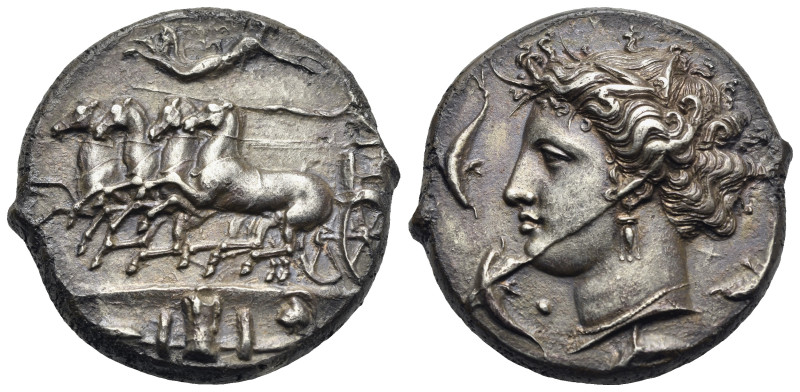
Dekadrachme, ca. 405-400 v. Chr.
Von unsignierten Stempeln im Stil von Euainetos.
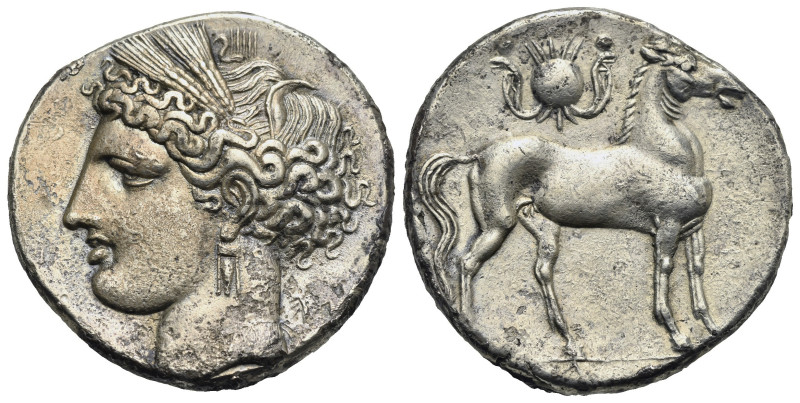
Hexadrachme oder Trischekel.
Erster Punischer Krieg, 264–241 v. Chr.,
wahrscheinlich geprägt um 255–251 v. Chr.
Äußerst selten; bislang sind weniger
als zehn Exemplare bekannt.
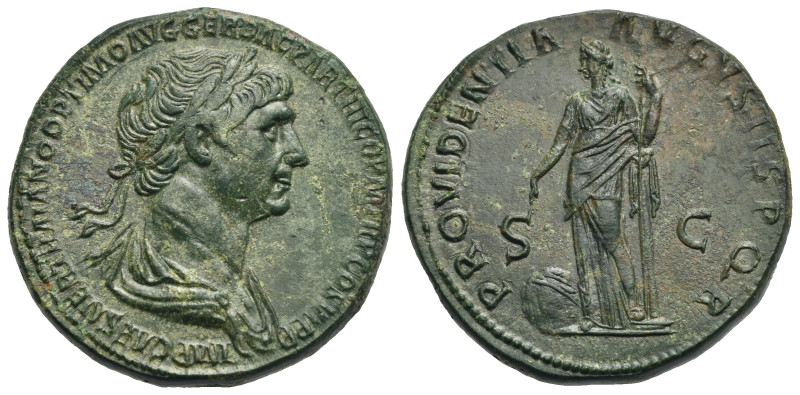
Sesterz. Rom, 116–117 n. Chr.
Grüne Patina. Schönes Porträt. Vorzüglich.
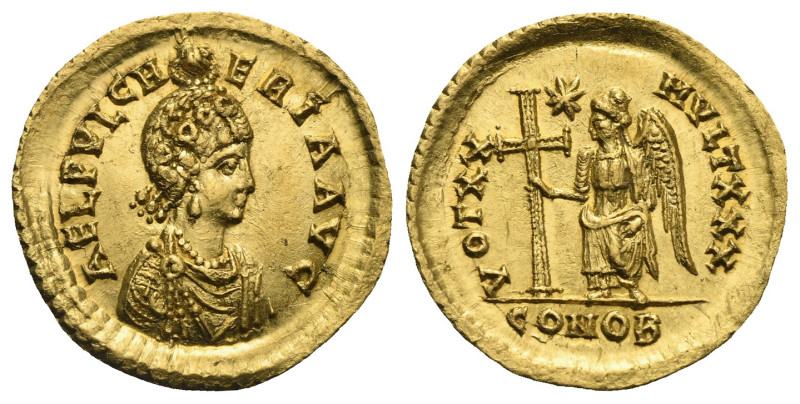
Solidus. Konstantinopel, 423–425 n. Chr.
Vorzüglich. Äußerst selten.
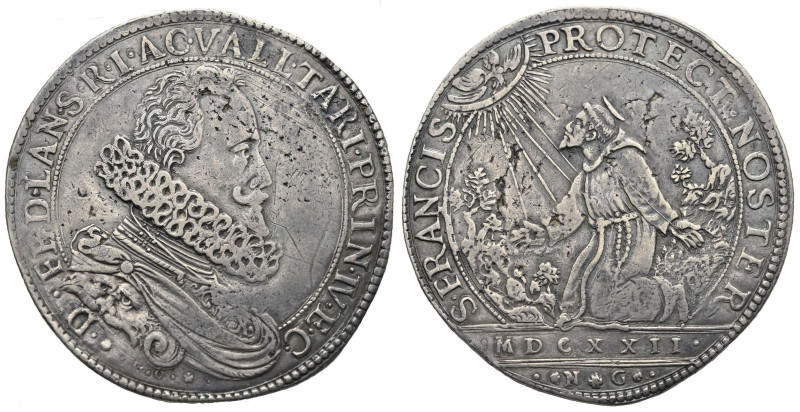
Dukaton geprägt vom Münzmeister Nicola Gandusio, 1622
Zweifellos sehr guter Erhaltungszustand
für diese äußerst seltene Ausgabe.
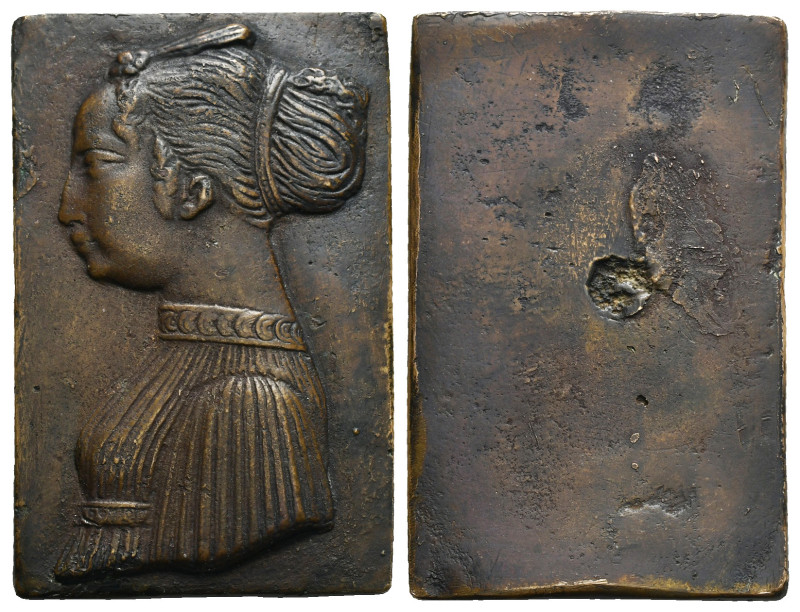
Frauenporträt: möglicherw. Lucia oder Leonella Gonzaga.
Einseitige Plakette, 1475–1500
Zeitgenössische Guss. Das dritte bekannte Exemplar?
Gut zu wissen
 https://new.coinsweekly.com/wp-content/uploads/2026/03/00bearb_generated-image-1-1.jpg
680
860
Marc Culas
https://new.coinsweekly.com/wp-content/uploads/2023/01/logo-coinsweekly_590x204.png
Marc Culas2026-03-17 15:48:422026-03-17 15:48:42
https://new.coinsweekly.com/wp-content/uploads/2026/03/00bearb_generated-image-1-1.jpg
680
860
Marc Culas
https://new.coinsweekly.com/wp-content/uploads/2023/01/logo-coinsweekly_590x204.png
Marc Culas2026-03-17 15:48:422026-03-17 15:48:42 https://new.coinsweekly.com/wp-content/uploads/2026/03/generated-image-1-1.jpg
1792
2240
Marc Culas
https://new.coinsweekly.com/wp-content/uploads/2023/01/logo-coinsweekly_590x204.png
Marc Culas2026-03-10 07:54:412026-03-10 08:03:20
https://new.coinsweekly.com/wp-content/uploads/2026/03/generated-image-1-1.jpg
1792
2240
Marc Culas
https://new.coinsweekly.com/wp-content/uploads/2023/01/logo-coinsweekly_590x204.png
Marc Culas2026-03-10 07:54:412026-03-10 08:03:20 https://new.coinsweekly.com/wp-content/uploads/2025/10/00bearb_generated-image-1-e1761657843914.jpg
473
840
Marc Culas
https://new.coinsweekly.com/wp-content/uploads/2023/01/logo-coinsweekly_590x204.png
Marc Culas2025-10-28 14:24:332025-10-28 15:25:58
https://new.coinsweekly.com/wp-content/uploads/2025/10/00bearb_generated-image-1-e1761657843914.jpg
473
840
Marc Culas
https://new.coinsweekly.com/wp-content/uploads/2023/01/logo-coinsweekly_590x204.png
Marc Culas2025-10-28 14:24:332025-10-28 15:25:58 https://new.coinsweekly.com/wp-content/uploads/2025/09/money-2.jpg
430
716
Marc Culas
https://new.coinsweekly.com/wp-content/uploads/2023/01/logo-coinsweekly_590x204.png
Marc Culas2025-09-17 16:25:512025-09-17 17:13:58
https://new.coinsweekly.com/wp-content/uploads/2025/09/money-2.jpg
430
716
Marc Culas
https://new.coinsweekly.com/wp-content/uploads/2023/01/logo-coinsweekly_590x204.png
Marc Culas2025-09-17 16:25:512025-09-17 17:13:58