



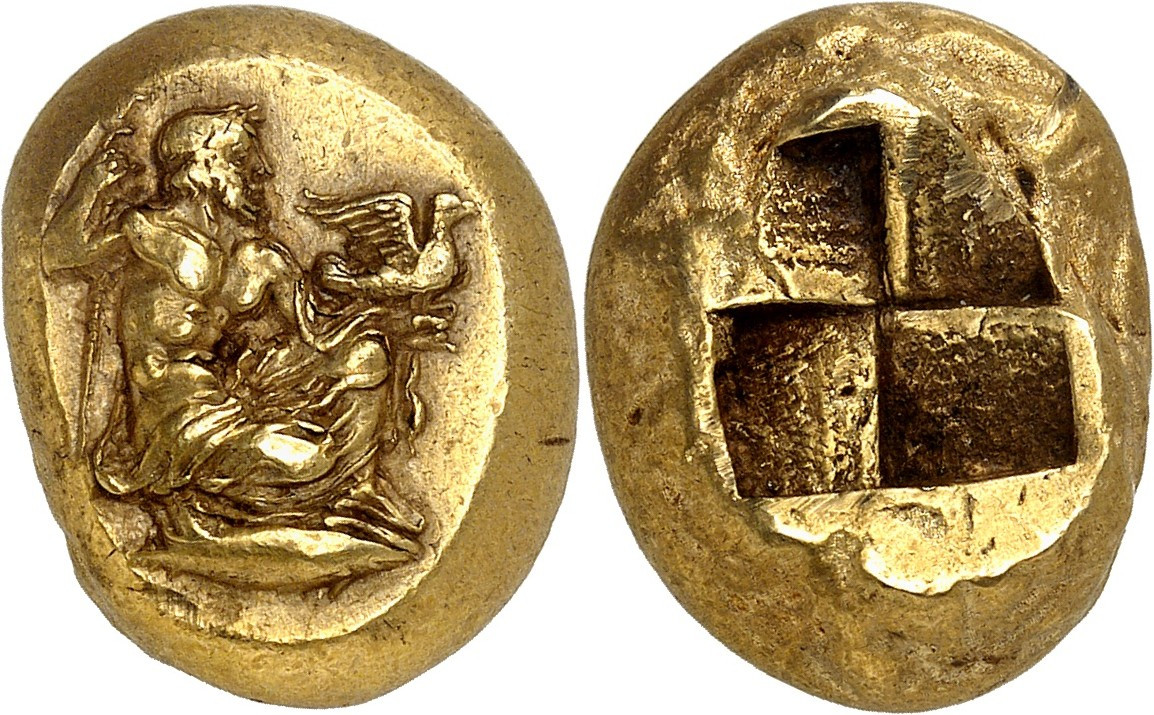
Elektron Stater, um 375–350 v. Chr.
Sammlung Baron Lorne Thyssen-Bornemisza.
Ein außergewöhnliches Exemplar.
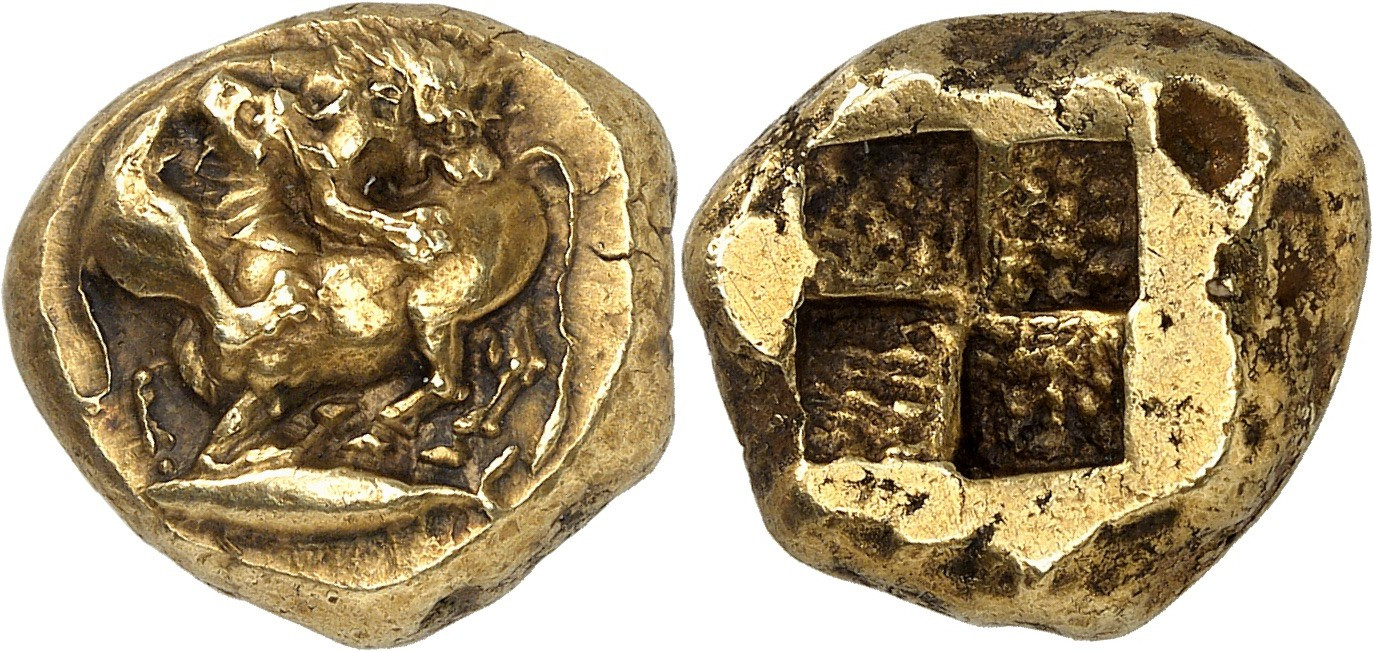
Elektron Stater, um 360–340 v. Chr.
Sammlung Baron Lorne Thyssen-Bornemisza.
Das beste bekannte Exemplar.
Eine außergewöhnliche Münze.
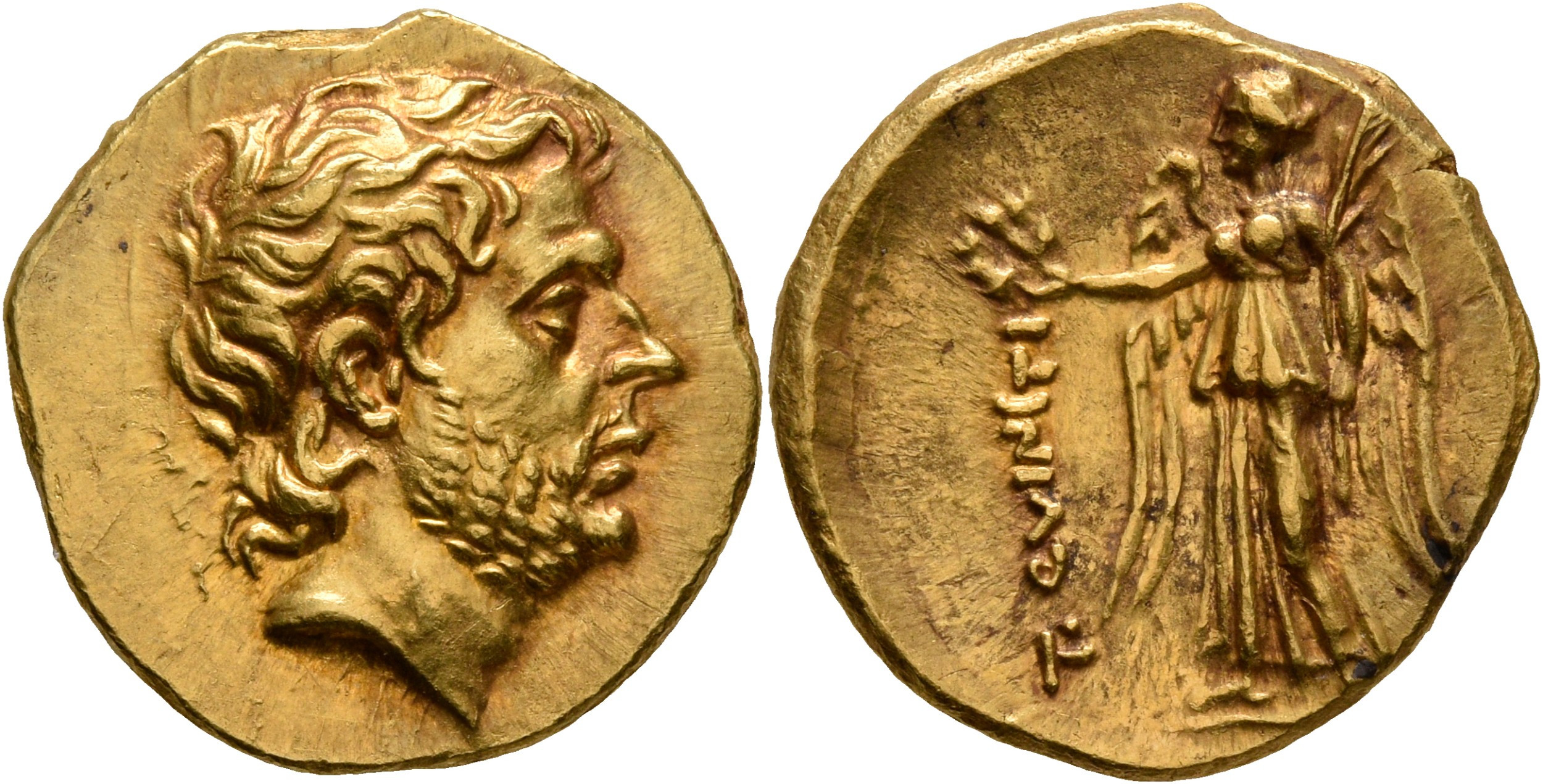
Goldstater, um 196 v. Chr., Chalkis (?).
Sammlung Baron Lorne Thyssen-Bornemisza.
Die erste Münze, die einen Römer
zu seinen Lebzeiten darstellt.
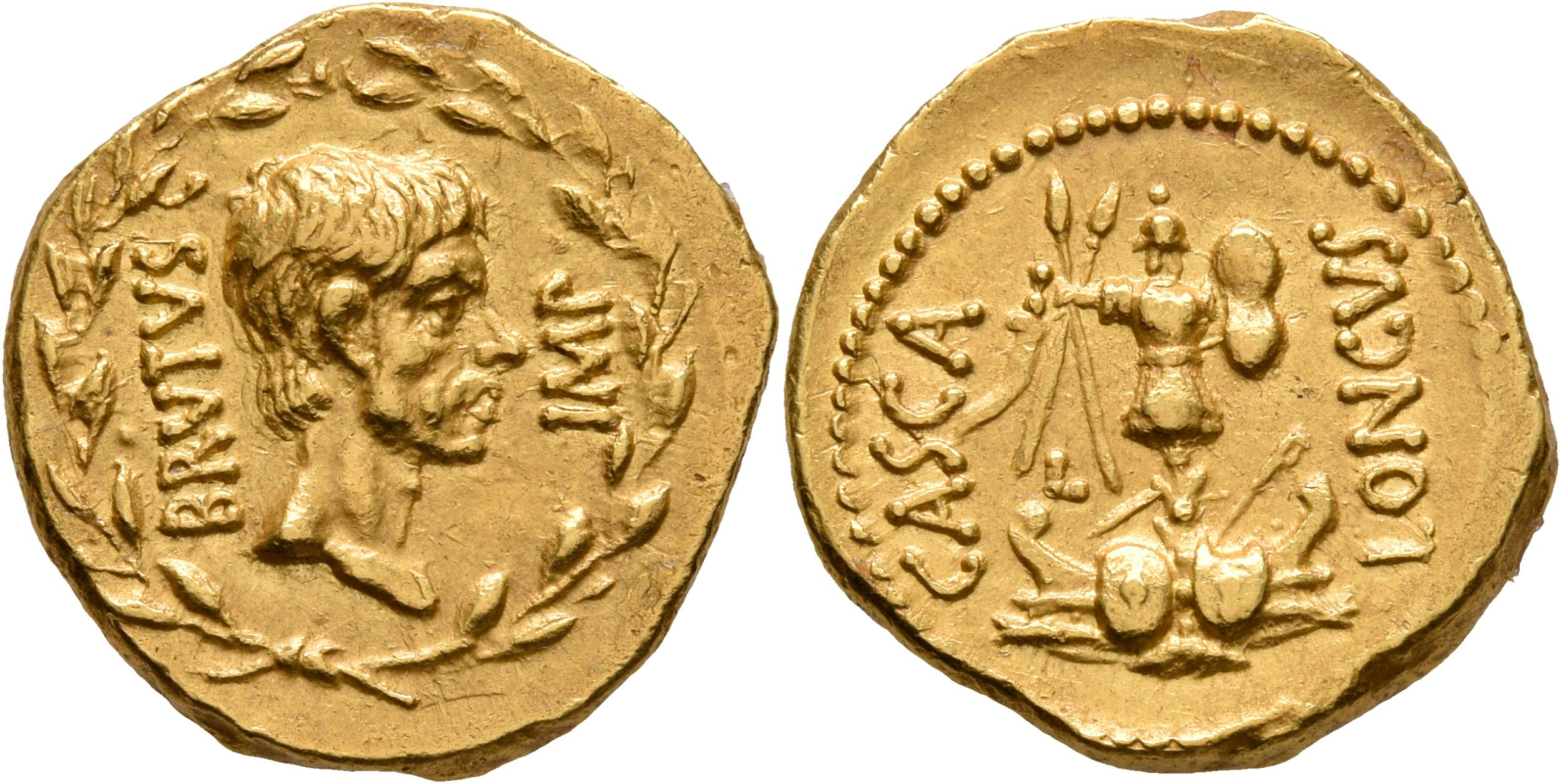
Publius Servilius Casca Longus.
Aureus, 43–42 v. Chr.,
mobile Münzstätte in Nordgriechenland oder Kleinasien.
Sammlung Baron Lorne Thyssen-Bornemisza.
Eine der bedeutendsten Münzen der römischen Numismatik.
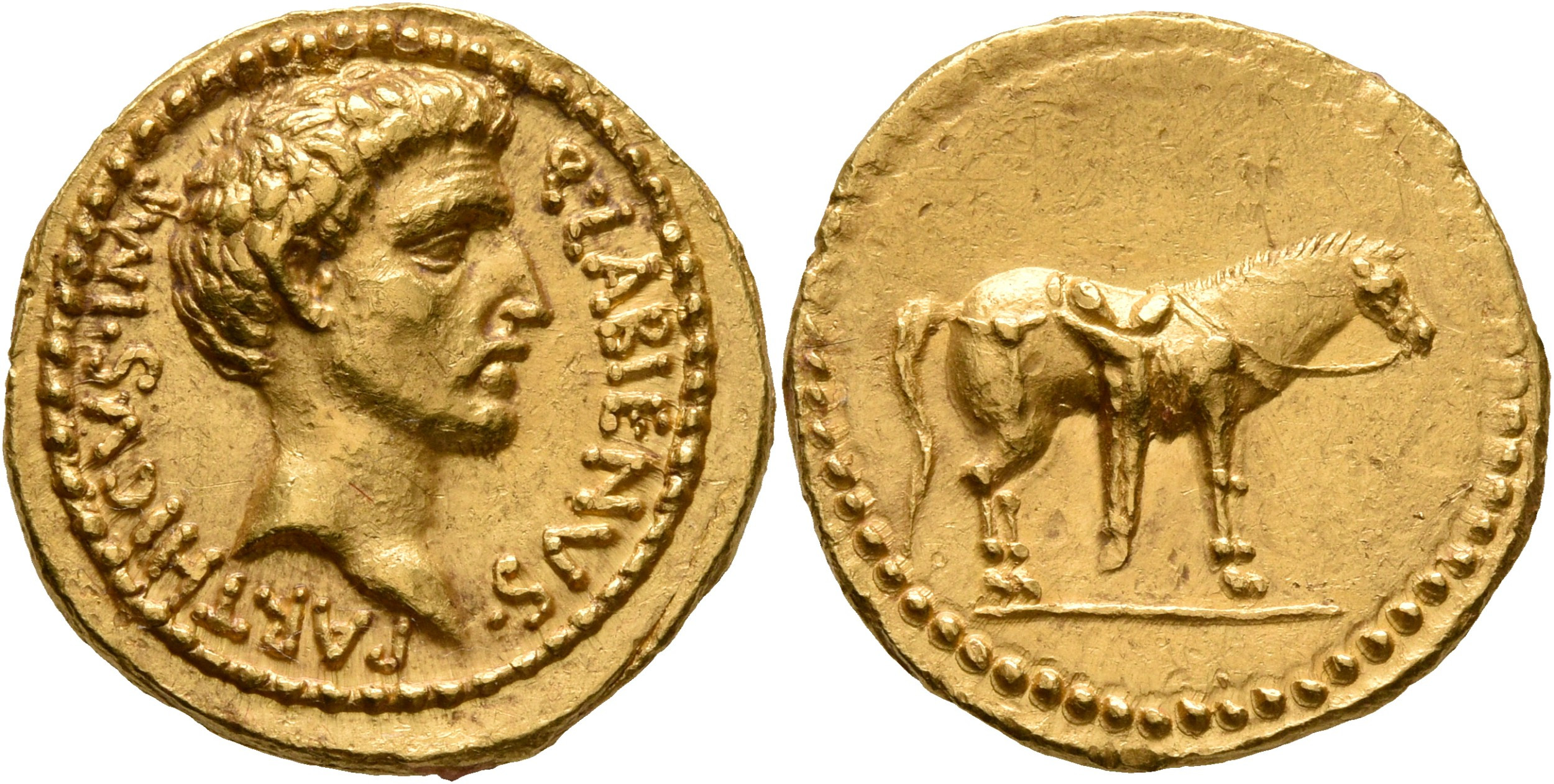
Aureus, 40–39 v. Chr., mobile Münzstätte in Kleinasien.
Sammlung Baron Lorne Thyssen-Bornemisza.
Von höchster Seltenheit,
nur fünf Exemplaren bekannt.
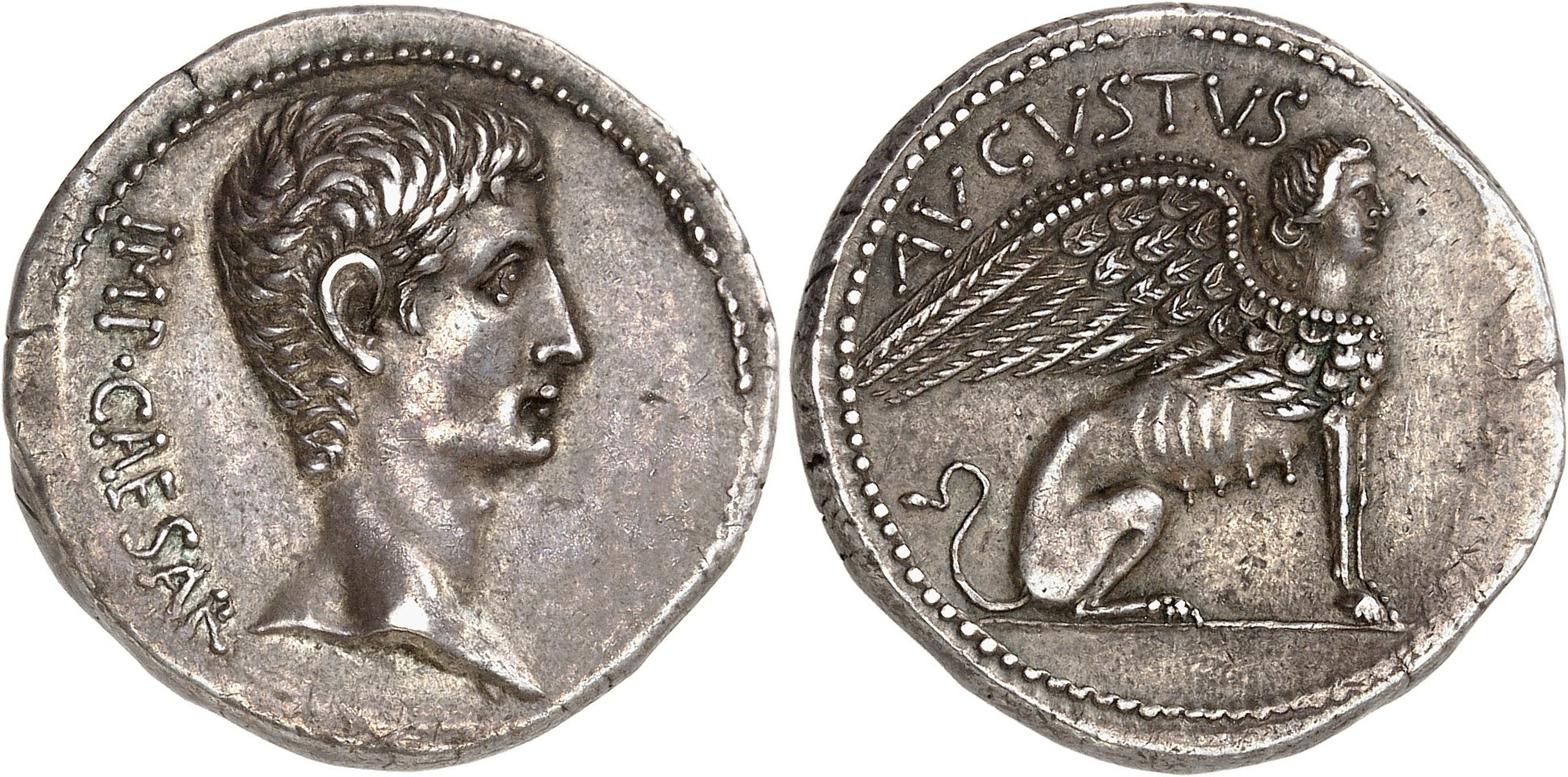
Cistophor, 27–26 v. Chr., Ephesos oder Pergamon.
Sammlung Baron Lorne Thyssen-Bornemisza.
Ein außergewöhnliches Exemplar
in perfektem Erhaltungszustand.
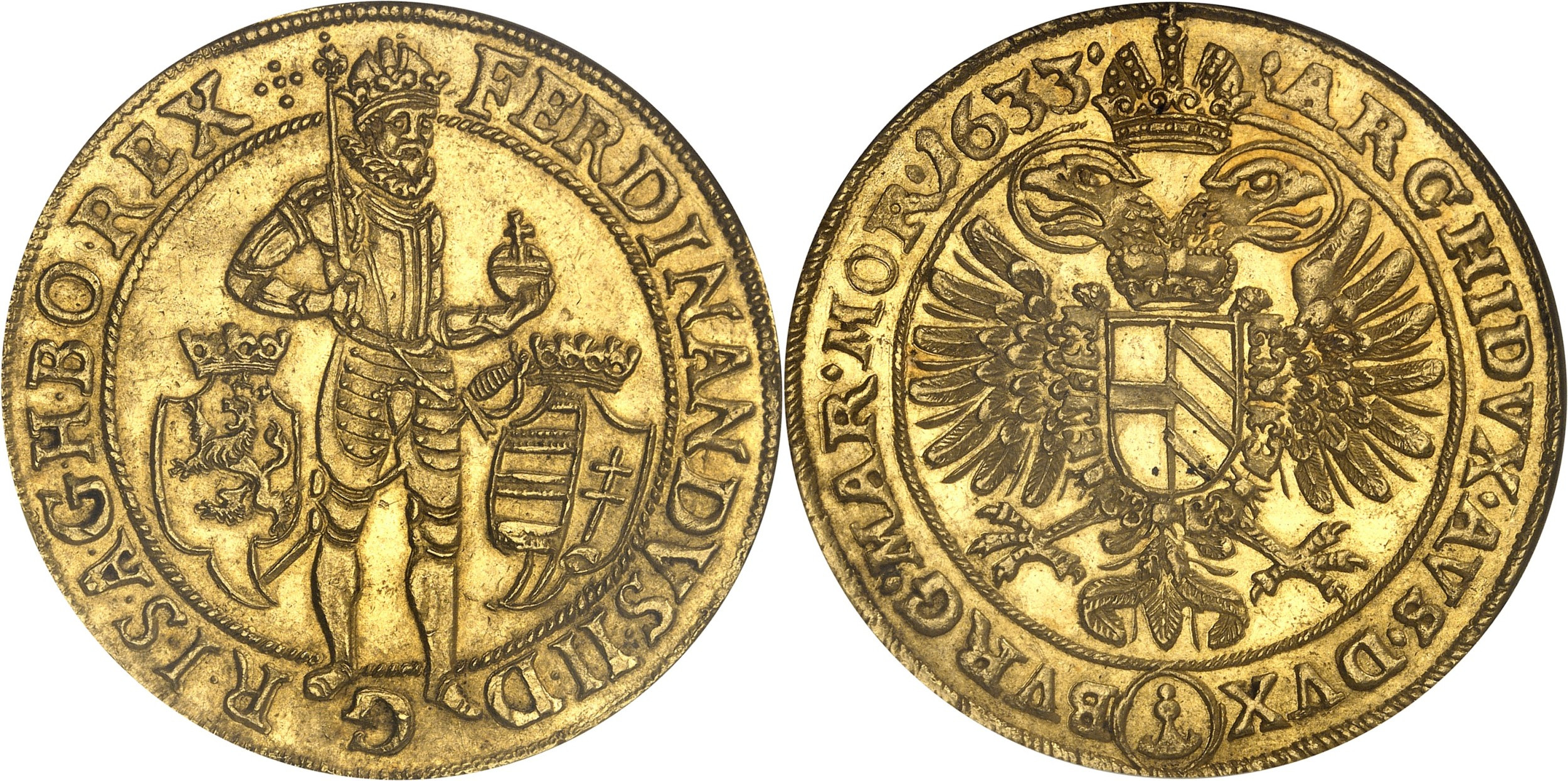
10 Dukaten 1633, Prag.
NGC MS65 (Top pop).
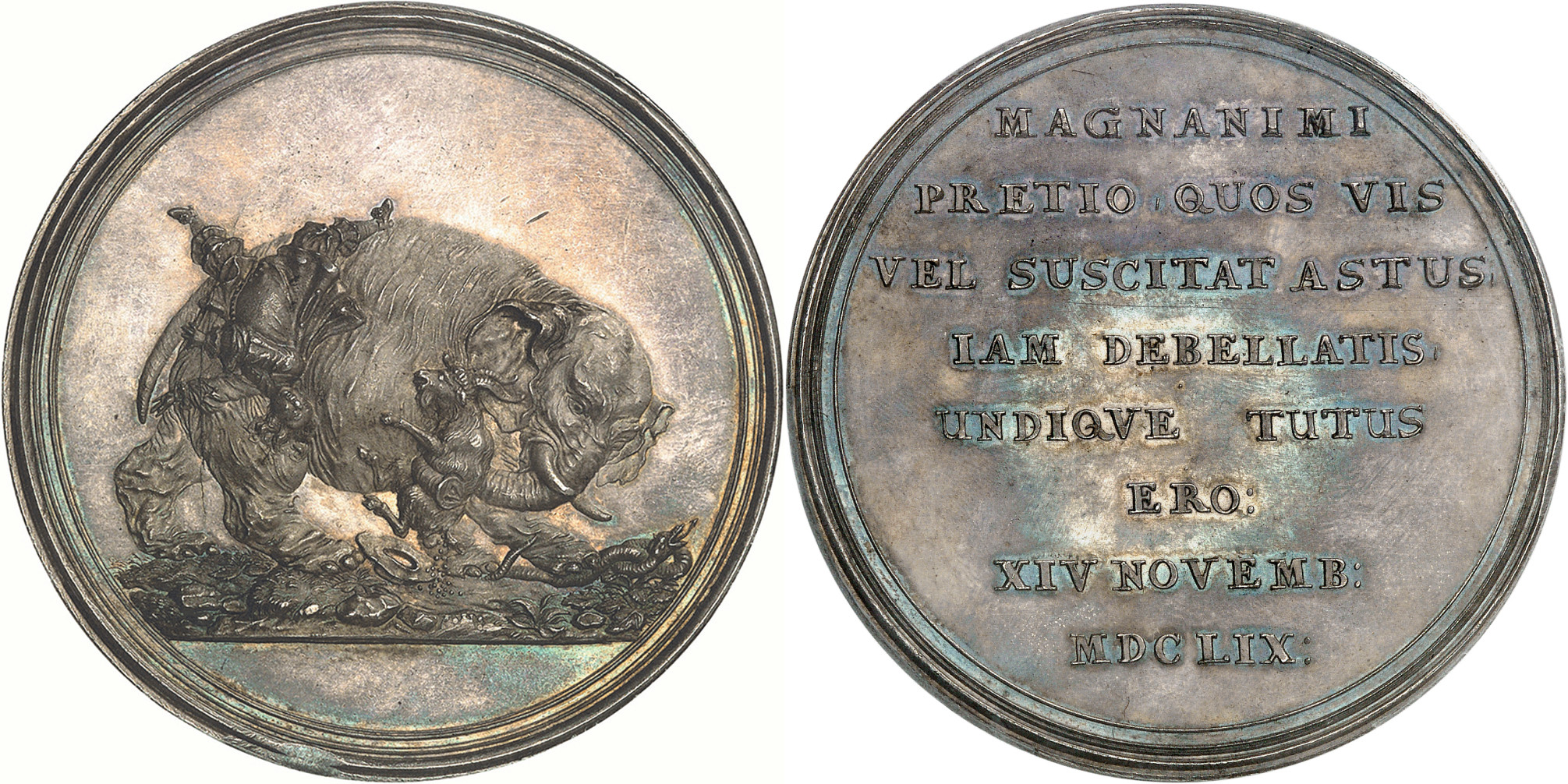
Silbermedaille, 1659, auf die Schlacht
von Nyborg im Jahr 1659, von J. Hercules.
Eine äußerst seltene zeitgenössische Prägung
dieser außergewöhnlichen Medaille.
Gut zu wissen
 https://new.coinsweekly.com/wp-content/uploads/2025/09/nlct-2.webp
430
716
Marc Culas
https://new.coinsweekly.com/wp-content/uploads/2023/01/logo-coinsweekly_590x204.png
Marc Culas2025-09-17 16:20:442025-09-17 17:13:03