







Münzen, Medaillen und mehr
 https://new.coinsweekly.com/wp-content/uploads/2026/10/00bearb_05309q00-1.jpg
684
860
Marc Culas
https://new.coinsweekly.com/wp-content/uploads/2023/01/logo-coinsweekly_590x204.png
Marc Culas2026-10-13 14:36:312026-10-13 14:36:31
https://new.coinsweekly.com/wp-content/uploads/2026/10/00bearb_05309q00-1.jpg
684
860
Marc Culas
https://new.coinsweekly.com/wp-content/uploads/2023/01/logo-coinsweekly_590x204.png
Marc Culas2026-10-13 14:36:312026-10-13 14:36:31 https://new.coinsweekly.com/wp-content/uploads/2026/10/00bearb_lvr-abr-roemischer-muenzschatz-wesseling-detail-1.jpg
684
860
Marc Culas
https://new.coinsweekly.com/wp-content/uploads/2023/01/logo-coinsweekly_590x204.png
Marc Culas2026-10-07 09:57:242026-10-07 09:57:24
https://new.coinsweekly.com/wp-content/uploads/2026/10/00bearb_lvr-abr-roemischer-muenzschatz-wesseling-detail-1.jpg
684
860
Marc Culas
https://new.coinsweekly.com/wp-content/uploads/2023/01/logo-coinsweekly_590x204.png
Marc Culas2026-10-07 09:57:242026-10-07 09:57:24Menschen und Märkte

aus einem alten Händlerlager
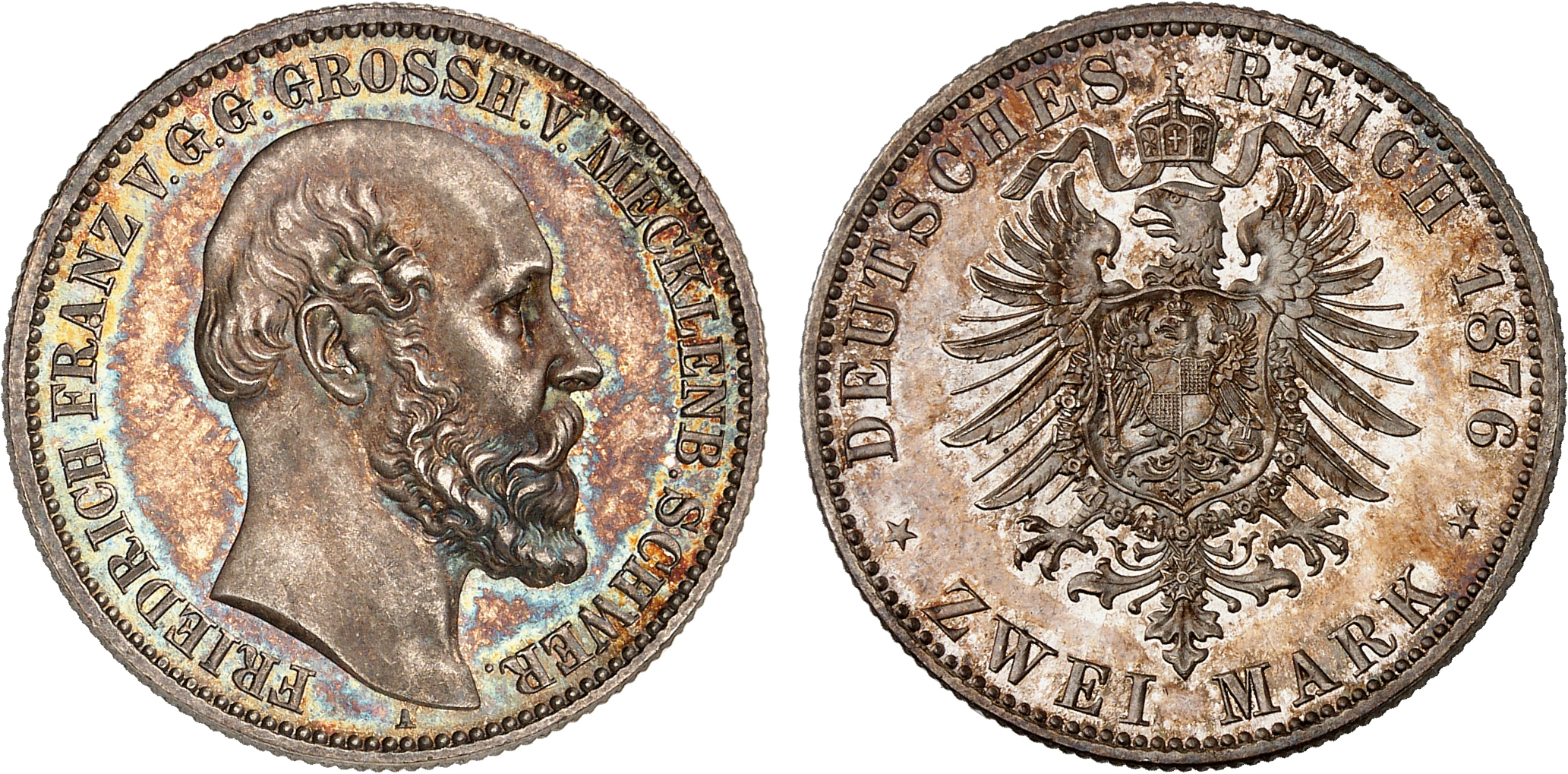
Mecklenburg-Schwerin.
2 Mark 1876.
Erstabschlag. Stempelglanz.
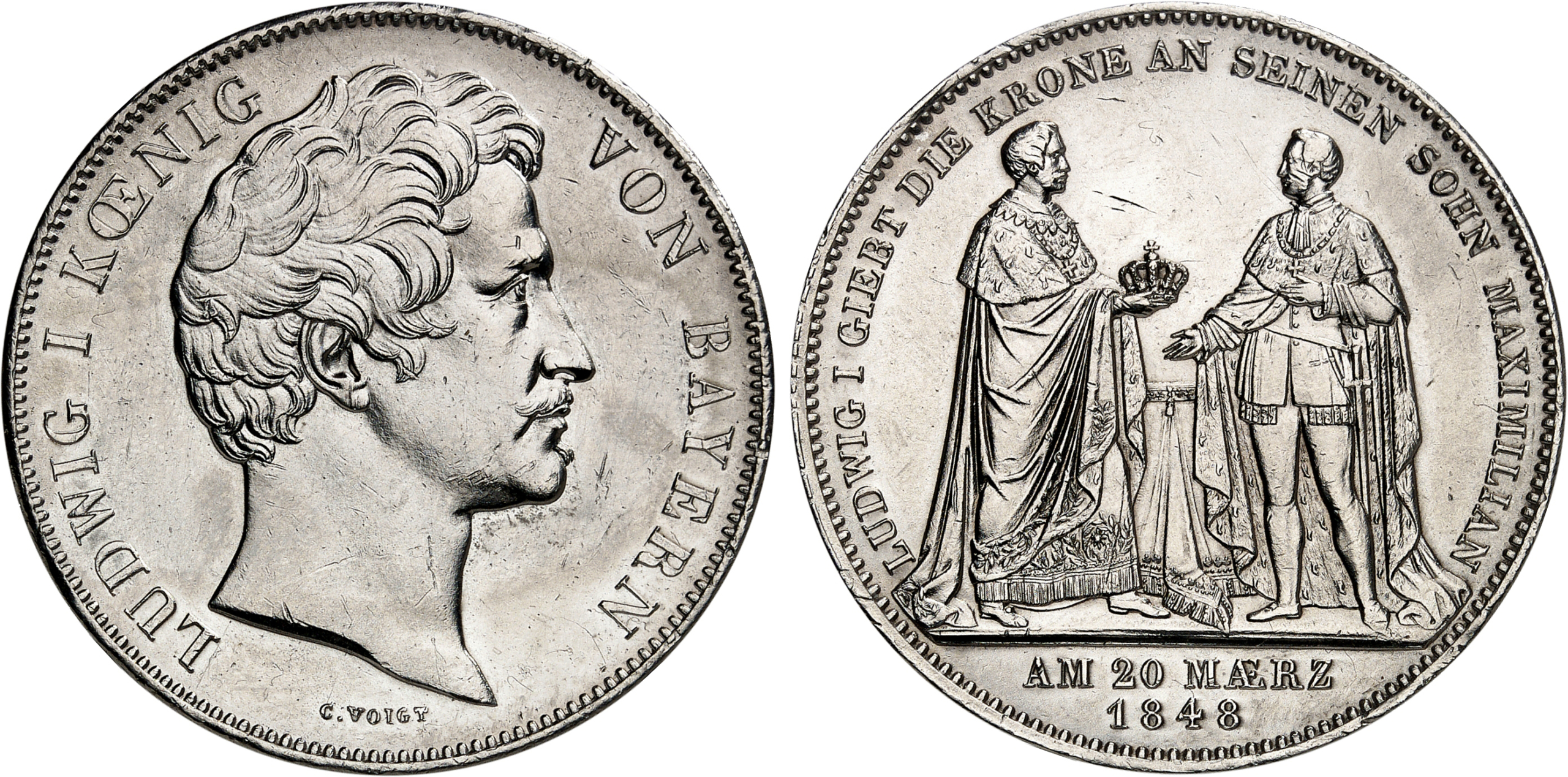
Bayern.
Geschichtsdoppeltaler 1848.
Sehr selten.
Vorzüglich.
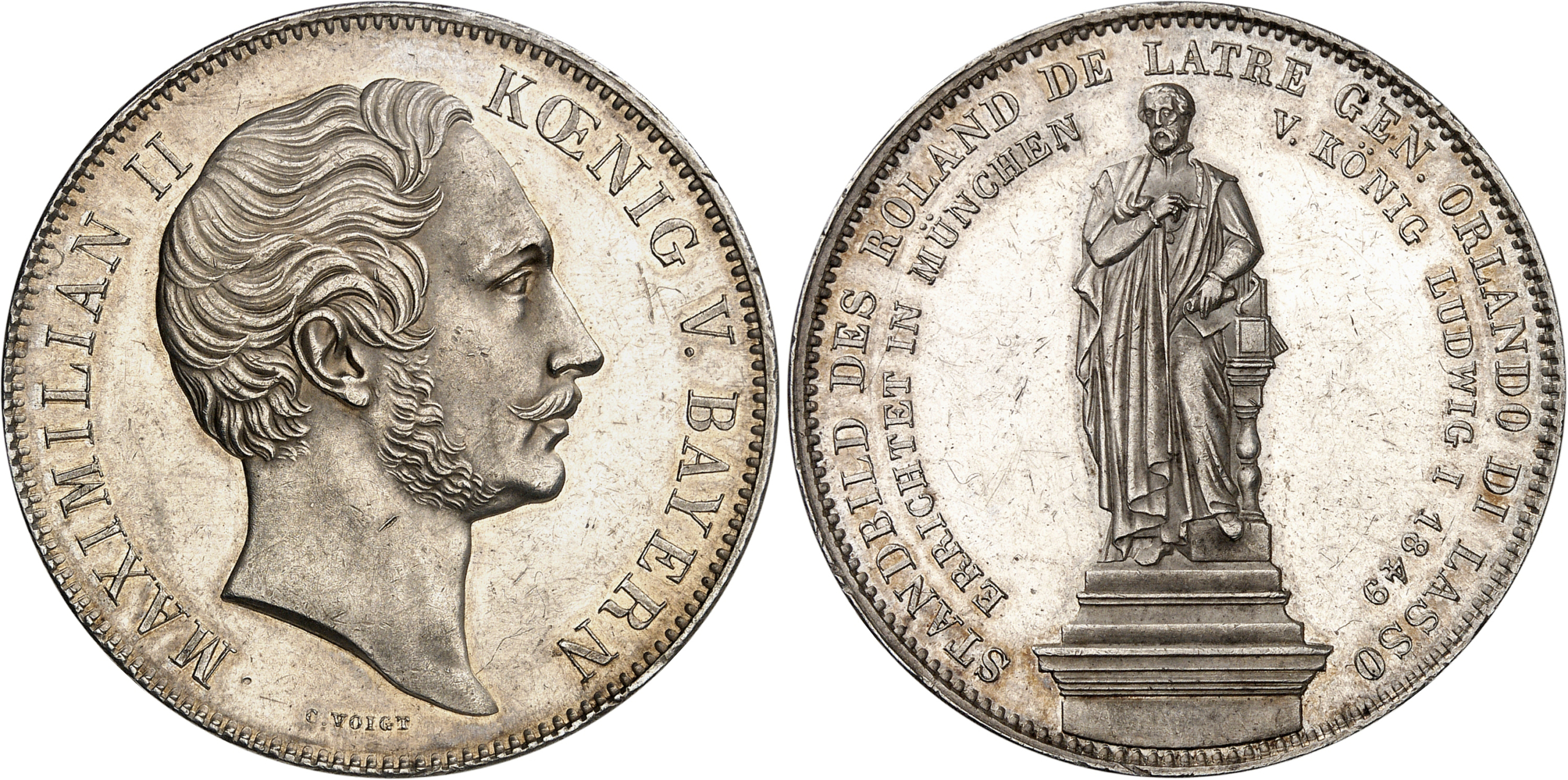
Bayern.
Geschichtsdoppeltaler 1849.
Vorzüglich bis Stempelglanz.
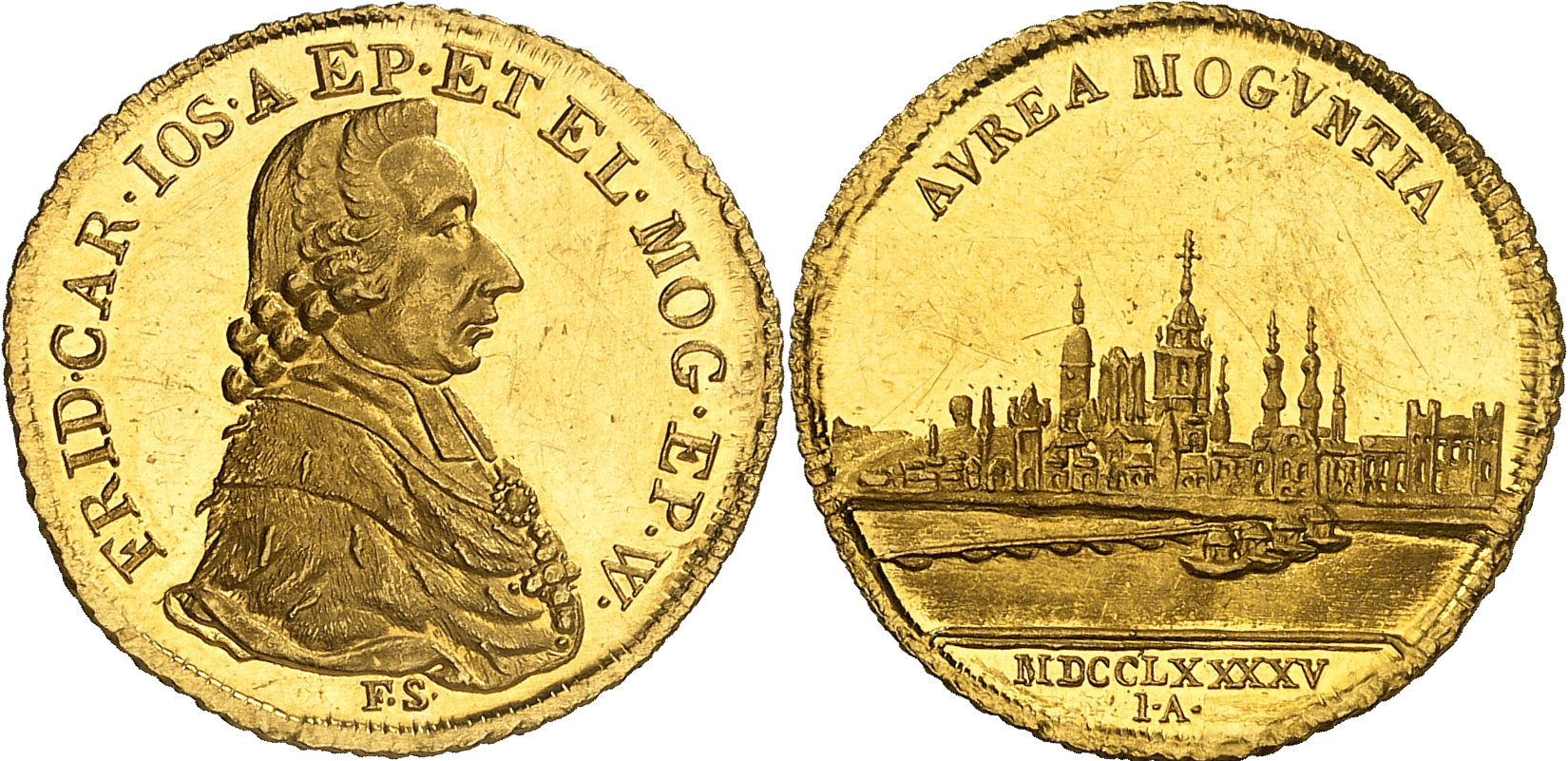
Mainz.
Dukat 1795.
Vorzüglich bis Stempelglanz.
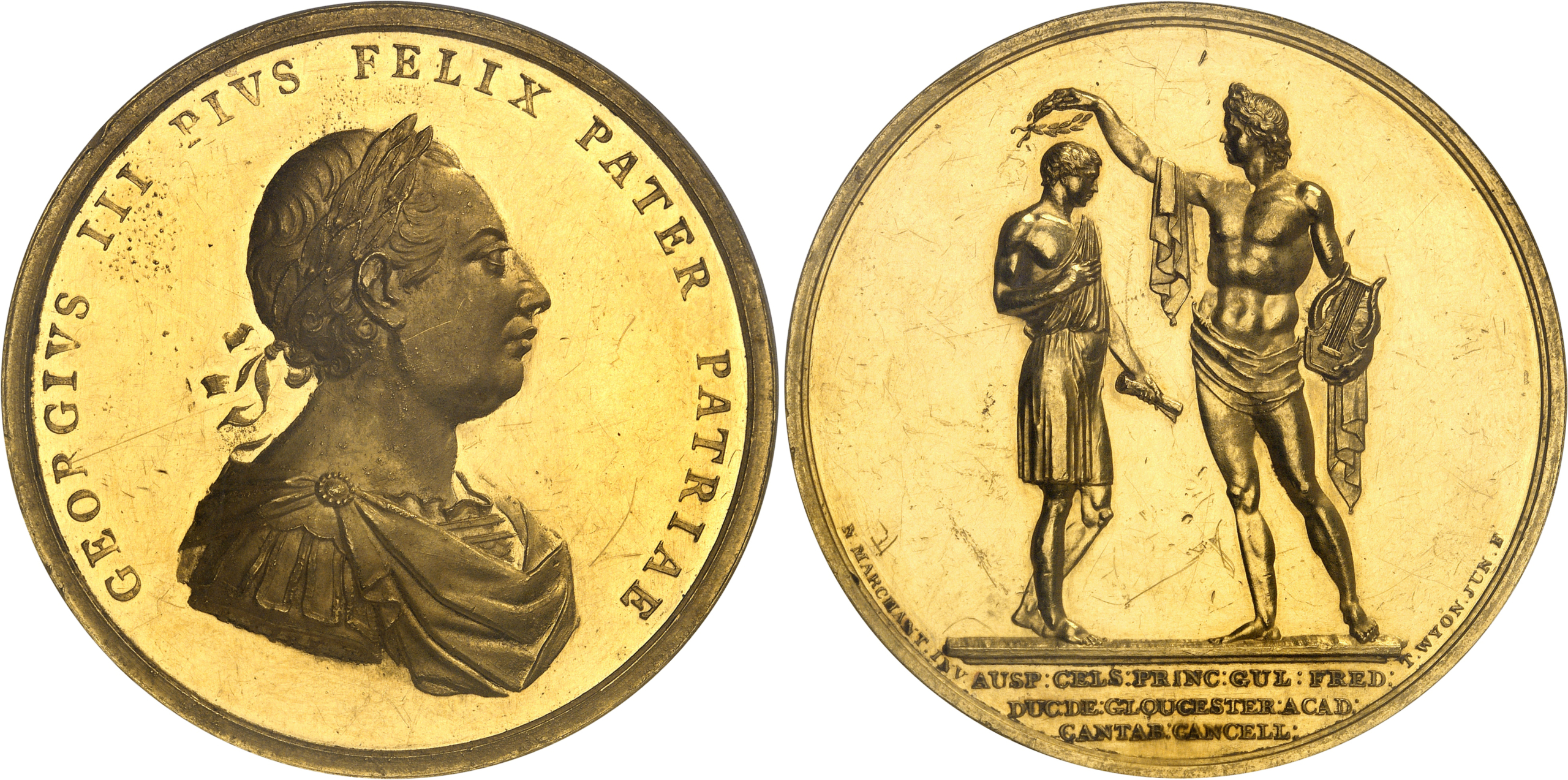
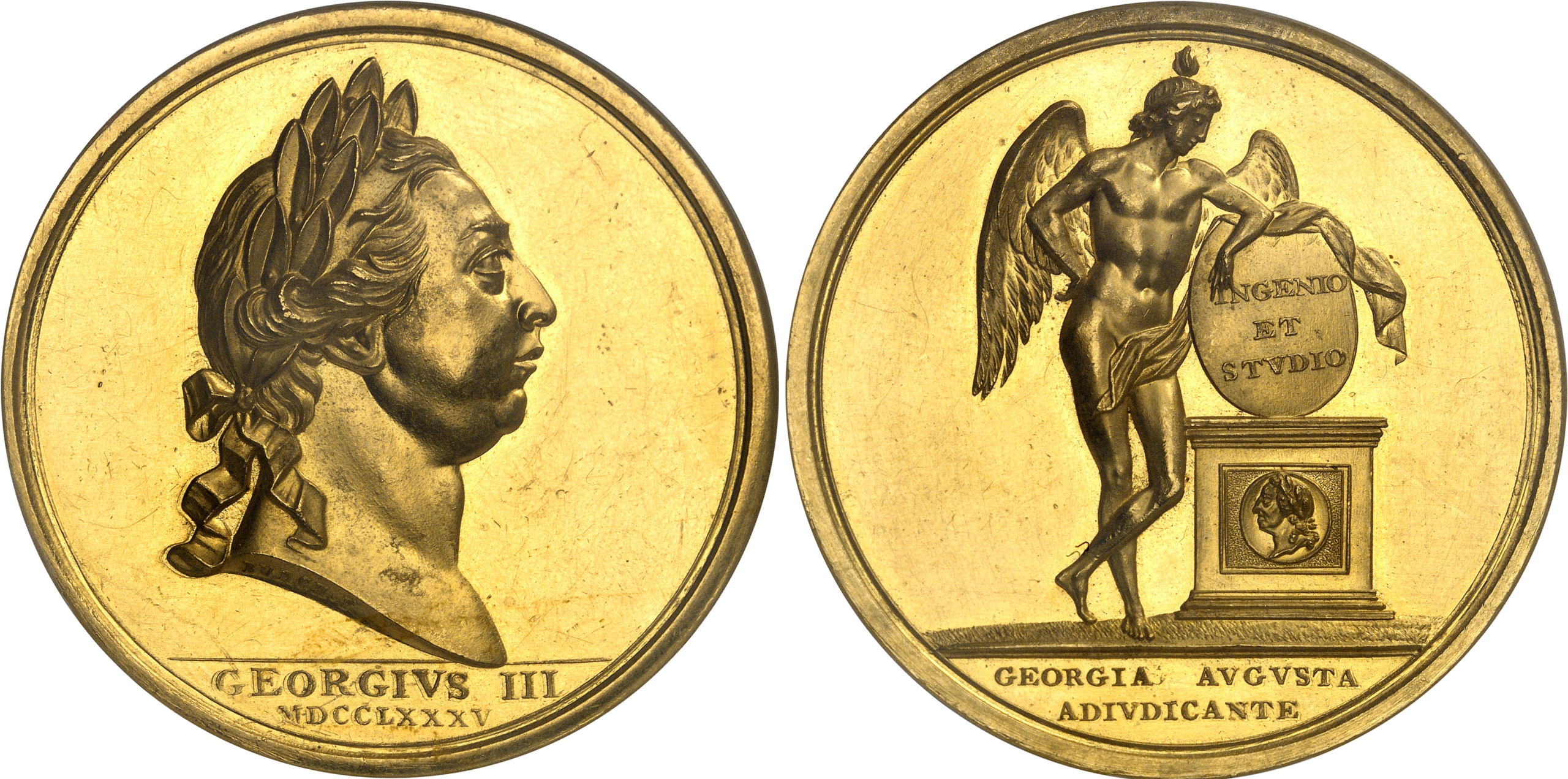
Goldmedaille o. J. (1768), von J. Kirk und T. Wyon jun.
Auf die Ernennung des Herzogs William Frederik
von Gloucester zum Kanzler der Universität Cambridge.
Äußerst selten. NGS MS60, fast Stempelglanz.
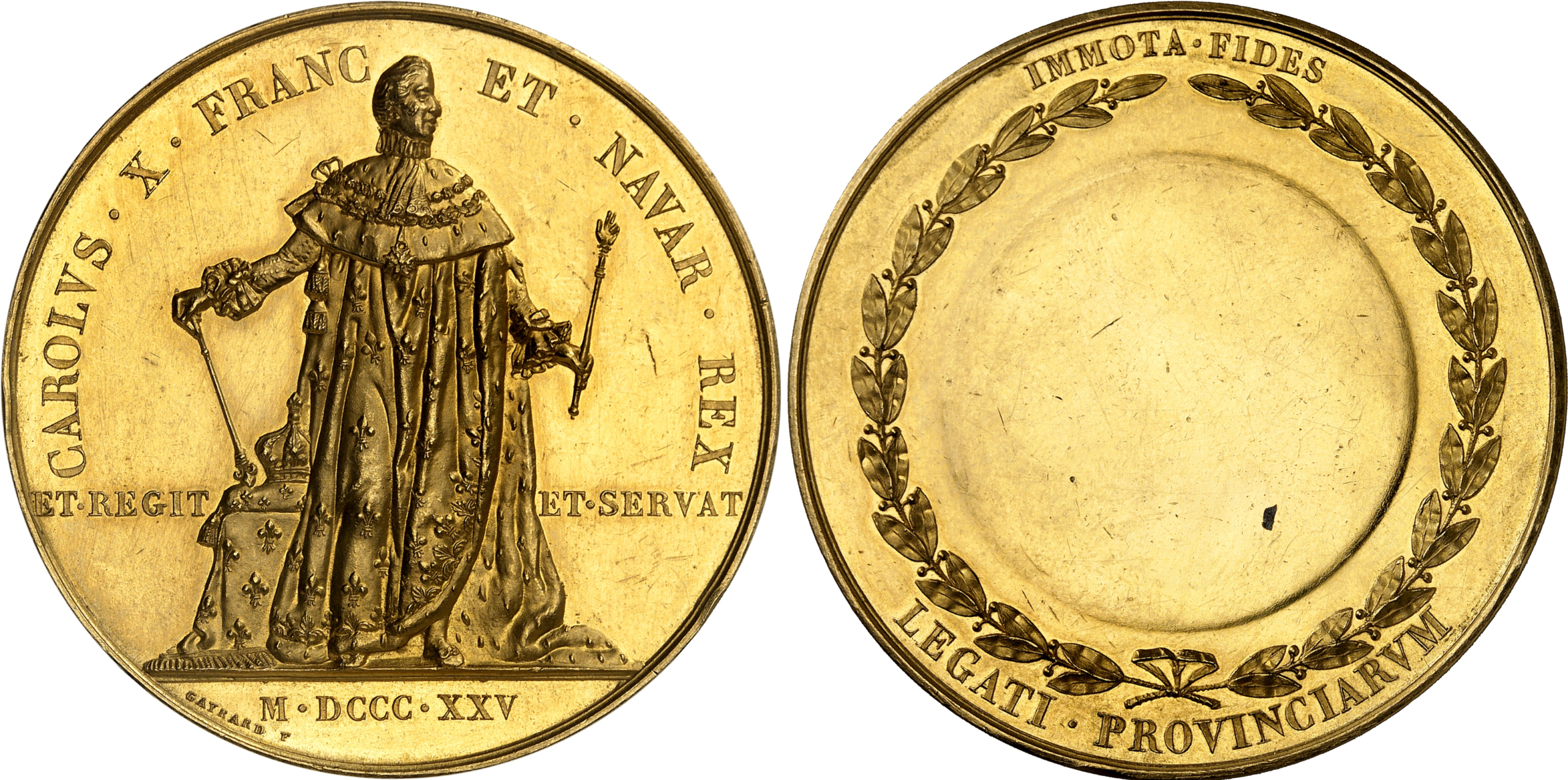
Goldmedaille 1825, von F. Gayrard.
Auf die Krönung von Charles X.
Äußerst selten. Kleiner Randfehler und Kratzer,
vorzüglich bis Stempelglanz.
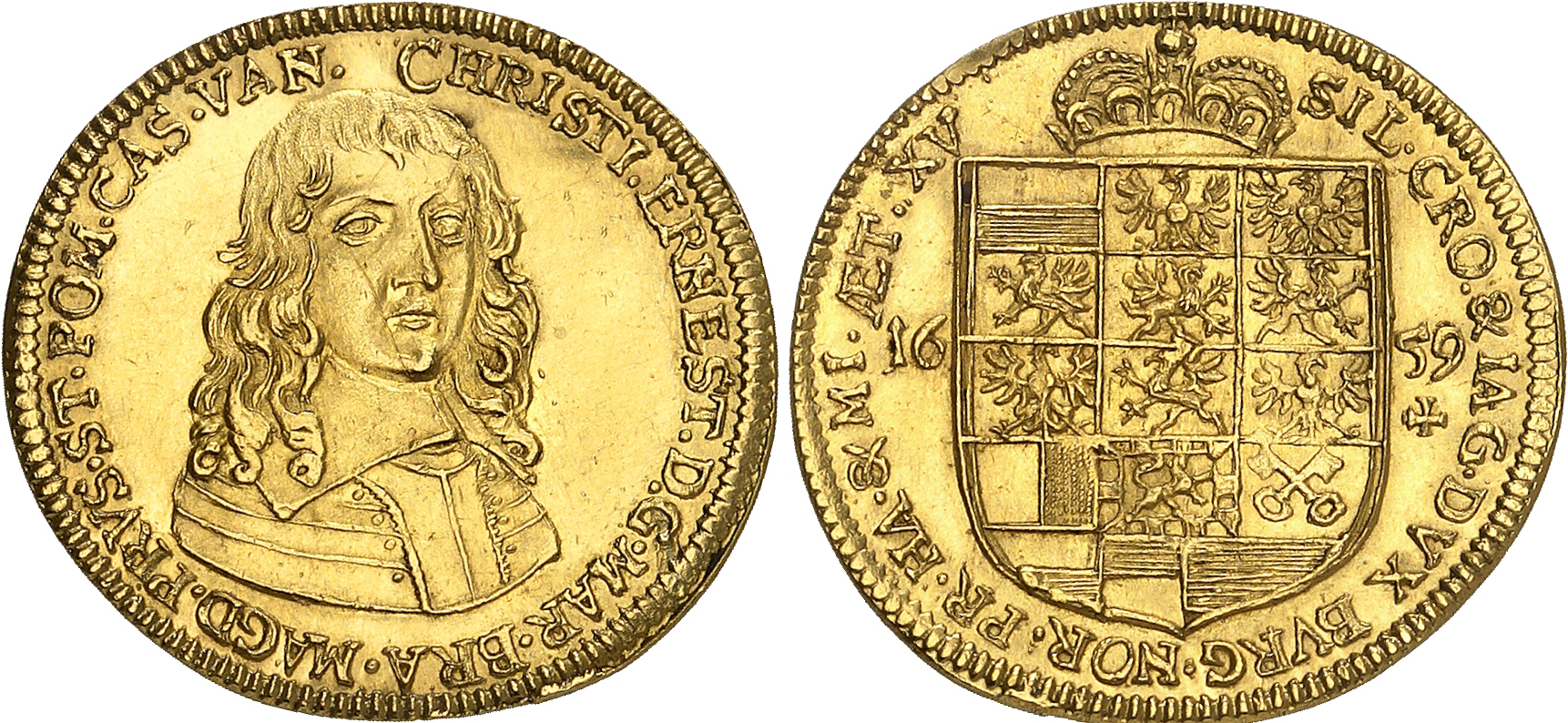
Dukat 1659, Nürnberg.
Sehr selten.
Vorzüglich bis Stempelglanz.

The Silver Coinage of the Gupta Empire and Associated States in Western India: Analysis, Classification and Illustrated Catalogue
Authors Ian J. Todd and A.M. Fishman have published a new book on the silver coinage of the Gupta Empire and associated states in western India. Read their announcement here.
The Numismatic World Meets in Madrid: The Second Evento Numismático International
The second Evento Numismático Internacional will take place in Madrid at the end of June. This unique combination of coin fair and conference already attracted numerous visitors from around the world at its premiere last year. This time, Ursula Kampmann will lead an international session dedicated to change in the numismatic world.
Daniel Neuberger and the Art of Deception – Exhibition at the Kunsthistorisches Museum
The Kunsthistorisches Museum Vienna is currently showing a special exhibition about Daniel Neuberger. Neuberger (1621–1680) was one of the most important and versatile artists at the imperial court in Vienna, where he worked as a wax sculptor, portraitist, and lapidary for Emperor Ferdinand III and his sons Ferdinand IV and Leopold I. more
The Nasser D. Khalili Collection of Islamic Coins: Now Available Online
The Khalili Collections are in the process of digitizing the Nasser D. Khalili Collection of Islamic coins, one of the largest private collections in this field. Over the next two years, around 13,000 coins will be made available on the official website, which already features 2,280 coins.
Poetic Machines: Swissmint Honors Jean Tinguely
Steel, wheels, movement, order and chaos – Swiss artist Jean Tinguely was fascinated by the poetry of machines, which he captured in his kinetic machine sculptures. To mark what would have been his 100th birthday, Swissmint is honoring the exceptional artist with a silver coin.
Bimetallic Coin Celebrates 150 Years of the Swiss Federal Supreme Court
With a 10-franc bimetallic coin, Swissmint commemorates the founding of the Federal Supreme Court of Switzerland 150 years ago. The coin is available today.