







Münzen, Medaillen und mehr
 https://new.coinsweekly.com/wp-content/uploads/2026/10/00bearb_05309q00-1.jpg
684
860
Marc Culas
https://new.coinsweekly.com/wp-content/uploads/2023/01/logo-coinsweekly_590x204.png
Marc Culas2026-10-13 14:36:312026-10-13 14:36:31
https://new.coinsweekly.com/wp-content/uploads/2026/10/00bearb_05309q00-1.jpg
684
860
Marc Culas
https://new.coinsweekly.com/wp-content/uploads/2023/01/logo-coinsweekly_590x204.png
Marc Culas2026-10-13 14:36:312026-10-13 14:36:31 https://new.coinsweekly.com/wp-content/uploads/2026/10/00bearb_lvr-abr-roemischer-muenzschatz-wesseling-detail-1.jpg
684
860
Marc Culas
https://new.coinsweekly.com/wp-content/uploads/2023/01/logo-coinsweekly_590x204.png
Marc Culas2026-10-07 09:57:242026-10-07 09:57:24
https://new.coinsweekly.com/wp-content/uploads/2026/10/00bearb_lvr-abr-roemischer-muenzschatz-wesseling-detail-1.jpg
684
860
Marc Culas
https://new.coinsweekly.com/wp-content/uploads/2023/01/logo-coinsweekly_590x204.png
Marc Culas2026-10-07 09:57:242026-10-07 09:57:24Menschen und Märkte

aus einem alten Händlerlager
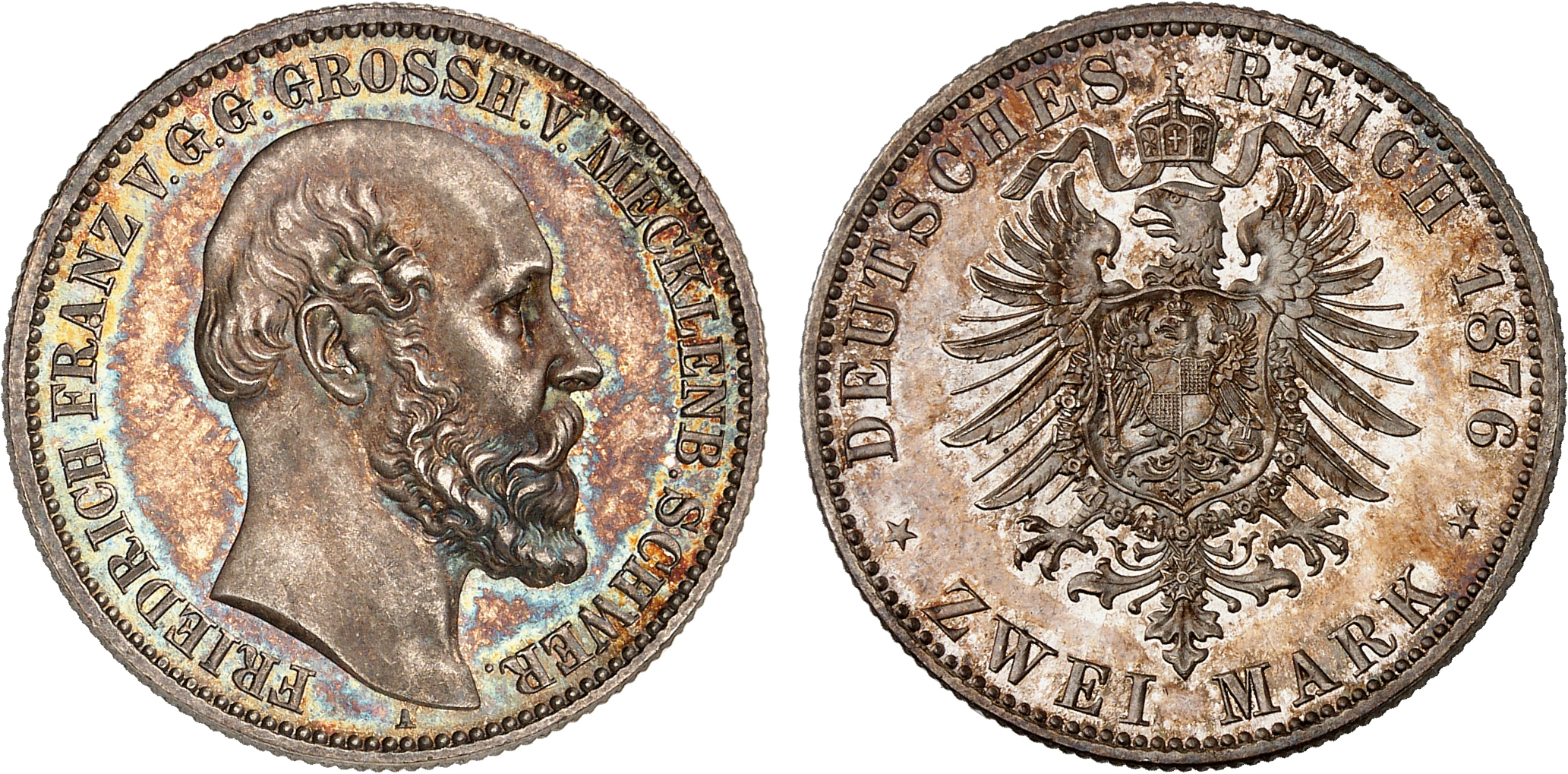
Mecklenburg-Schwerin.
2 Mark 1876.
Erstabschlag. Stempelglanz.
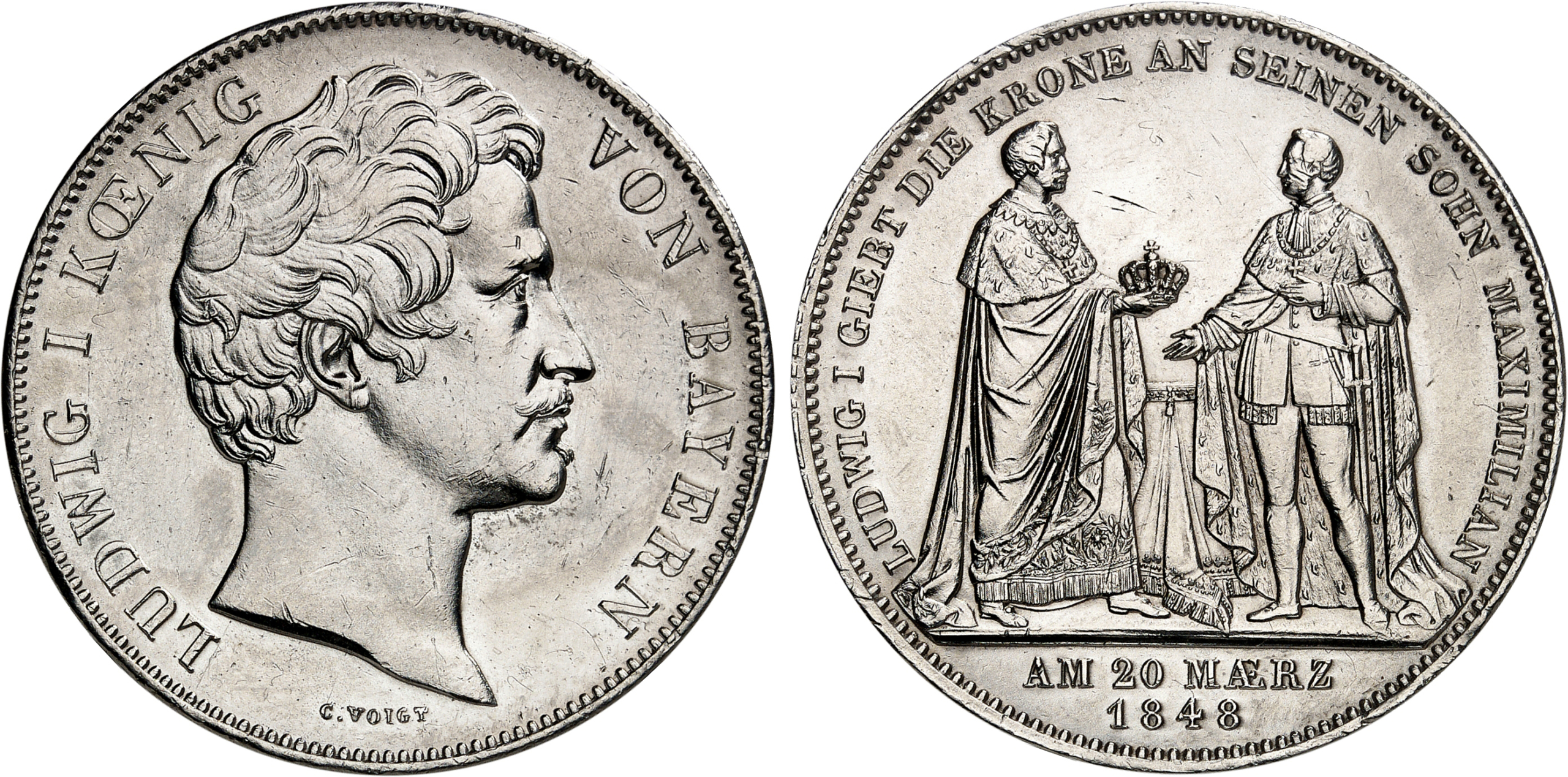
Bayern.
Geschichtsdoppeltaler 1848.
Sehr selten.
Vorzüglich.
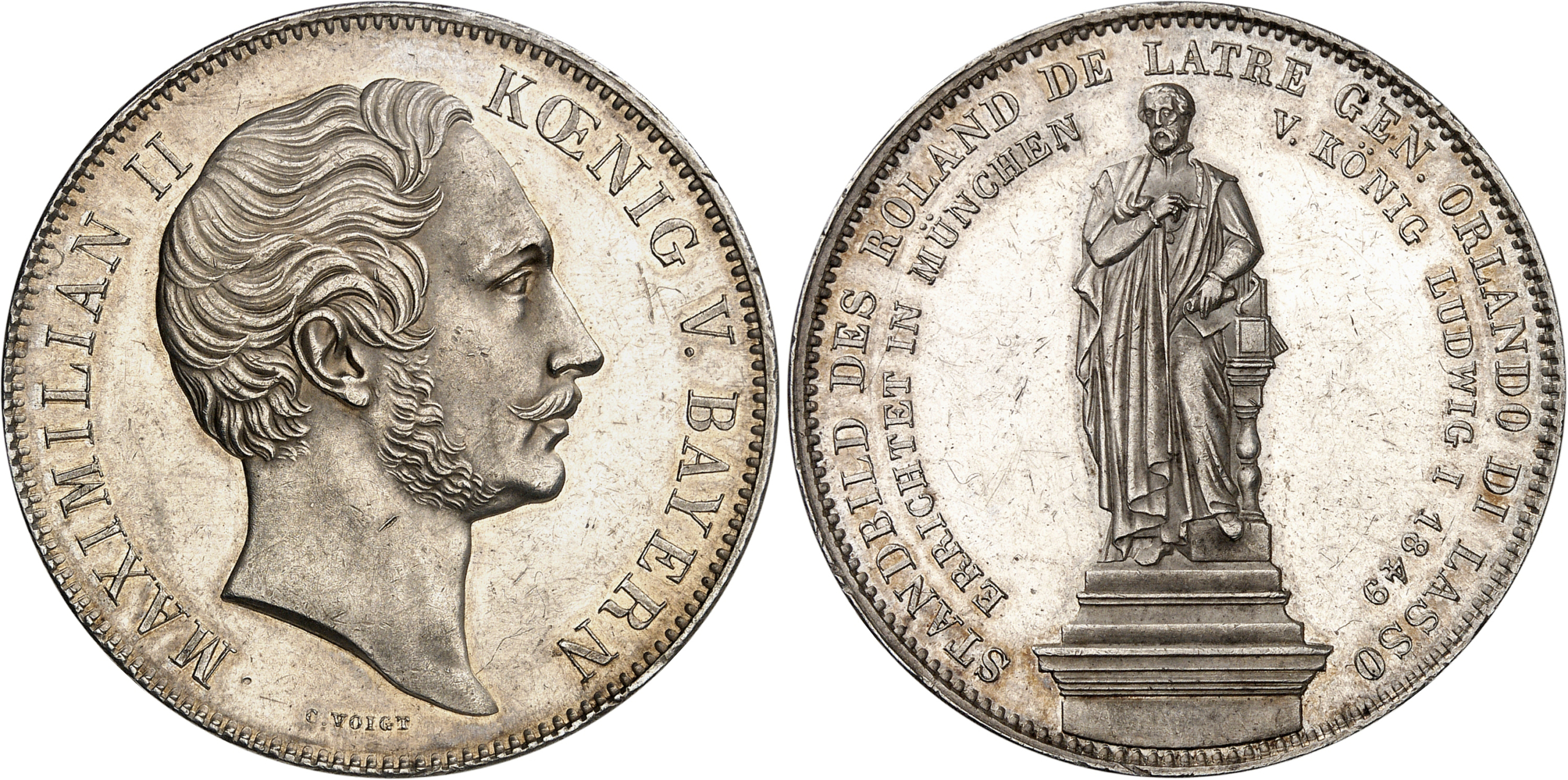
Bayern.
Geschichtsdoppeltaler 1849.
Vorzüglich bis Stempelglanz.
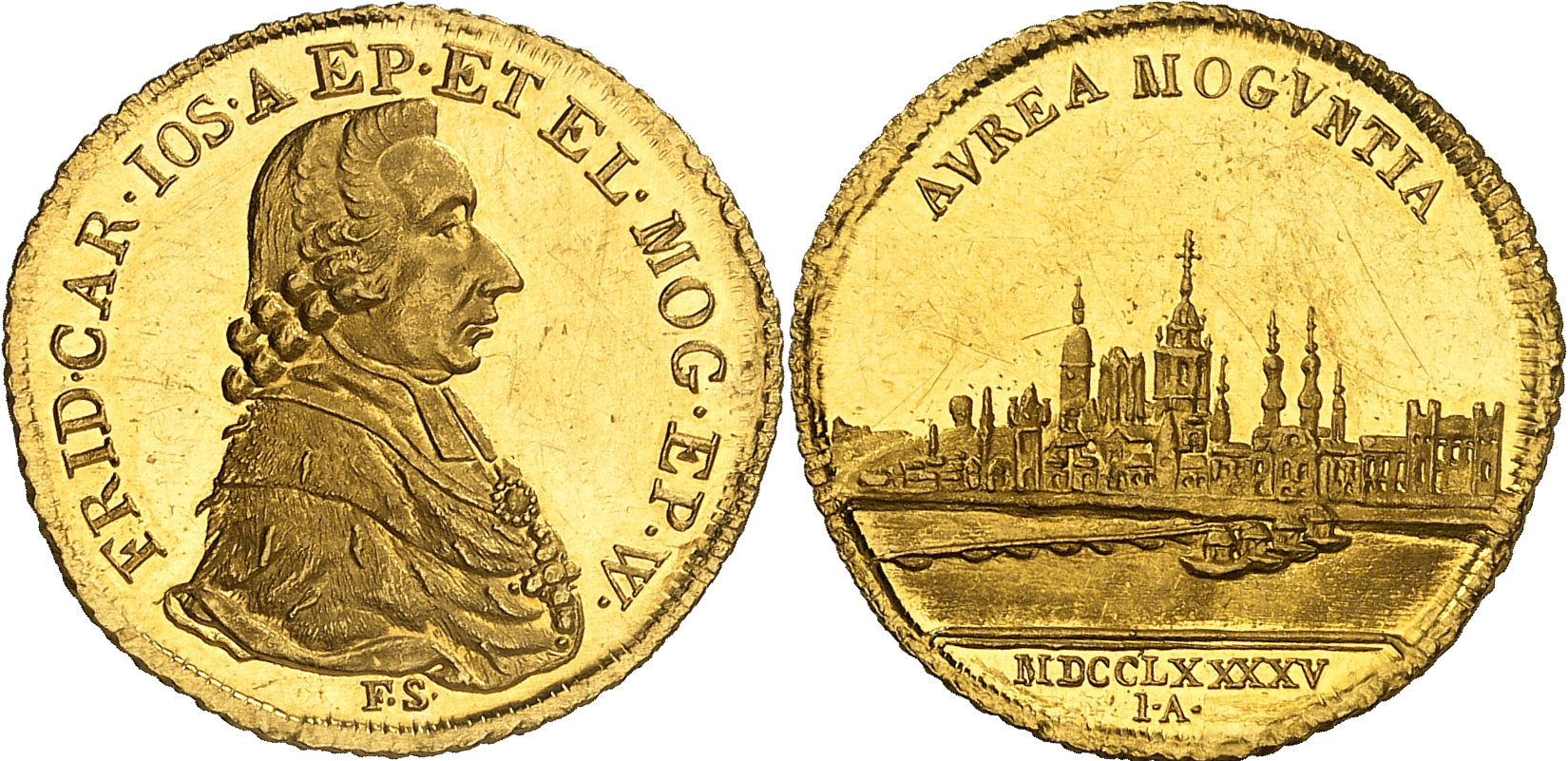
Mainz.
Dukat 1795.
Vorzüglich bis Stempelglanz.
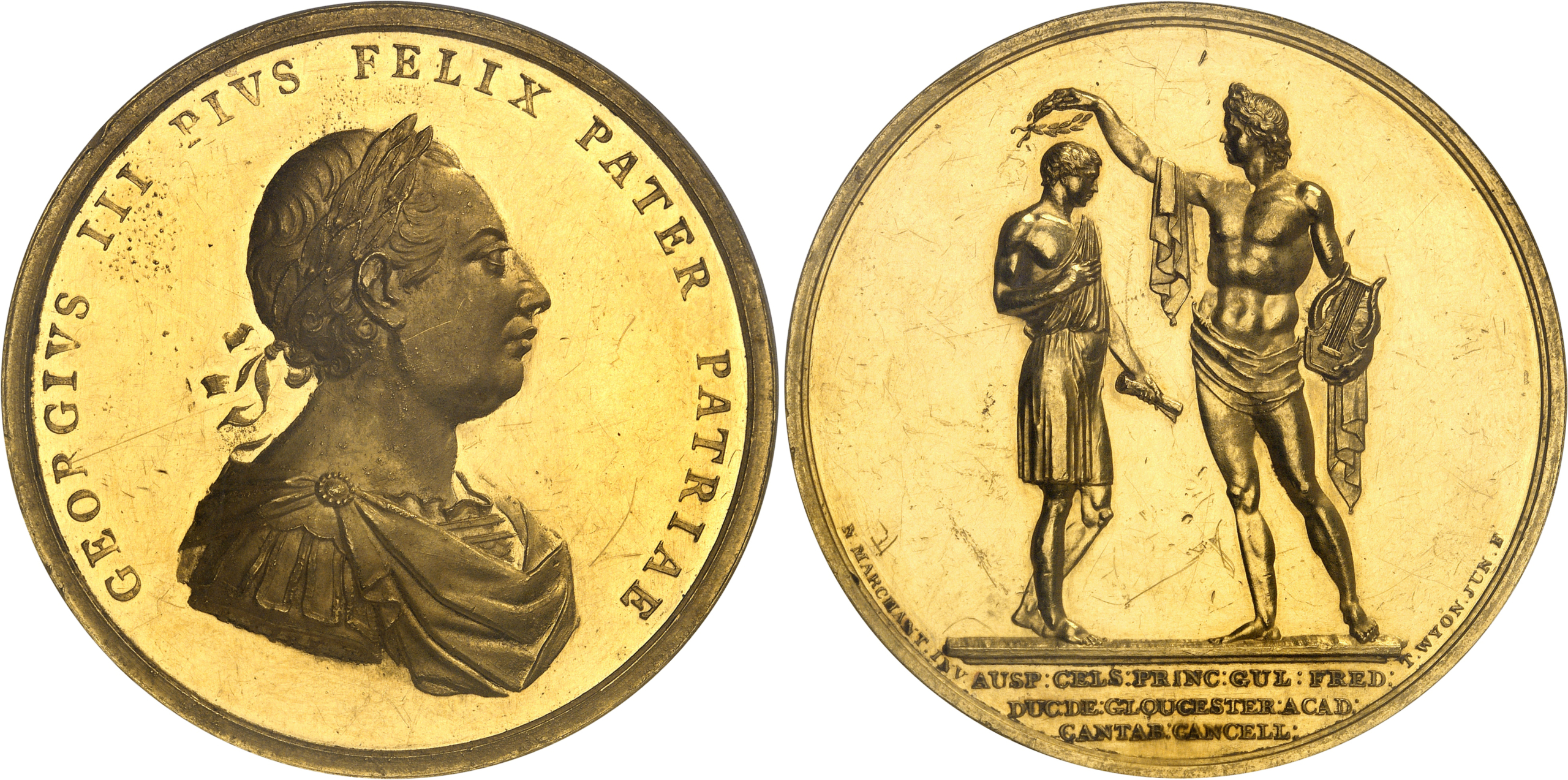
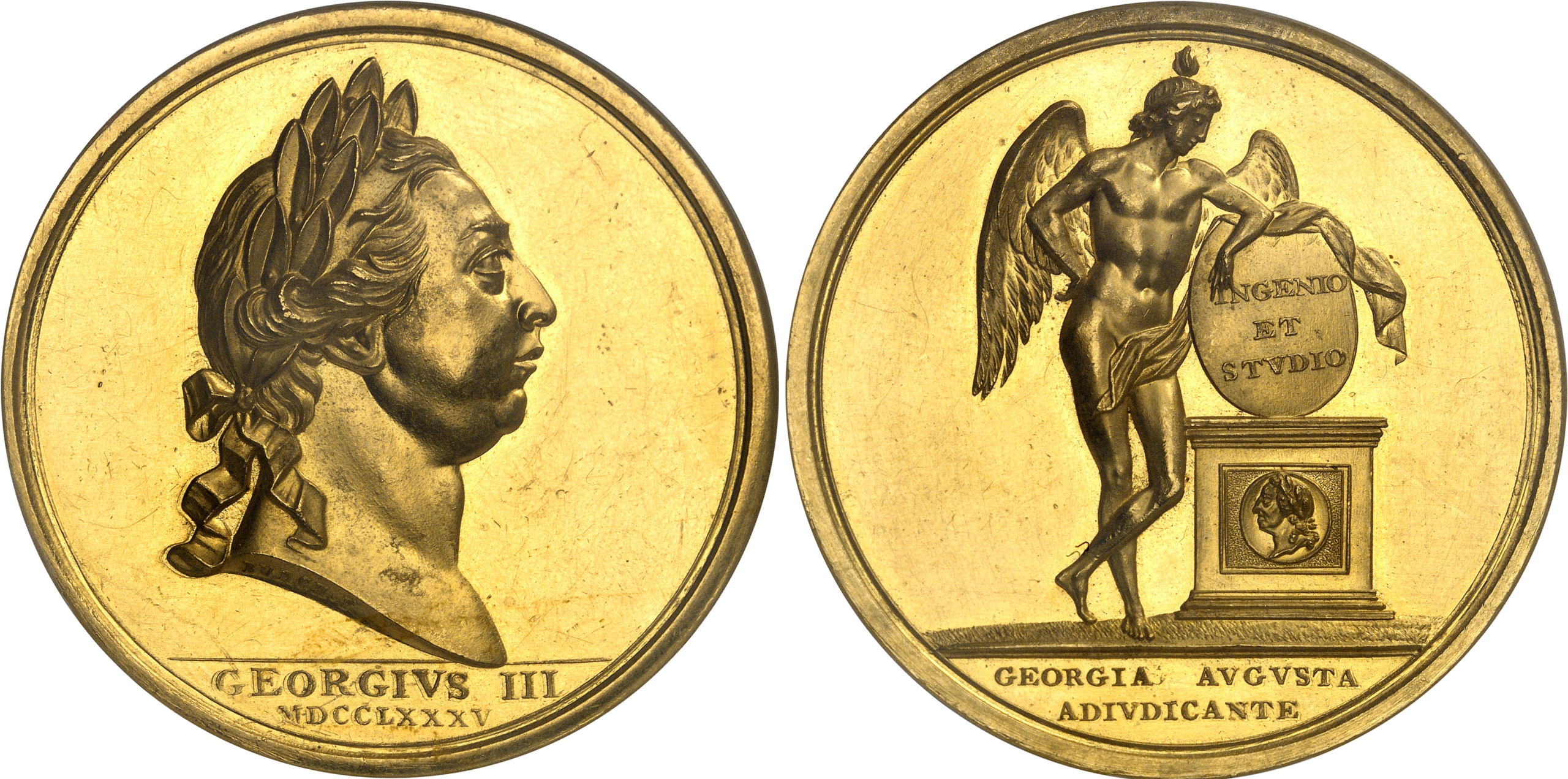
Goldmedaille o. J. (1768), von J. Kirk und T. Wyon jun.
Auf die Ernennung des Herzogs William Frederik
von Gloucester zum Kanzler der Universität Cambridge.
Äußerst selten. NGS MS60, fast Stempelglanz.
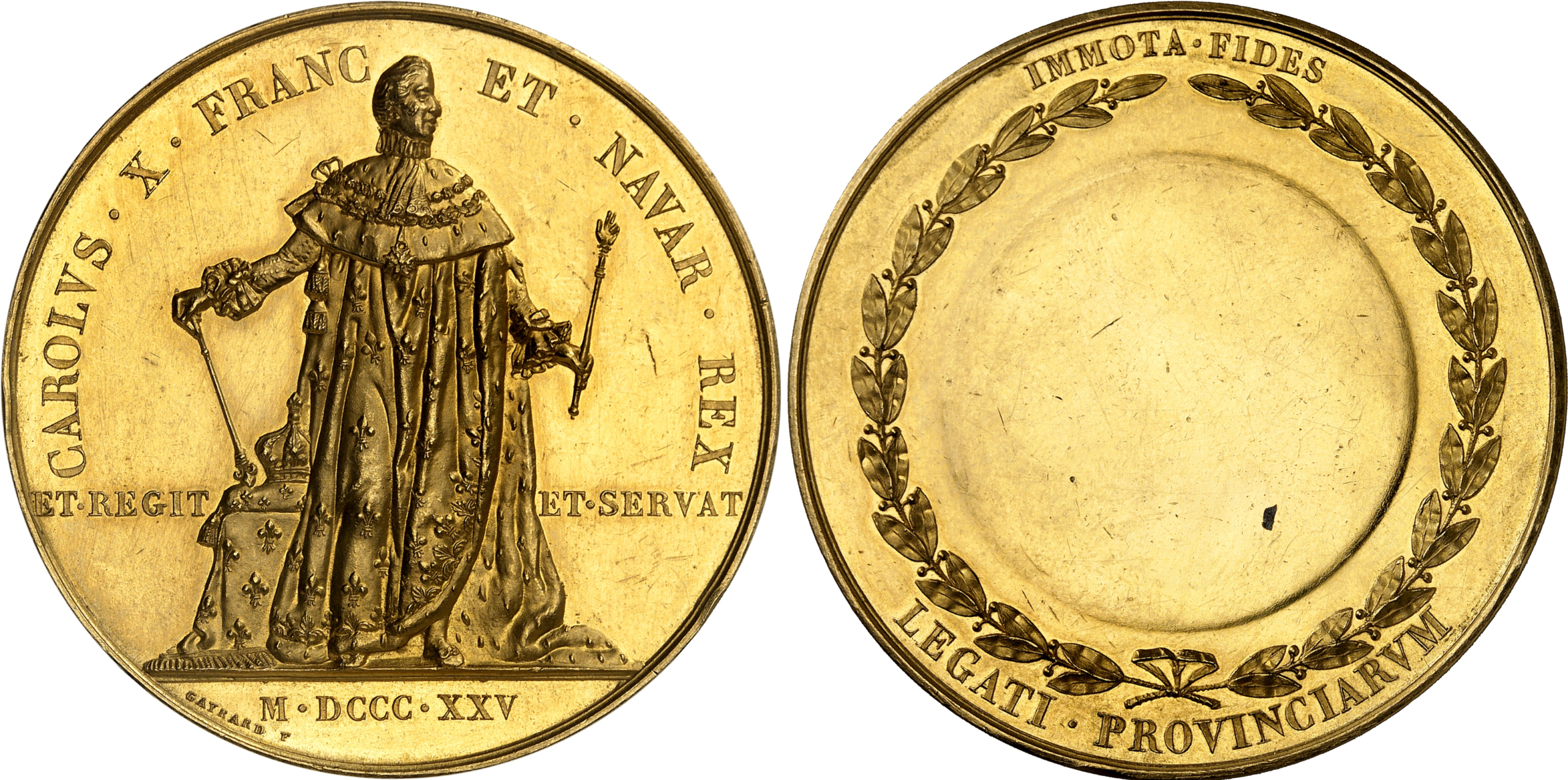
Goldmedaille 1825, von F. Gayrard.
Auf die Krönung von Charles X.
Äußerst selten. Kleiner Randfehler und Kratzer,
vorzüglich bis Stempelglanz.
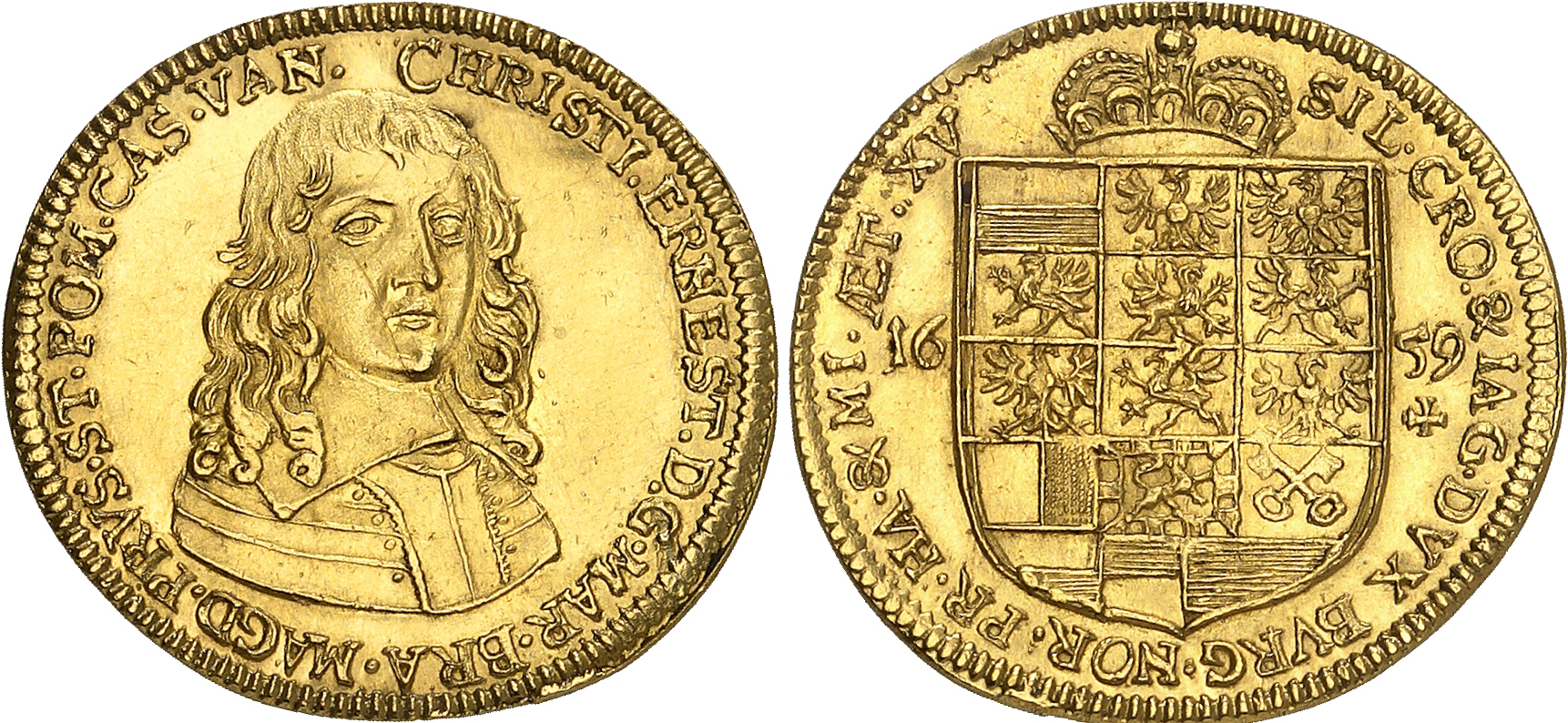
Dukat 1659, Nürnberg.
Sehr selten.
Vorzüglich bis Stempelglanz.

London Museum Receives Roman Artefacts and £20 Million
The London Museum receives generous support. Bloomberg Philanthropies is providing not only £20 million, but also more than 14,000 Roman artifacts that were unearthed prior to the construction of its London headquarters in the heart of the city – at the site where the Temple of Mithras once stood.
PNG Advisory: No, You Don’t Have A $124 Million Penny
Recent online stories about pennies allegedly worth $124 million and billion-dollar 1976 Bicentennial quarter dollars are either false or grossly misleading, advises the Professional Numismatists Guild.
Pop Culture & Coins Unite! The National Coin Week 2025
What do Homer Simpson, the Olympic games, Elvis Presley, and Superman have in common? They’ve all been featured, or will soon be featured, on coins. This year’s annual National Coin Week, April 20-26, 2025, explores the fascinating ways pop culture influences money.
Numisma – Zoom Seminars of the Australian Centre for Ancient Numismatic Studies
Registration is now open to attend the upcoming zoom seminar series of the Australian Centre for Ancient Numismatic Studies (ACANS). Everyone interested in the study of ancient coins is welcome and encouraged to join the online lecture series. Find the upcoming lectures here.
Precious Metals Future Forum 2025: Between Geopolitical Uncertainty and Digital Transformation
The inaugural Precious Metals Future Forum in Frankfurt has highlighted how profoundly the precious metals industry is undergoing change – economically, geopolitically, and technologically.
Caribbean Guilder: Joint Currency Introduced for Curaçao and Sint Maarten
The new currency replaces the Antillean Guilder, retains its value, and is pegged to the US dollar – with fresh designs inspired by the sea and local culture.