







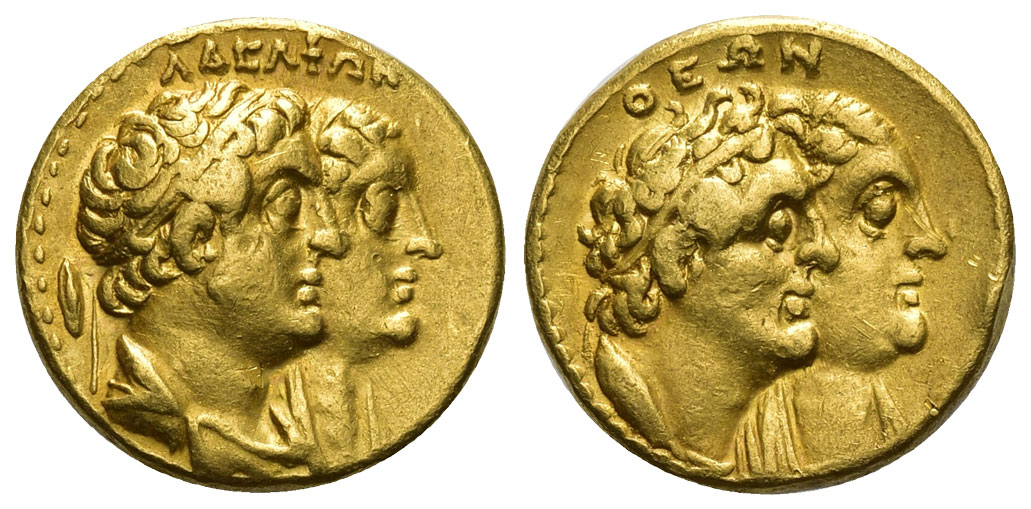
AV Tetradrachm (282–272 BC),
King Ptolemy II and Queen Arsinoe II.
From the major collection of Alexandria mint.
Condition: vf+
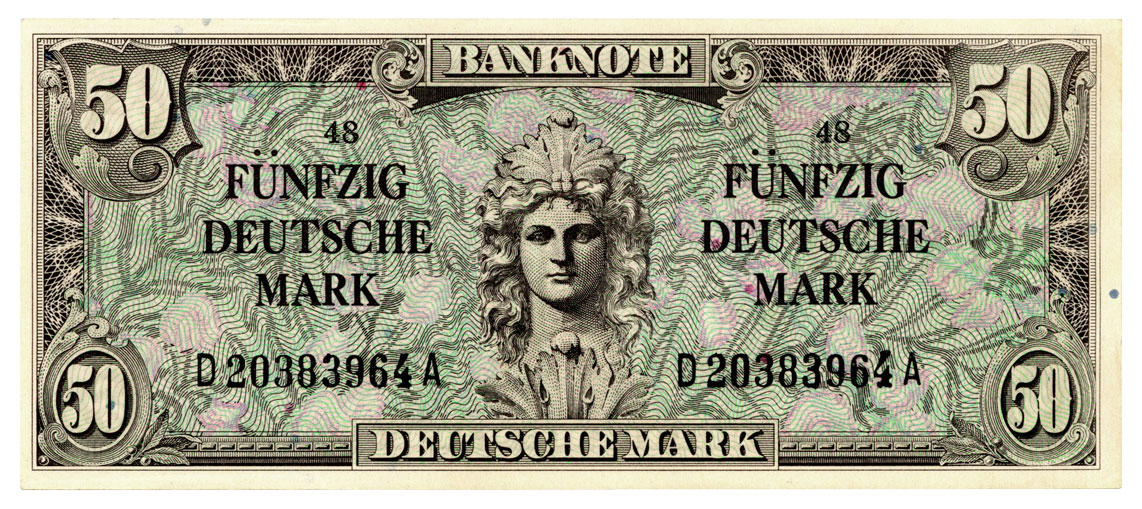
50 Deutsche Mark o.D. ( 1948-1949) "Liberty".
Condition: extremly rare, I
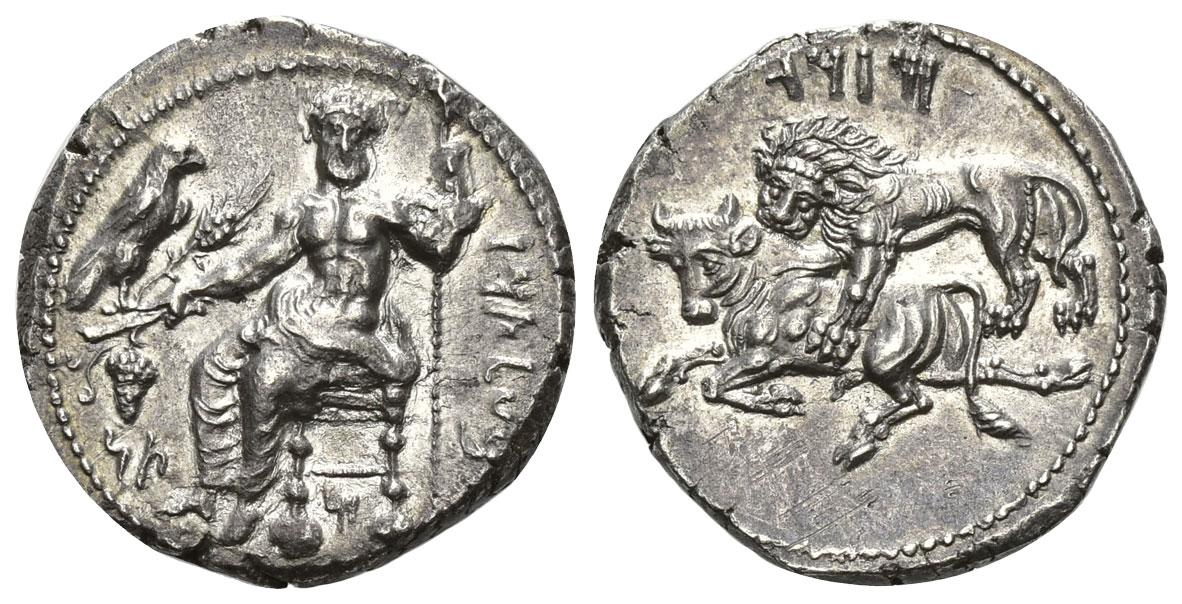
AR Stater (361-334 BC).
Obv. Baal of Tarsos.
Conditon: ef
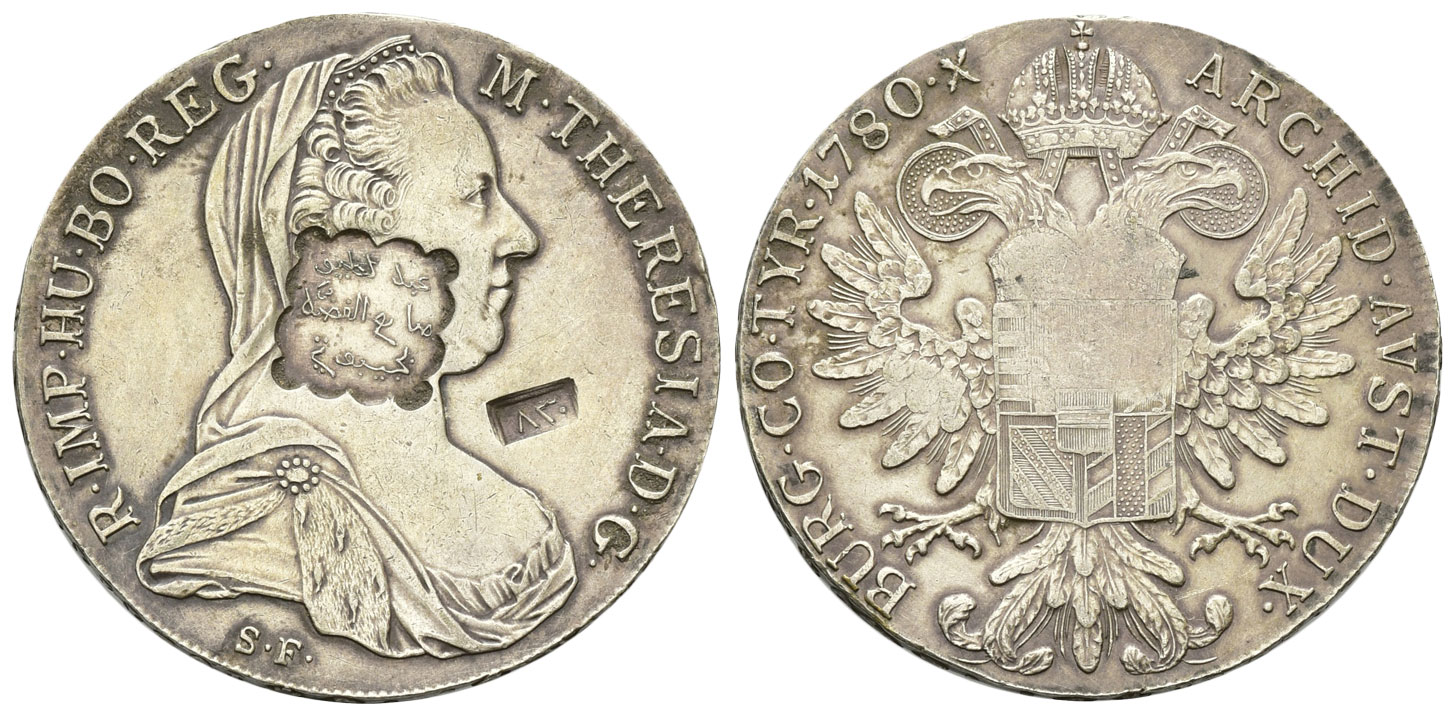
Taler 1780 SF
with counter stamp Djibouti (1870-1900).
Condition: vf
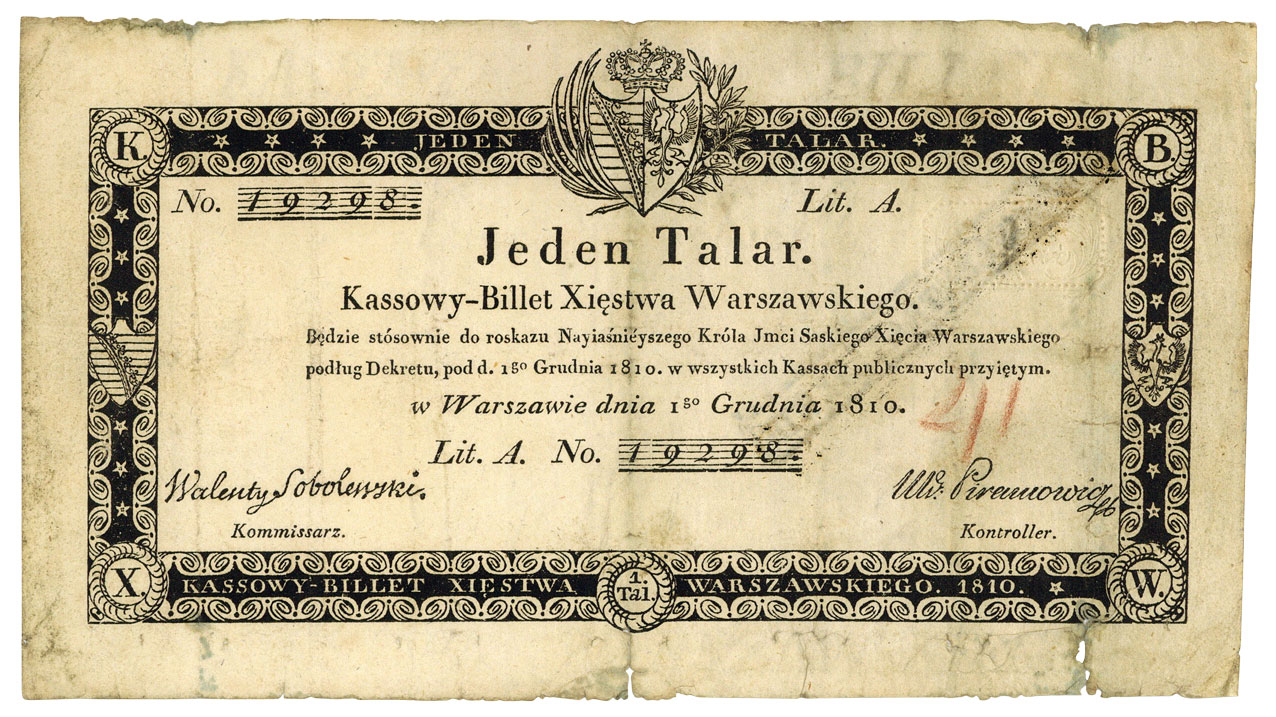
1 Talar 1. December 1810.
Condition: III-IV
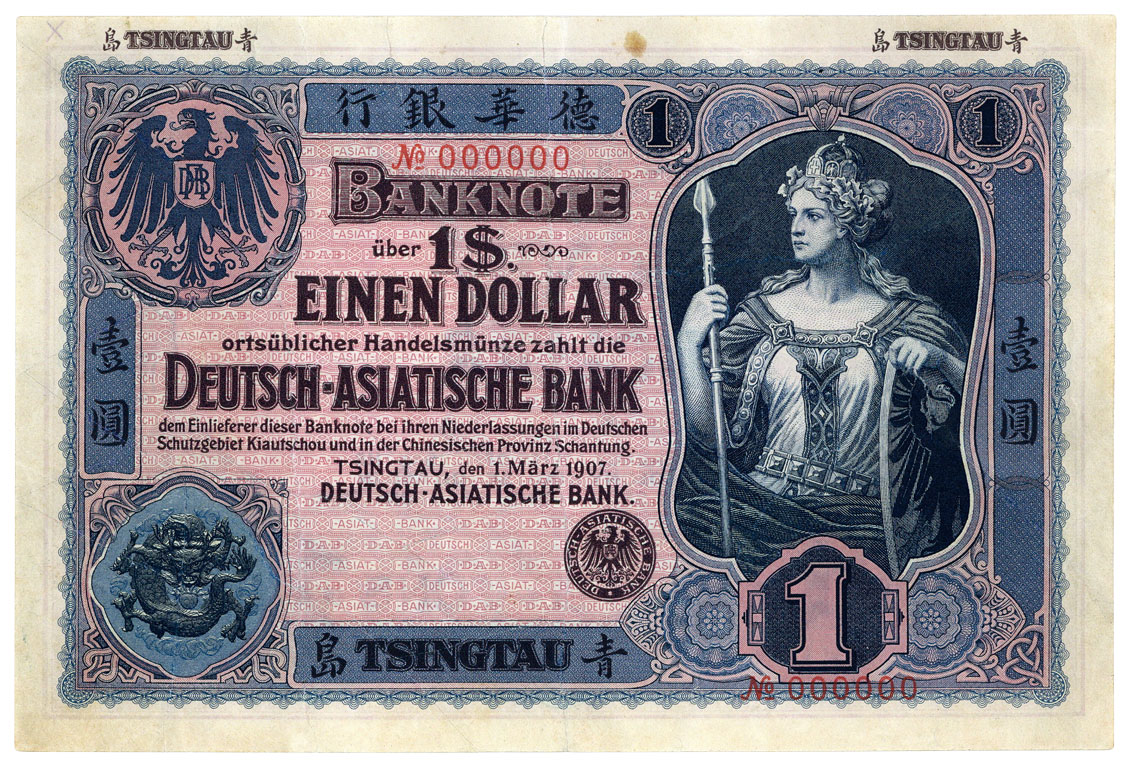
1 Dollar 1.3.1907, Tsingtao.
Condition: very rare, restored
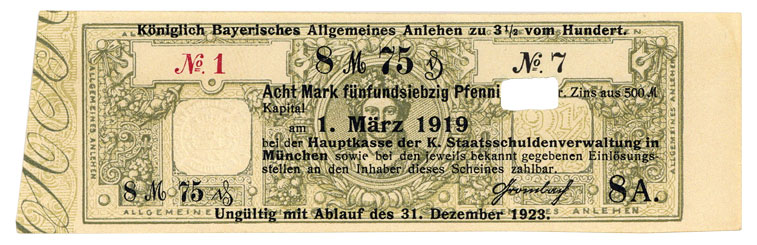
Royal Bavarian General Loan.
8.75 Marks, March 1, 1919.
Condition: rare, I
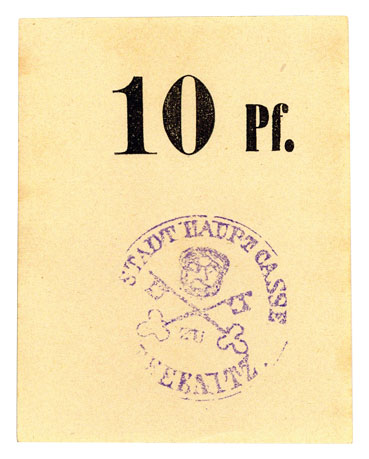
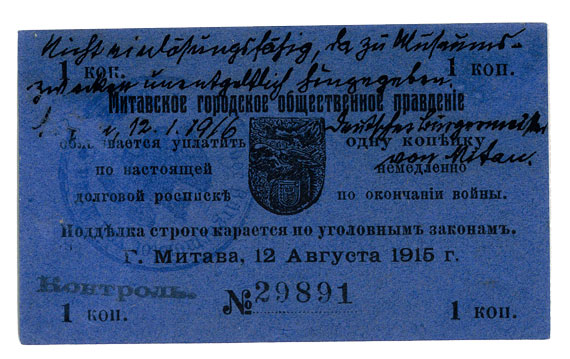
Archive: People and Markets
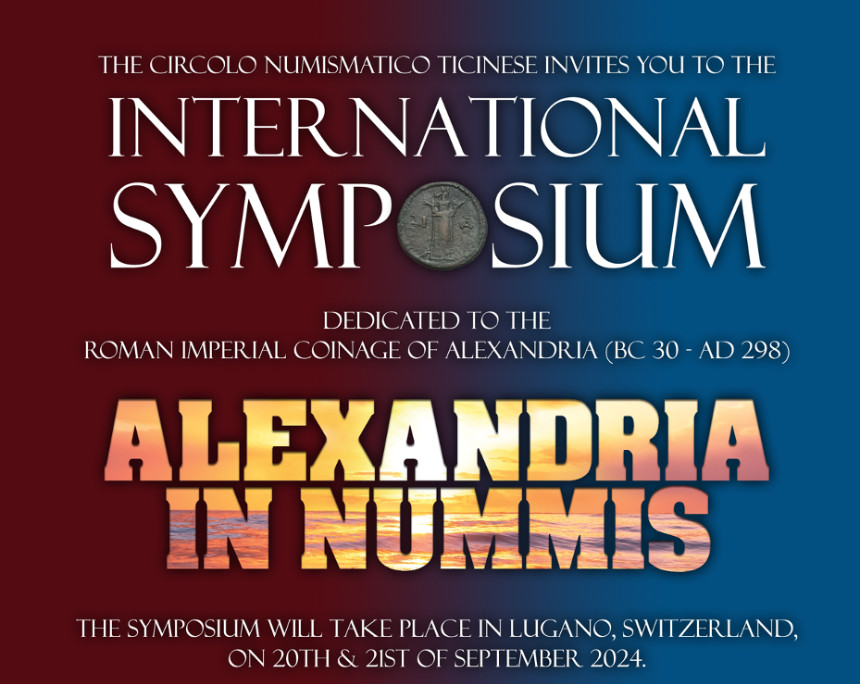
“Alexandria in Nummis”– Impressions from the Symposium in Lugano
On 20 and 21 September, the Circolo Numismatico Ticinese (CNT) held an international symposium in Lugano dedicated to the Roman Imperial Coinage of Alexandria. Fabrizio Rossini, CNT president, shares his impressions of the event.
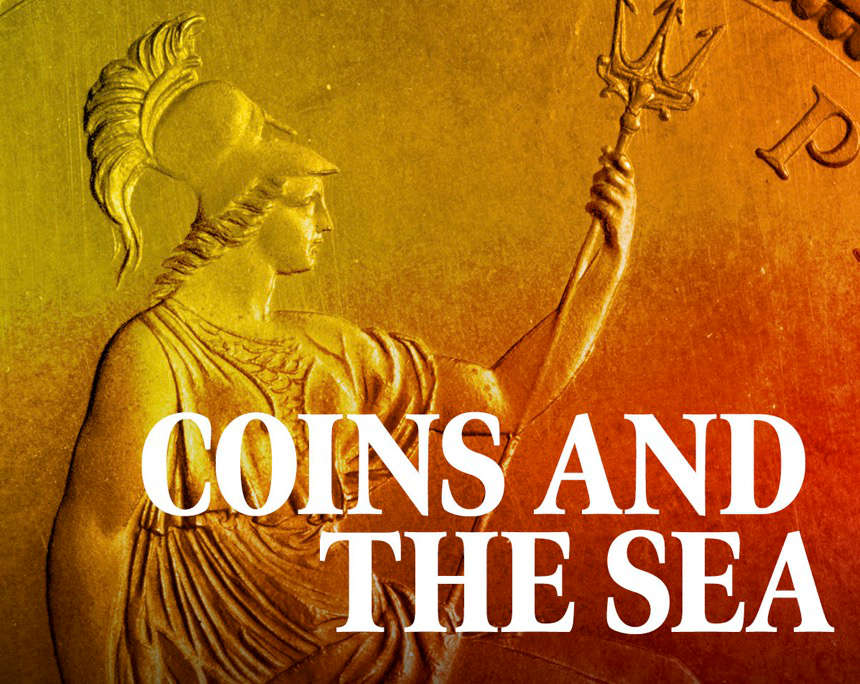
Numismatics for the Ears: The Royal Mint Museum Explores Britain’s Seafaring History in New Podcast
The Royal Mint Museum has launched its first-ever podcast series, called “Coins and the Sea.” The podcast is part of a wider project, which includes a temporary exhibition at The Royal Mint Experience.
Archive: Coins, Medals and more
 https://new.coinsweekly.com/wp-content/uploads/2024/09/2024KW36HA_00.jpg
684
860
Lucie Loechel
https://new.coinsweekly.com/wp-content/uploads/2023/01/logo-coinsweekly_590x204.png
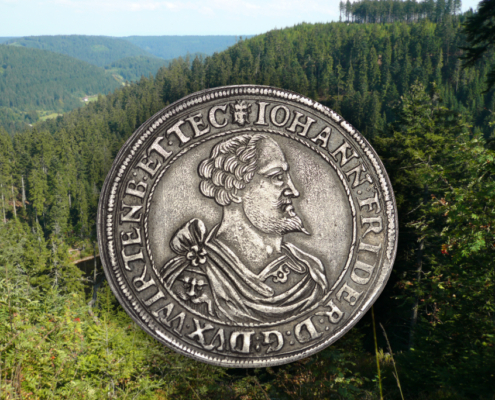
Lucie Loechel2024-09-05 10:46:502024-09-05 13:34:39Silver for Württemberg
https://new.coinsweekly.com/wp-content/uploads/2024/09/2024KW36HA_00.jpg
684
860
Lucie Loechel
https://new.coinsweekly.com/wp-content/uploads/2023/01/logo-coinsweekly_590x204.png
Lucie Loechel2024-09-05 10:46:502024-09-05 13:34:39Silver for Württemberg
Between Tradition and the Demands of a New Economic World
The 32nd Mint Directors Conference took place in Cape Town from April 27th to 29th, 2025. It was the highlight of my numismatic journey through South Africa. In an international context, South Africa presented itself as a promising country of (numismatic) opportunities.
An “Error Coin” No Collector Is Happy About
The quality of the country’s collector coins is the subject of heated debate in Germany. This regards silver coins and colour issues. But the problem is not limited to German mints – the phenomenon of “milk spots” in particular is a major concern for coin producers around the world.