






Archive: People and Markets
Call for Paper: Explain How Money Helped Building National Identity
How have coinage or paper currency been used to create or modify national identity in history? That is the topic of the Sundman Lecture Symposium at the 2023 ANA’s World’s Fair of Money. Any ideas? Submit your summary!
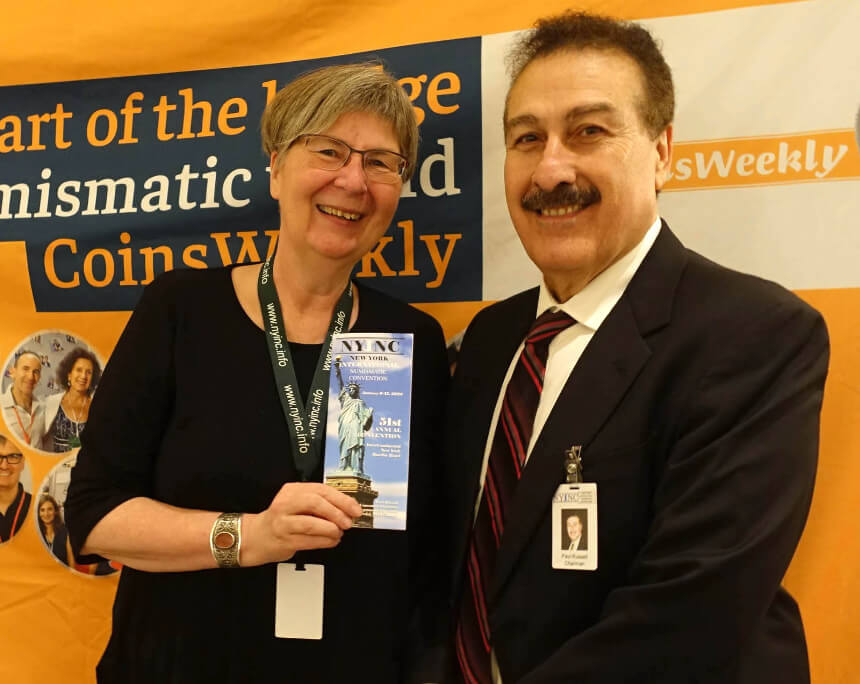
NYINC: The Favourite of All Those Who Love Ancient Coins
Why is the New York International Numismatic Convention the top place to go when it comes to ancient coins? Ursula Kampmann has the answer and explains what will be new and different in New York in 2024.

Acquisition of a Highly Significant Ensemble for the Coin Cabinet in Vienna
The Kunsthistorisches Museum has acquired 22 coins of the imperial couple Regalianus and Dryantilla and made them digitally accessible. This is all the more impressive considering that only about 160 coins of this imperial couple are known worldwide. These are the only Roman coins that were minted in what is now Austria.
Donald Trump: Now Also a Coin Dealer and Designer
Supporters of the Republican US presidential candidate Donald Trump can now show their backing numismatically: following sneakers and trading cards, Trump has now launched a commemorative medal under the “Trump Coins” brand.