






Archive: People and Markets
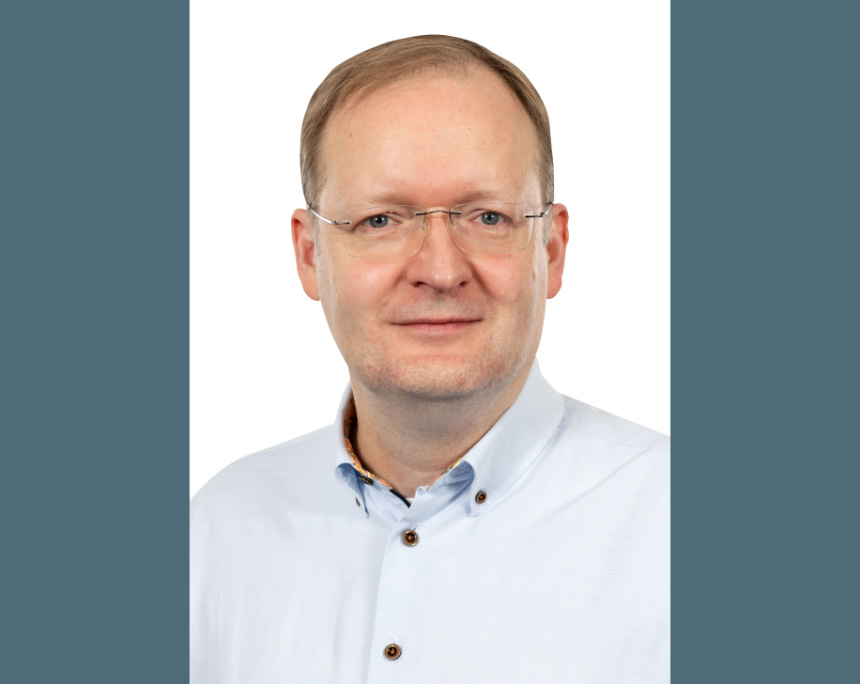
A New Member to Join the SINCONA Team: Michael Otto
The SINCONA team is excited to welcome a new member. As of 1 January 2025, Michael Otto is working at the SINCONA Group’s headquarters in Zurich. He is looking forward to taking over the position as Head of Numismatics.
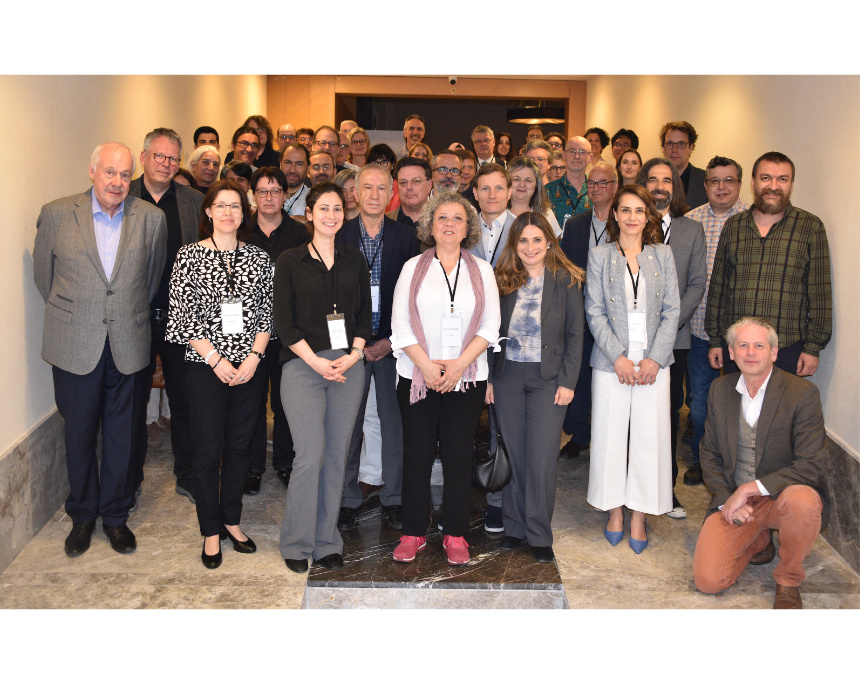
A Numismatic Congress That Will Be Remembered
The 3rd International Congress on the History of Money and Numismatics of the Research Center for Mediterranean Cultures (AKMED) took place in Antalya at the beginning of April. Prof. Johannes Nollé reports on why he believes this congress will remain unforgettable for all participants.

Famous Dacian Helmet Stolen – Thieves Blasted Their Way Into the Museum
On the night of 24 to 25 January, a museum in Assen, Netherlands, was targeted by thieves. They stole four important Dacian gold objects from a temporary exhibition – including the famous Coțofenești helmet. Do we have to worry about it being melted down as well?
World Money Fair ‘Minting Experience Centre’: Minting up Close!
The organizers of the World Money Fair have come up with something special for the upcoming event. The new Minting Experience Center that spans over 100 square meters showcases the production steps involved in minting coins. Guests will even have the chance to mint their own World Money Fair collector’s medal.