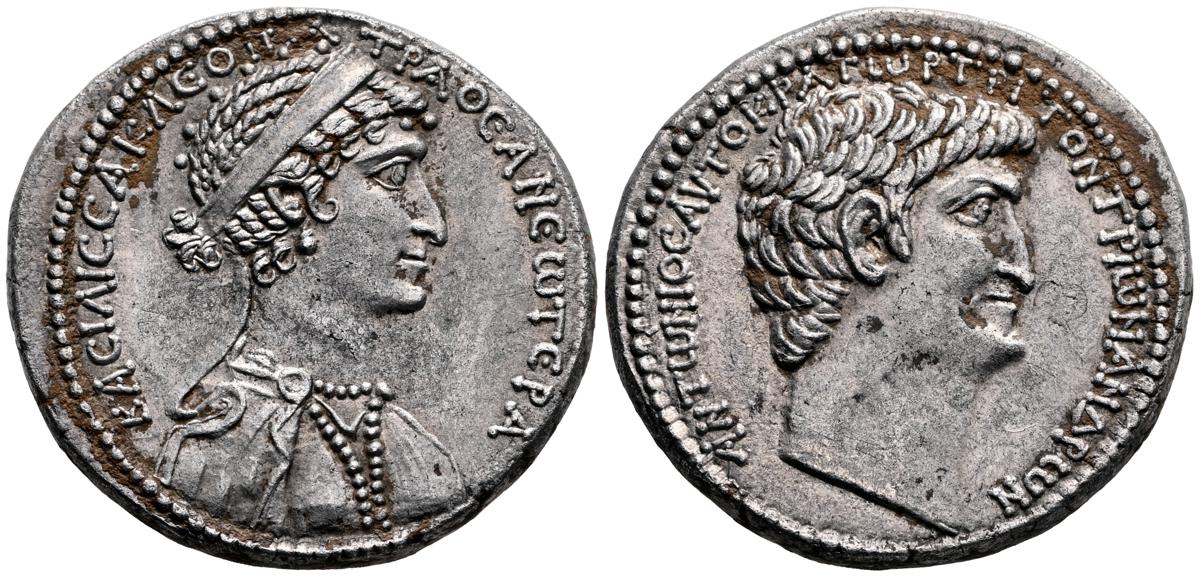
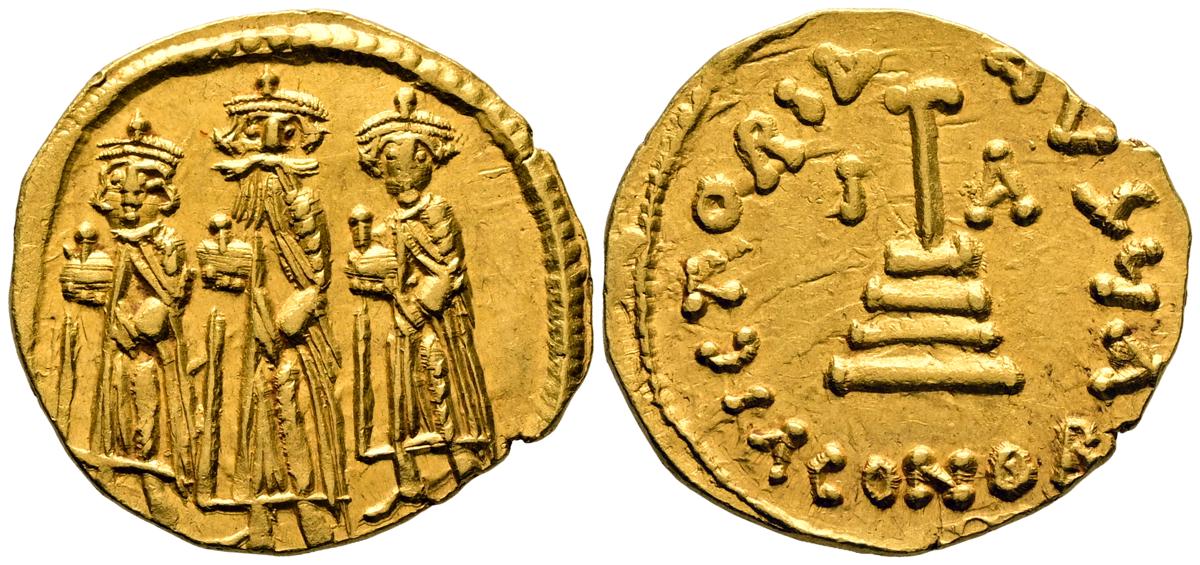
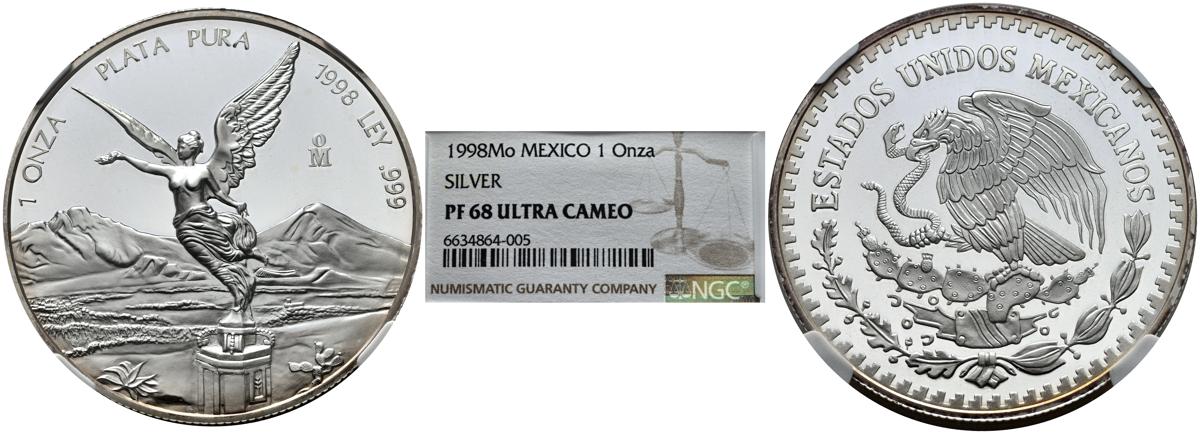
154Prussia. Frederick William IV, 1840–1861.
Gold medal in the weight of 50 ducats
commemorating the publication of the second volume
of Alexander von Humboldt’s *Kosmos*.
NGC MS 65 PL.
From the estate of Emperor William I.
Estimate: 40.000 Euro

166Prussia. Frederick William IV, 1840–1861.
Gold medal in the weight of 50 ducats commemorating
the unveiling of the equestrian statue of
Frederick the Great on Unter den Linden in Berlin in 1851.
NGC MS 63 PL.
From the estate of Emperor William I.
Estimate: 25.000 Euro

191Prussia. William I, 1861–1888.
General’s Medal in the weight of 120 ducats, 1871,
commemorating the victory over France.
A magnificent specimen.
From the estate of Emperor William I.
Estimate: 75.000 Euro

297Russia. Nicholas I, 1825–1855. Family ruble.
1 1/2 rubles (10 zlotys), 1835, St. Petersburg.
NGC MS 64 (Top Pop).
Only 36 examples struck.
A cabinet piece from polished dies.
From the estate of King Frederick William IV.
Estimate: 250.000 Euro

1098Holland. Province.
5 ducats, 1681.
Struck with the dies of a guilder.
NGC PF 64 Cameo.
Proof.
Estimate: 40.000 Euro

1192HRE. Ferdinand II, 1592–1618–1637.
5 ducats, 1634, Vienna.
Extremely rare.
Extremely fine-uncirculated.
Estimate: 10.000 Euro

1266HRE. Vienna.
Salvator Medal in the weight of 12 ducats,
n. d.(around 1840).
NGC PF 61 CAMEO.
Proof.
Estimate: 15.000 Euro

1334City of Regensburg.
5 ducats, n. d. (1708–1710),
with the title of Joseph I. NGC MS 64.
Extremely rare. According to mint records,
only 7 copies struck.
A magnificent piece.
Estimate: 25.000 Euro

1602German New Guinea.
10 New Guinea Marks, 1895 A.
NGC MS 65.
A magnificent piece.
Estimate: 50.000 Euro

2757Saxony.
John Frederick the Magnanimous and
Maurice, 1541–1547.
Trinity Medal, 1544.
A masterpiece of German medal art. Magnificent,
excellent craftsmanship.
Estimate: 75.000 Euro

Archive: People and Markets
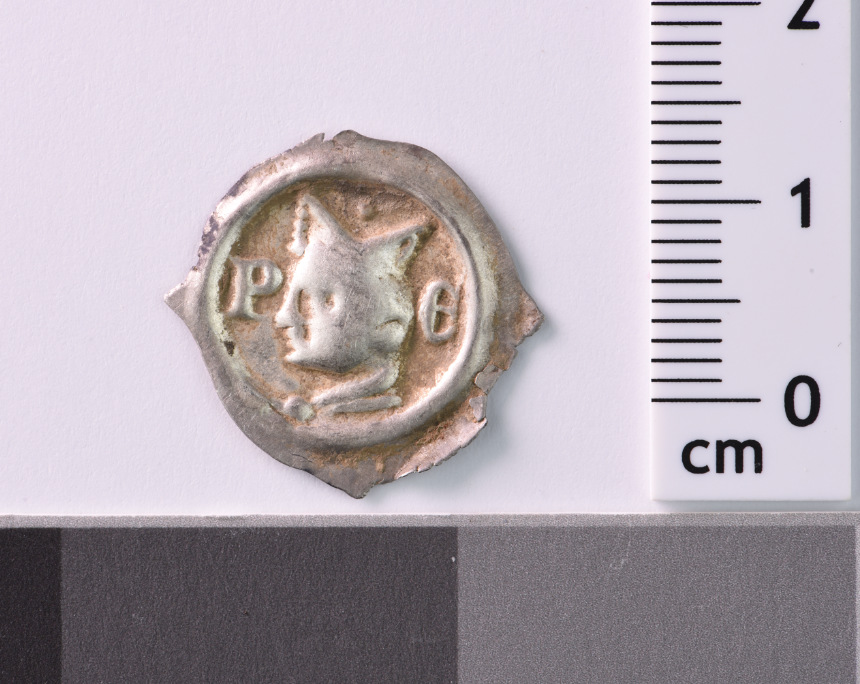
Where Did Silver Come from in Early Medieval Europe?

In the mid-7th century, a veritable silver coin boom set off in the North Sea Region. So far, the question of where the silver for the coins came from was up for speculation. A new study provides concrete results.

Rich and Poor in Early Tudor England

The Met Cloisters takes you into a merchant’s house in 16th-century England. Why did a rich man exhibit images of the poor? Intriguing objects tell us about tastes and self-expression. And you can expect coins to be there too!

Croatian Rulers – A New Coin Series

Croatia is proud of its long and rich history. The Croatian National Bank, in cooperation with the Croatian Mint, is dedicating a new coin series for collectors to their country’s history, focusing on Croatia’s rulers. The first King of Croatia was King Tomislav, who is depicted on the first coin in this series.

Environmental compatibility and sustainability are also playing an increasingly important role in money production. The “Green Banknote” from Giesecke+Devrient contains 86% less plastic and requires 29% less Co2.

G+D Receives IACA Award for the “Green Banknote”

The “Green Banknote”, developed by Giesecke+Devrient, was awarded by the International Association of Currency Affairs as the new best ecological sustainability project in the banknote sector. Why? Read on.

Archive: Coins, Medals and more

Search Search