







Archive: People and Markets
New CCG Office will open in Dubai 2024
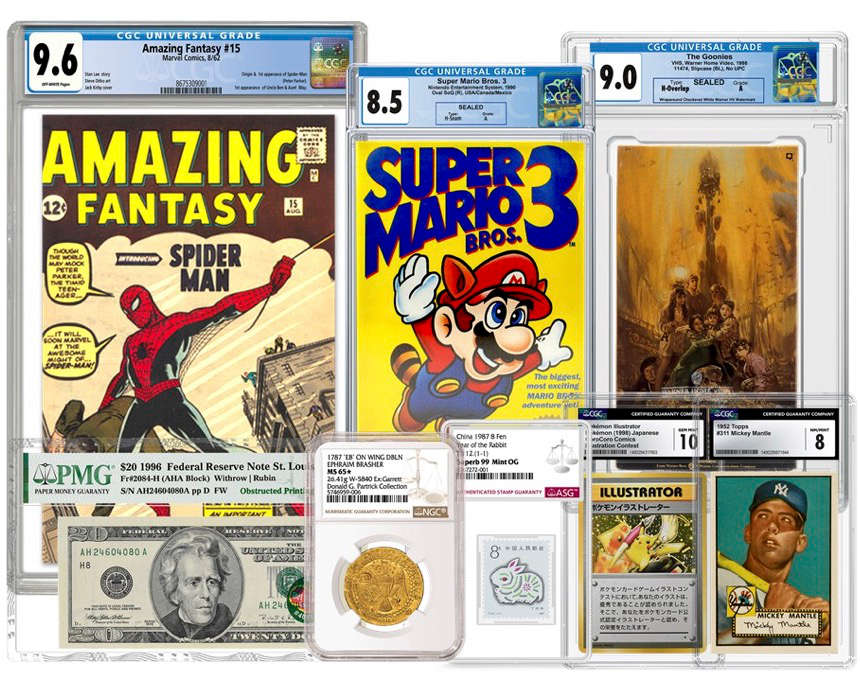
The Certified Collectibles Group will open an office in Dubai in 2024. The new office will make it easier for collectors and dealers in the region to submit to NGC, PMG and CGC.
Swissmint Commemorates Wind Power
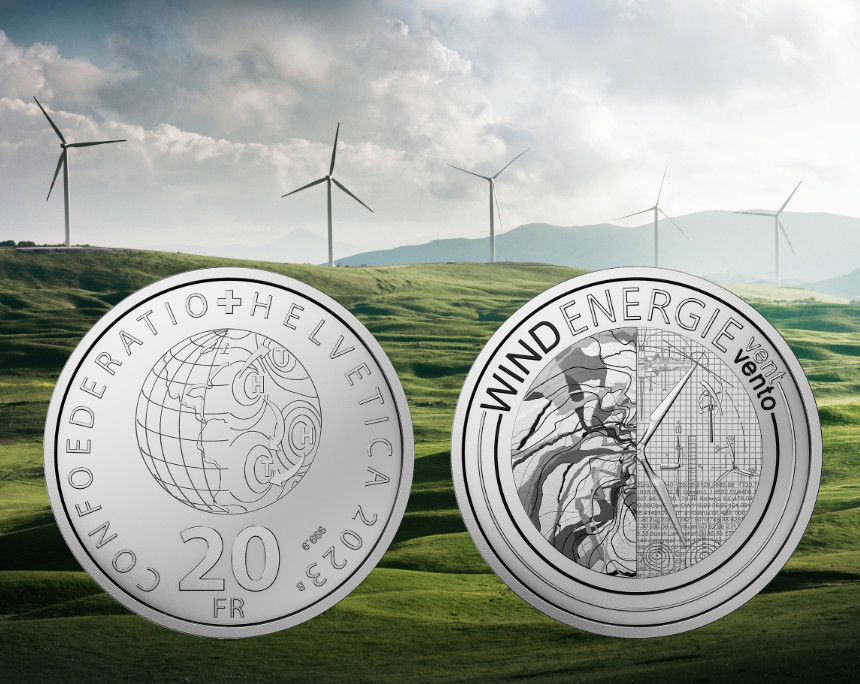
Following the issues on hydropower and solar energy, Swissmint completes its trilogy “Energy of the Future” with the new commemorative coin “Wind power.” As with its two predecessors, the silver coin glows in the dark.

Tokyo Sets New Record for Lost Cash Handed In
If you loose your cash let’s hope it happens in Tokyo. Then chances are good you get it back. Maybe in no other city in the world people hand in so much lost cash to police. There are good reasons why they do it.
Ruth Pliego Receives the 2023 Huntington Award
The Trustees of the American Numismatic Society (ANS) have named Dr. Ruth Pliego as the recipient of the 2023 Archer M. Huntington Medal Award for Excellence in Numismatic Scholarship. If you are interested in Visigothic coins, be sure to watch the lecture the honoree gave on this occasion.