






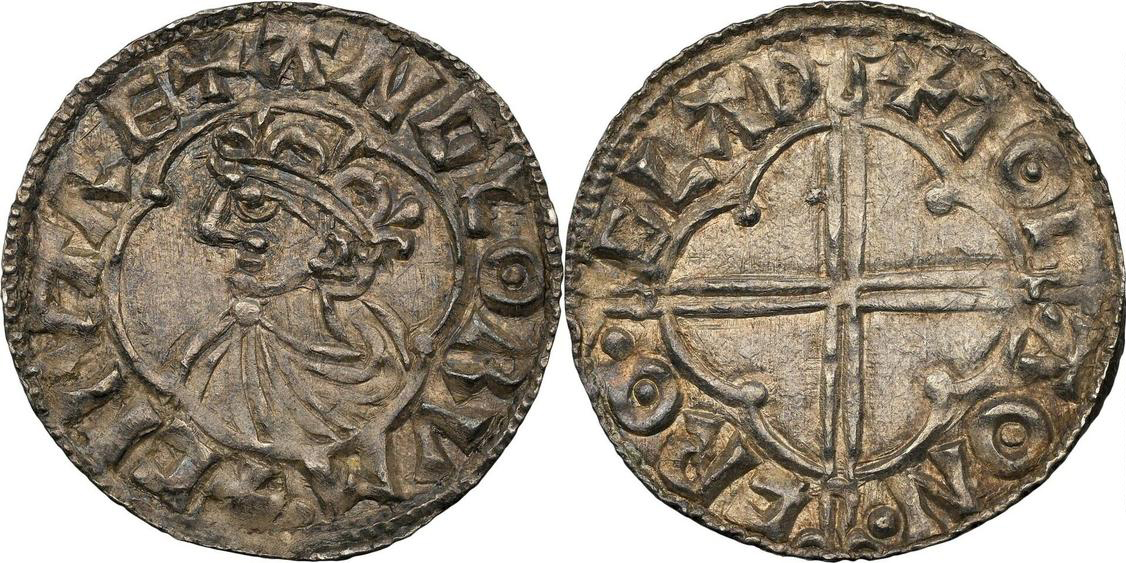
Penny, ND (1016-23).
Cricklade Mint. Cnut.
NGC MS-64.

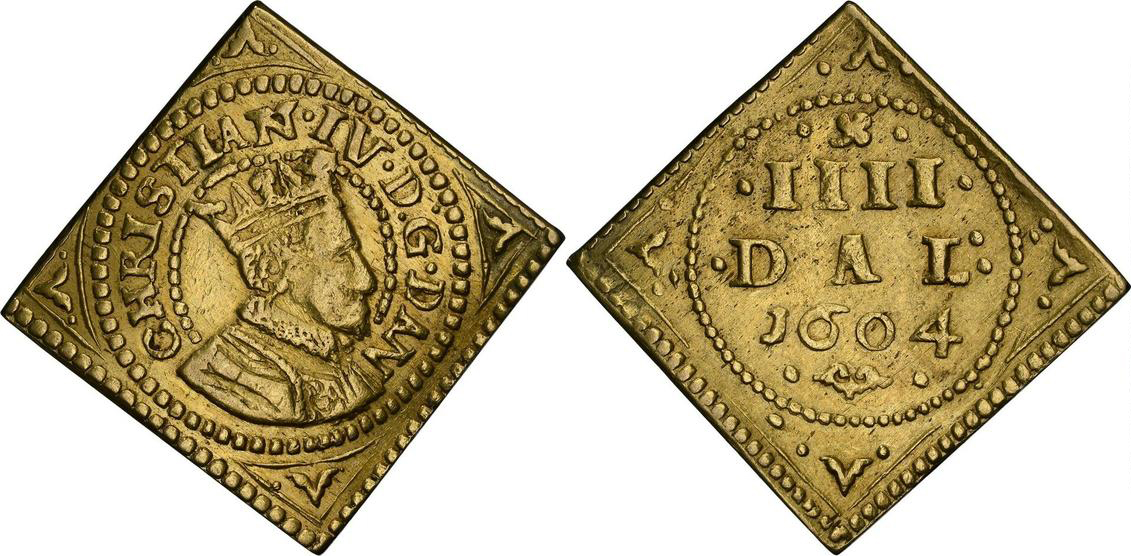
4 Daler Klippe, 1604.
Copenhagen Mint. Christian IV.
NGC AU Details.
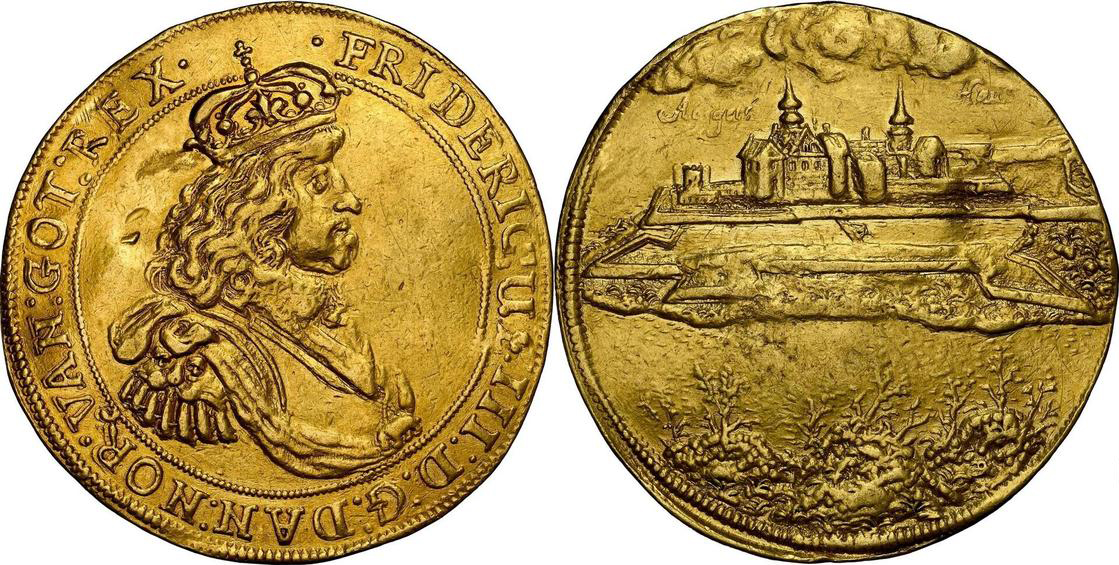
10 Ducat (Portugaloser),
ND (1661). Christiania Mint. Frederik III.
NGC AU Details.
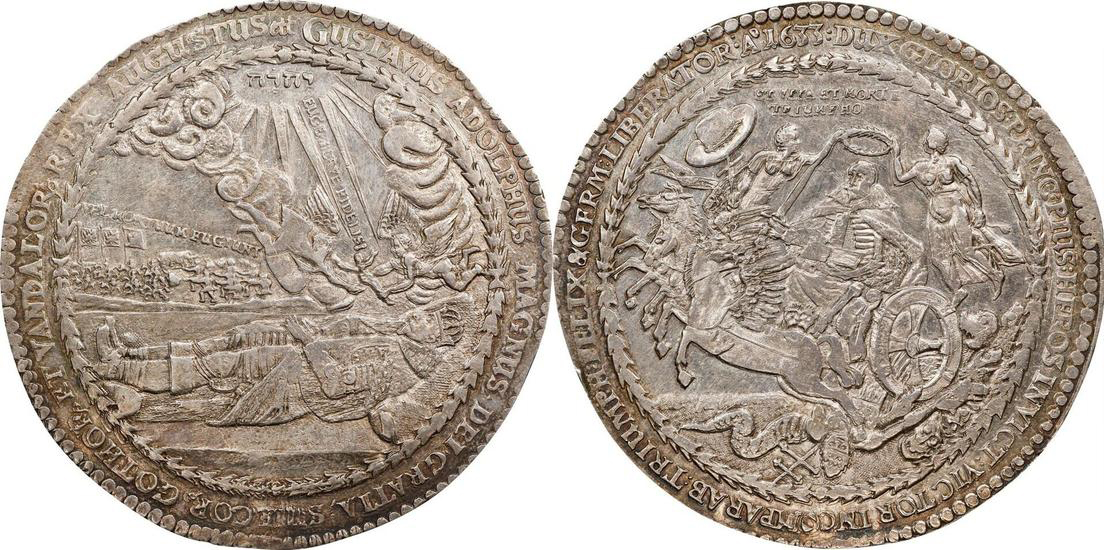
Wolgast. 4 Talers, 1633.
Wolgast Mint. Gustav II Adolf.
NGC AU-58.
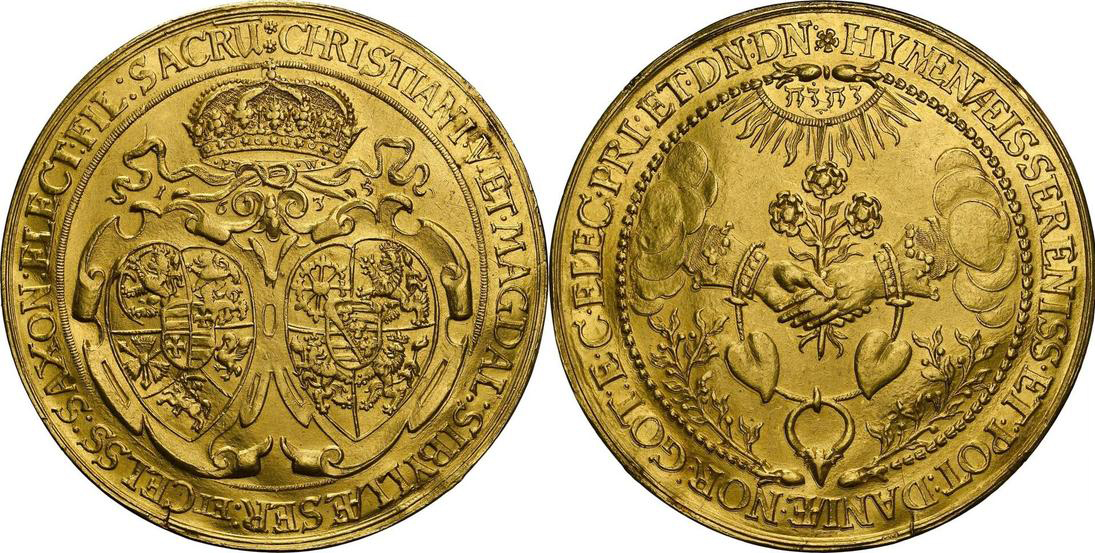
Saxony. Gold Medal /
10 Ducats, 1635. Johann Georg I.
NGC MS-62.
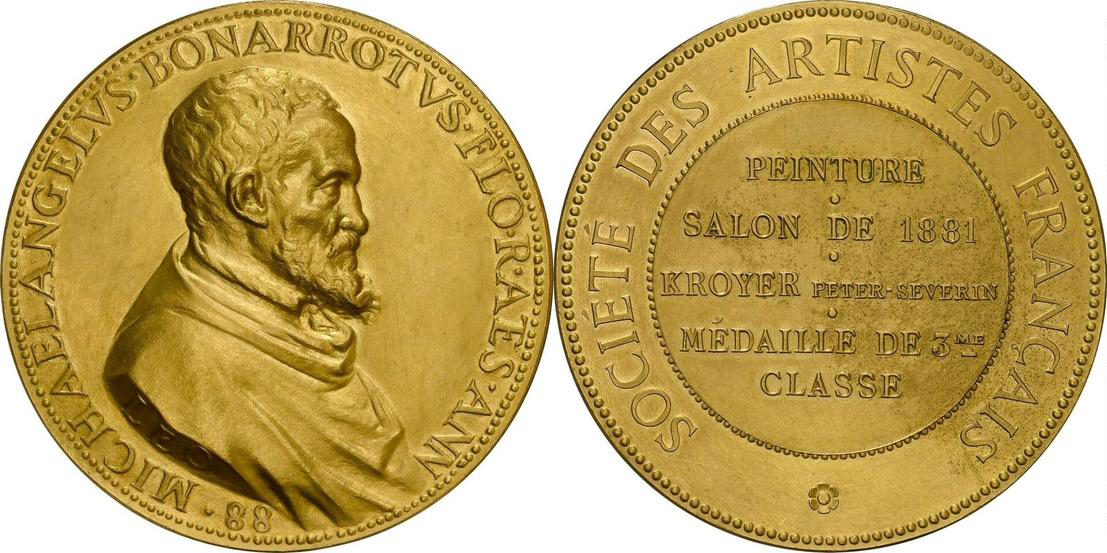
Art Exhibition Gold Medal,
1881. Société des Artistes Français.
NGC MS-61.
Archive: People and Markets
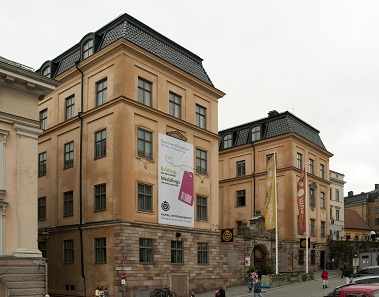
The Royal Coin Cabinet in Stockholm is going to be closed and stripped down
The Swedish national museum of economy is going to be closed down. This entails the relocation of the Royal Coin Cabinet and its notable library. At this point, no one knows where, when or how the coins and books will be available again. Harald Nilsson reports.
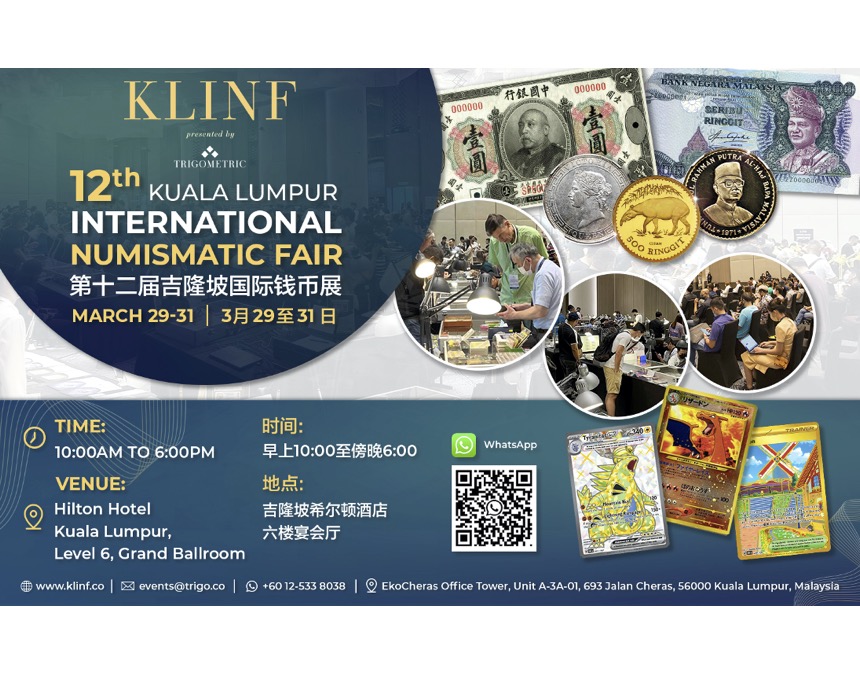
12th Kuala Lumpur International Numismatic Fair
Over 60 exhibiting companies will attend the Kuala Lumpur International Numismatic Fair, which will take place from March 29th to March 31st, 2024. Whether you’re a seasoned collector or a budding enthusiast, this event offers an opportunity to immerse yourself in the world of rare and valuable treasures.

End of “Cash Only”? Germany Plans Right to Digital Payment
Cash will remain important in Germany – but digital payment options are set to become mandatory. Germany’s federal government is working on new regulations. Are they truly intended to offer consumers more convenience – or are they also about gaining more control over payment flows?
Gold at Record High, Demand for Bullion Coins Collapses
While the gold price has reached new all-time highs several sessions in recent weeks and gained around 20 per cent in value in a short period of time in a steep upward trend, several mints are reporting a drastic decline in sales in the precious metal sector.