













Archive: People and Markets

Rich and Poor in Early Tudor England
The Met Cloisters takes you into a merchant’s house in 16th-century England. Why did a rich man exhibit images of the poor? Intriguing objects tell us about tastes and self-expression. And you can expect coins to be there too!
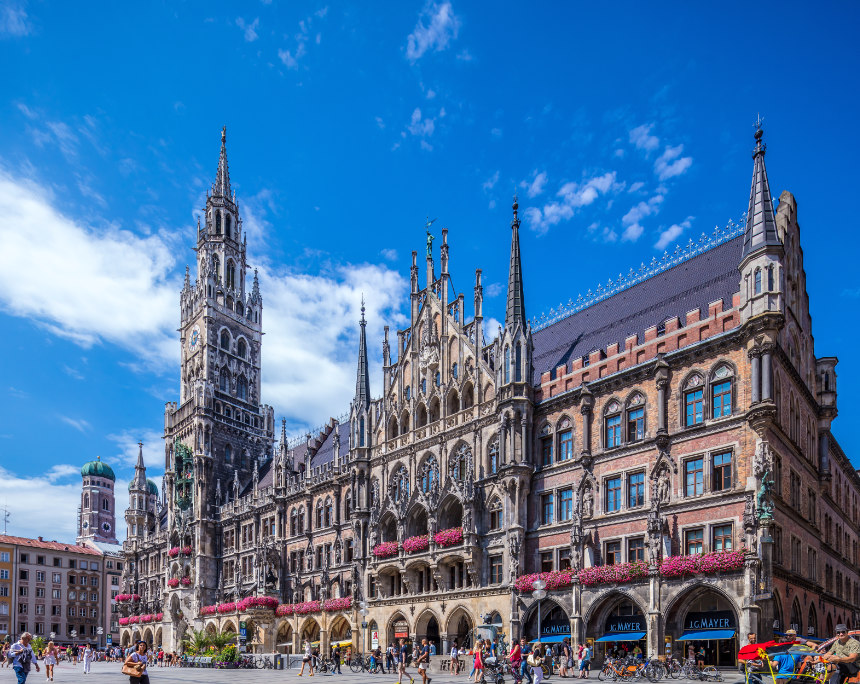
Heritage Auctions Opens German Office in Munich
Germany has a vibrant collector community. The US auction giant Heritage Auctions has also recognized this. It has opened a new office in Munich to offer German clients personalized support and access to a global audience for their collections.

A Coveted 2-Euro Coin: Monaco Introduces Penalty Fee for Multiple Orders
The Principality’s commemorative coins are among the most expensive and sought-after collectibles in the eurozone – but they have also attracted speculators for years. The sales office is now taking drastic measures.
Submission to the NLG Awards 2024
The Numismatic Literary Guild (NLG) has announced its annual awards competition for 2024. All entries must be received no later than Monday, June 17, 2024. Participation is restricted to NLG members only.