











Archive: People and Markets
Spring Sberatel Fair 2024
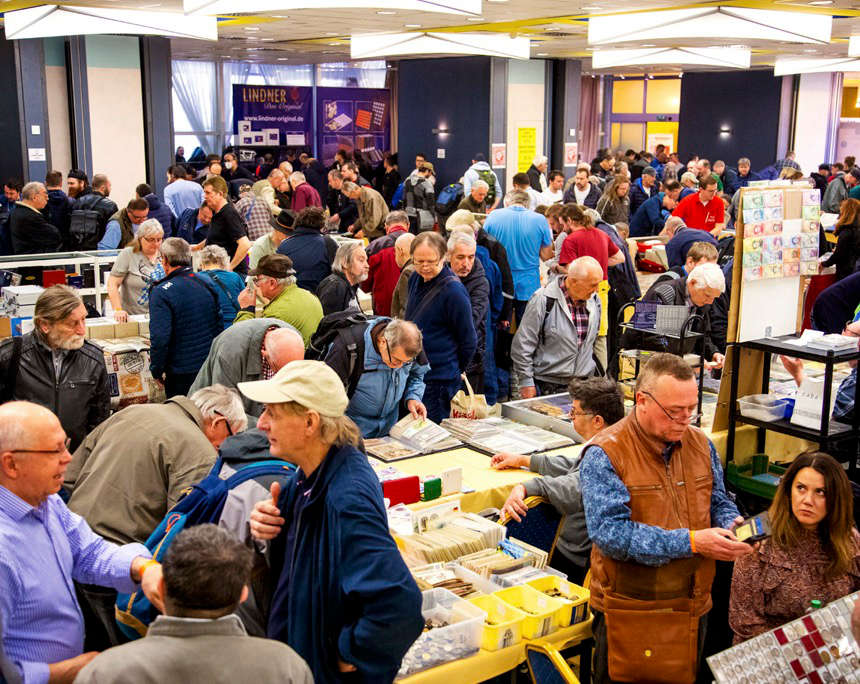
The spring edition of the Sberatel collector fair will take place on March 22 and 23 – the perfect opportunity to combine your hobby with a trip to beautiful Prague!

Dennis Tucker Retiring as Publisher at Whitman
Following a nineteen-year career at Whitman Publishing, Dennis Tucker will retire at the end of February 2024. During his time as publisher, he has overseen the publication of more than 300 titles.

New Publication on Hallmarks of Gold Coinage in Serbia and Yugoslavia
After the work of countless renowned scholars, is it even possible to make new findings in the numismatics of Austria-Hungary and the Balkans? The Austrian Research Society for Numismatics says „yes!“ and proves this with Aleksandar Brzić’s new book on Serbian and Yugoslav hallmarks on gold coins from 1882 to 1941.
Congress in Frankfurt: International Experts Discuss Gold and Silver Trends
From 23 to 25 March 2025, Frankfurt will host the inaugural ZukunftsForum Edelmetalle. This new congress brings together renowned precious metals experts to discuss current market trends, as well as economic and geopolitical developments in the gold, silver, and platinum sectors.