



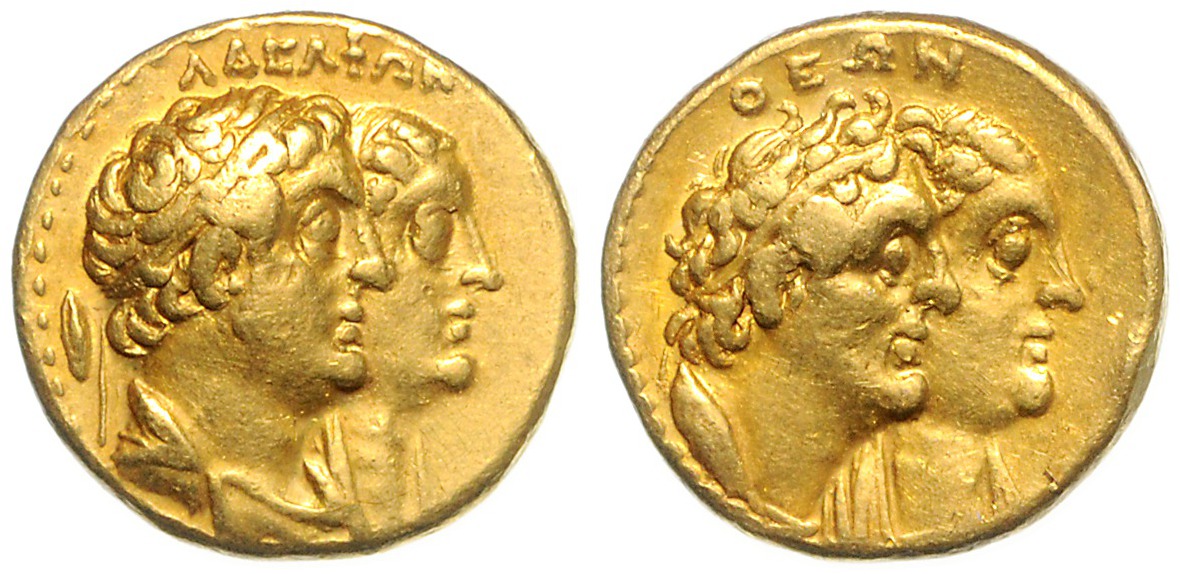
AV tetradrachm (282–272 BC),
King Ptolemy II and Queen Arsinoe II.
Condition: ef+.
Video highlight: Watch now!
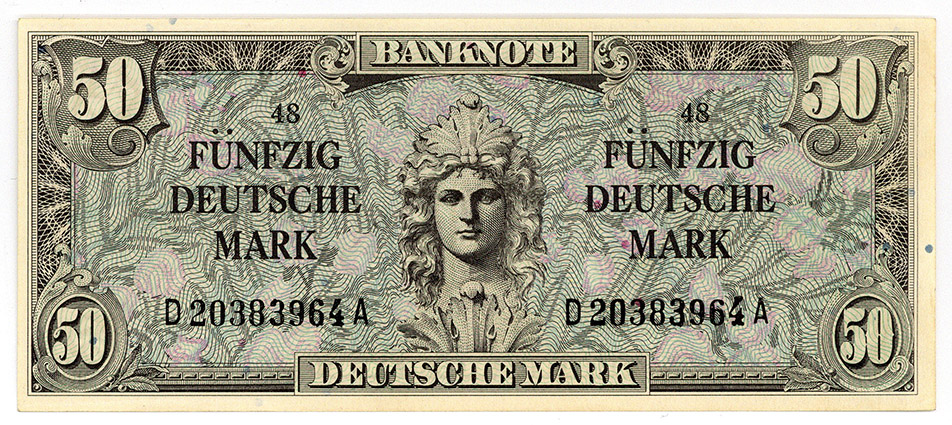
50 Deutsche Mark n. d. (1948-1949) "Liberty".
Condition: extremely rare, I.
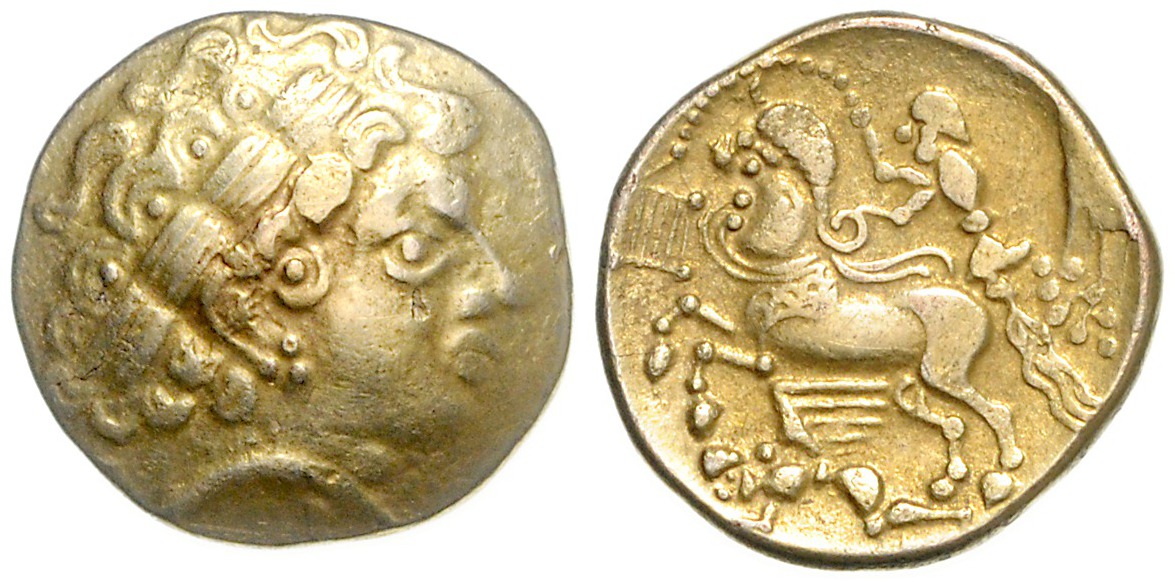
AV Stater (1st century BC).
Treveri, so-called "eye stater."
Condition: vf-ef.
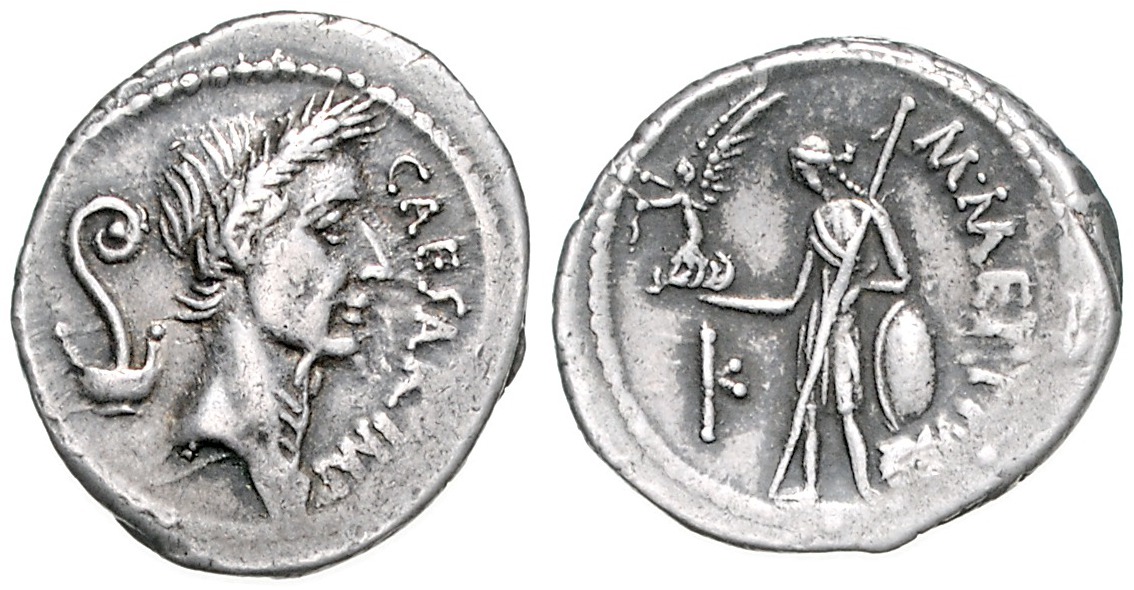
Julius Caesar.
AR Denarius (44 BC), Rome.
Condition: very rare, beautiful patina, vf.
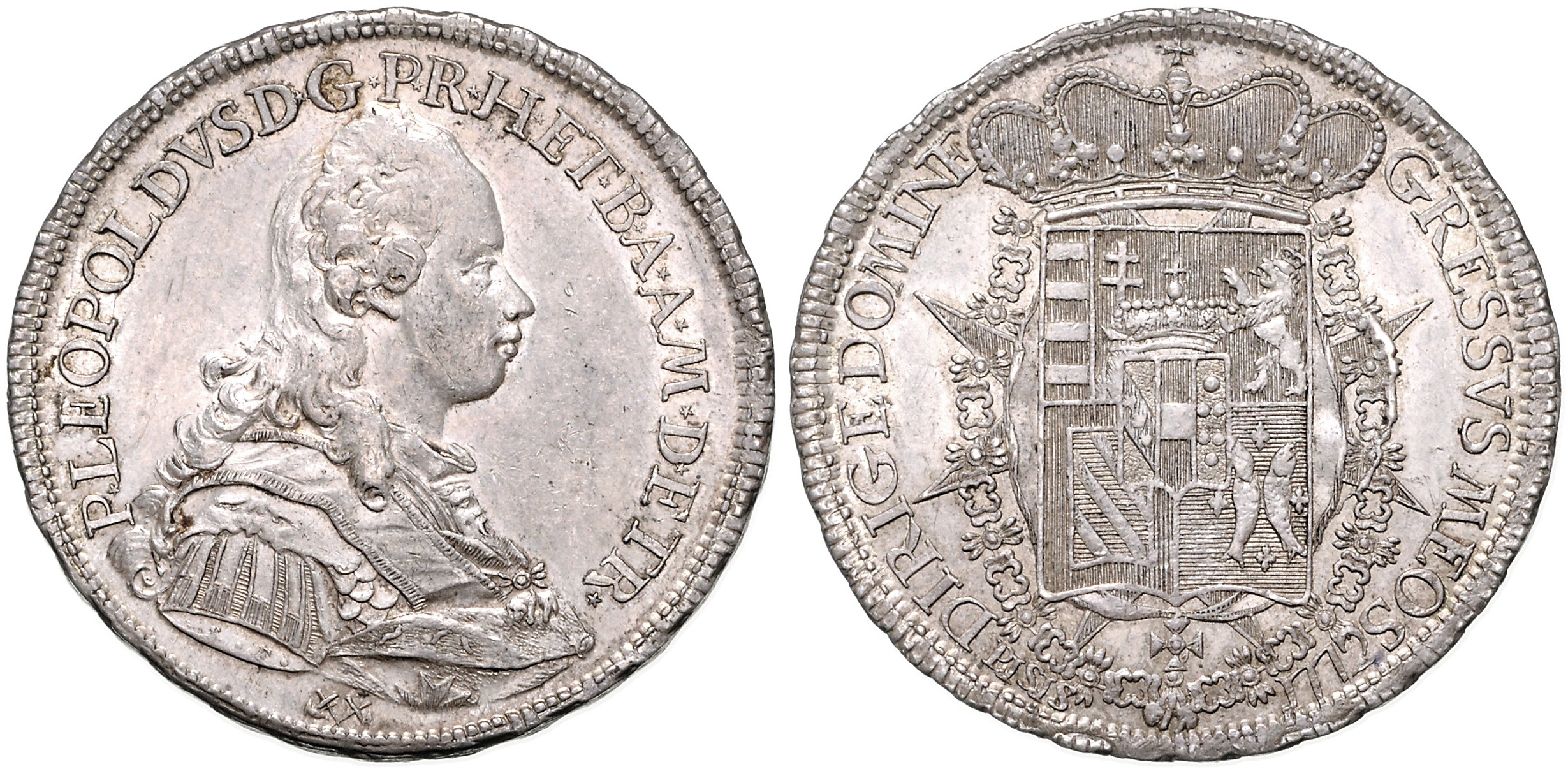
Leopold I of Habsburg-Lorraine (1765–1790).
Francescone (10 Paoli) 1772, Florence.
Condition: magnificent specimen, rare, vf/ef.
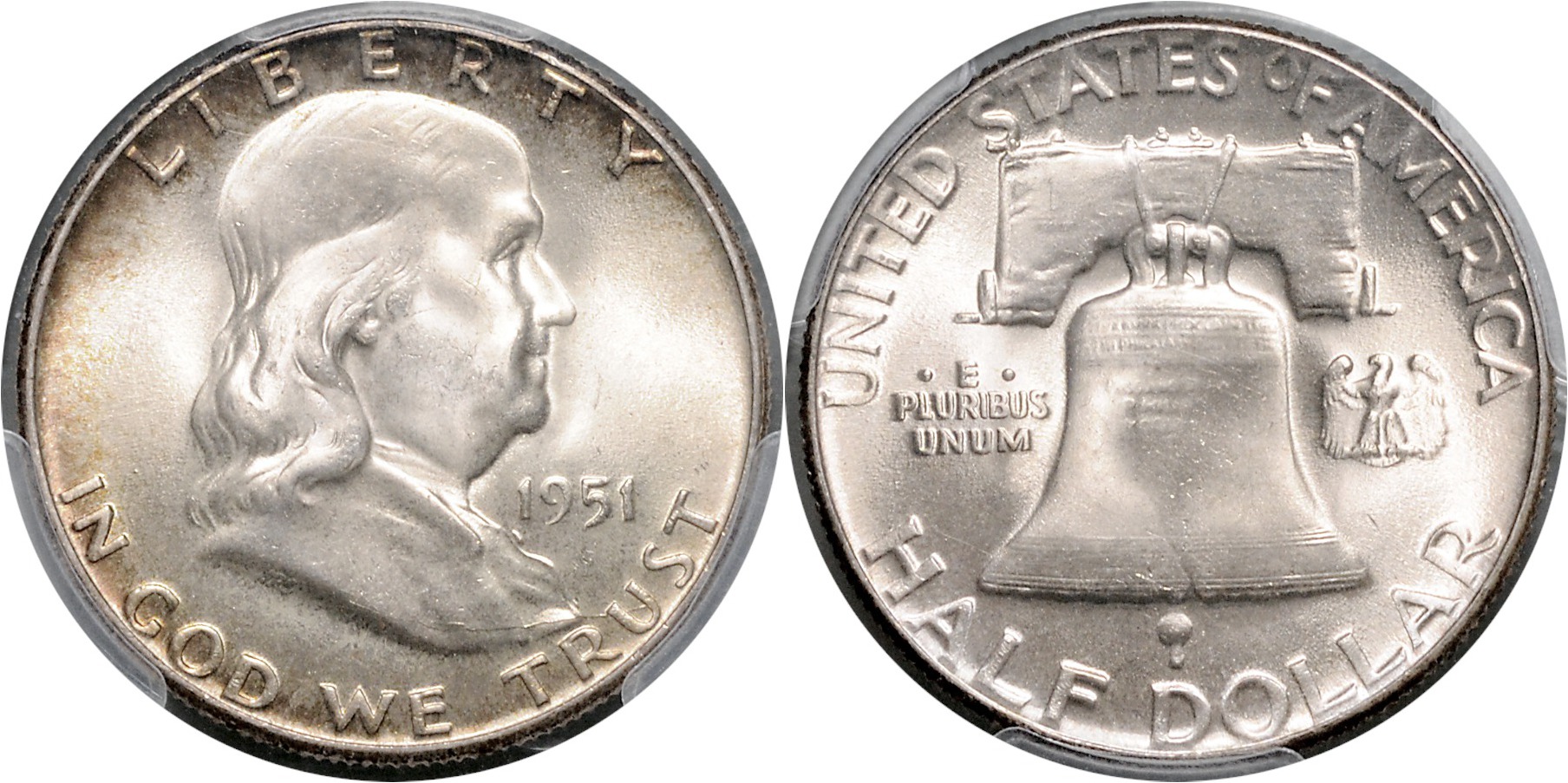
50 Cents 1951, Philadelphia.
Condition: PCGS MS 67 FBL.
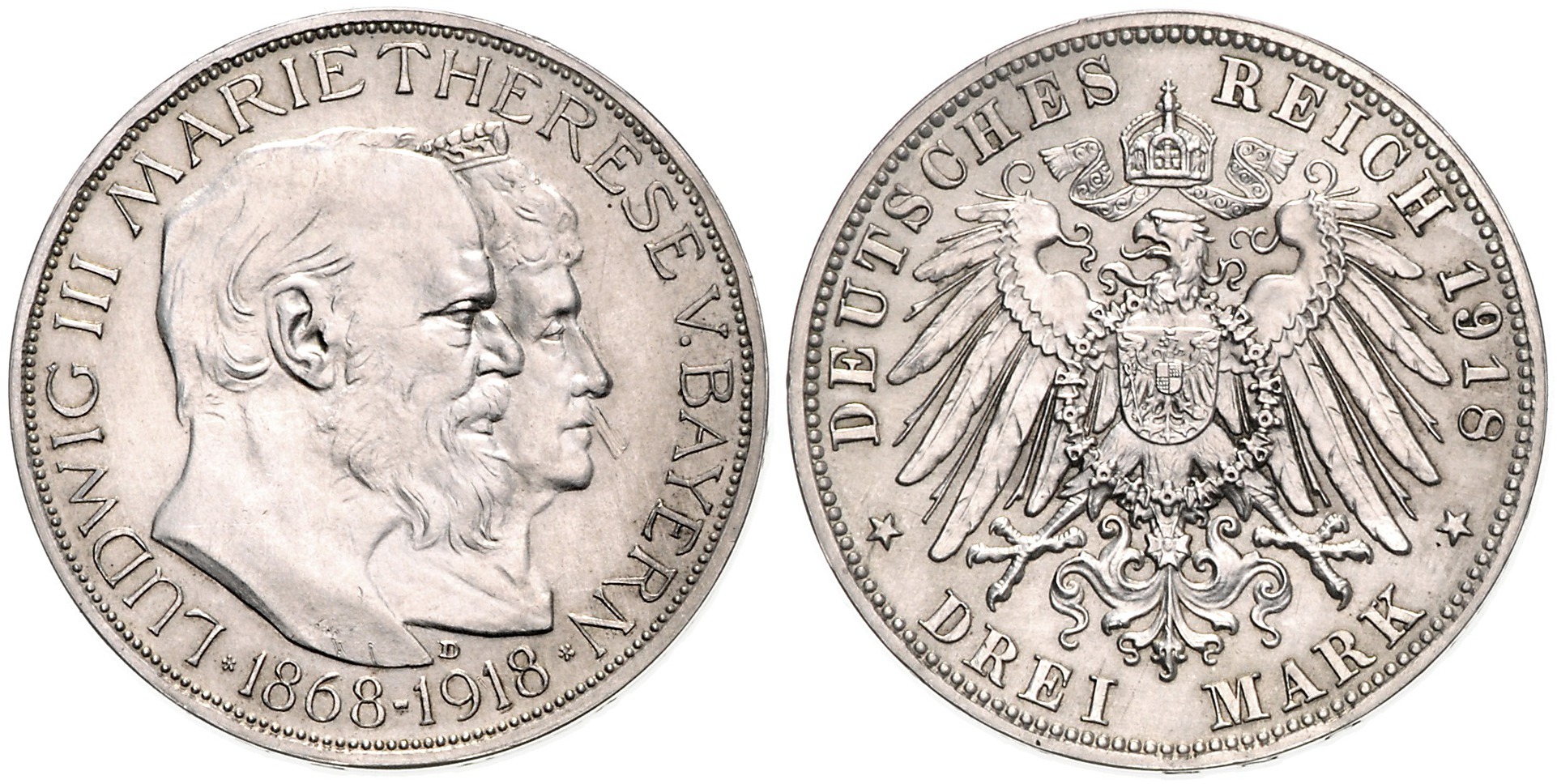
3 Marks 1918
"Royal Wedding in Bavaria".
Condition: unc.
Video highlight: Watch it now!
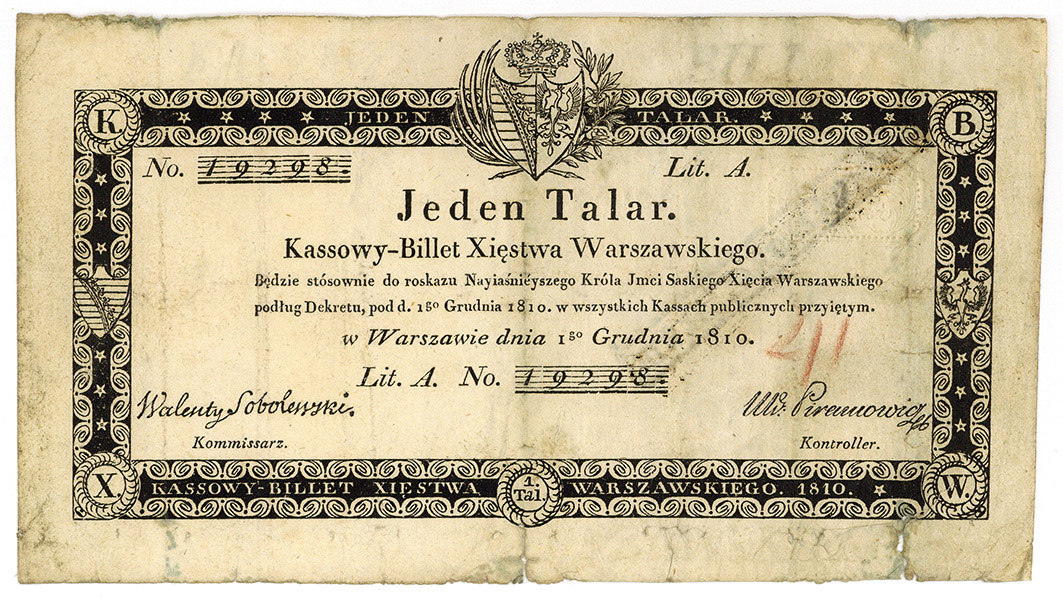
1 Thaler, December 1, 1810.
Condition: III–IV.
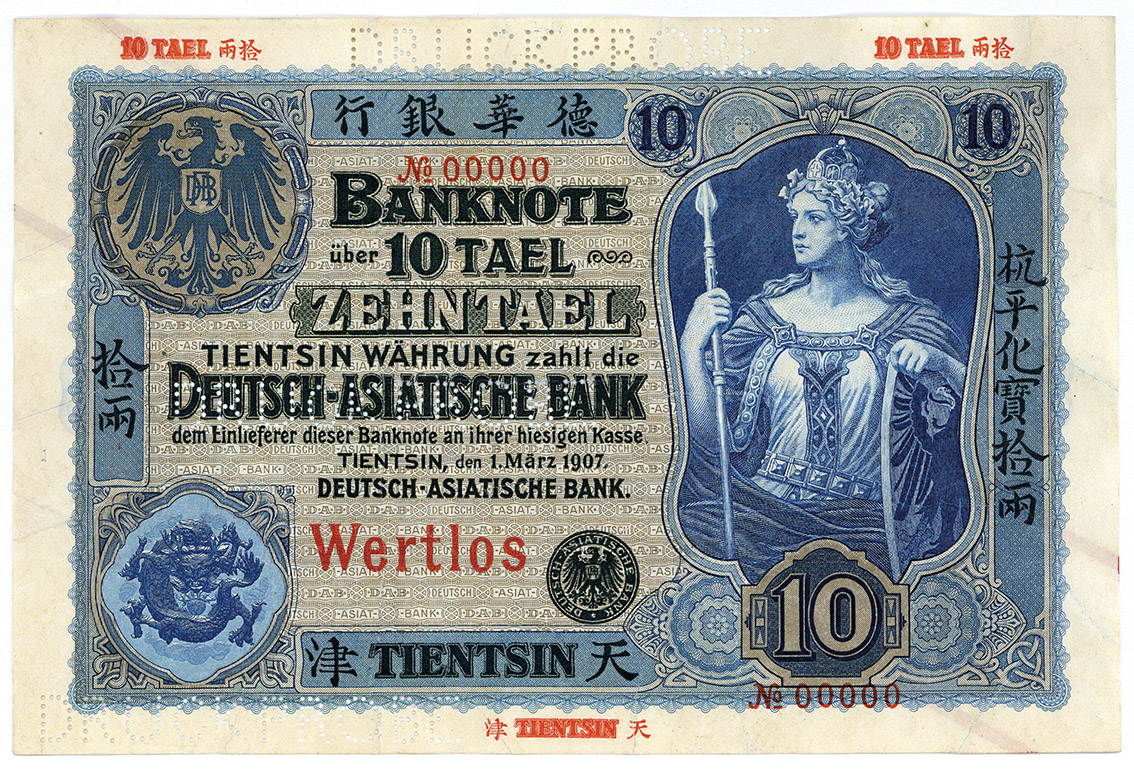
A Numismatic Journey Through the Principality of Monaco
by Sebastian Wieschowski, translated by Rosa Haseeb
North Germans normally do not pay much attention to royals – but when Prince Albert II and Princess Charlène come to the Elbe river in Hamburg, Hanseatic restraint is not up to much. After all, the last visit by the heads of state of the Côte d’Azur was six years ago – and the occasion for their flying visit is, for once, not a gala dinner, but a very down-to-earth one: The Grimaldis are visiting one of the Hanseatic city’s most popular tourist attractions, the “Miniatur Wunderland” in the Speicherstadt (warehouse district). A separate area will be opened there with a true-to-scale replica of the Monégasque capital Monte Carlo.
Content

The fortress on the rock – not just a popular tourist destination, but also the most expensive 2 euro commemorative coin in the world. Collage: Canva / Wieschowski.
A Land of Superlatives
The unveiling will inevitably be about records, superlatives, and extremes. After all, Monaco is the most densely populated and richest (per capita) country in the world; and it is the country with the world’s largest wine cellar in the Hôtel de Paris Monte-Carlo. In regard to numismatics, Monaco is, at first glance, also equivalent to glitz and glamour, wealth and luxury, exclusivity and superlatives. As one of the so-called “small euro states”, the Principality is a multiple record holder and is a source of pleasure and frustration to euro collectors: the 2-euro commemorative coin celebrating the 25th anniversary of the death of Princess Gracia Patricia, formerly known as Hollywood icon Grace Kelly, has become a numismatic icon and is regarded as an important representative in the field of 2-euro coin collectibles. And as one of the most expensive 2-euro coins in the world, even if a later issue from the Principality is even more valuable: the catalogue price of the Grace Kelly coin is 5,000 euros, while the commemorative coin from 2015 with the effigy of the fortress on the rock has a value of 5,500 euros.

The commemorative coin honoring Grace Kelly from 2007 has become the epitome of the 2 euro coin collecting field. In 2016, Monaco commemorated the founding of Monte Carlo by Charles III. Photos: Wieschowski.
A Rich Numismatic History
However, these superlatives distract from the fact that the Principality of Monaco has a long tradition of coin minting – Prince Honoré II issued the first coins in 1640 and the Monégasque coinage system had been linked to the French system since 1641. The French Revolution led to the annexation of Monaco in 1793 and the introduction of the French franc. After the restoration of Grimaldi rule in 1814, it was almost two decades before Monégasque coins were minted again in Monaco under Prince Honoré V (1819-1841) in 1837. Prince Charles III (1856-1889) also claimed this right and gave minting orders to the Paris mint – to this day, the Monégasques remain loyal to their neighbours when it comes to choosing a mint for their coins.
The current use of the euro in the territory of Monaco, which is not part of the European Union, dates back to 1865. At that time, Monaco adopted the French franc as its official currency, and France accepted Monégasque coins in the neighbouring Alpes-Maritimes Départment in return. Monaco was also involved in the introduction of the new franc in France in 1960 – and the cooperation was continued on 1 January 1999 – since then Monaco has used the euro as its official currency and has also been allowed to mint its own euro coins since 2002. A limit of 1/500 of the coins minted in France was set for this.

Ancestral gallery on 2 euro coins: Prince Albert I (2022) and Prince Rainier III (2023). Photos: Wieschowski.
Nowadays, Monaco takes the opportunity to issue a 2-euro commemorative coin every year to bring its sights and its history to the attention of the collecting world. For example, the world’s most expensive 2-euro commemorative coin features the majestic fortress on the rock, also known as the Prince’s Palace. Situated high above the Mediterranean, this historic fortress offers a breath-taking view of the coast and the glittering yachts in Monaco harbour. Inside the palace, visitors can explore the magnificent royal chambers and learn about the rich history of the Grimaldi family, who have ruled Monaco for centuries.
Another destination for tourists are the Carabiniers du Prince, the royal bodyguards of the Prince of Monaco. These impressive guards, dressed in traditional uniforms, stand still like statues in front of the Prince’s Palace and guard the royal residence with pride and loyalty. Their precise movements and impressive demeanour attract the attention of visitors and give the palace an additional aura of majesty.
Word-Class Museum for Stamps and Coins
However, there is much more to discover in Monaco, from glamorous casinos and luxurious boutiques to picturesque gardens and exquisite restaurants – not to forget: the Musee des Timbres et des Monnaies. While it is primarily known to German coin collectors as the official sales point for Monégasque commemorative coins, it includes the princely stamp collection – and the collection of Rainier III is not only literally, but also figuratively, princely.
For fans of popular media in particular, the princely couple themselves are probably the most important sight – and Albert II and Charlène are also record holders in the world of coins: no other couple has been depicted twice on 2-euro coins. However, Monaco issued a commemorative coin for their wedding in 2011 and a revised effigy of the heads of state in 2021 to mark their 10th wedding anniversary.
While the record holders unveil the miniature edition of the Principality in Hamburg on 25 April, collectors of 2-euro coins await the continuation of the numismatic attempt to set records for Monaco coins: this year, another 2-euro commemorative coin will be issued with a low mintage of just 15,000 specimens, honouring a prominent figure in Monégasque history. King Charles V can be seen on the coins, which were already on display at the beginning of the year on the occasion of a first striking ceremony at the Monnaie de Paris in Pessac. The Emperor of the Roman Empire concluded the Treaty of Burgos with Augustin Grimaldi in 1524, thereby strengthening Monaco’s sovereignty – the agreement is seen as one of the starting points for Monaco’s independence today.

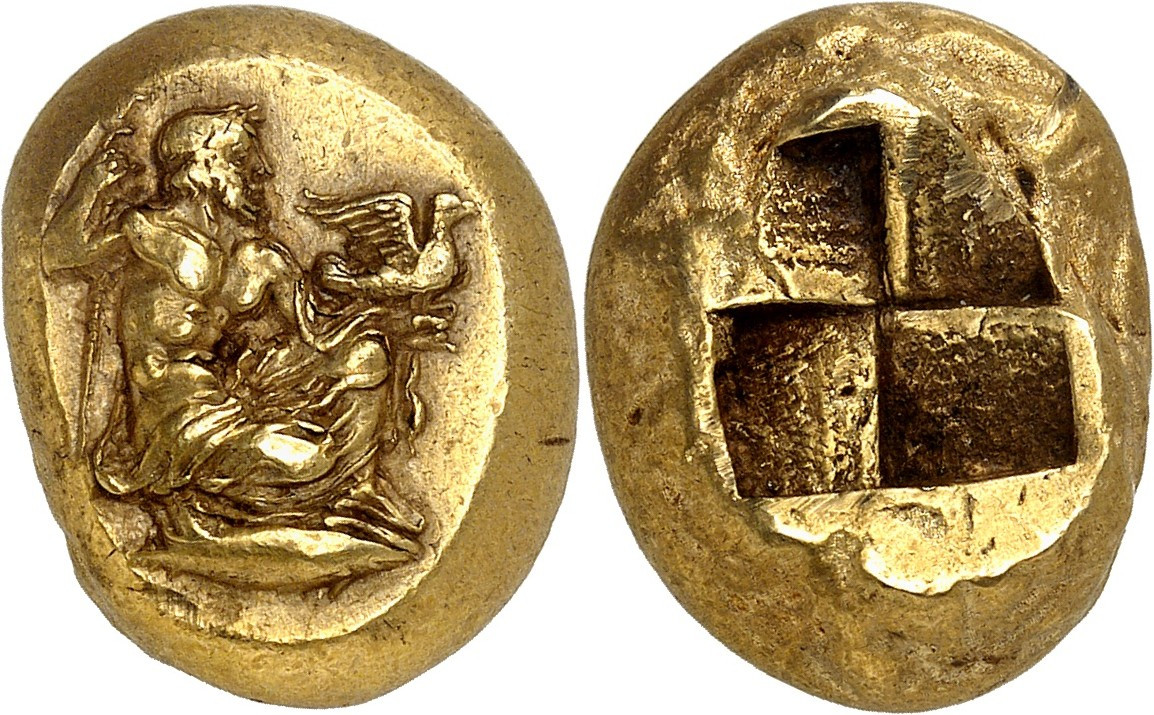
Electrum Stater circa 375-350 BC.
Baron Lorne Thyssen-Bornemisza Collection.
An exceptional specimen.
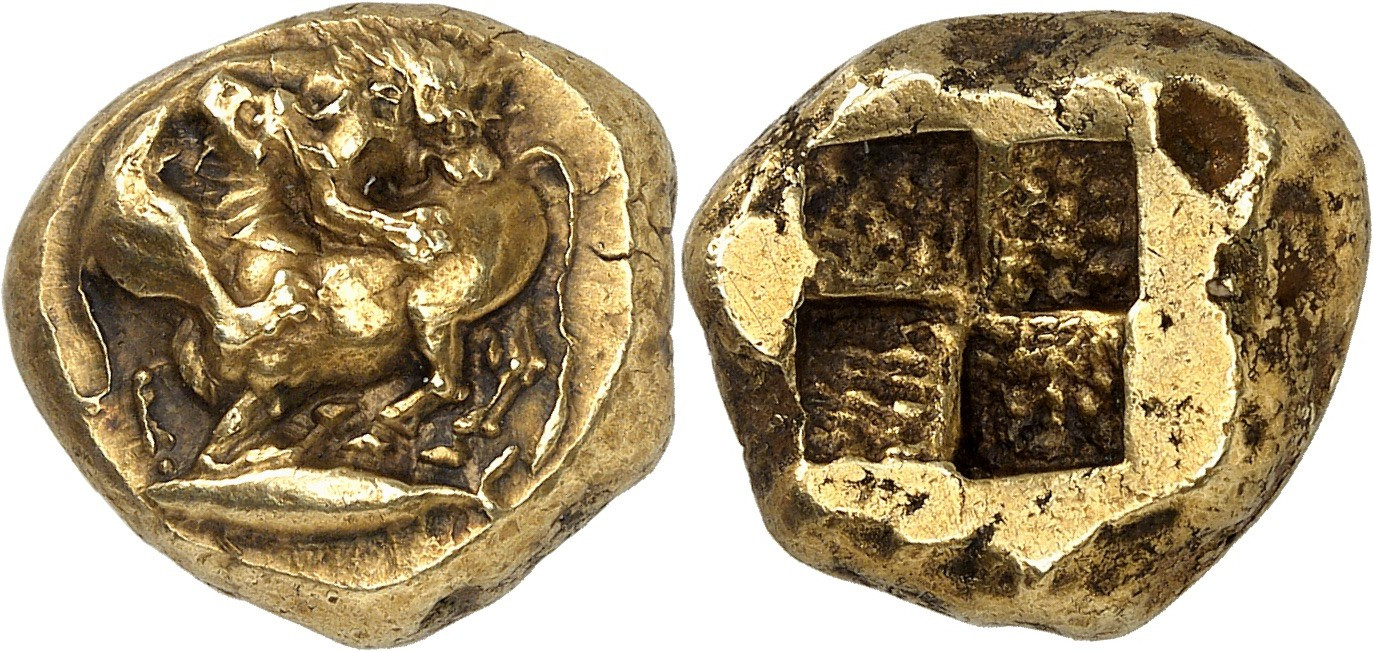
Electrum Stater circa 360-340 BC.
Baron Lorne Thyssen-Bornemisza Collection.
The finest specimen known.
An extraordinary piece.
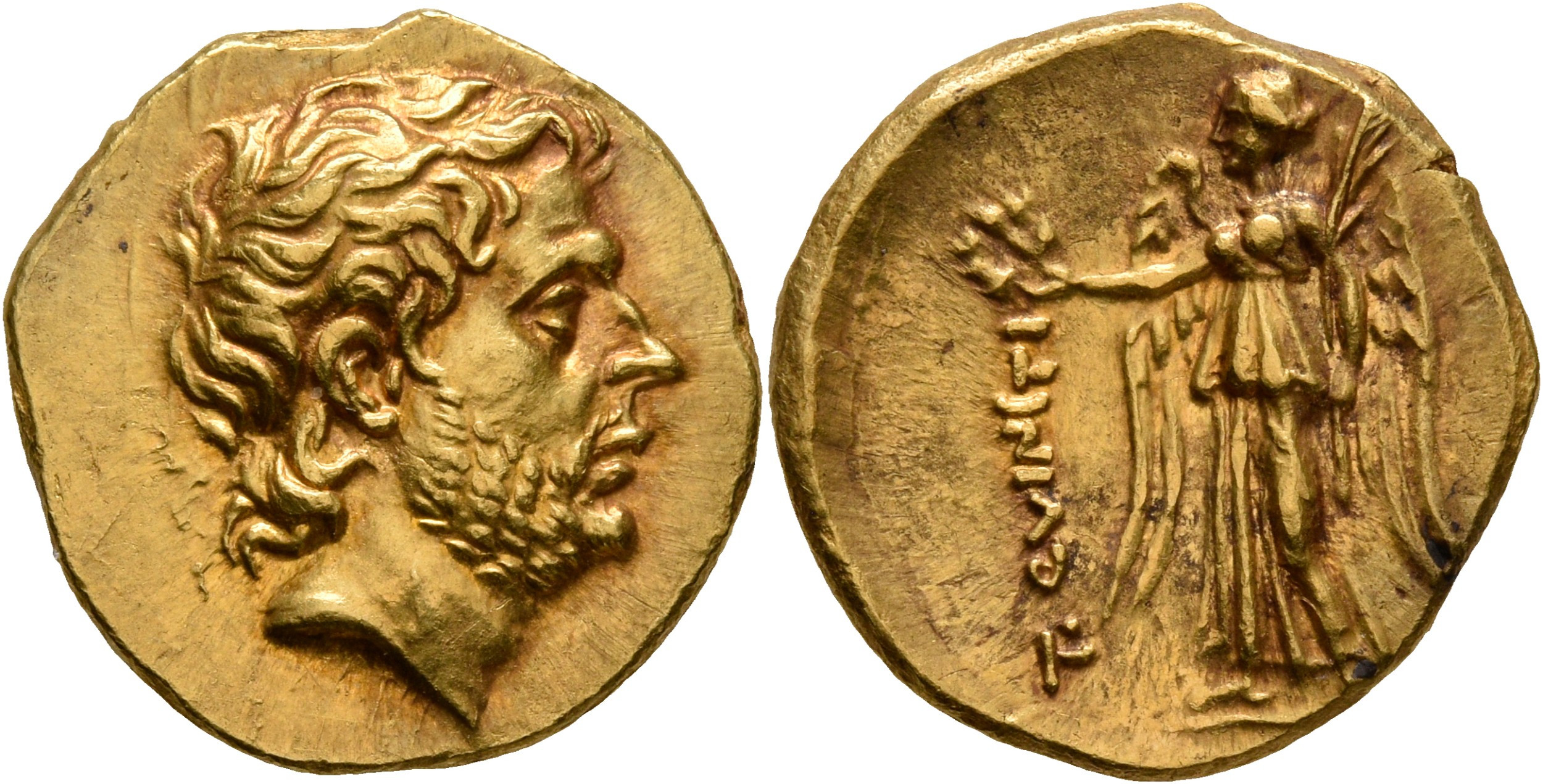
Titus Quinctius Flamininus.
Gold stater circa 196 BC, Chalcis (?).
Baron Lorne Thyssen-Bornemisza Collection.
The first coin to portray a Roman during his lifetime.
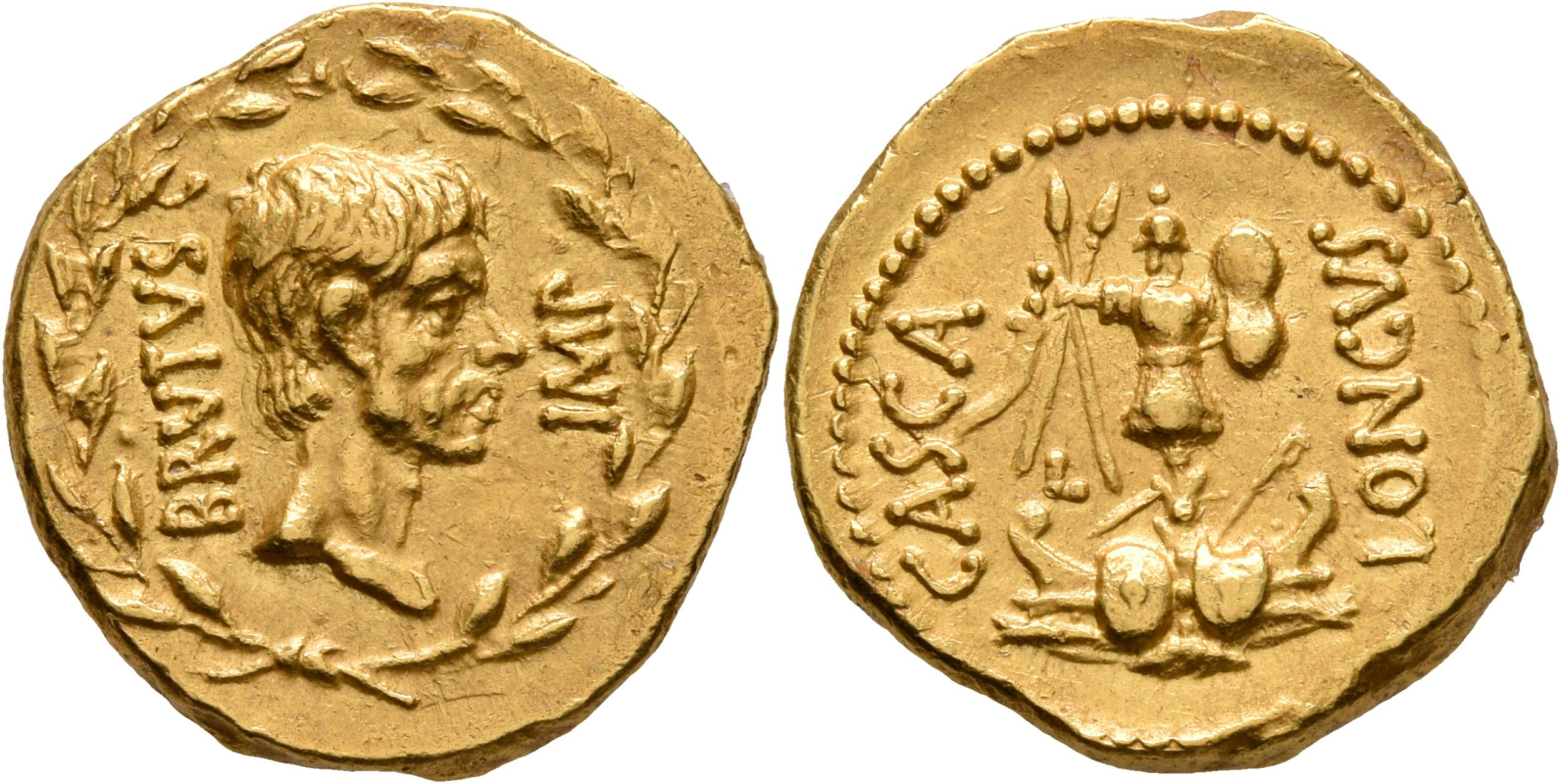
Aureus 43-42 BC, moving mint in
Northern Greece or Asia Minor.
Baron Lorne Thyssen-Bornemisza Collection.
One of the most important and
infamous coins in Roman numismatics.
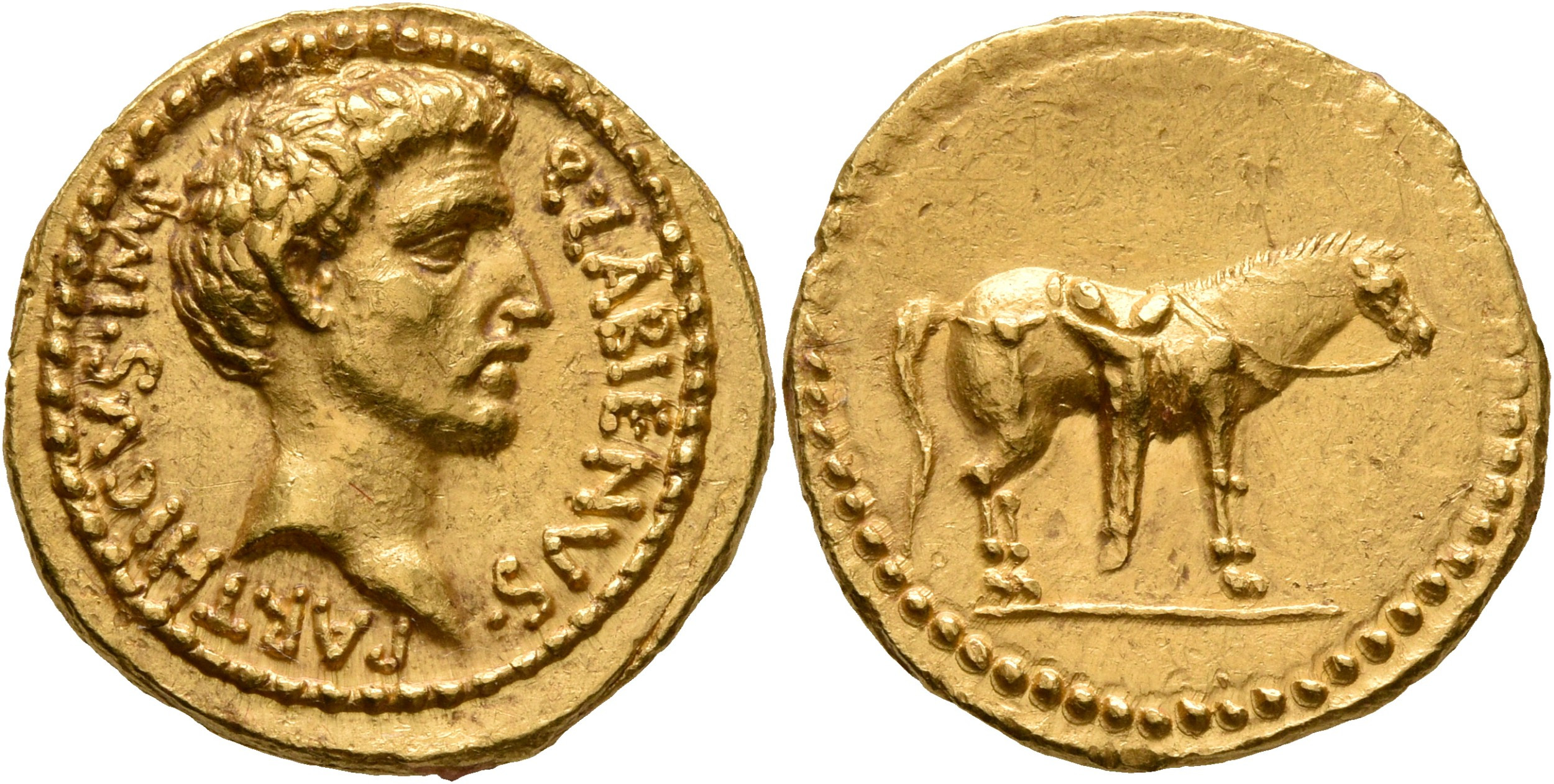
Aureus 40-39 BC, mint moving in Asia Minor.
Baron Lorne Thyssen-Bornemisza Collection.
Of the highest rarity,
apparently only five specimens known.
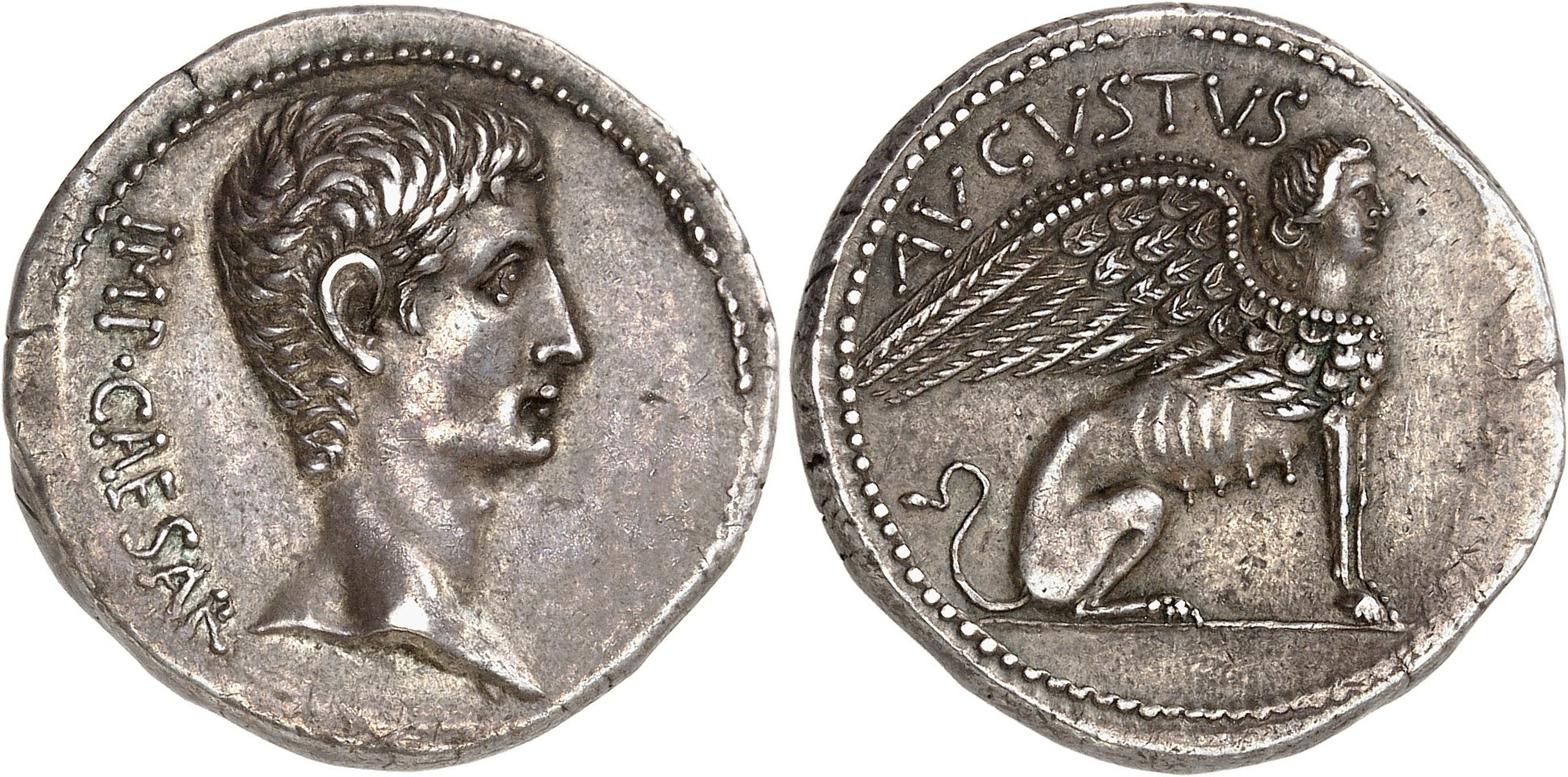
Cistophorus 27-26 BC, Ephesus or Pergamon.
Baron Lorne Thyssen-Bornemisza Collection.
An extraordinary specimen in
perfect state of conservation.
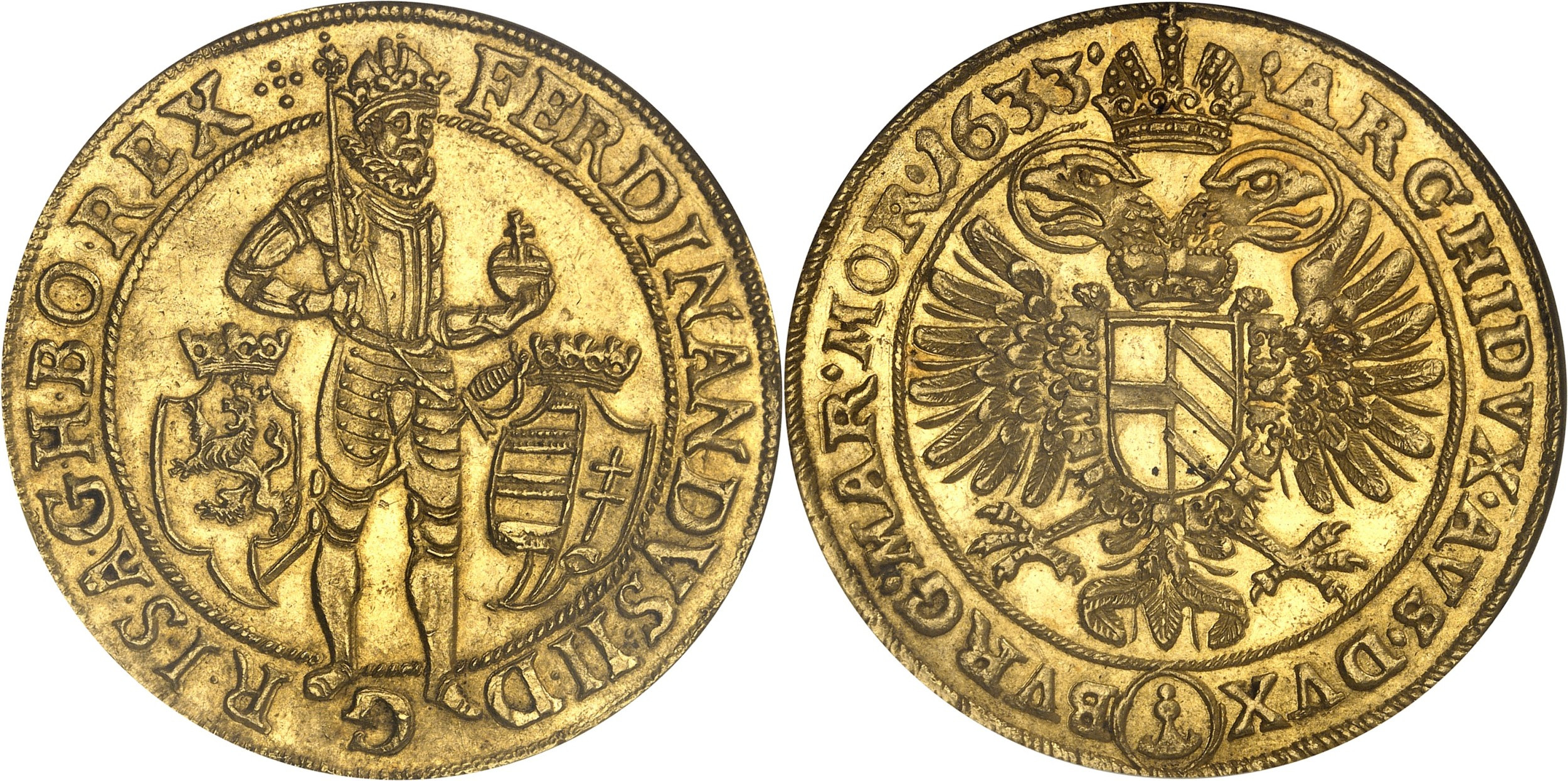
10 Ducats 1633, Prague.
NGC MS65 (Top pop).
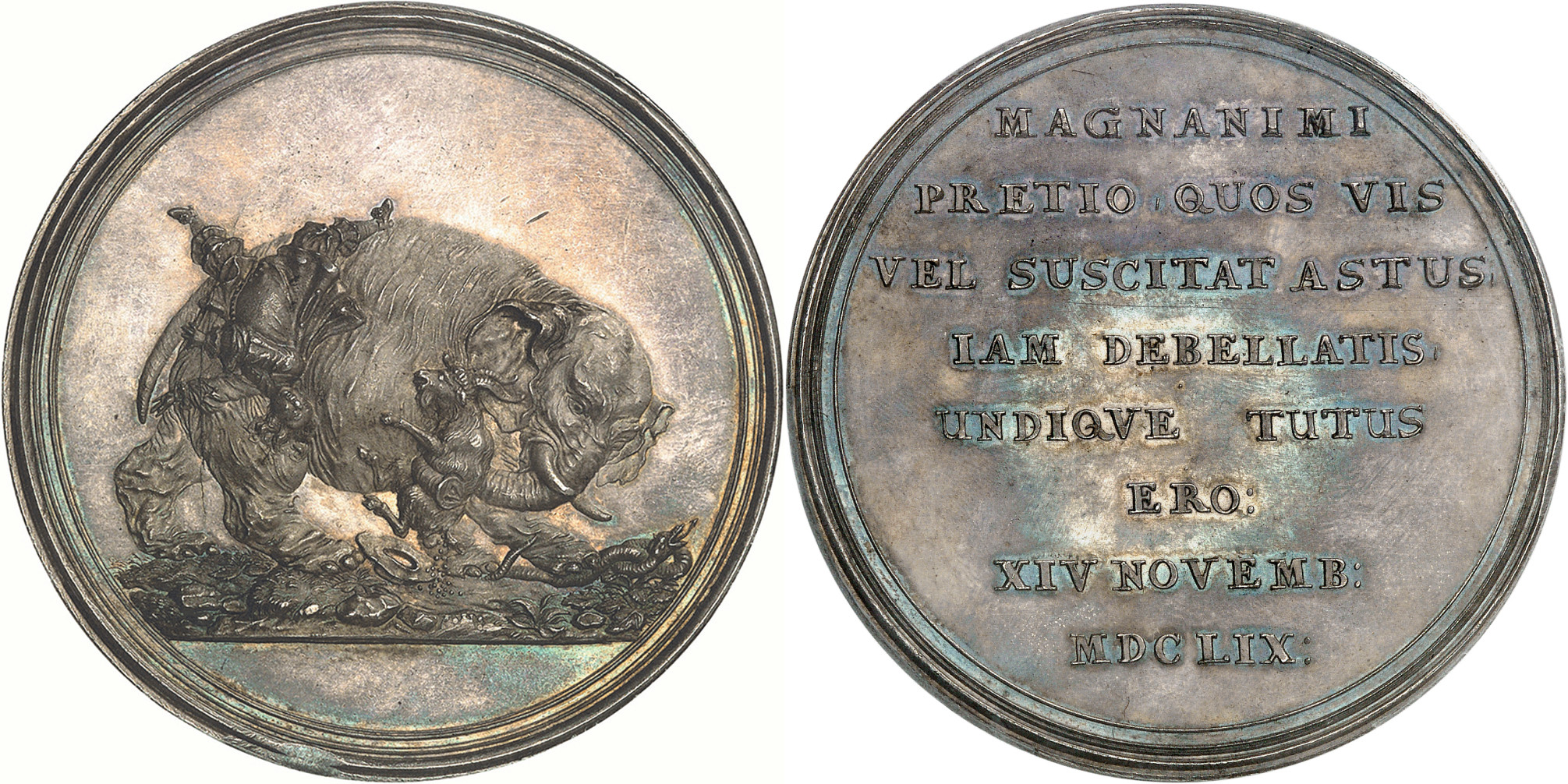
Silver Medal 1659, commemorating the battle of
Nyborg in 1659, by J. Hercules.
An extremely rare original striking of
this extraordinary medal.