







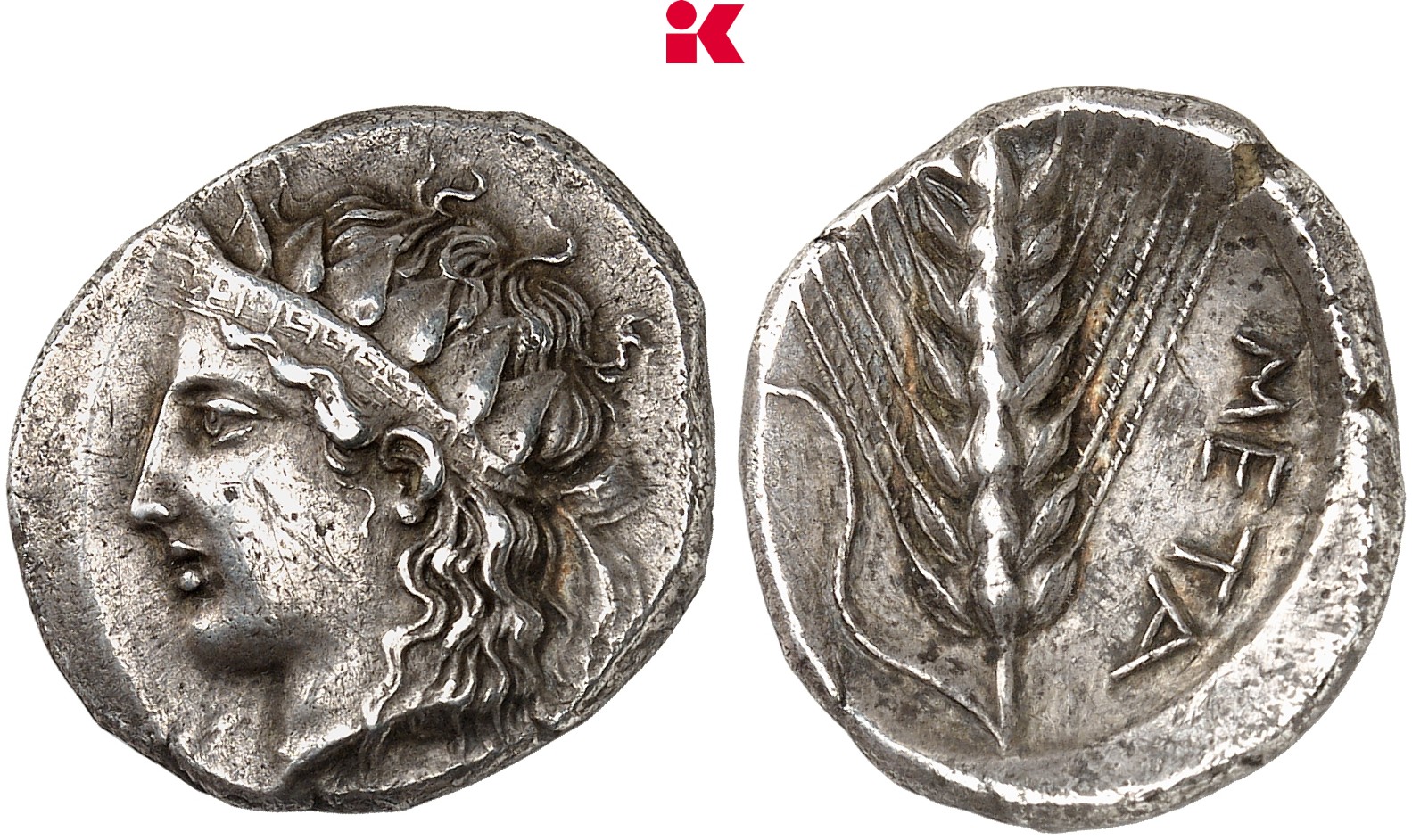
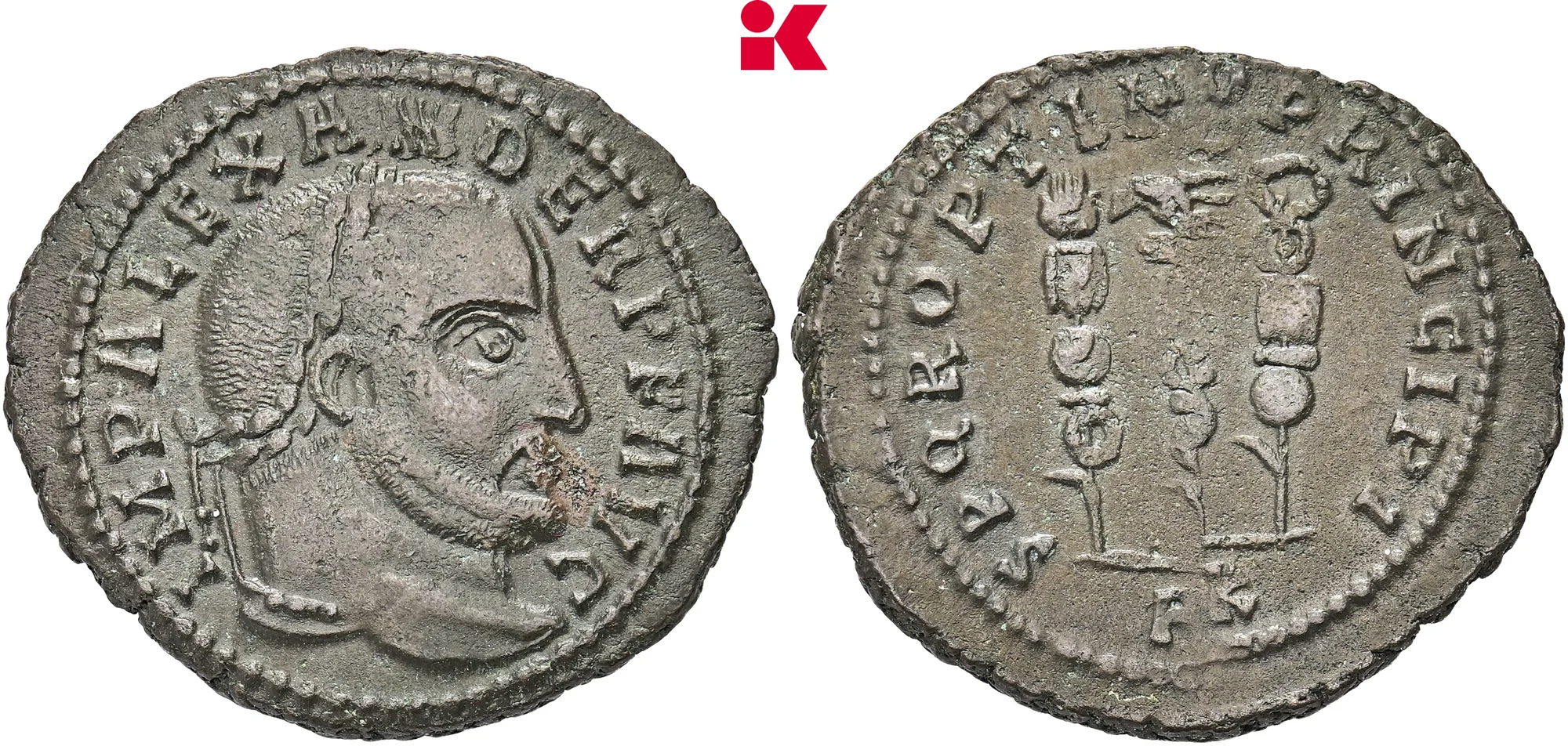
Didrachm, 400/340 BC. Attractive piece.
Very rare, particularly in this condition.
Dionysus head of the finest style.
Ex Hirsch VIII, München 1903, no. 792.
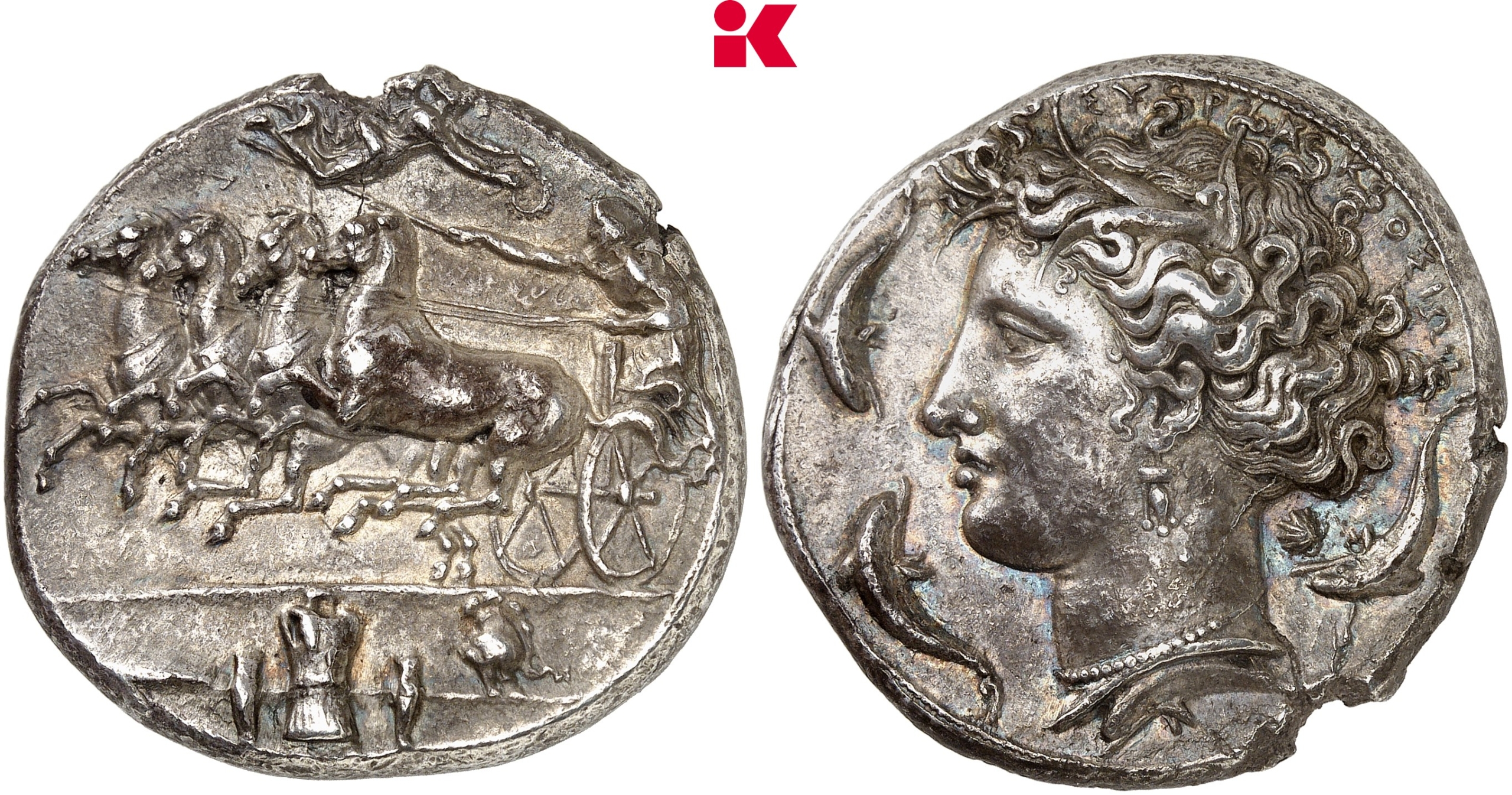
Decadrachm around 400/390 BC, unsigned.
Splendid patina, extremely fine.
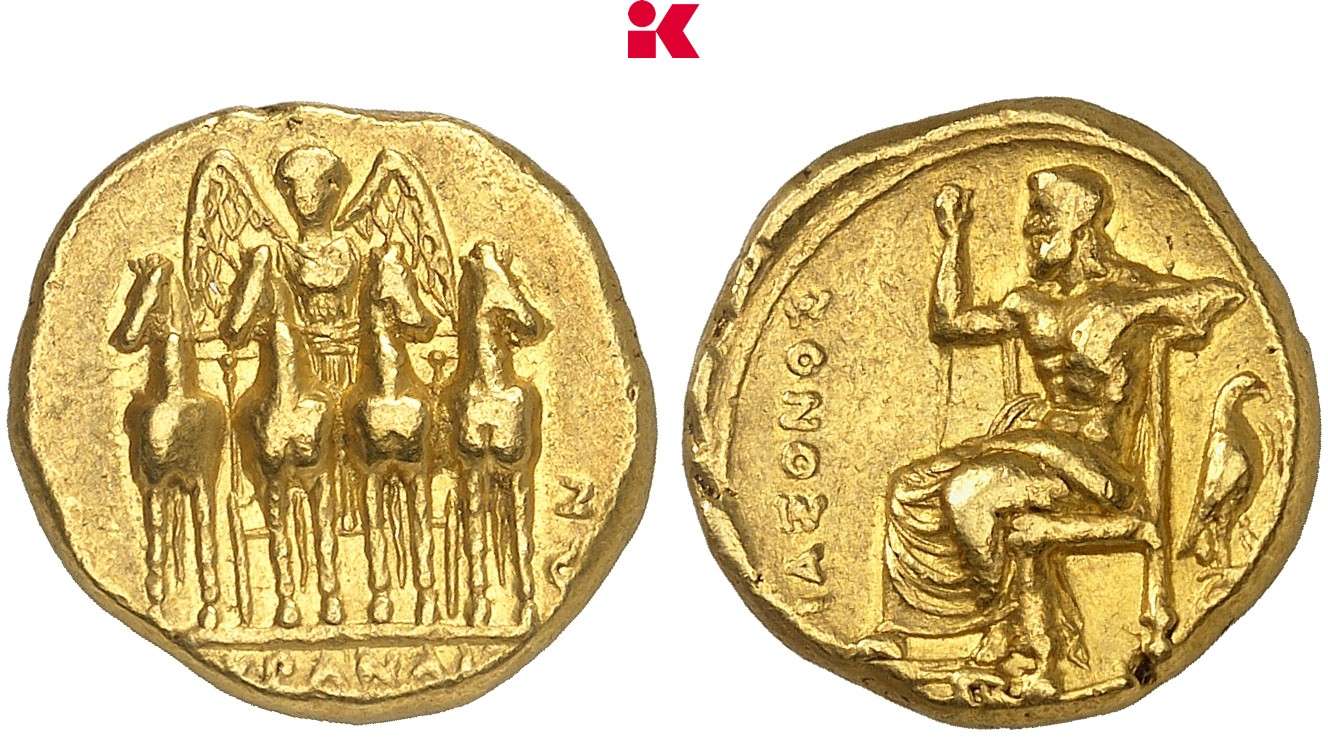
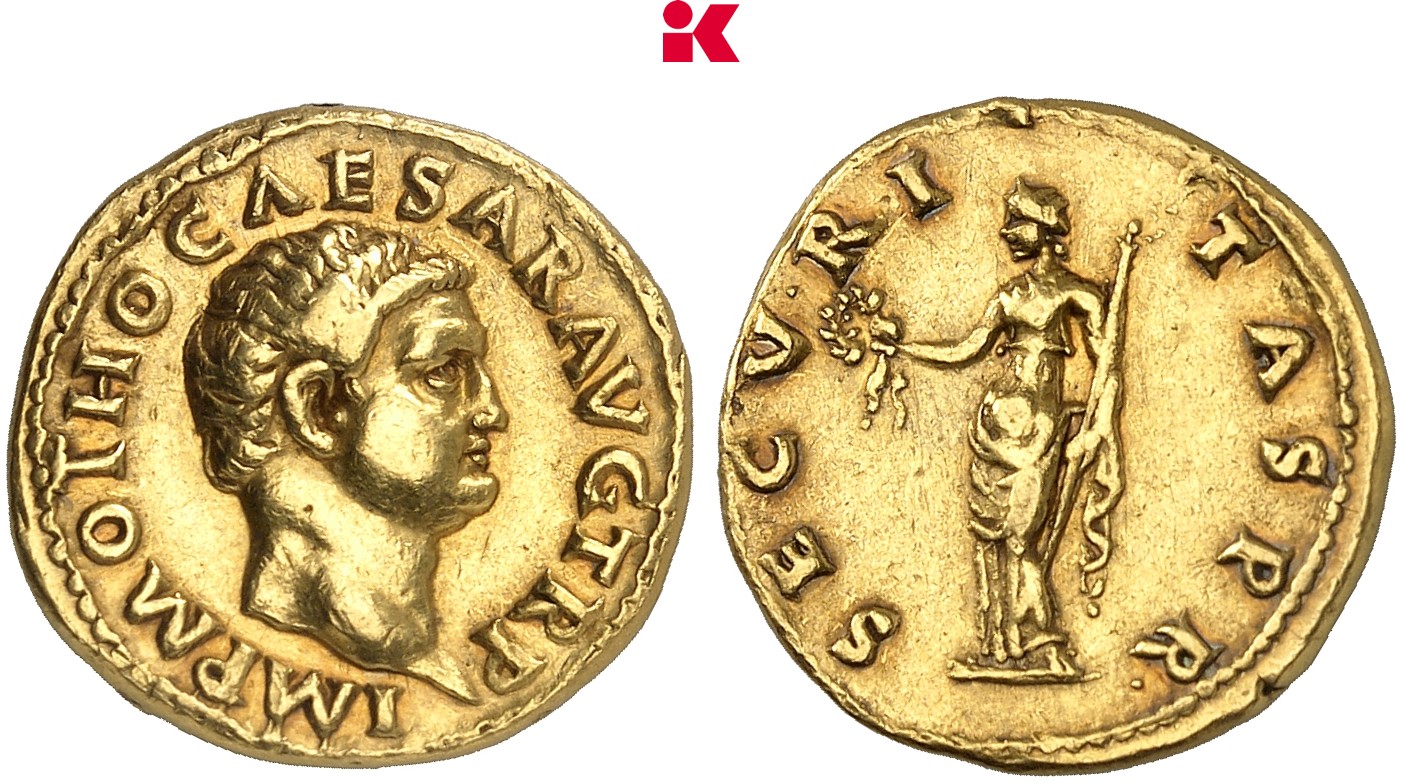
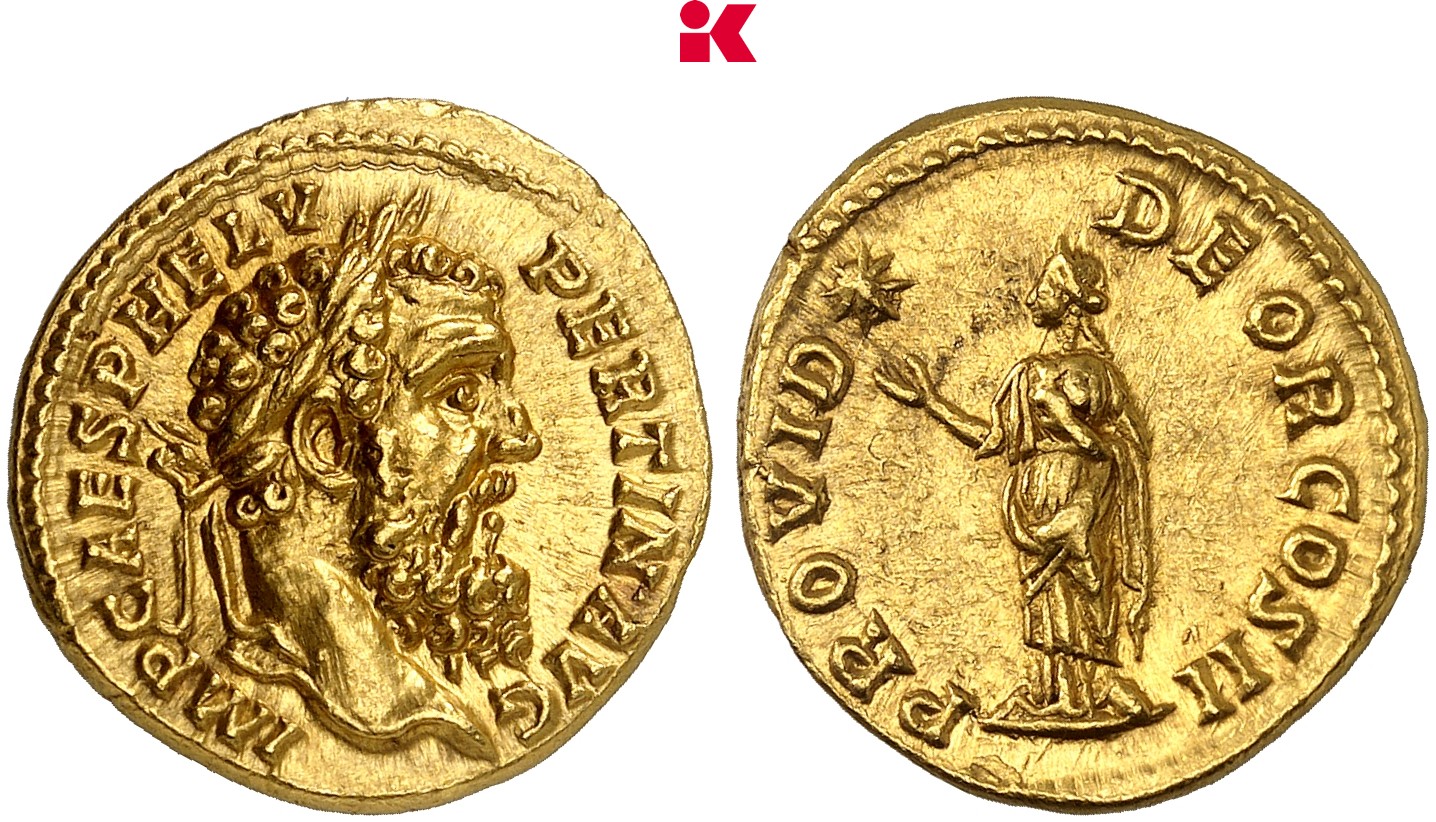
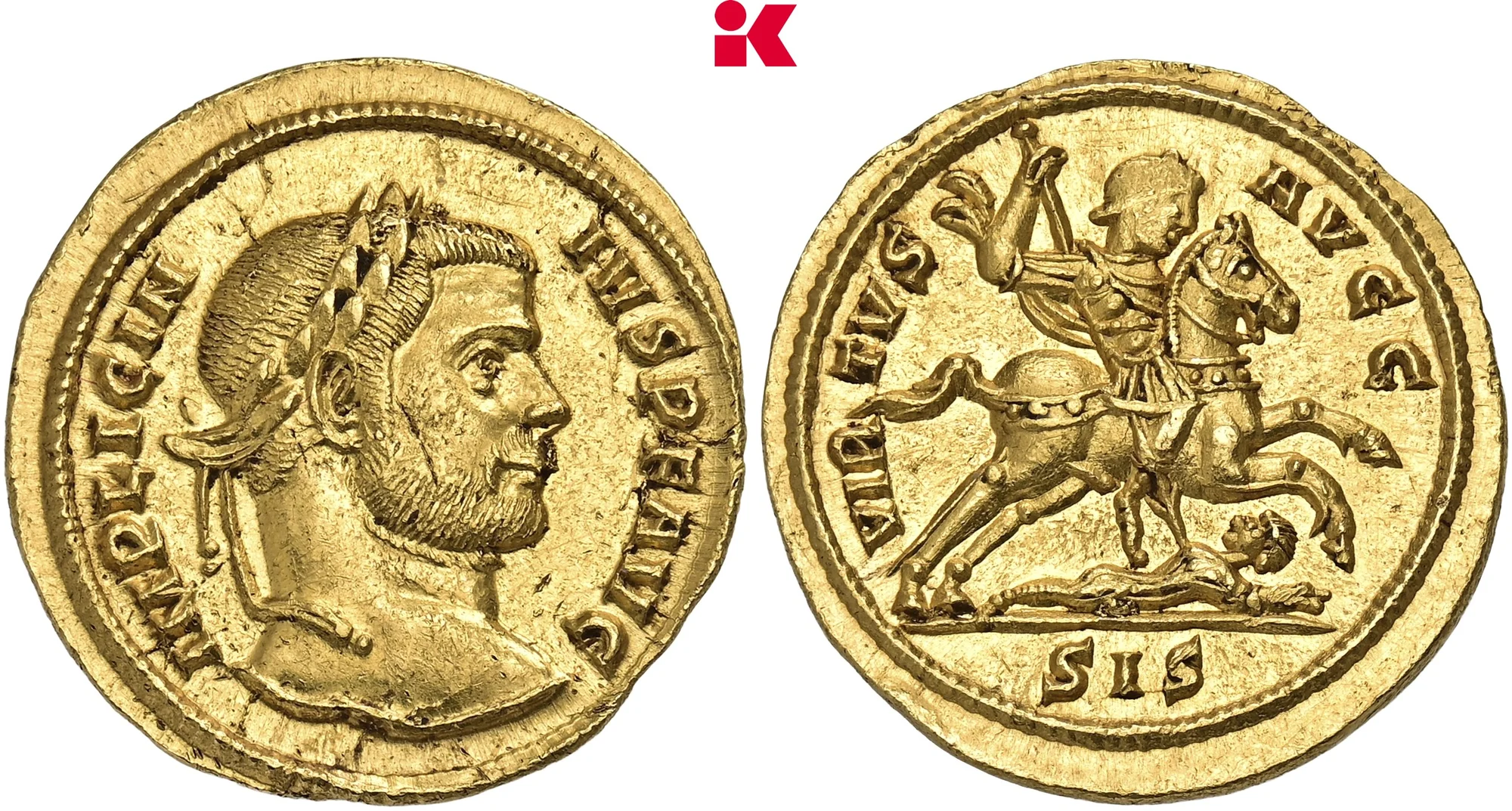
Aureus, Rome.
Very rare.
Attractive piece.
Ex Huntington (Inventar-no. ANS 1001.1.30032).
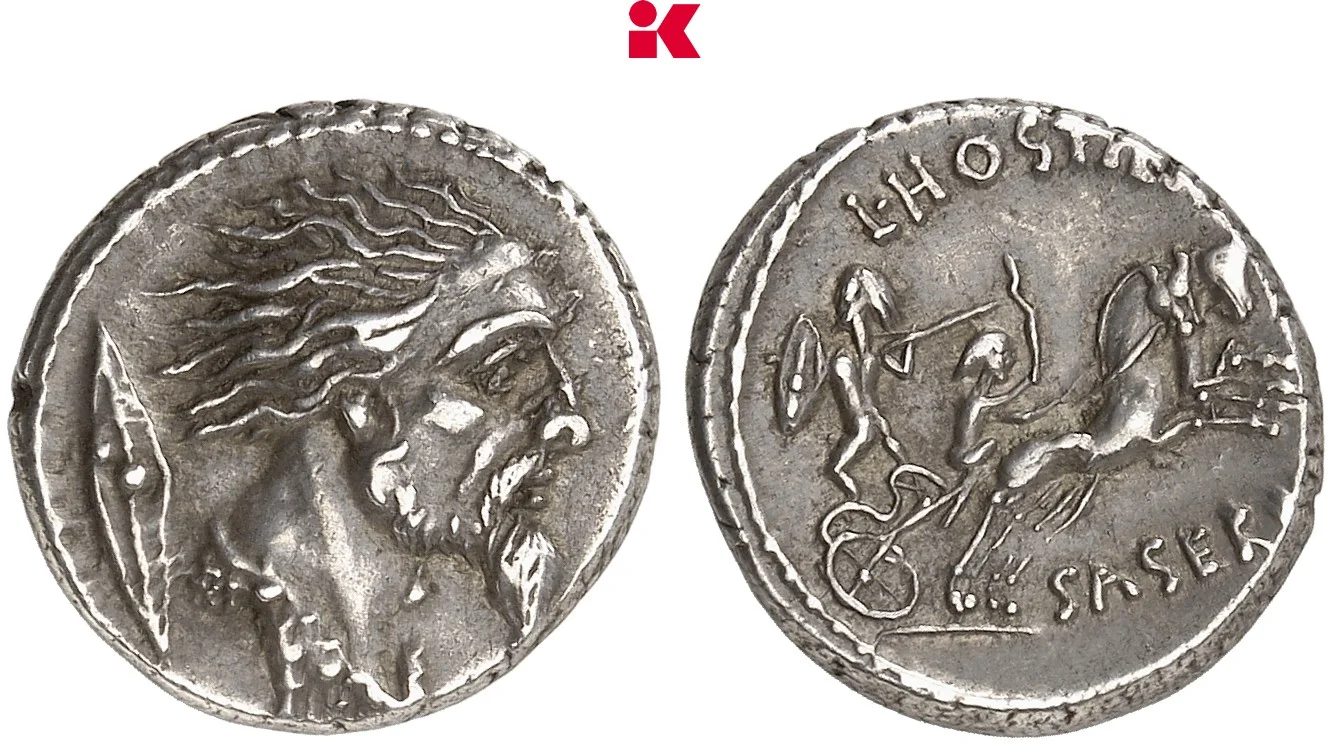
Denarius, 48 B.C., Rome.
L. Hostilius Saserna.
Very rare.
Attractive toning, extremely fine.
Ex Sternberg VI, Zürich 1976, no. 758.
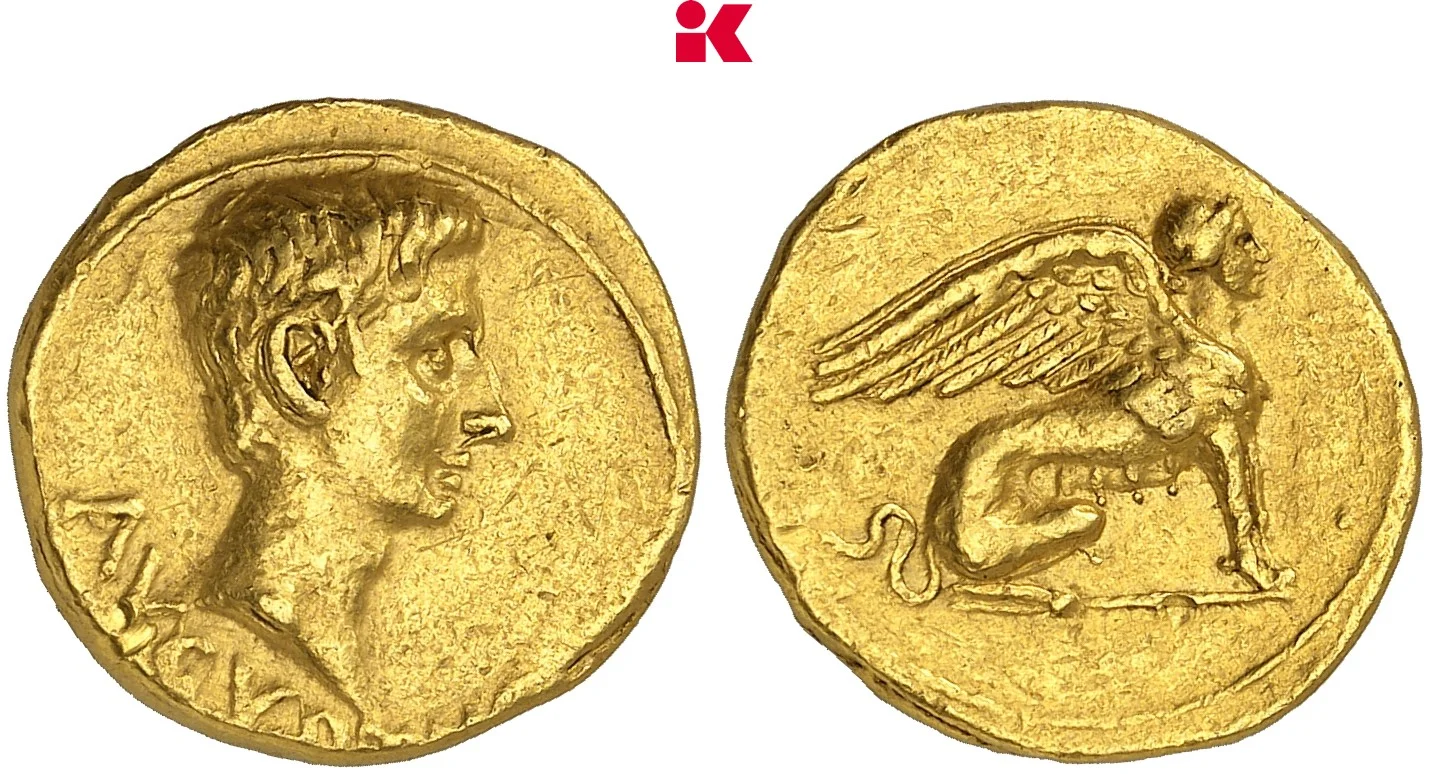
Augustus, 30 BCE–14 CE.
Aureus, 19/18 BCE, Ephesus (Ionia).
Very rare.
Min. Very fine.
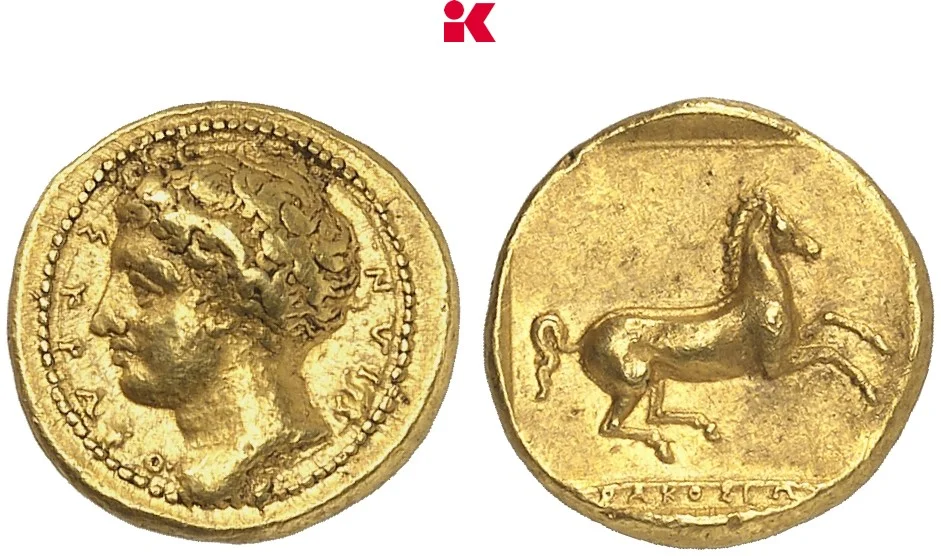
50 litren, 405/400 B.C.
Struck with a slightly rusty obverse die,
very fine-extremely fine/extremely fine.
“art.power(s).wealth” – New Special Exhibition at the Swiss Finance Museum
How does the art market work? How does the formation of prices in this market take place? What and who influences the value of artworks? The new special exhibition “art.power(s).wealth” (kunst.macht.geld) at the Swiss Finance Museum in Zurich-West shows from Friday, August 30, 2024, how the art market has developed and what parallels there are with the financial market.
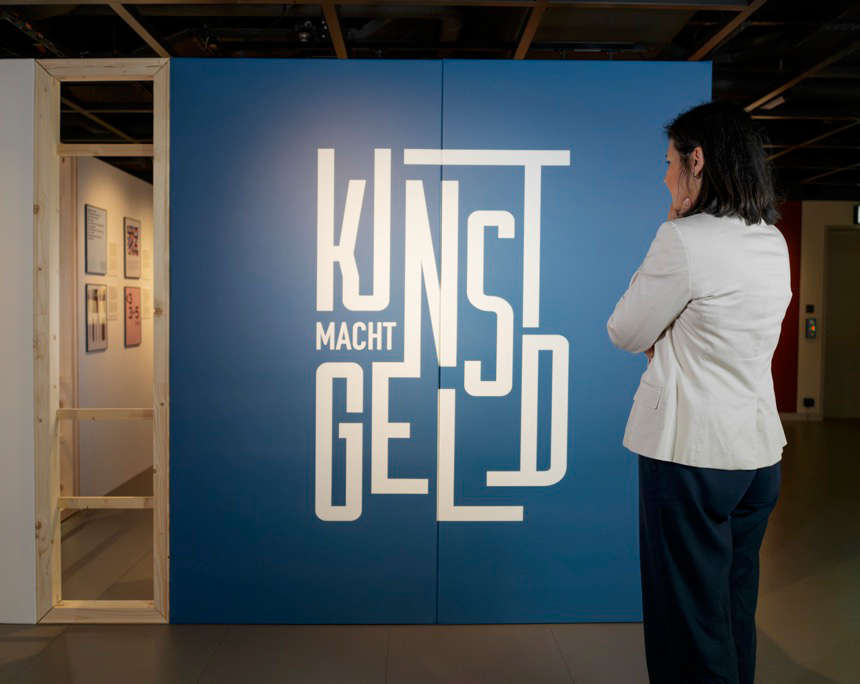
The new special exhibition is dedicated to the art market. Image: Swiss Finance Museum.
At first glance, the special exhibition “art.power(s).wealth” (kunst.macht.geld) looks like an art exhibition. Canvases where you can look at and through. However, the exhibition focuses on the market, power and money. Because art is not just pure aesthetics, the spotlight of the special exhibition is on the financial side of the art market.
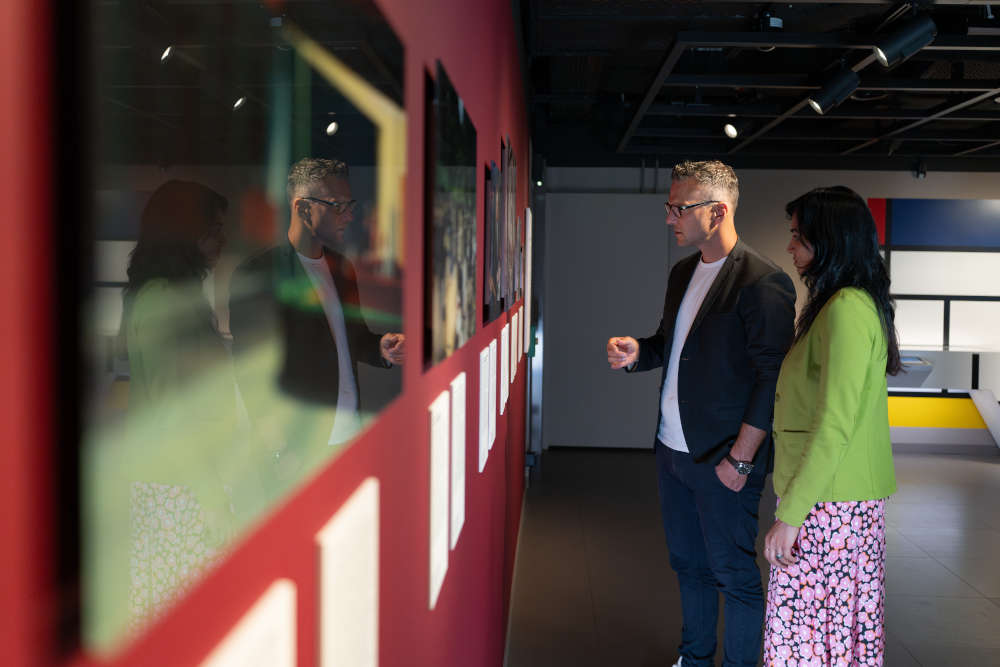
Inside view of the special exhibition. Image: Swiss Finance Museum.
A lot of money flows in the art market; sometimes considerable sums are involved. Art deals with money on various levels: for example, as an investment vehicle for private investors, as an investment for collections or museums. While art has increasingly become an attractive investment in recent years, it has always been clear to collectors that art has value – both material and immaterial. This does not necessarily correspond to the price of art.
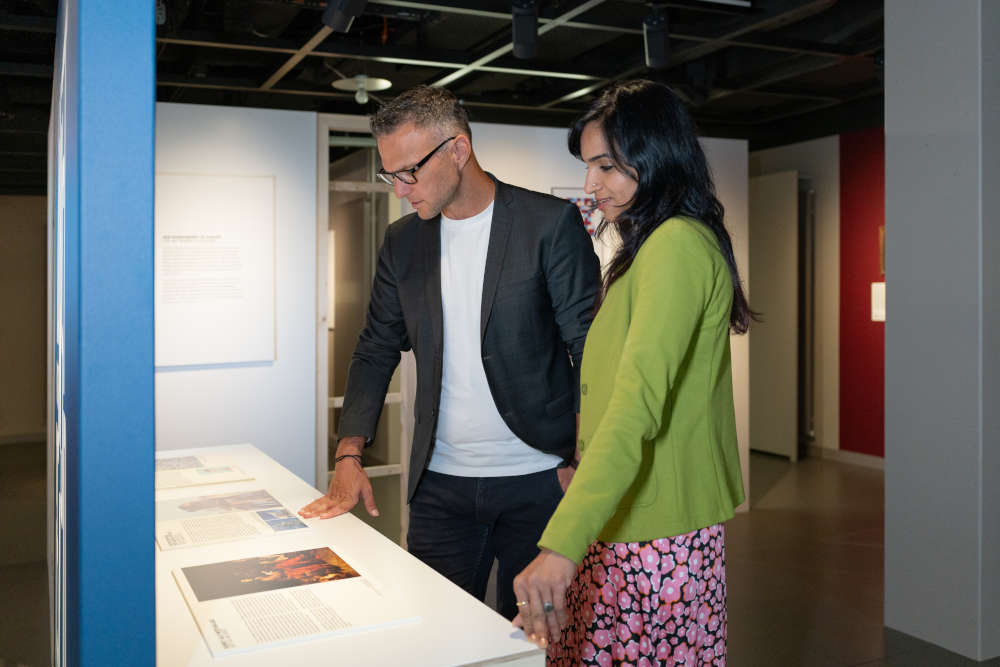
Inside view of the special exhibition. Image: Swiss Finance Museum.
The exhibition sheds light on the diverse interrelationships between art and finance and their development – particularly in painting. It shows what roles the various parties play in the market, what parallels there are with the stock market and how art influences the economy, and the economy influences art. The exhibition also looks at important trends of recent years (including the digitalization and tokenization of the market) and addresses the darker side of the art market.
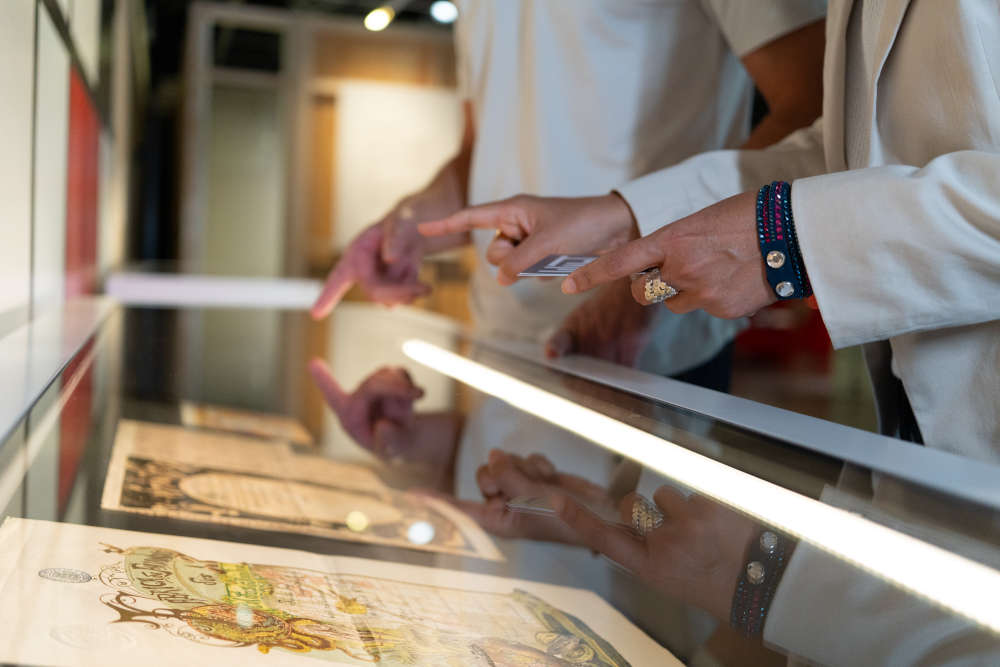
Inside view of the special exhibition. Image: Swiss Finance Museum.
The special exhibition n “art.power(s).wealth” at the Swiss Finance Museum can be visited until summer 2026. At the same time, the existing permanent exhibition can still be viewed. It brings to life the origins of the global economic system as well as the role of the stock exchange and the history of the Swiss financial center.
