







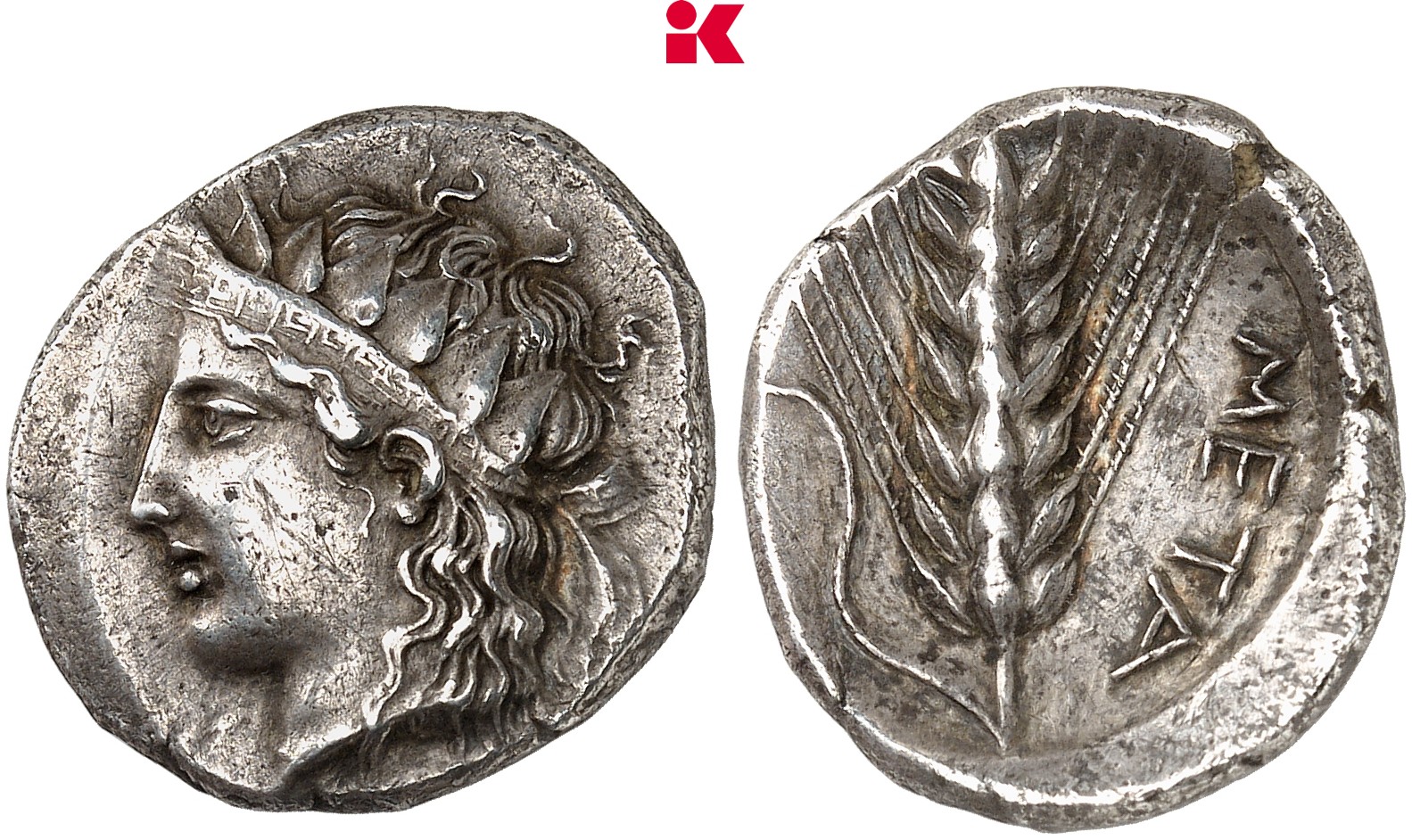
Didrachm, 400/340 BC. Attractive piece.
Very rare, particularly in this condition.
Dionysus head of the finest style.
Ex Hirsch VIII, München 1903, no. 792.
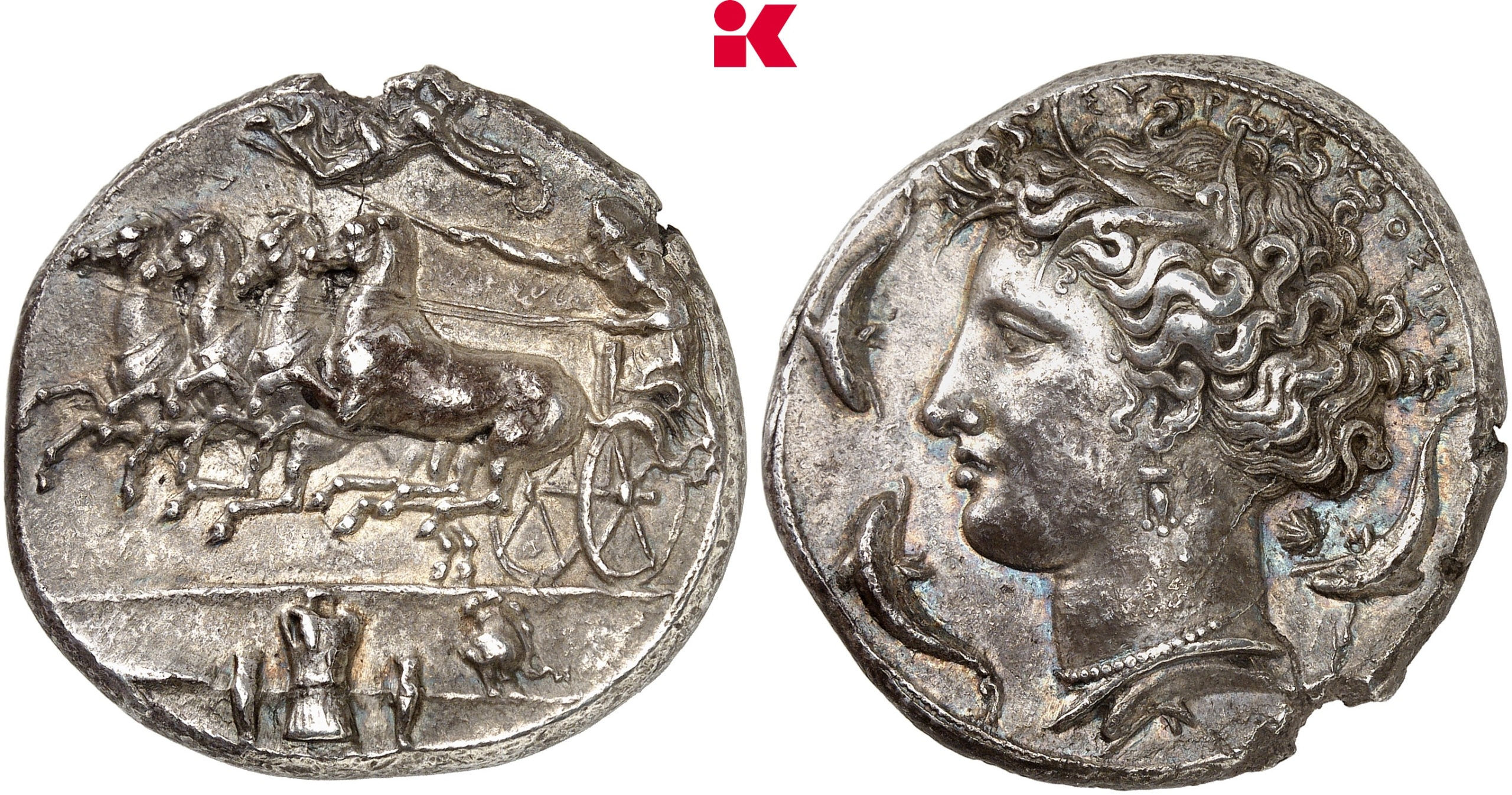
Decadrachm around 400/390 BC, unsigned.
Splendid patina, extremely fine.



Aureus, Rome.
Very rare.
Attractive piece.
Ex Huntington (Inventar-no. ANS 1001.1.30032).
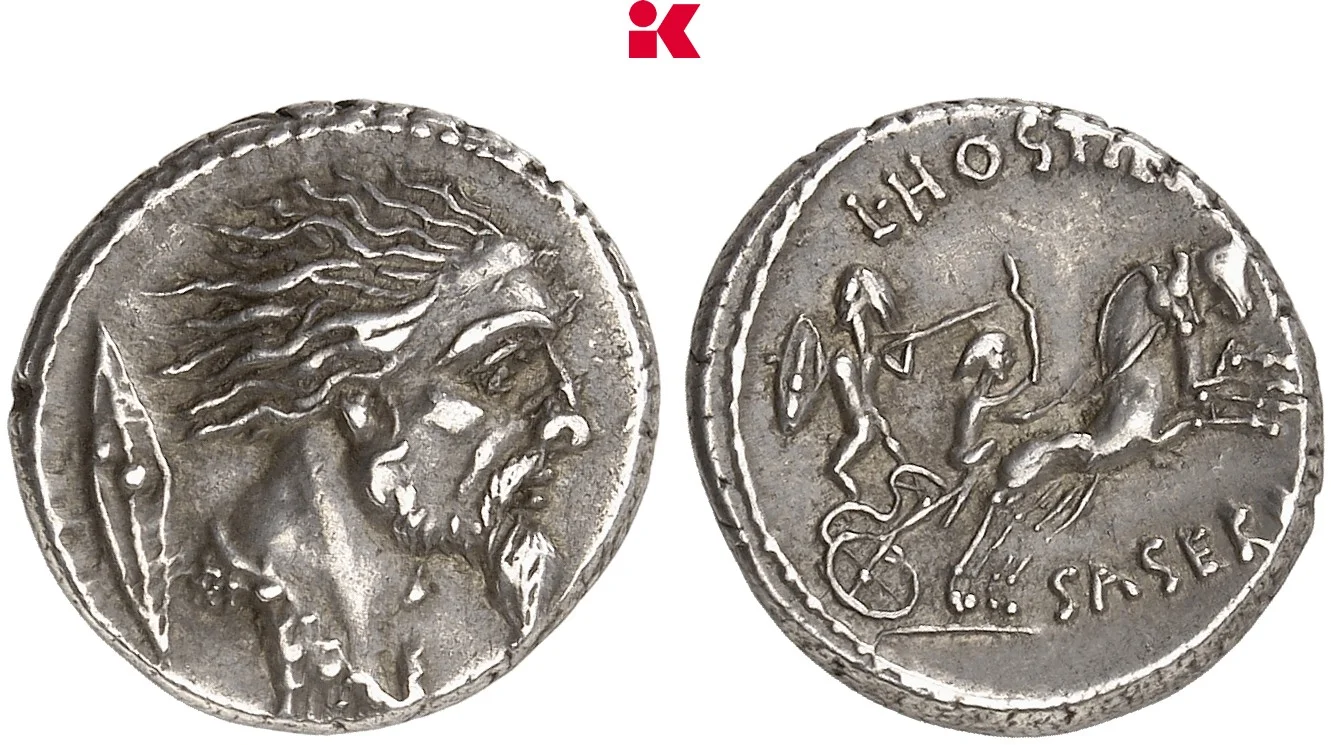
Denarius, 48 B.C., Rome.
L. Hostilius Saserna.
Very rare.
Attractive toning, extremely fine.
Ex Sternberg VI, Zürich 1976, no. 758.
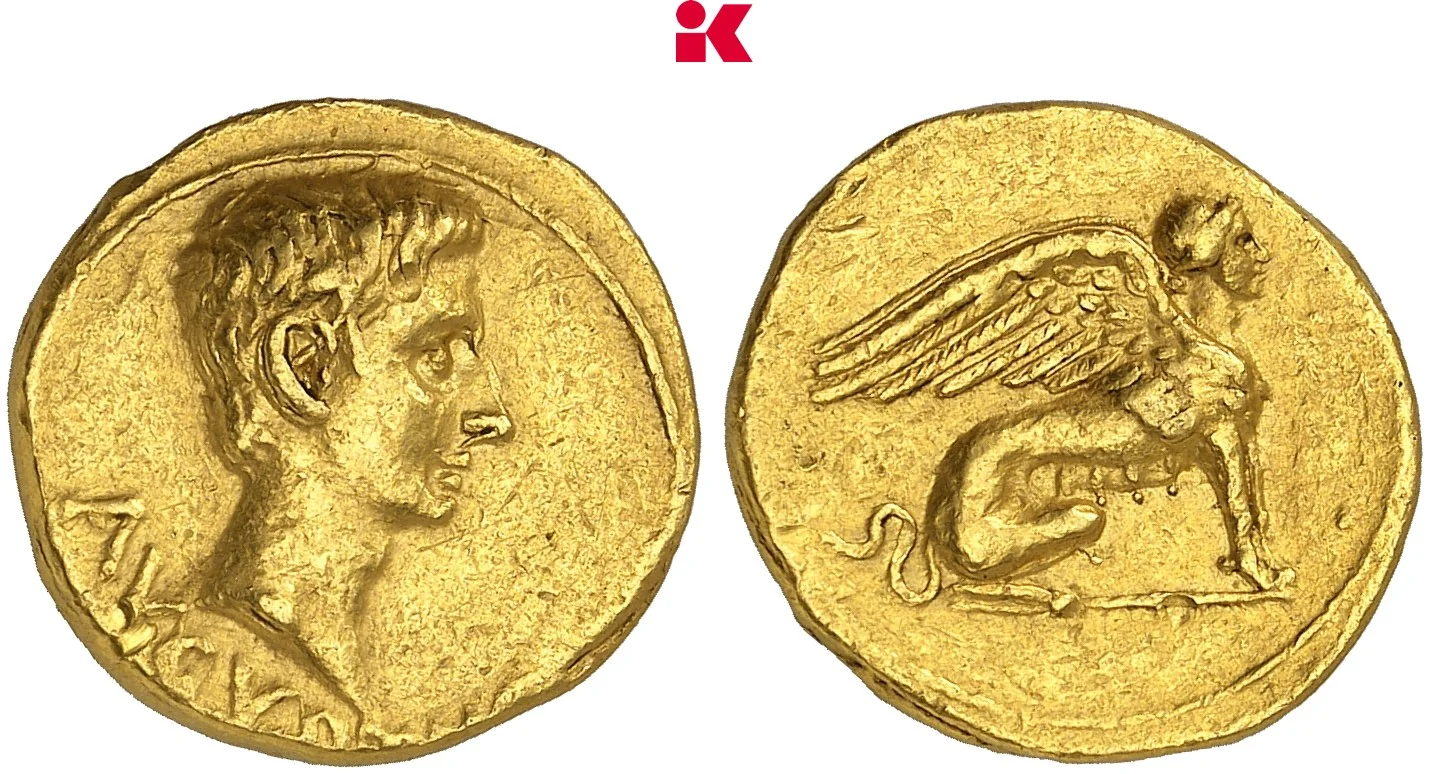
Augustus, 30 BCE–14 CE.
Aureus, 19/18 BCE, Ephesus (Ionia).
Very rare.
Min. Very fine.
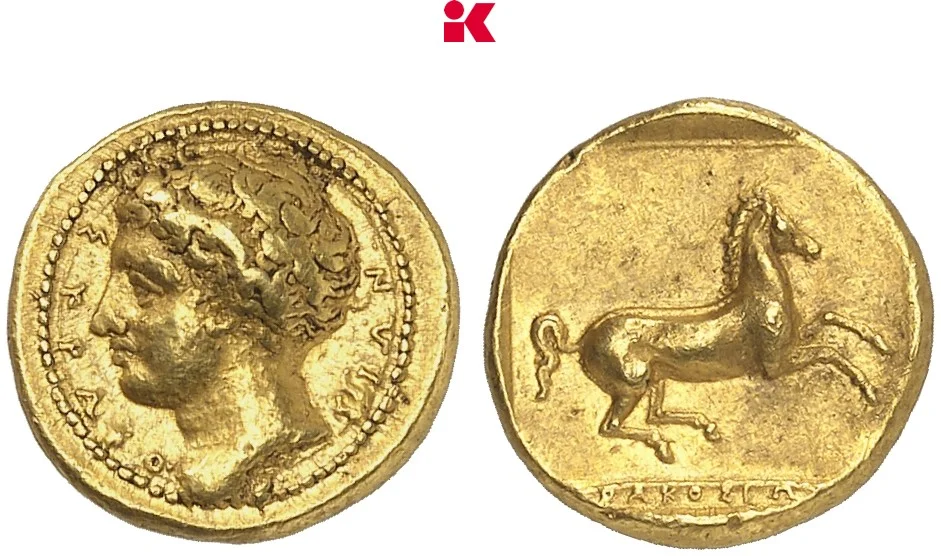
50 litren, 405/400 B.C.
Struck with a slightly rusty obverse die,
very fine-extremely fine/extremely fine.


End of “Cash Only”? Germany Plans Right to Digital Payment
By Sebastian Wieschowski
If you have ever traveled to Germany, you might have noticed a surprising detail: even in 2025, many shops, restaurants, and cafés still display signs saying “Cash Only” – something that often astonishes tourists used to more widespread digital payment options. Despite technological advancements, cash remains deeply rooted in Germany’s payment culture. Even today, many small businesses, restaurants, and service providers prefer or exclusively accept cash payments. Surveys consistently show that a majority of Germans value cash for its anonymity, security, and reliability, especially in everyday transactions.
Content

“Today: Cash payments only” – Signs like these are pretty common in Germany, but they might be illegal soon. Stock photo: OpenAI
However, this situation may soon change. The federal government is planning to introduce a law requiring businesses to offer at least one digital payment method alongside cash. Supported by major parties such as CDU/CSU and SPD, the initiative is officially intended to meet consumers’ increasing demand for more flexible payment choices.
A recent survey by the Allensbach Institute for Public Opinion Research indicates strong public support for this move: around 50 percent of Germans favor mandatory digital payment options. Particularly younger consumers are embracing mobile payment technologies – 70 percent of 16- to 29-year-olds expect to use smartphones or smartwatches as their standard method of payment in the future. Nevertheless, observers continue to ask whether there might be additional motives behind the new legislation.
Societal Change or Increased Monitoring?
Officially, the proposed legal change is framed as a response to shifts in payment behavior. Cashless transactions have been gaining ground for years: according to survey data, 76 percent of Germans expect the girocard (Germany’s domestic debit card) to be their primary payment method going forward, compared to just 53 percent who foresee continued frequent use of cash.
In this context, industry representatives such as Ingo Limburg from the Initiative Deutsche Zahlungssysteme highlight the strategic importance of maintaining European-owned payment systems to safeguard Germany’s economic sovereignty.
Retailers Concerned About Rising Costs
However, not everyone welcomes the government’s plans. The German Retail Federation (HDE) warns of unintended consequences. According to Ulrich Binnebößel, Head of Payment Transactions at HDE, digital payment options are already widely available in German retail. He argues that a legal mandate would primarily benefit payment service providers and lead to higher costs for retailers.
Moreover, the draft legislation leaves open important details, such as which types of cashless payments (e.g., credit cards, mobile wallets, national schemes) would have to be accepted.
This leads to broader concerns: is the true intention solely to empower consumers – or is there also a desire to make payment flows more transparent and thus easier to monitor? It is well known that cashless payments significantly hinder black market activities and tax evasion, although this aspect has barely been mentioned in public discussions so far.
Strengthening Payment Diversity, Not Limiting It
The HDE proposes an alternative approach: rather than imposing obligations, the government should encourage the development and adoption of affordable and efficient digital payment solutions. Competition between providers would drive innovation while preserving the freedom of choice.
At the same time, the Federation stresses that cash must remain a robust, crisis-resistant form of payment. A compulsory shift toward digital payments could ultimately erode public trust rather than strengthening it.