







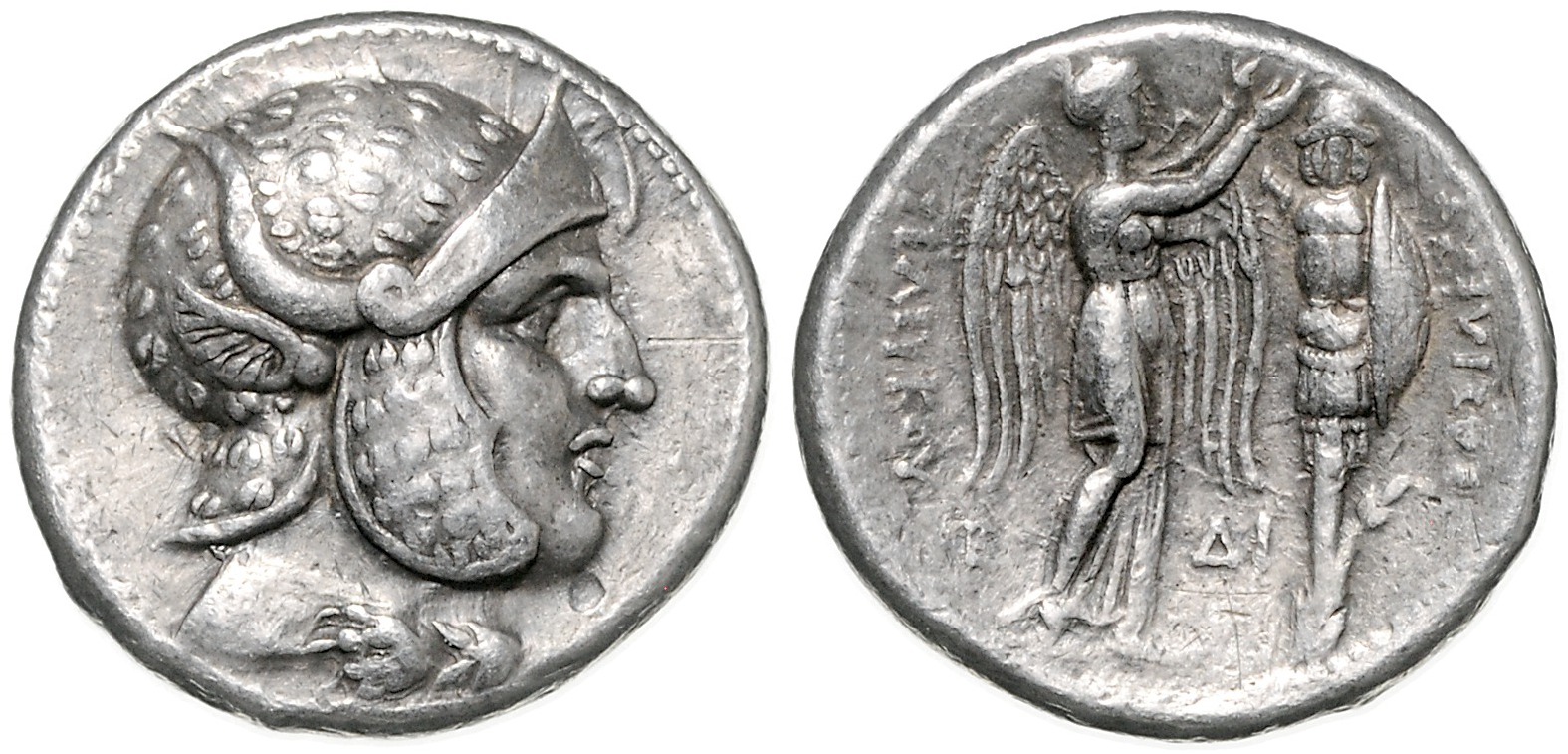
Seleucus I Nicator (312–280 BC),
AR tetradrachm, Susa.
Condition: beautiful patina, near ef.
Video highlight: Watch now!
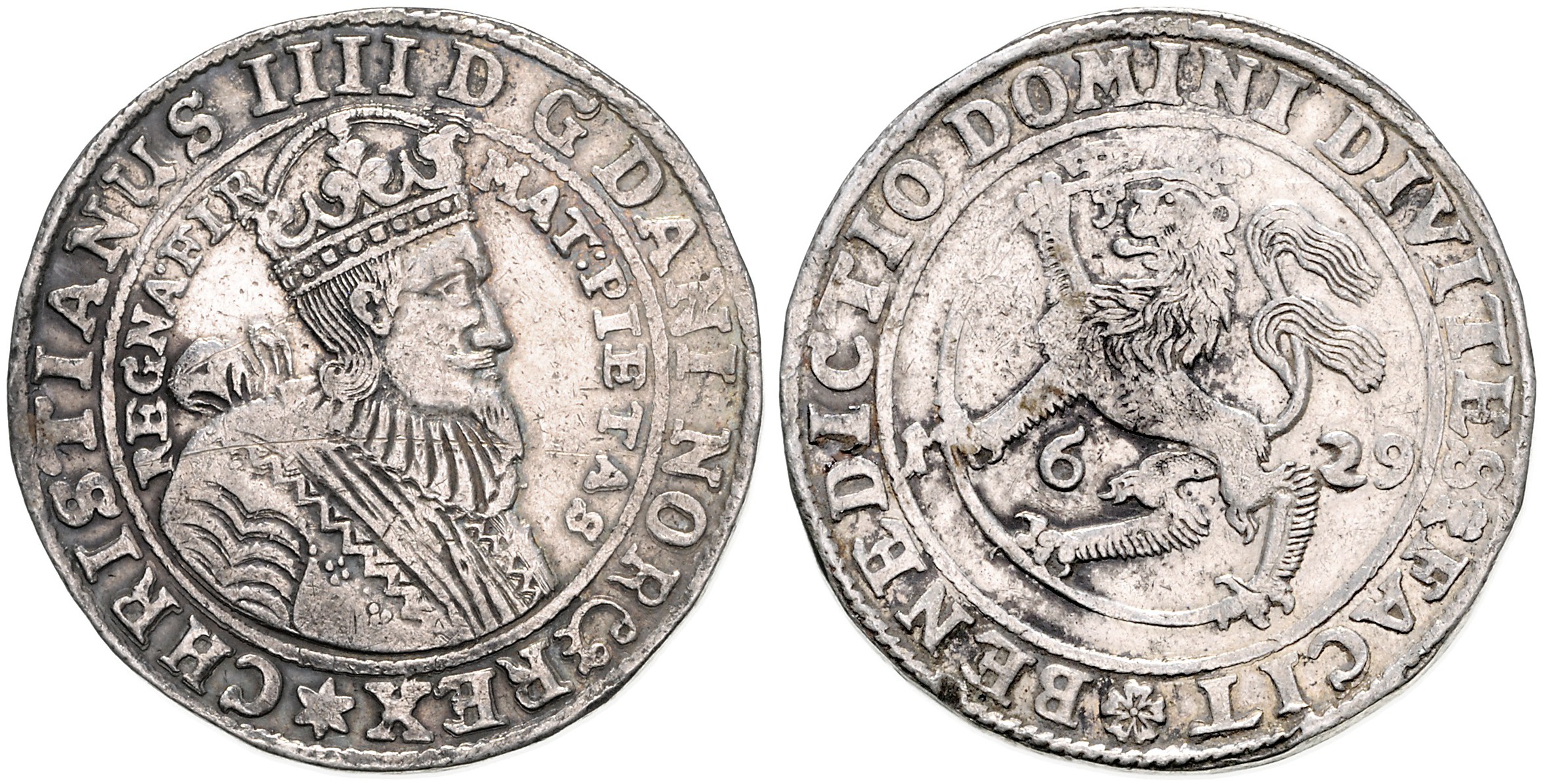
Christian IV (1588–1648),
Speciedaler 1635, Christiana (Oslo).
Condition: rare, vf+ .
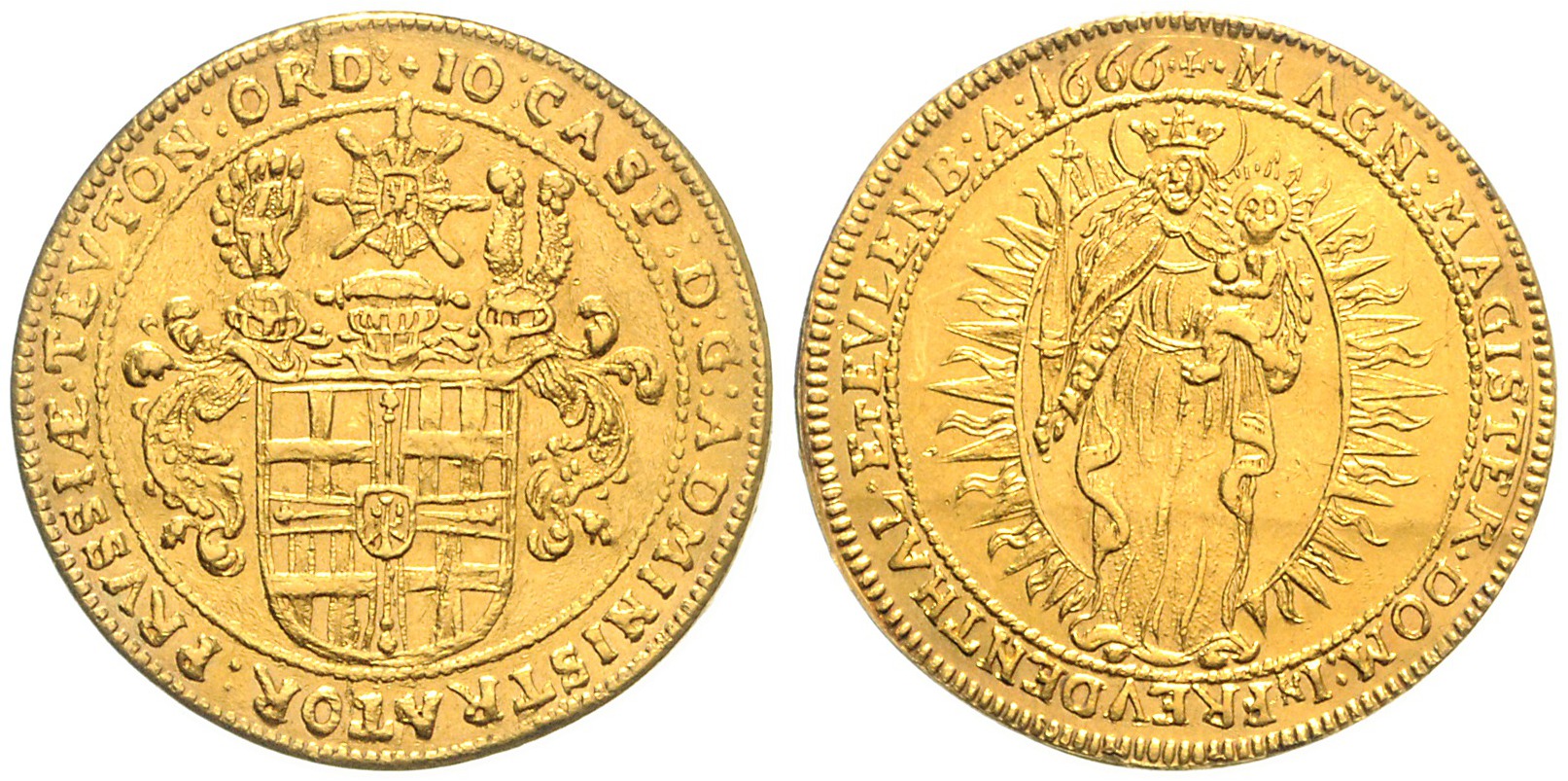
Johann Kaspar (1664–1684),
double ducat 1666.
Condition: rare, ef.
Video highlight: Watch now!
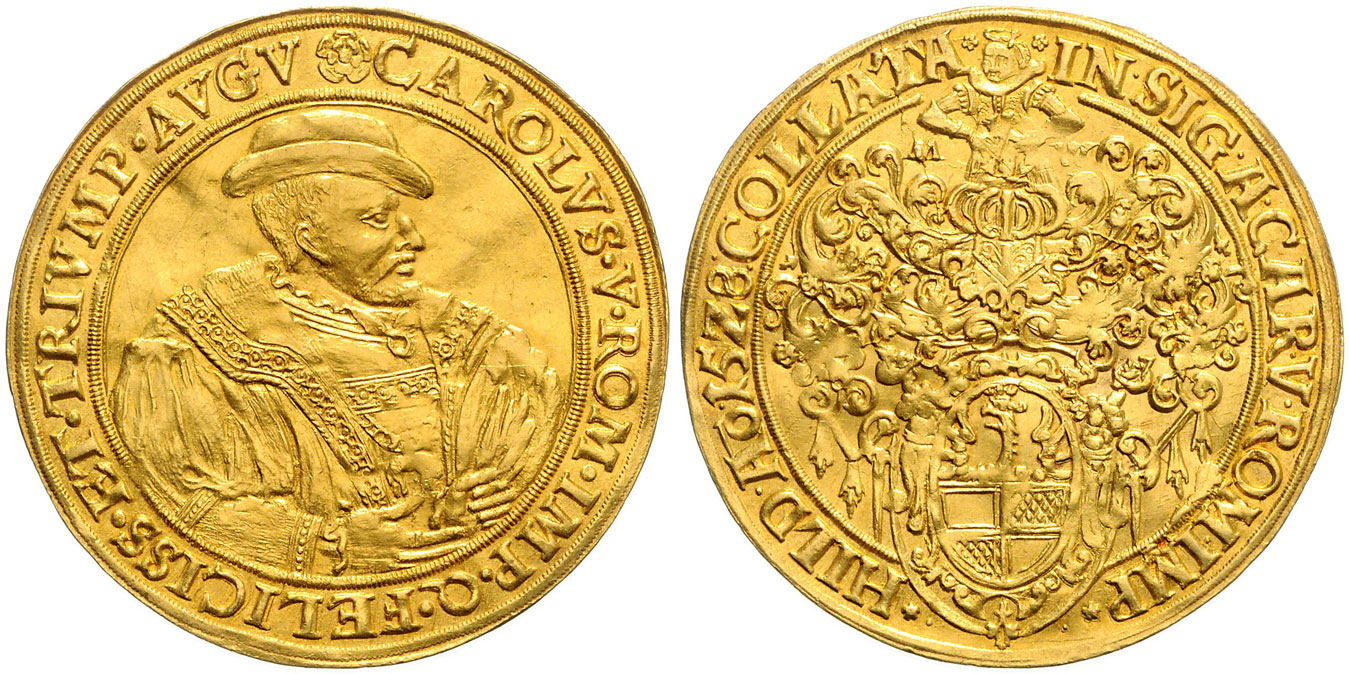
5 gold guilders, 1528 (minted 1614–1620),
bearing the title of Charles V.
Condition: slightly worked, ef.
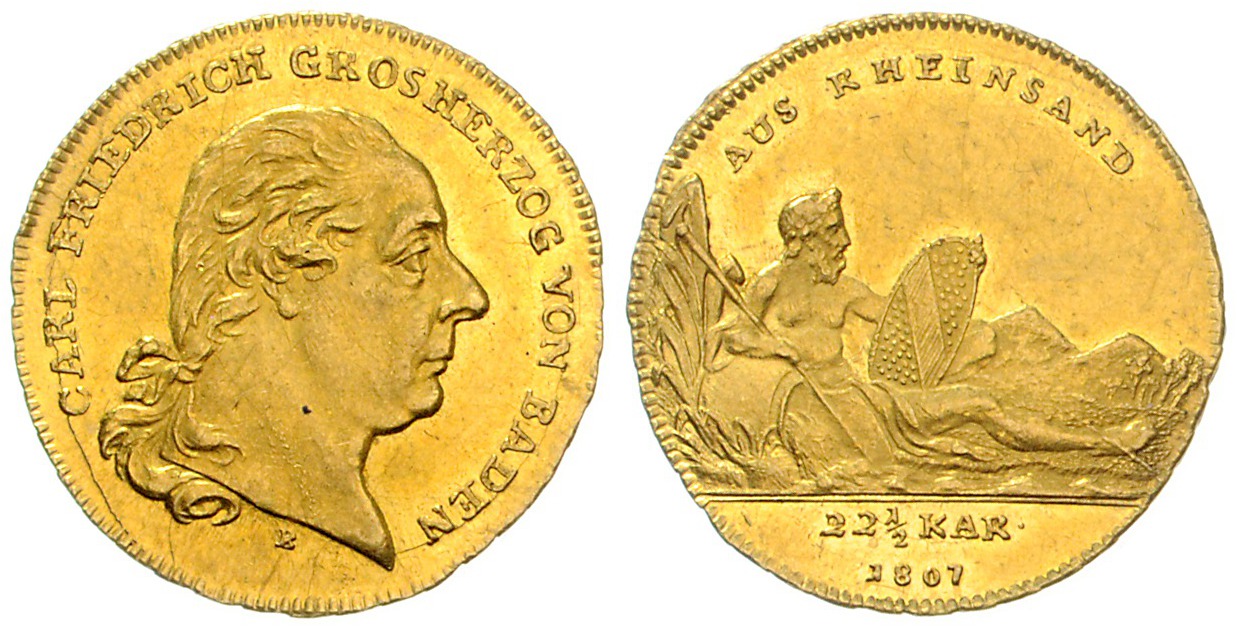
Carl Friedrich (1806–1811),
Rhine gold ducat 1807.
Condition: rare, near ef/ef.
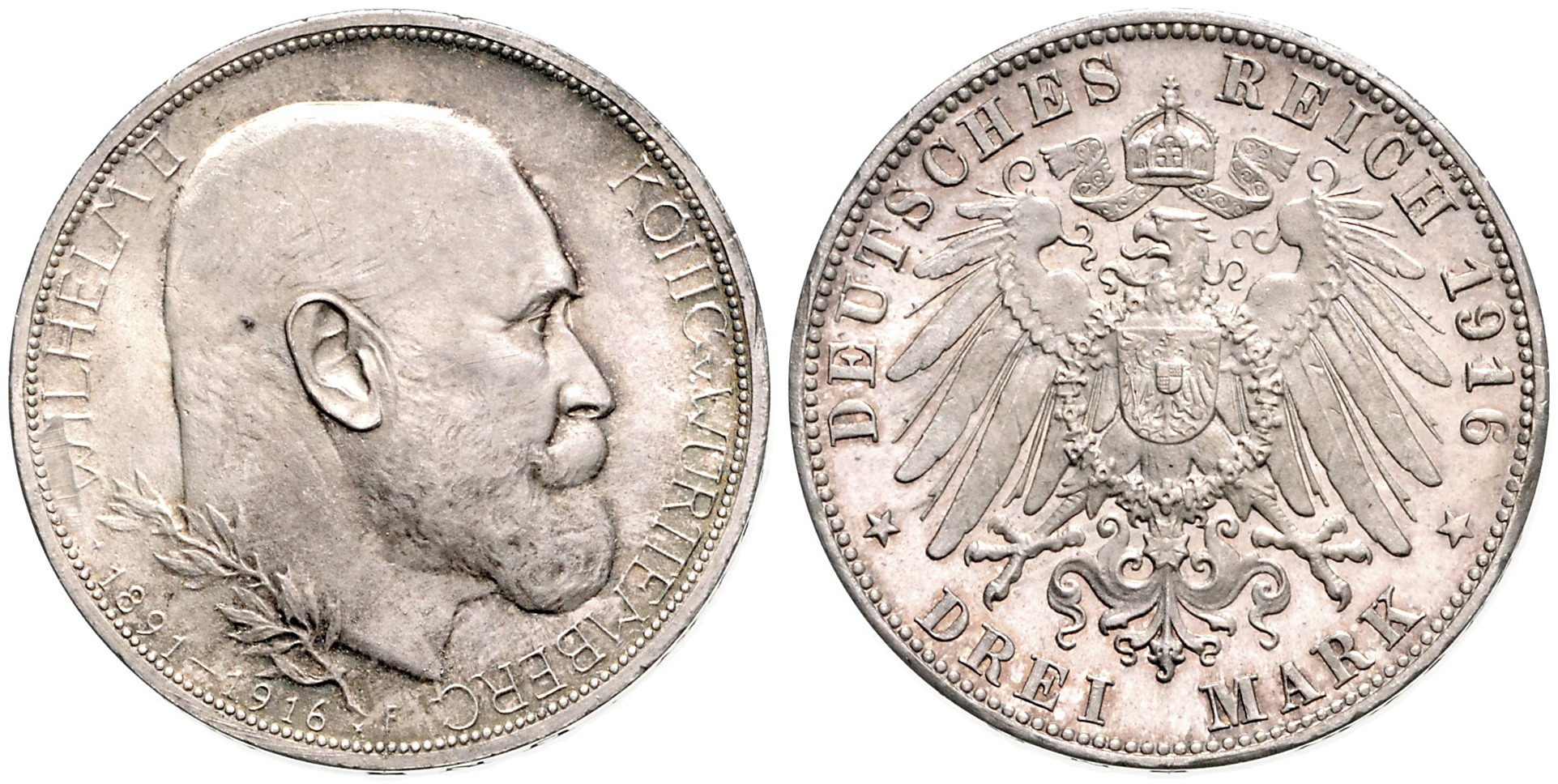
Wilhelm II. (1891-1918),
3 Mark 1916 F.
Condition: first strike
Video highlight: Watch now!
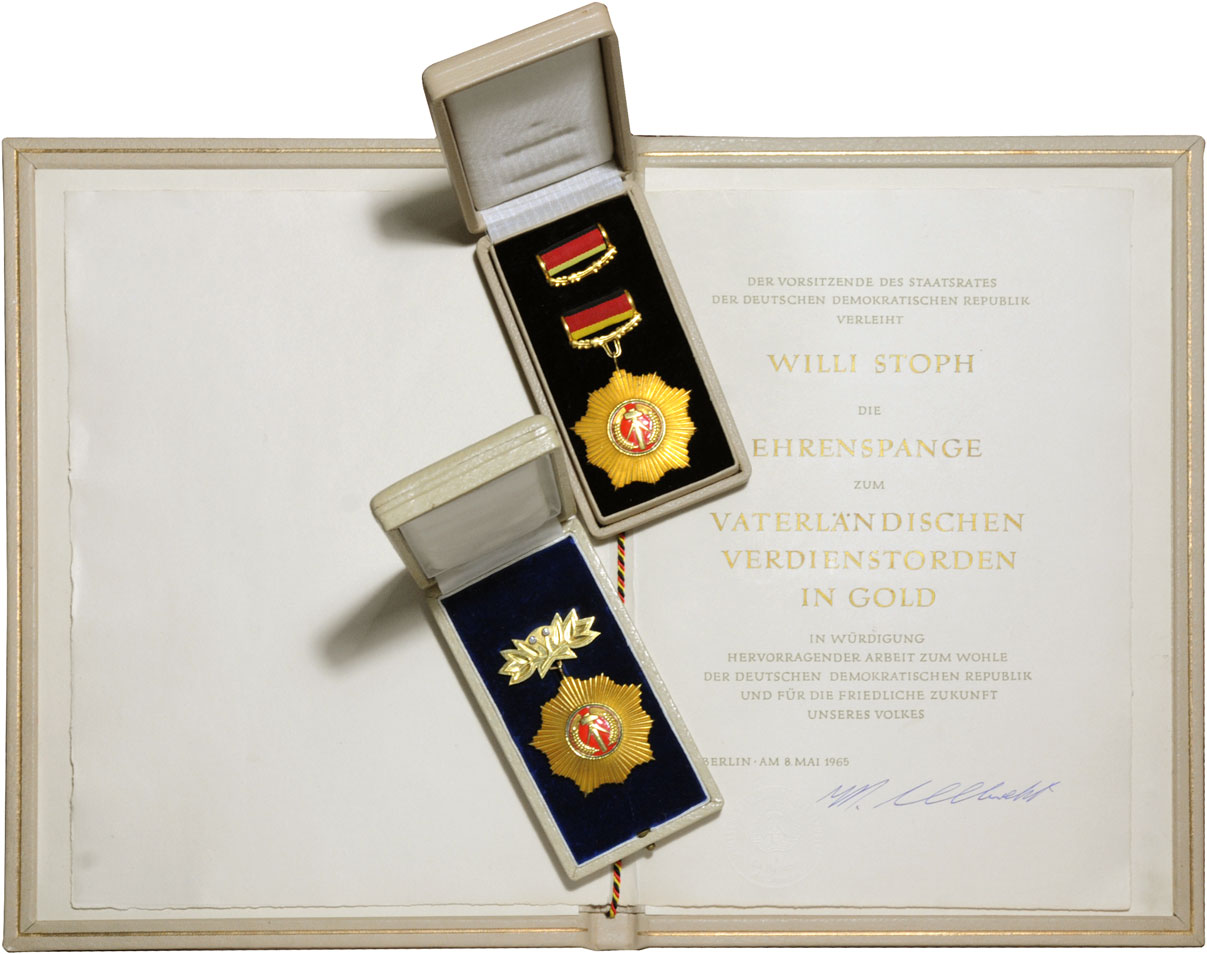
Collection from the estate of
Willi Stoph (SED official).
Set of decorations, including a certificate and
a charcoal drawing.
Condition: very rare, ef.
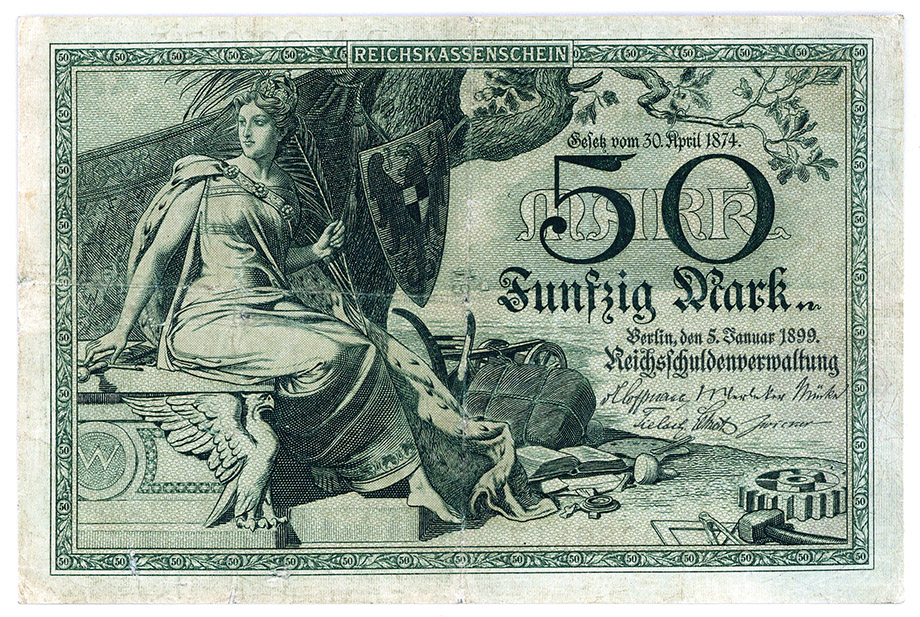
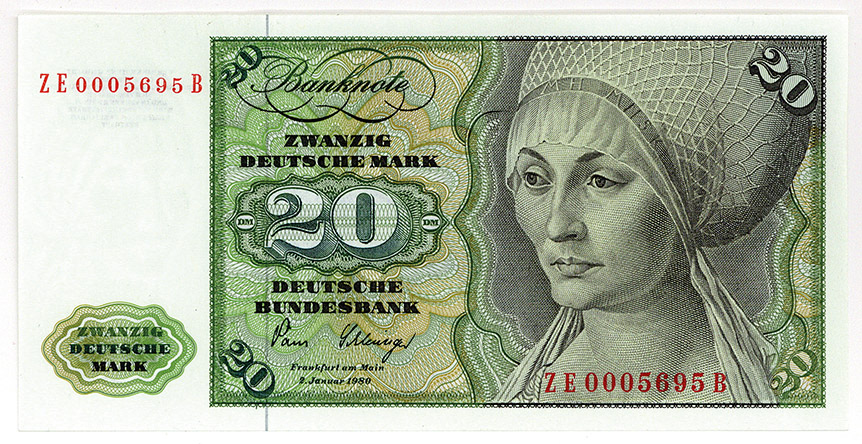
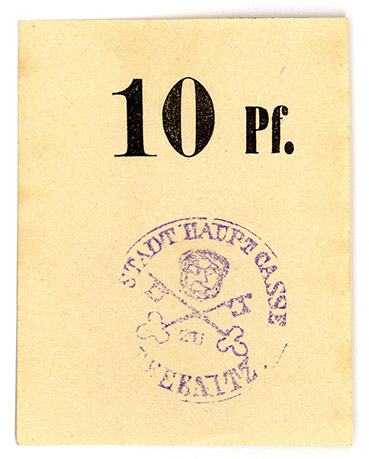
50 Marks,
January 5, 1899.
Condition: very rare, III-/IV+.
Famous Dacian Helmet Stolen – Thieves Blasted Their Way Into the Museum
On the night of 24 to 25 January, a museum in Assen, Netherlands, was targeted by thieves. They stole four important Dacian gold objects from a temporary exhibition – including the famous Coțofenești helmet. Do we have to worry about it being melted down as well?
Content
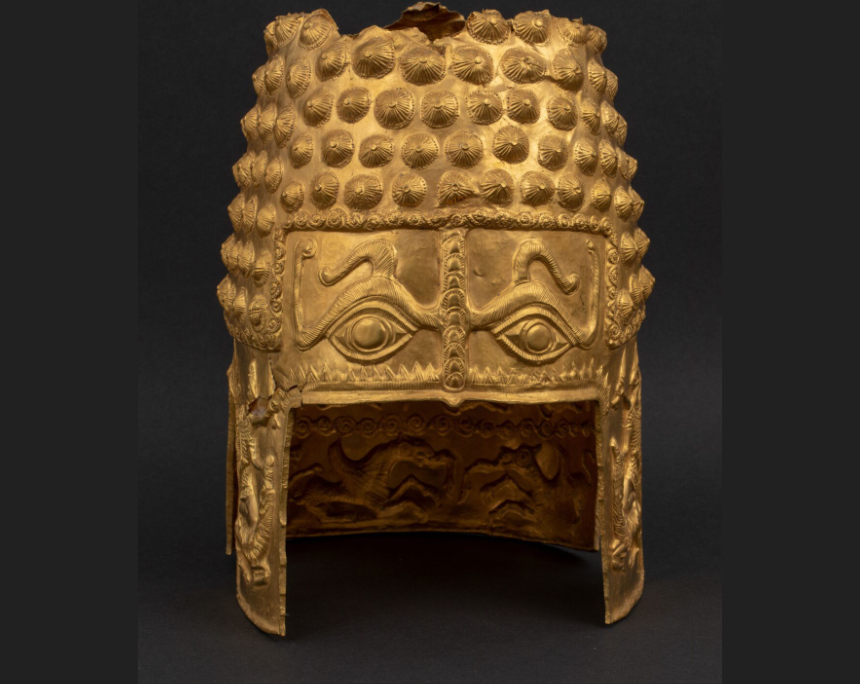
The famous Coțofenești gold helmet, created ca. 450 BC. It has a weight of about one kilogram. Photo: Ing. Marius Amarie / Drents Museum.
In the night of 24 to 25 January 2025, several archaeological pieces were stolen from the Drents Museum in Assen, Netherlands. These were masterpieces from the exhibition Dacia – Empire of Gold and Silver, including the Coțofenești helmet (c.450 BC) from the National History Museum of Romania in Bucharest. Around 03:45 am, police received a report of an explosion. At the scene, it became clear that access had been gained to the property by forcing a door with explosives. Three thieves forced their way into the museum and needed only 3 minutes to disappear again with their loot. Four archaeological masterpieces were captured in the museum; in addition to Coțofenești’s helmet, three bracelets were taken.
Statements From the Director and the Mayor
General director of the Drents Museum, Harry Tupan said: “This is a dark day for the Drents Museum in Assen and the National History Museum of Romania in Bucharest. We are intensely shocked by the events last night at the museum. In its 170-year existence, there has never been such a major incident. It also gives us enormous sadness towards our colleagues in Romania. The police are investigating, we are awaiting the outcome of that.”
Mayor of Assen, Marco Out also gave a statement: “After the events, there was contact with the King’s Commissioner and the Deputy, who came to the scene. Several ministries are involved, including the Minister of Foreign Affairs. Like others, I am shocked. I naturally sympathise with the owner of these pieces, the museum in Bucharest Romania. Assen and the Drents Museum are closely linked, so I sympathise with the museum’s staff and management. This is something you don’t want as a museum, but also as a city and province.”
The explosion damaged the museum’s premises. No one was injured and no one has yet been arrested.
Investigations
Police are conducting further investigations at the scene. Among other things, neighbourhood searches are being conducted, forensic investigation is in place and CCTV footage is being requested and reviewed. The police are committed to locating both the suspects and the stolen masterpieces. In doing so, the investigation team has also decided to involve Interpol. That is an international organisation that helps police organisations prevent and fight crime. For more information on the investigation, please visit the police website. Here you can read, among other things, how to contact the police to pass on a tip or share camera images.

Side view of the helmet with magnificent mythological scenes. Photo: Radu Oltean via Wikimedia Commons / CC BY-SA 3.0
The Coțofenești Helmet
After a heavy rainstorm in 1927, children from a village in Prahova County in Romania discovered the helmet on the slope of a hill while playing. The rain had washed away the ground under which it lay. The children didn’t know what it was. They played with it and took it home. The helmet was used there as a water bowl for the animals for a while.
Now we know that this helmet is very special. It was used as a showpiece helmet and has depictions from the Getic mythology. The decorations are special, because they show different cultural influences. The eyes are inspired by Corinthian or Chalcidian helmets. These were said to deter the enemy during battle and protect the wearer from the ‘evil eye’. The weapons, clothing and fantastic beasts come from Eurasian steppe peoples and the sphinx is inspired by Greek mythology.

One of the stolen objects: Dacian bracelet from Sarmizegetusa Regia, 50 BCE, National History Museum of Romania. Photo: Ing. Marius Amarie / Drents Museum.

One of the stolen objects: Dacian bracelet from Sarmizegetusa Regia, 50 BCE, National History Museum of Romania. Photo: Ing. Marius Amarie / Drents Museum.
Golden Bracelets
These bracelets have only been found in the Dacian capital Sarmizegetusa Regia. There are 24 in total and they all come from sacrificial pits in the religious part of the city. If you look closely, you can see that the decorations are different. Some have wolf fur and others have scales. They were never worn, but were put directly into the royal treasury and later they were offered.
The gold used to make these bracelets came from a location 80-120 km north of Sarmizegetusa Regia. Silver versions of this bracelet have also been found outside the capital. These were worn though, on the upper arm. The goldsmiths who made the silver version must have seen the gold bracelets up close.
An Unfathomable Loss
It is to be hoped that these priceless ancient cultural artefacts will not suffer the same fate as the Celtic coin hoard from Manchingen, which was melted down to be sold at its gold value. The destruction of the helmet would be an unfathomable loss. The Romanian cultural journalist Claudia Marcu, who has lived in the Netherlands for over 20 years, spoke in an interview with Dutch broadcaster NOS about the enormous importance and popularity of the helmet in Romania, where every child is said to know it. The loss, she added, hurts Romanians in the same way that it would hurt the Dutch if Rembrandt’s Night Watch had been stolen.
Evidence of the break in can allegedly be found in this CCTV footage:
Here you can visit the museum’s website with the statement.
Here is the statement issued by the police.
Here you can find out more about the Dacia exhibition, which can no longer be visited.
The helmet has its own Wikipedia entry.
In late November, CoinsWeekly reported on two robberies at French museums.