







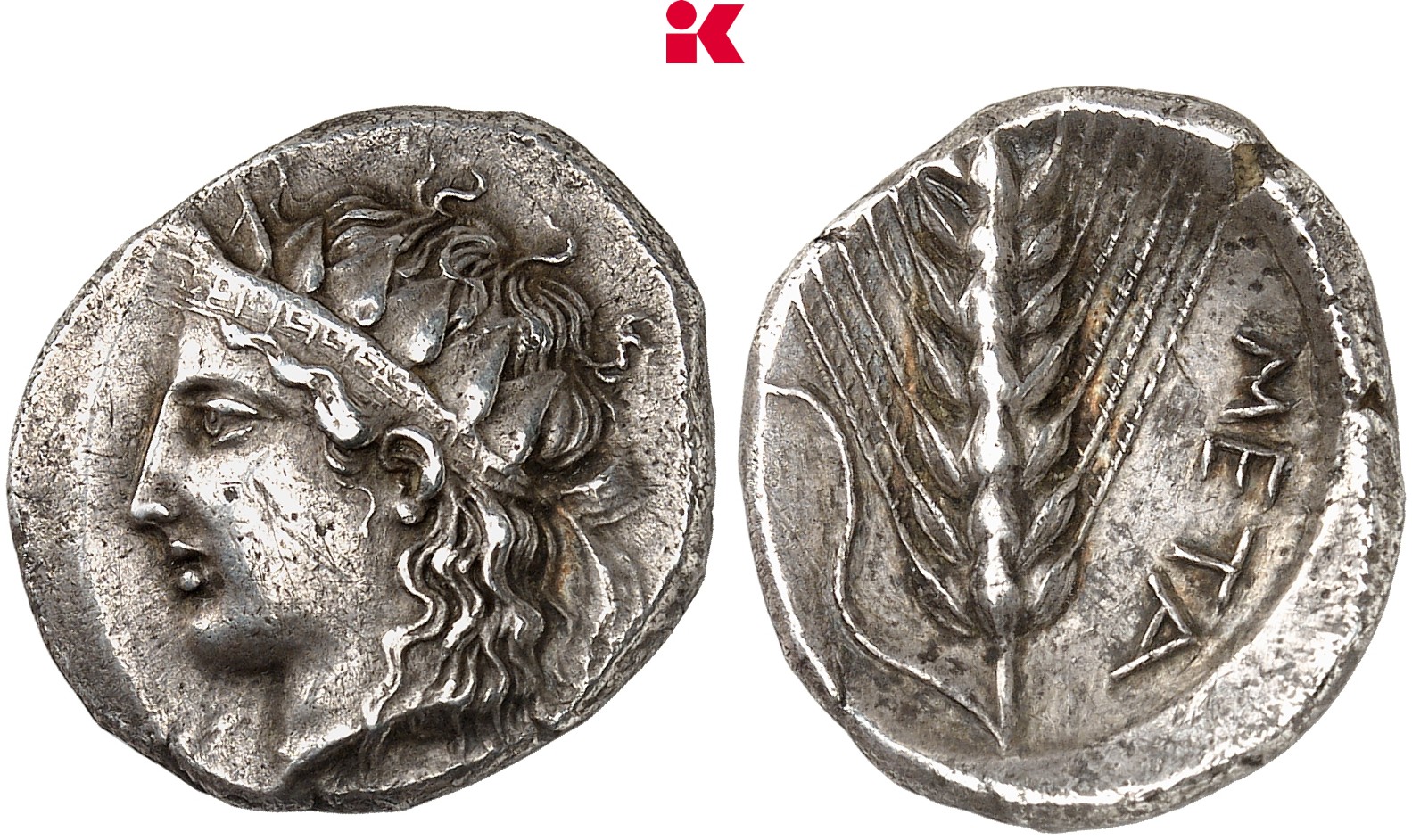
Didrachm, 400/340 BC. Attractive piece.
Very rare, particularly in this condition.
Dionysus head of the finest style.
Ex Hirsch VIII, München 1903, no. 792.
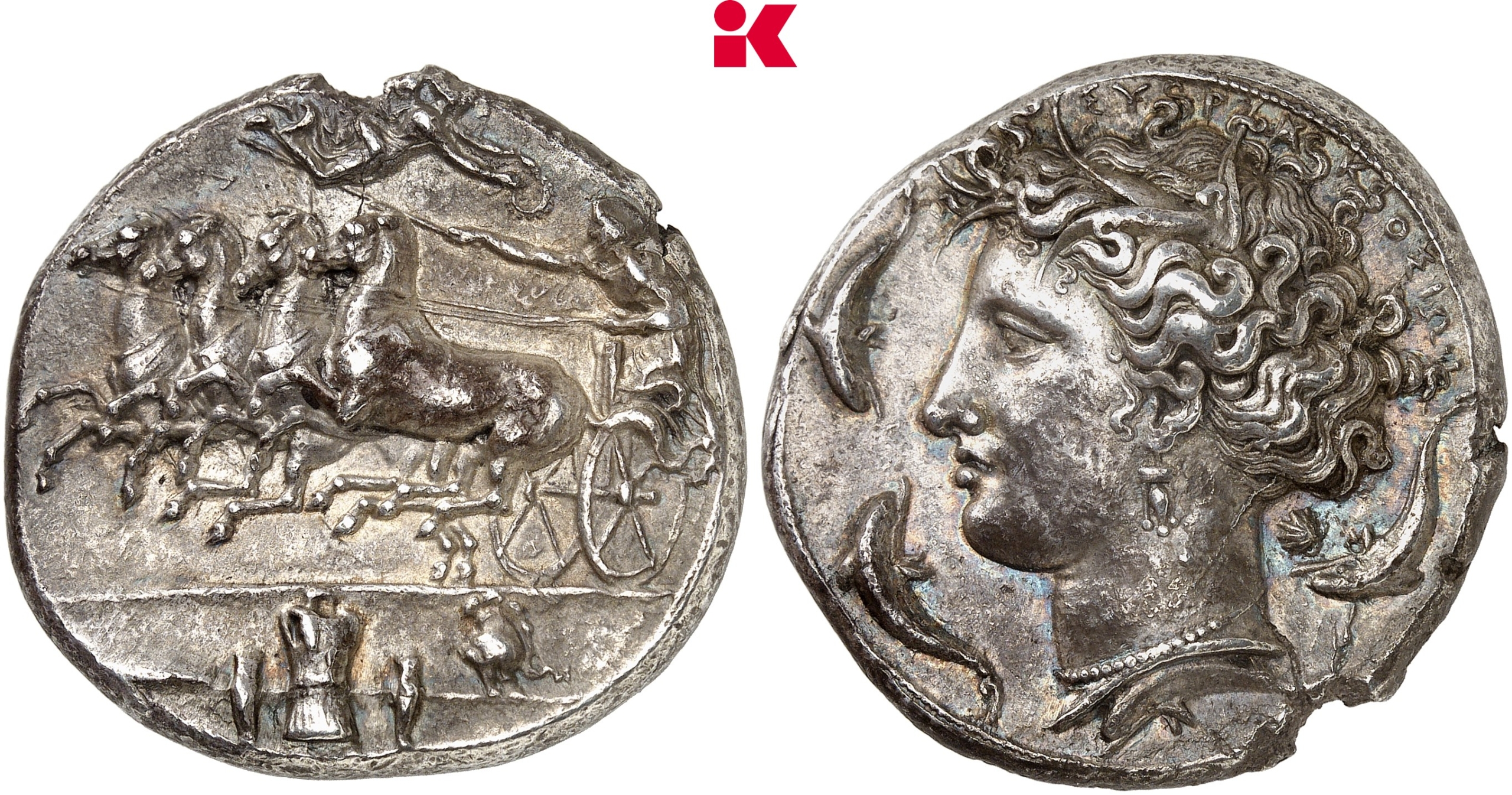
Decadrachm around 400/390 BC, unsigned.
Splendid patina, extremely fine.
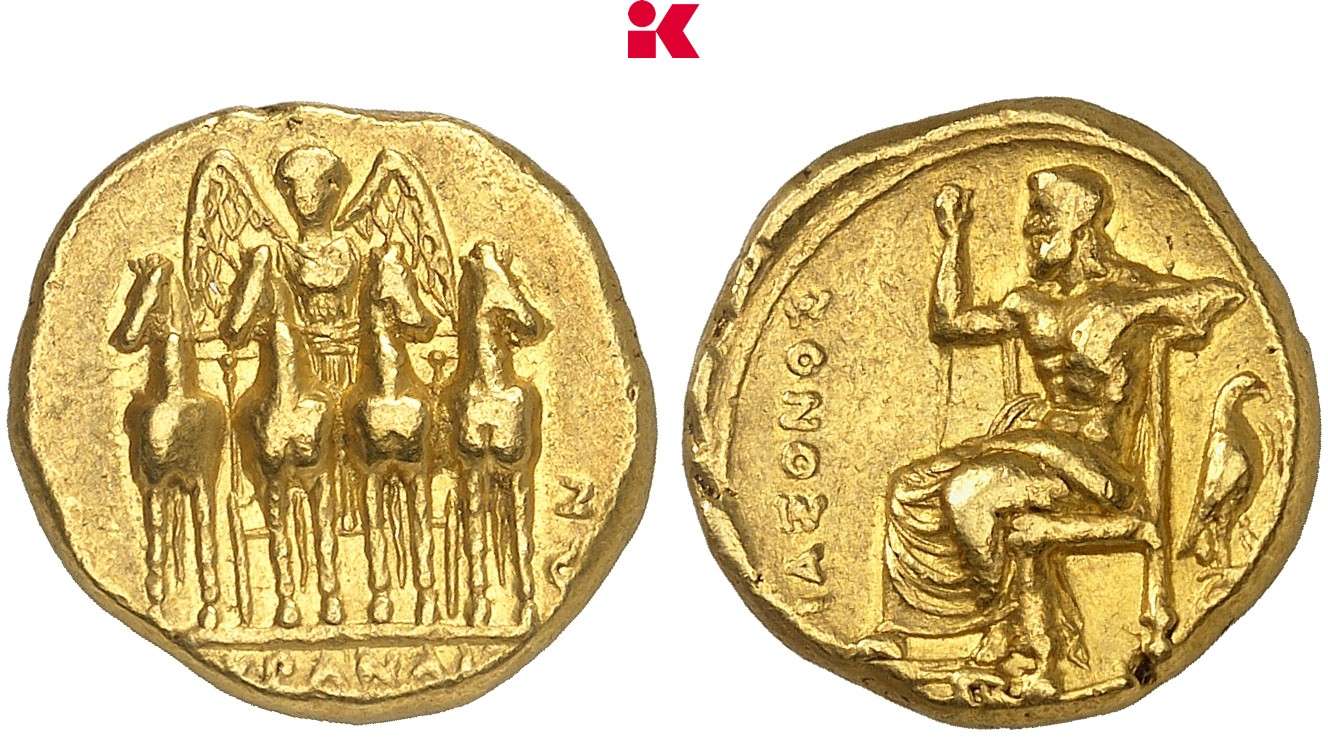
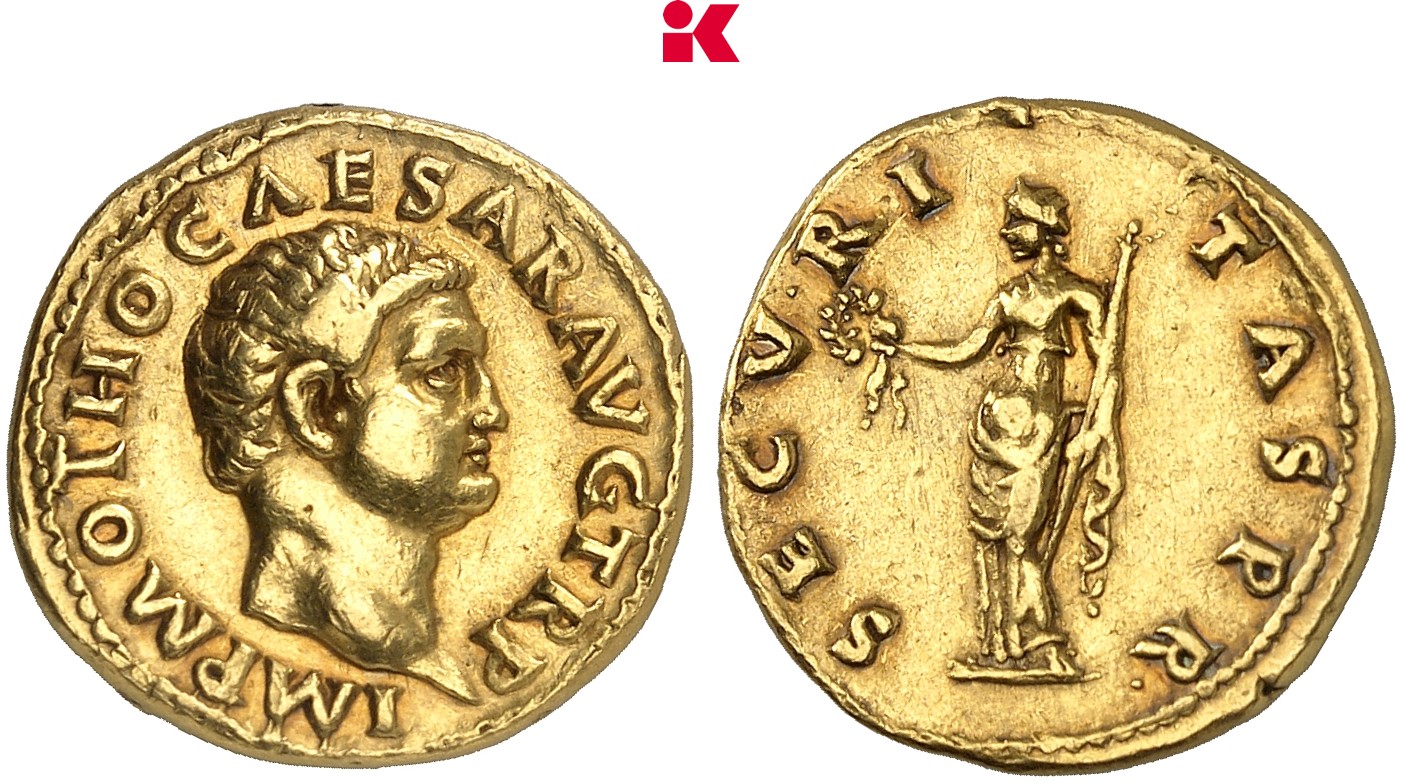
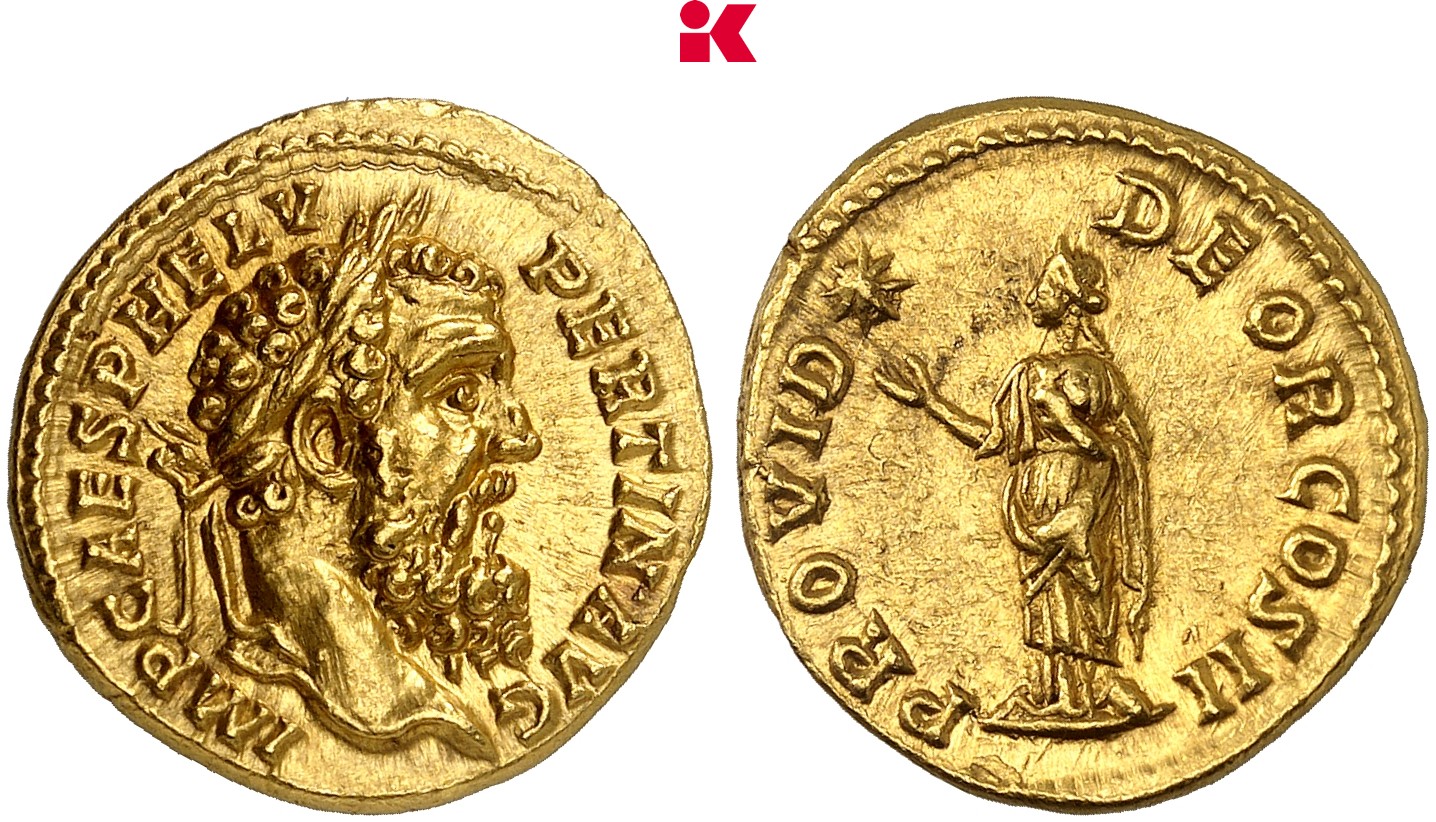
Aureus, Rome.
Very rare.
Attractive piece.
Ex Huntington (Inventar-no. ANS 1001.1.30032).
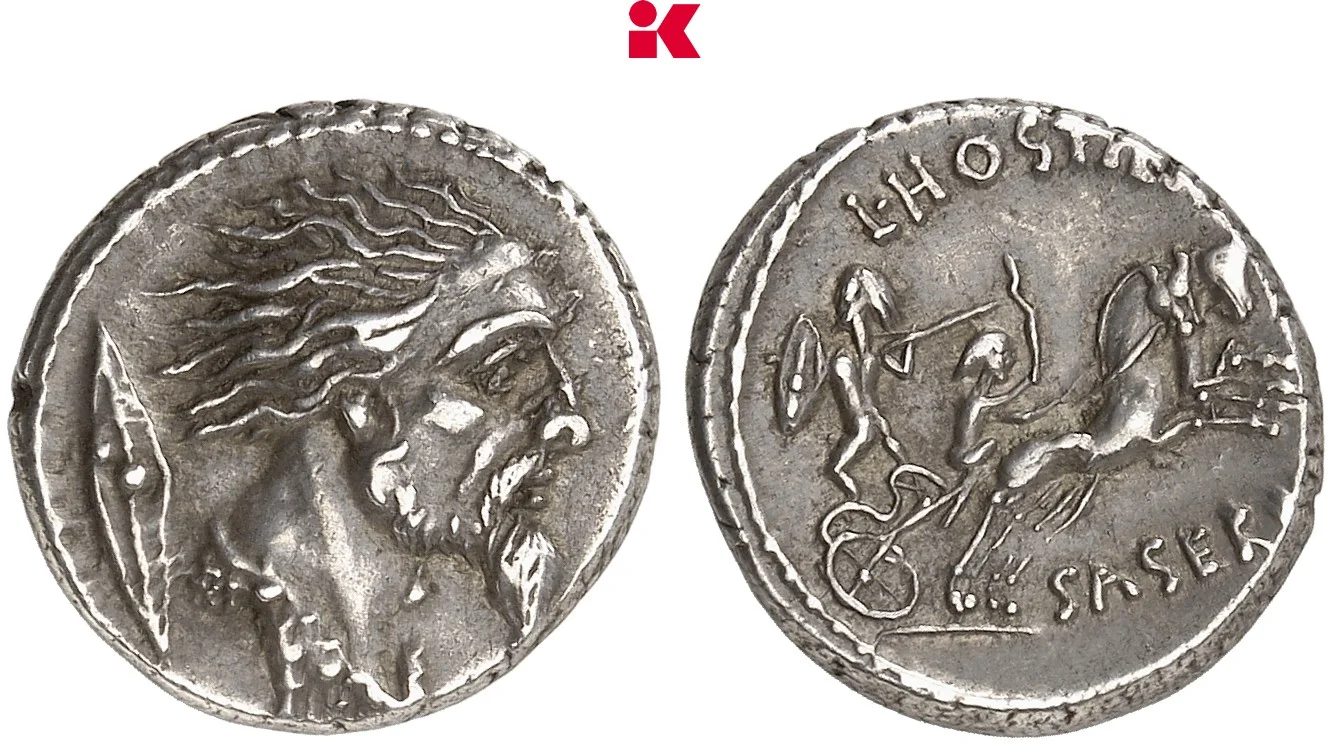
Denarius, 48 B.C., Rome.
L. Hostilius Saserna.
Very rare.
Attractive toning, extremely fine.
Ex Sternberg VI, Zürich 1976, no. 758.
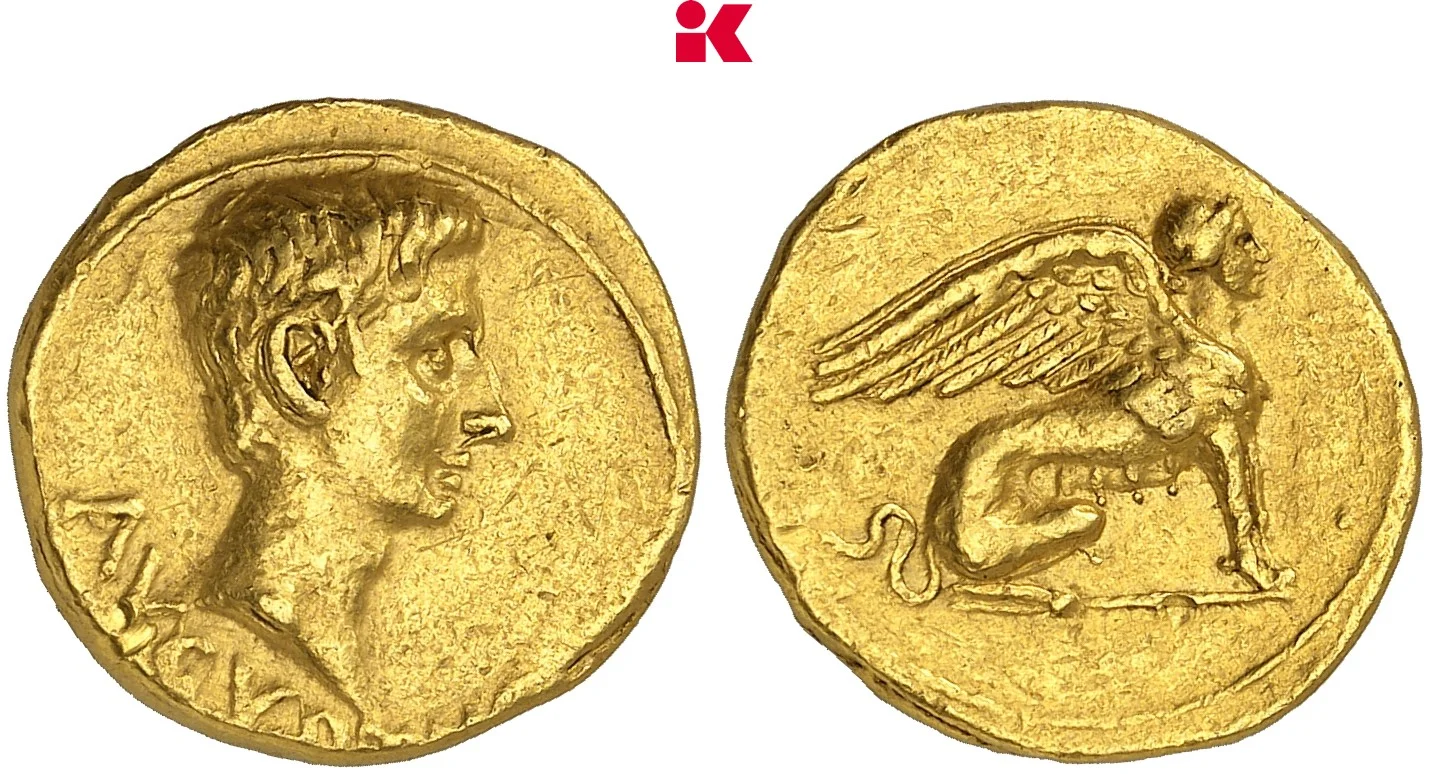
Augustus, 30 BCE–14 CE.
Aureus, 19/18 BCE, Ephesus (Ionia).
Very rare.
Min. Very fine.
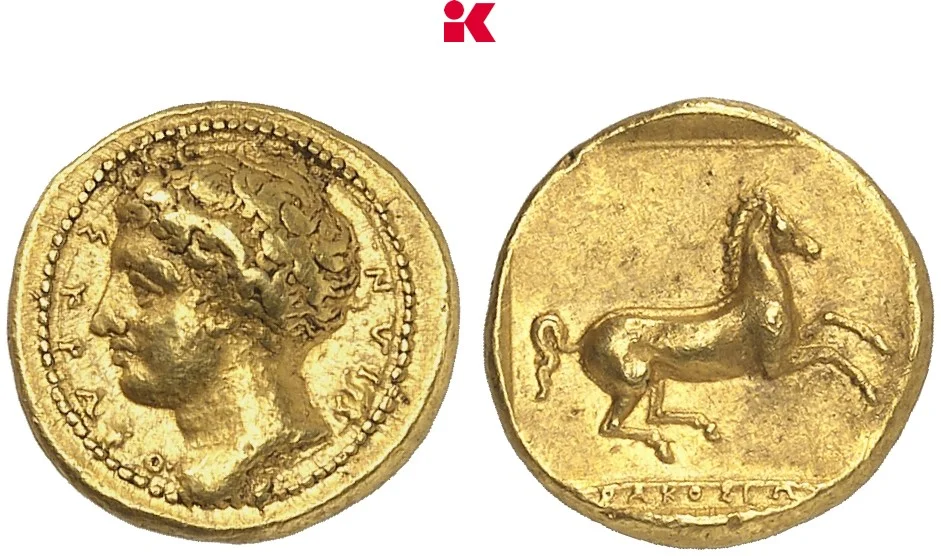
50 litren, 405/400 B.C.
Struck with a slightly rusty obverse die,
very fine-extremely fine/extremely fine.
Lithuania Effectively Abolishes One- and Two-Cent Coins – and Sparks a New Debate
By Sebastian Wieschowski
From May 2025, Lithuania will largely dispense with the smallest euro coins. The Baltic country thus becomes the eighth eurozone nation to join a growing group of countries that rely on mandatory rounding when making payments. In Germany, too, the discussion about the usefulness of the small copper coins is flaring up again – but there are no concrete steps yet.
Content
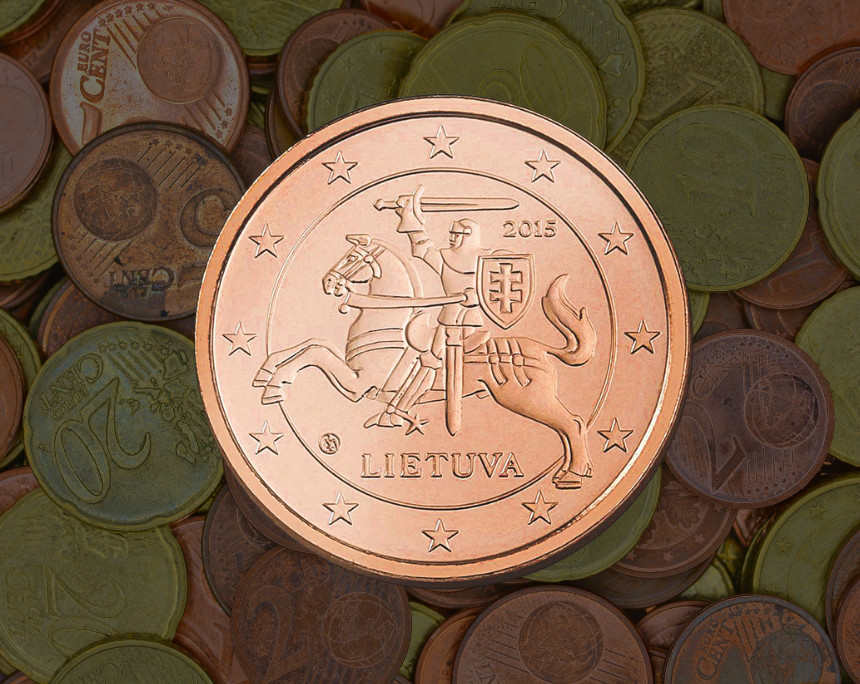
Soon-to-be increasingly rare in circulation: the 1- and 2-cent coins from Lithuania. Photo: ECB (coin), Boris Mayer via Canva Pro (background).
Since the introduction of the euro in 2002, there has been regular debate about one- and two-cent coins. According to the latest Eurobarometer survey by the European Commission from December 2024, 61 percent of respondents are in favour of abolishing the mini-coins. Although the figure was still 65 percent the year before, it is clear: the smallest denominations have never enjoyed great popularity – neither at shop tills nor in consumers’ wallets.
Estonia Has Only Just Introduced a Rounding Rule
In several countries – such as Belgium, Finland, Ireland, Italy, the Netherlands, Slovakia, and Estonia – rounding to the nearest five cents is already practised. Legally, however, one- and two-cent coins remain valid means of payment, as only a decision at the EU level could enable their complete abolition. Until then, each member state is free to effectively withdraw the coins from circulation.
Lithuania’s central bank argues that the smallest coins consume considerable resources. Currently, around 13 wagons full of small coins are in circulation – many of which disappear after just a single use, for instance into piggy banks or jacket pockets. Two-thirds of the minted one- and two-cent coins never return to the bank. Their production, transport, and replacement not only cause high costs but also unnecessary environmental impacts, according to the bank.
Technical Challenges
Technically, the shift to rounding rules poses some challenges. According to the newspaper “Wiener Standard”, Rimantas Mažulis from the cash register manufacturer Strong Point points out that all till systems must be adapted. This means short-term investments and additional effort. However, he expects that in the long term, the change will simplify accounting processes and thus bring efficiency gains for the retail sector.
While surveys show that around 69 percent of Lithuania’s population supports the abolition of small coins, the mood in Germany is more mixed. In March, the National Cash Forum – a body comprising representatives from retail, banking, and consumer protection – again spoke out in favour of a rounding system. The Bundesbank referred to the disproportion between production costs and the benefits of the small coins and appealed to the Ministry of Finance to take legislative action. However, political decisions are still pending.
Austria, by contrast, is pursuing a wait-and-see approach. The Oesterreichische Nationalbank (Austrian National Bank) stated in March that it would be guided by the wishes of retailers and consumers. The Münze Österreich (Austrian Mint), responsible for coin production, made it clear: as long as there is demand, it will continue to provide the coins. A political initiative to abolish them is currently not foreseeable.
