






The Gold Coinage of the Low Countries
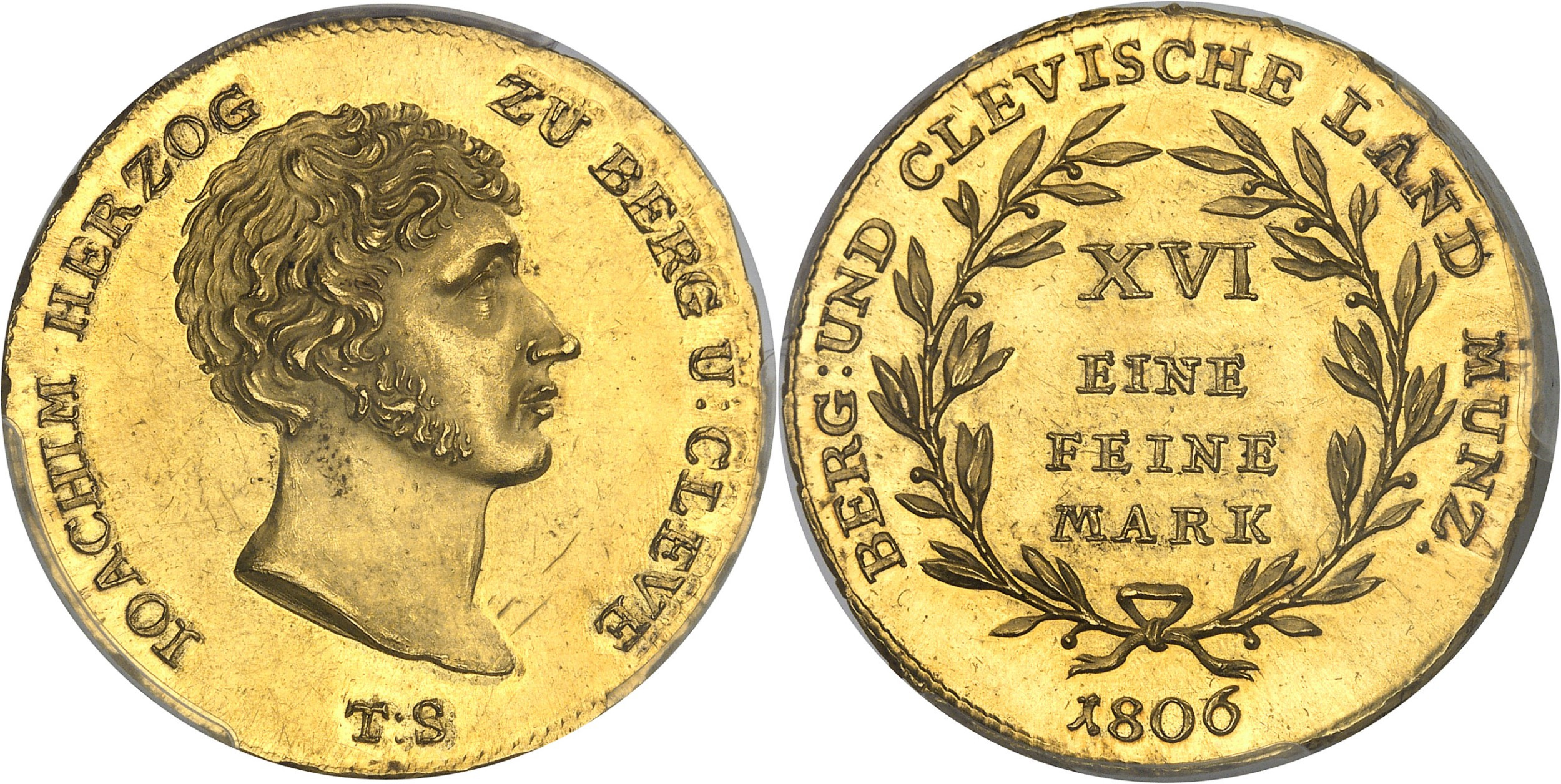
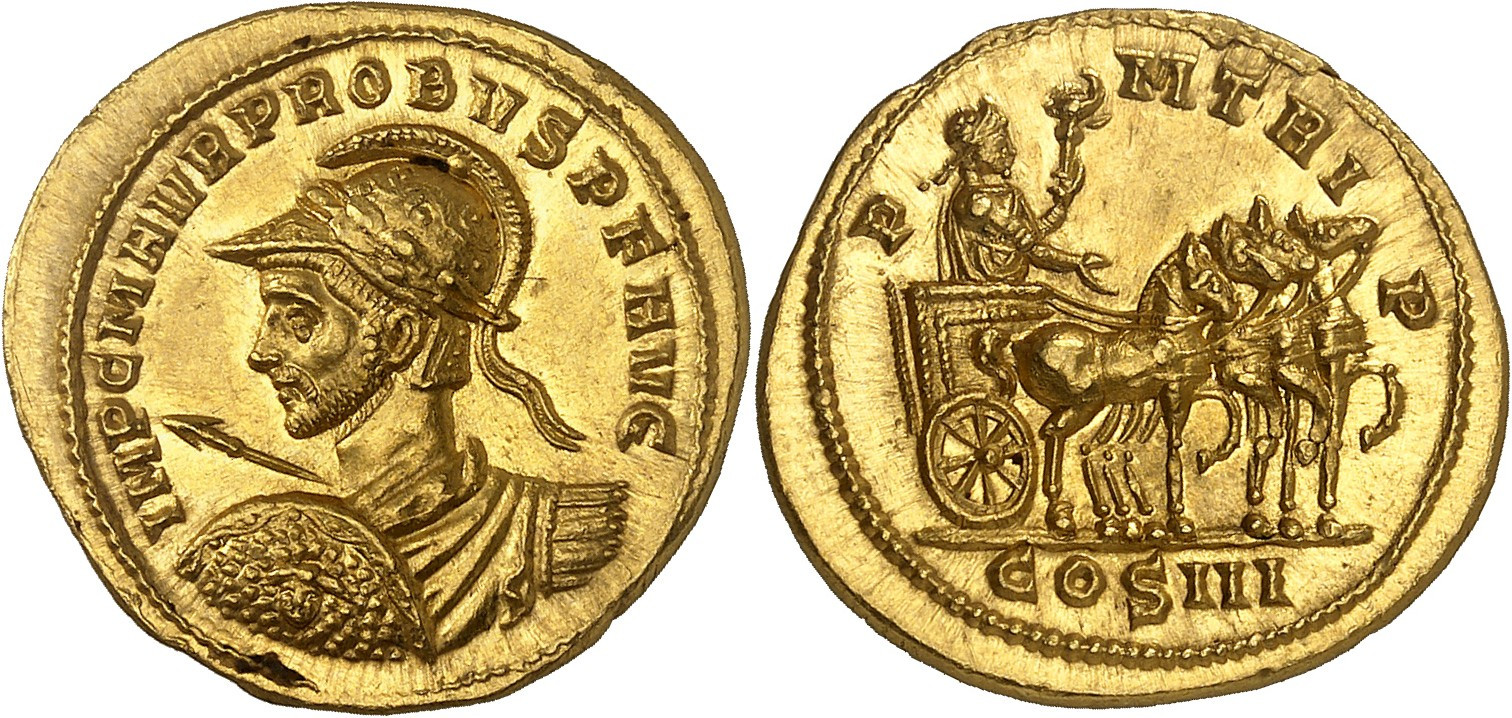
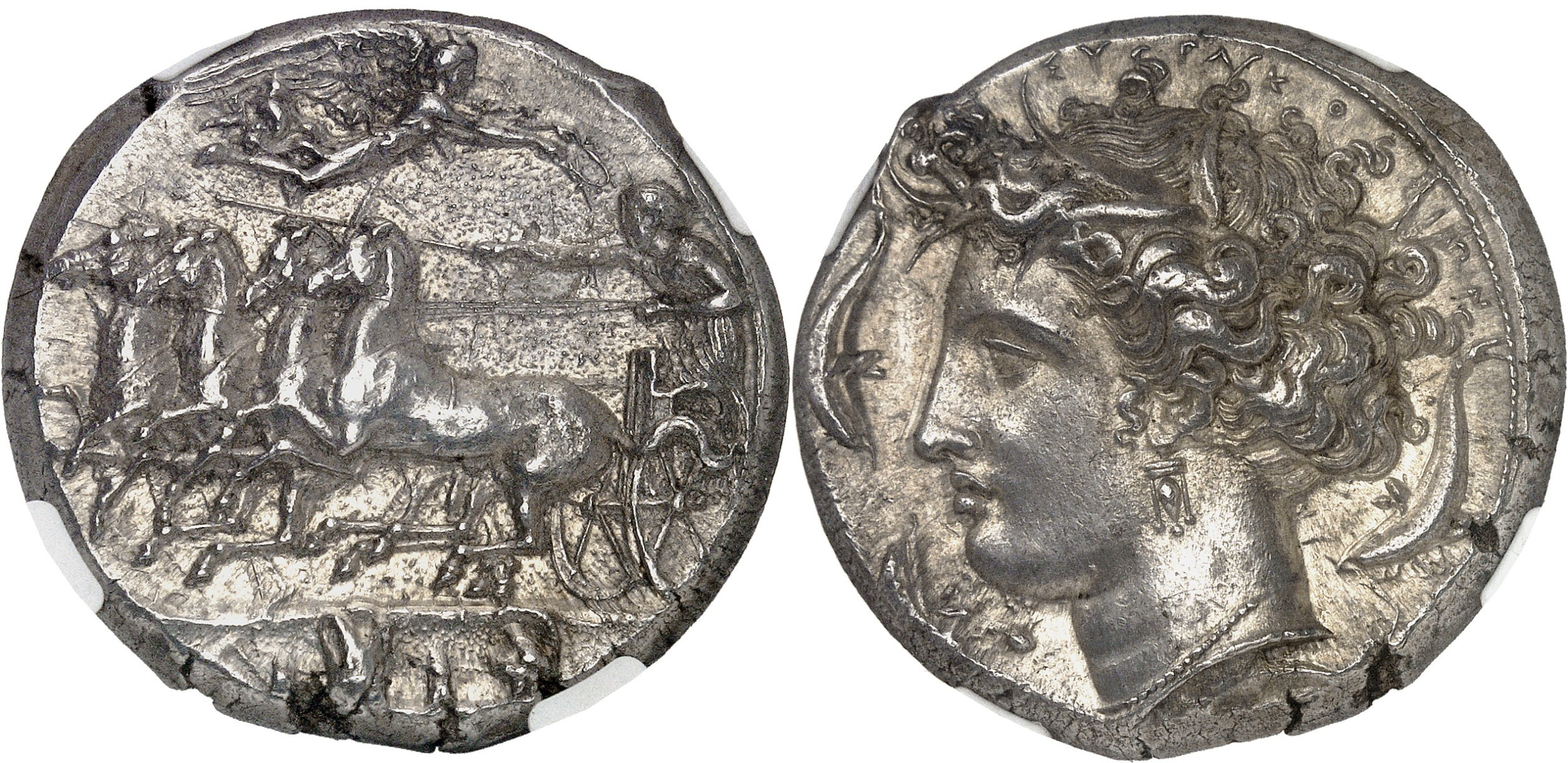
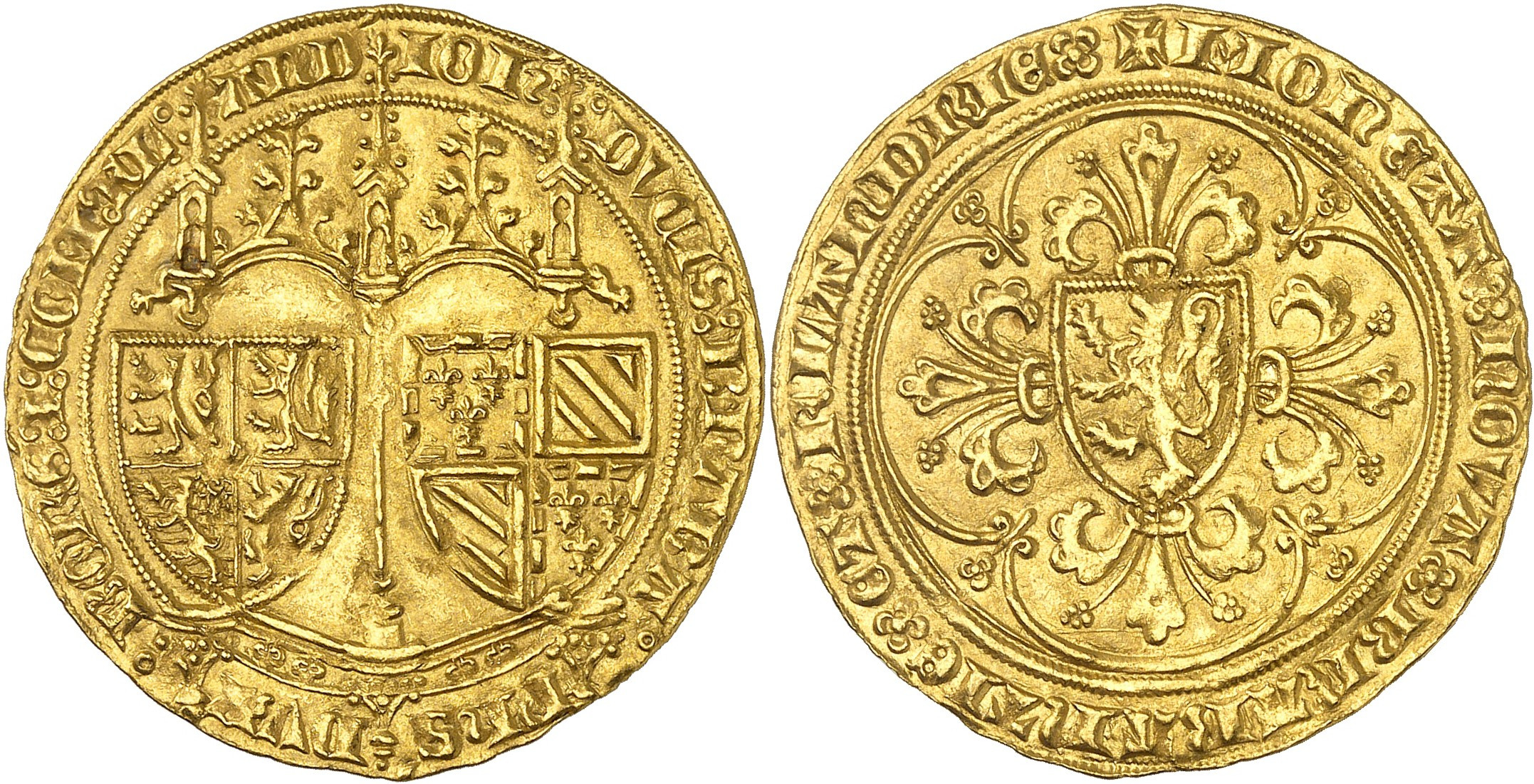
Earlier this year, Hugo Vanhoudt and John Sanders published their new catalog, „The Gold Coinage of the Low Countries”. Their aim was to give a complete overview of all the gold coins and special issues in gold produced on the territory of present-day Belgium, Luxembourg and The Netherlands and Overseas territories, from the Celts to 2022. On 440 pages, it features descriptions on 2000 illustrated gold coin types, including special issues as patterns and off-metal strikes, with details of their obverse, reverse, edge, weight, fineness and rarity, and prices per date for different grades.
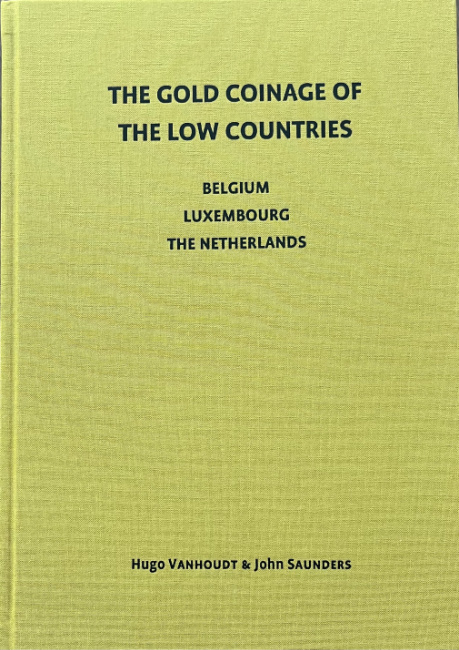
Hugo Vanhoudt, John Saunders: The Gold Coinage of the Low Countries. Belgium, Luxembourg, the Netherlands. Self-publishing, Heverlee 2024. Hardcover, 29,7 x 21.0 cm. 440 pages, fully illustrated in color. ISBN 978-1-7356598-1-7. Price: 100 euro, excluding shipment.
The following text is an introduction by author Hugo Vanhoudt:
In june 1963, Mr. A. Delmonte wrote in the foreword to his book The Golden Benelux: ‘We hope that the publication of this book will stimulate the already intensive collecting of the coins of our provinces and that this book may help both current and future interested parties to get a complete overview of the golden and rich numismatic past’. These words were more than realized and were the main reason for this publication.
Each gold coin is a precious, artistic and attractive historical document to everyone’s eye. Especially for local history, these golden pieces can represent a story of wars, international contacts and exceptional economic prosperity as well as hard times. With their artistic designs, some medieval coin series are among the most beautiful in Europe and are highly sought for.
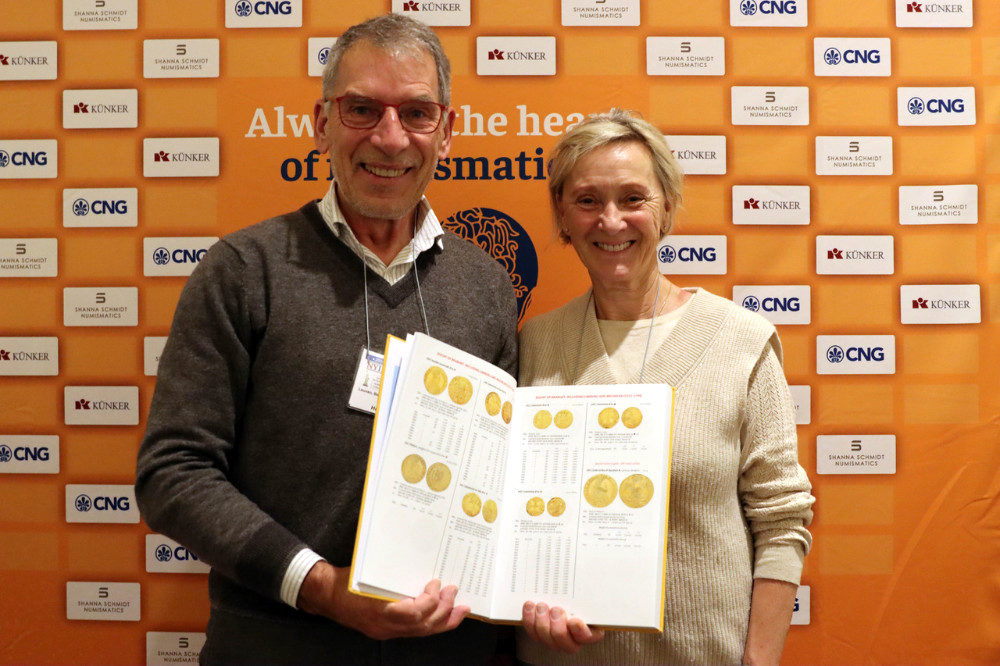
Hugo Vanhoudt with a preprint of his book at the NYINC 2024. Photo: UK
This book is designed for collectors and dealers. It gives an overview of all types of gold coins that have been produced in the Low Countries over the past 23 centuries. The demarcation of the scope and the terrain has led to the title “The Gold Coinage of the Low Countries”. The borders of countries and regions have undergone major changes during this period, as a result of which the inclusion or exclusion of certain coins has sometimes been arbitrary. the local rulers mainly on the current territory of the Benelux (Belgium, Luxembourg and The Netherlands) and some in the Northern part of France.
