







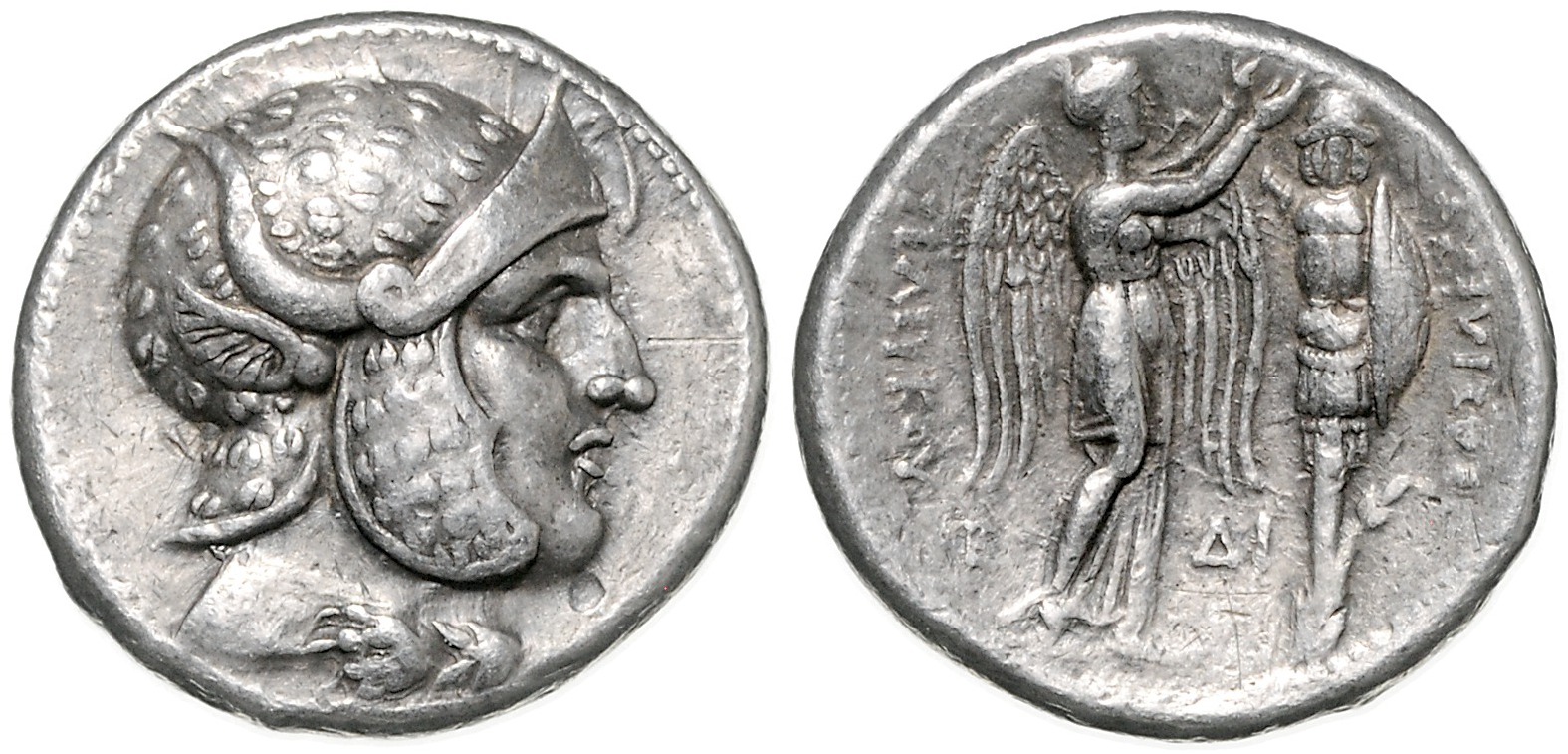
Seleucus I Nicator (312–280 BC),
AR tetradrachm, Susa.
Condition: beautiful patina, near ef.
Video highlight: Watch now!
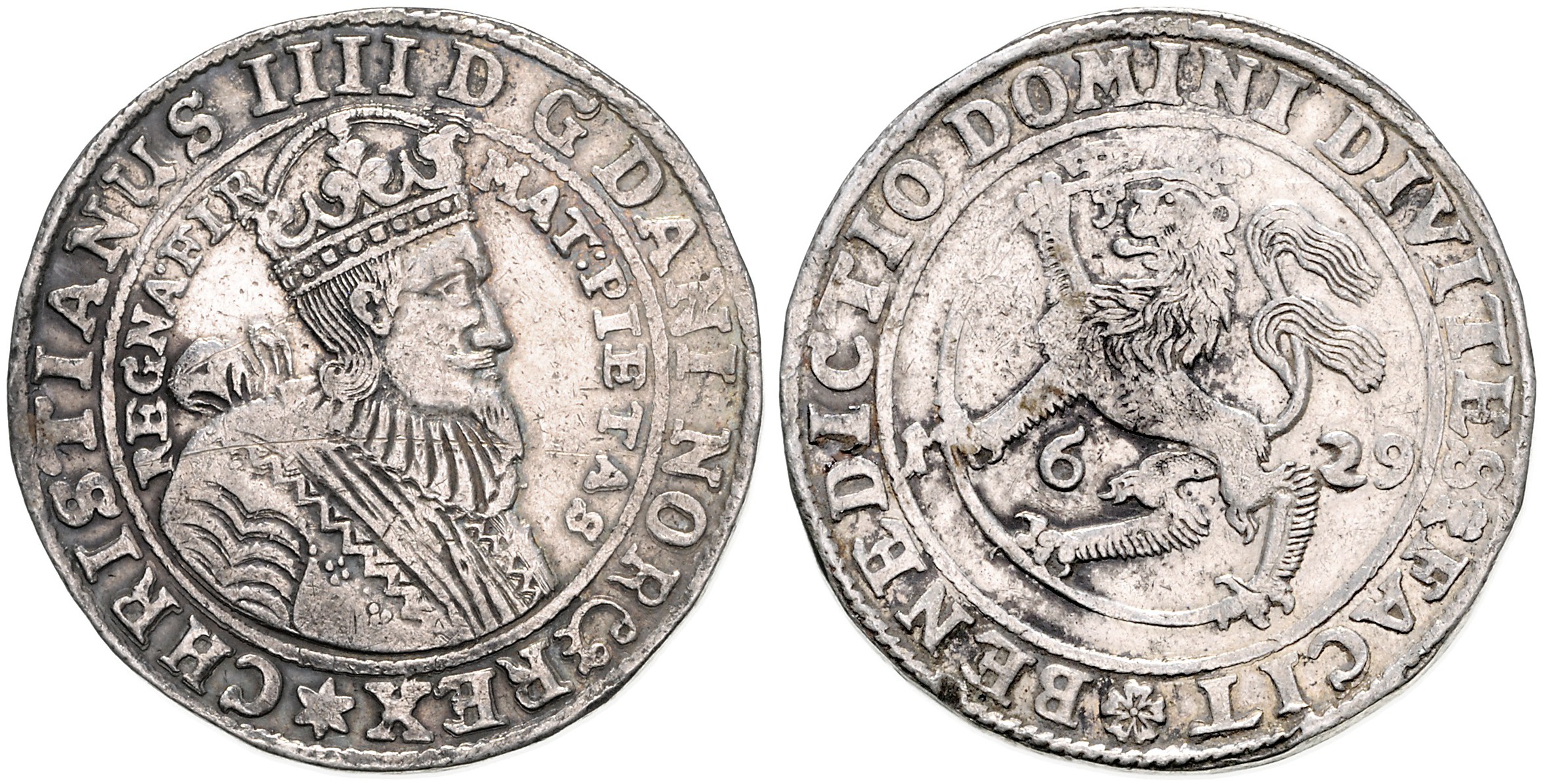
Christian IV (1588–1648),
Speciedaler 1635, Christiana (Oslo).
Condition: rare, vf+ .
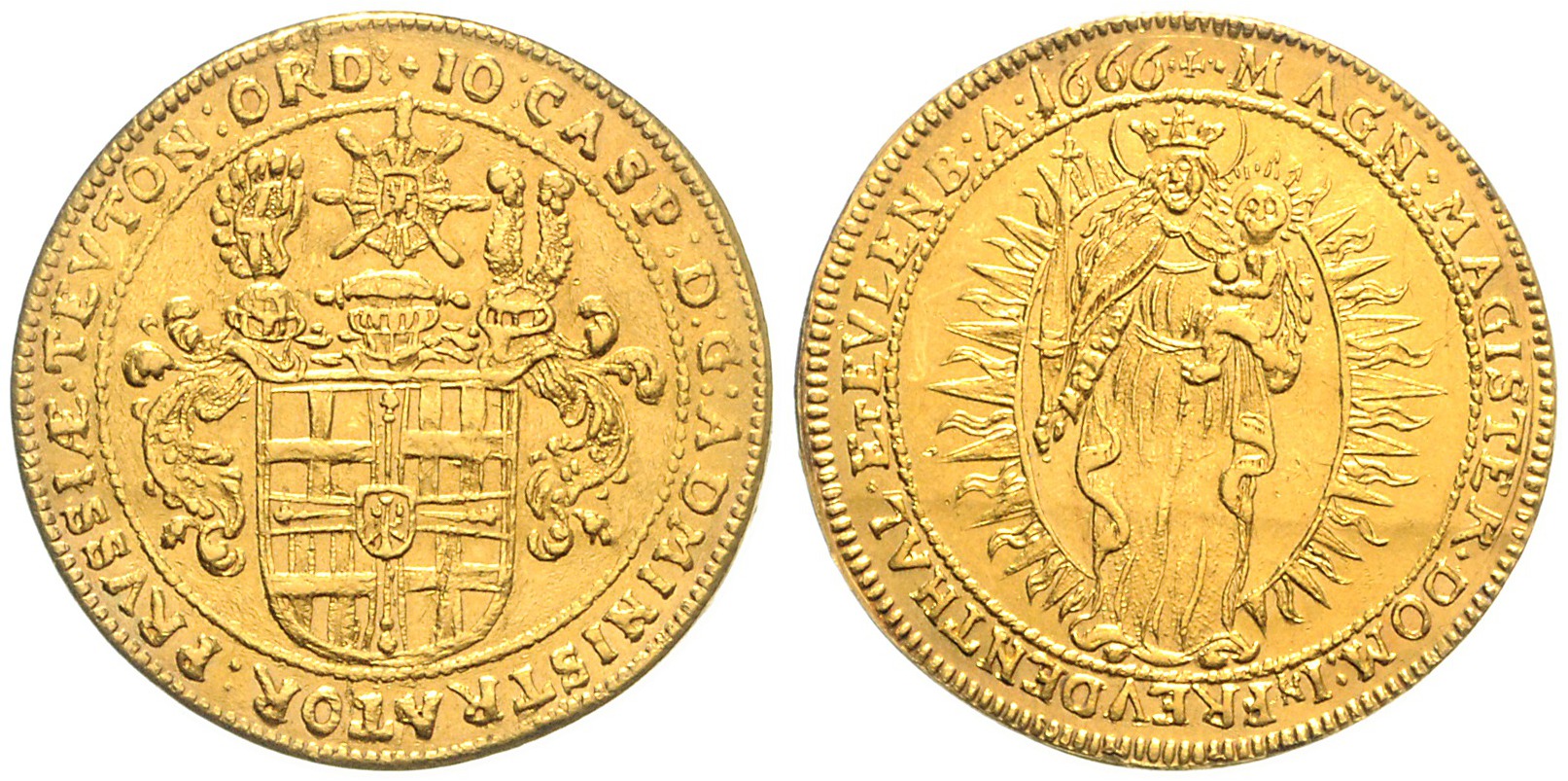
Johann Kaspar (1664–1684),
double ducat 1666.
Condition: rare, ef.
Video highlight: Watch now!
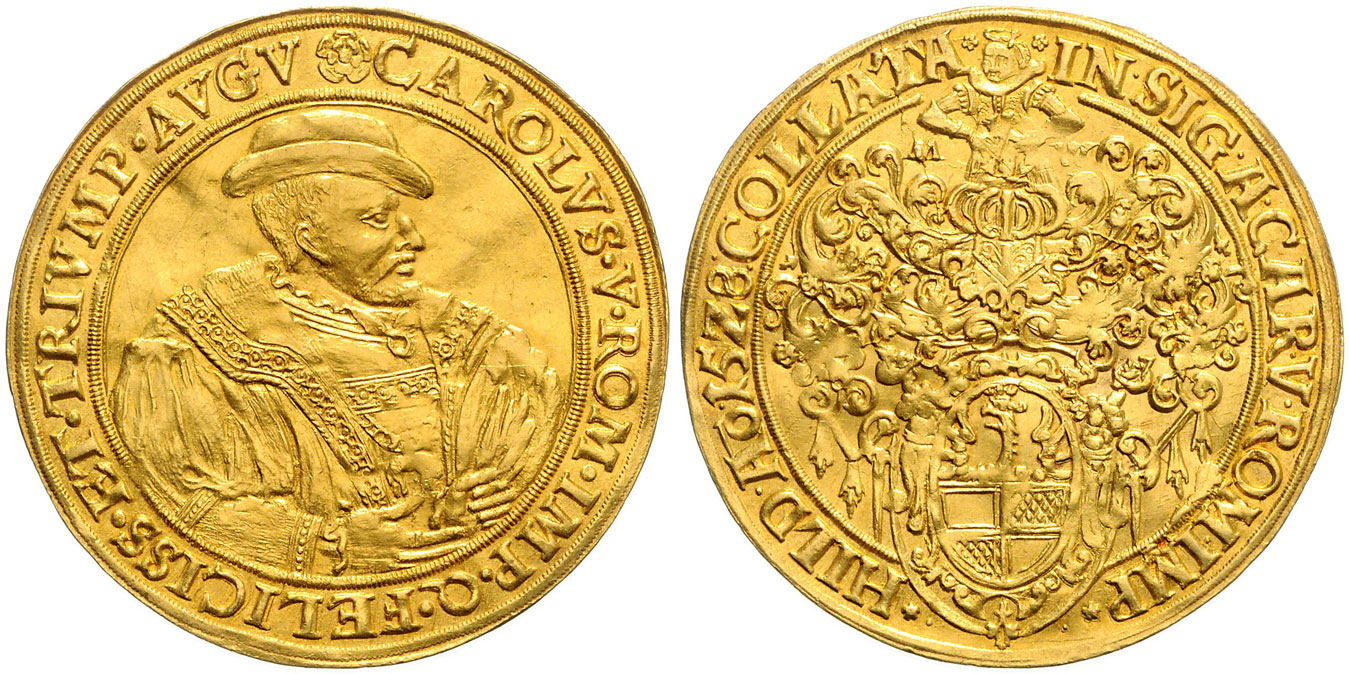
5 gold guilders, 1528 (minted 1614–1620),
bearing the title of Charles V.
Condition: slightly worked, ef.
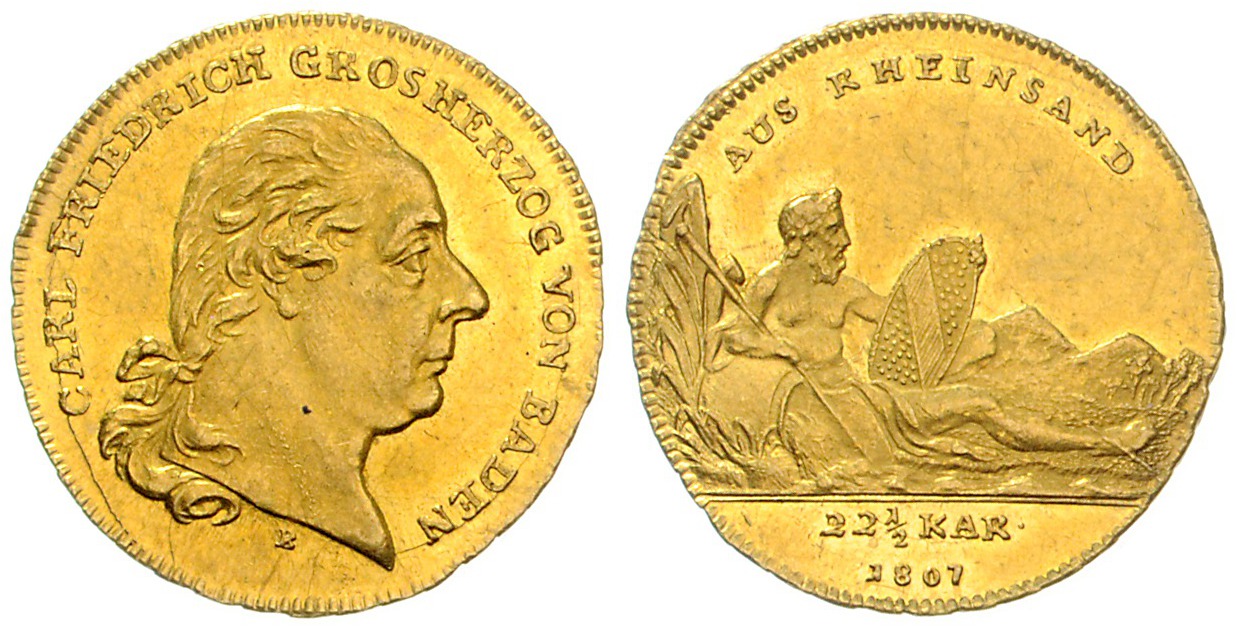
Carl Friedrich (1806–1811),
Rhine gold ducat 1807.
Condition: rare, near ef/ef.
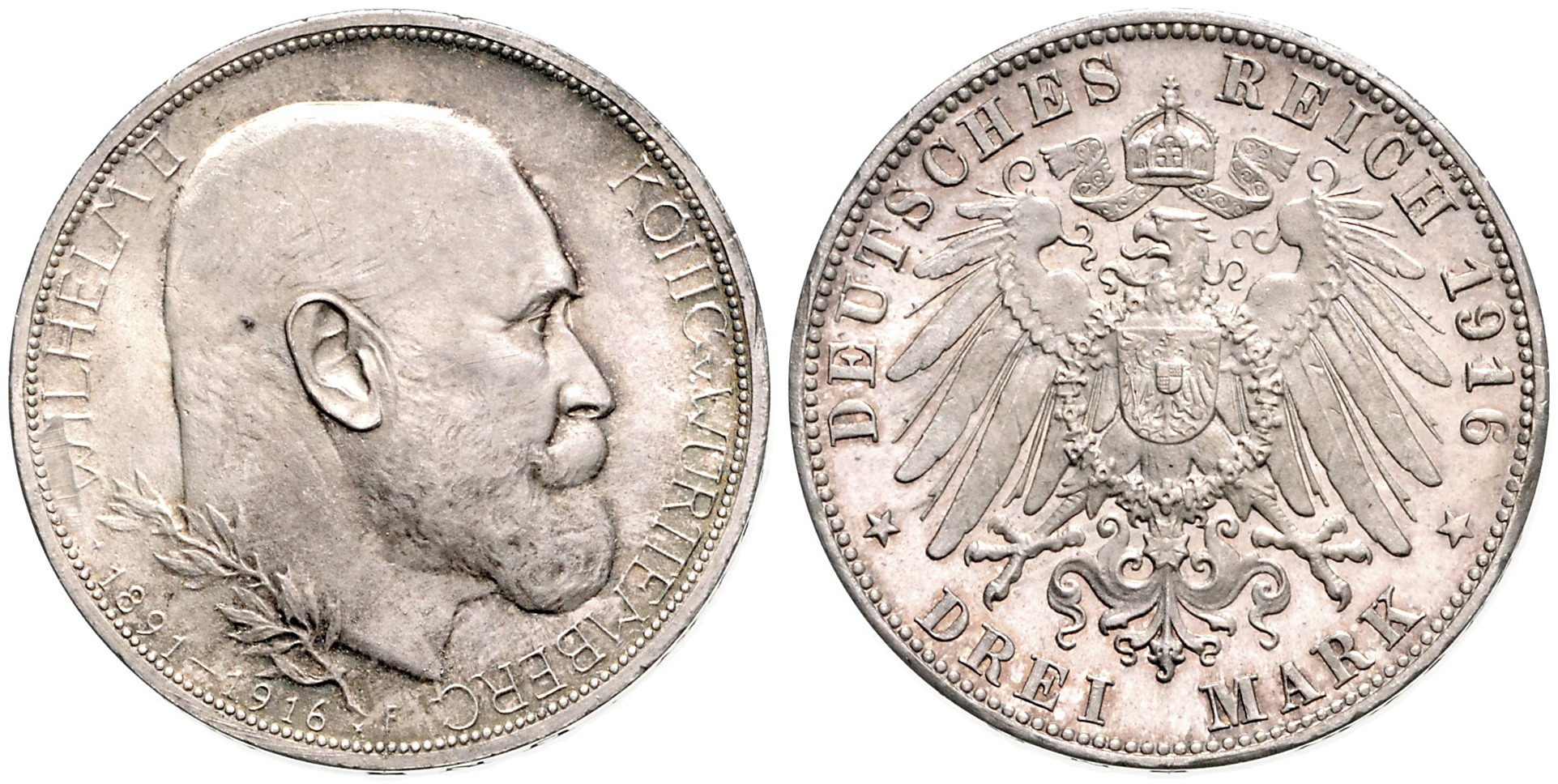
Wilhelm II. (1891-1918),
3 Mark 1916 F.
Condition: first strike
Video highlight: Watch now!

Collection from the estate of
Willi Stoph (SED official).
Set of decorations, including a certificate and
a charcoal drawing.
Condition: very rare, ef.
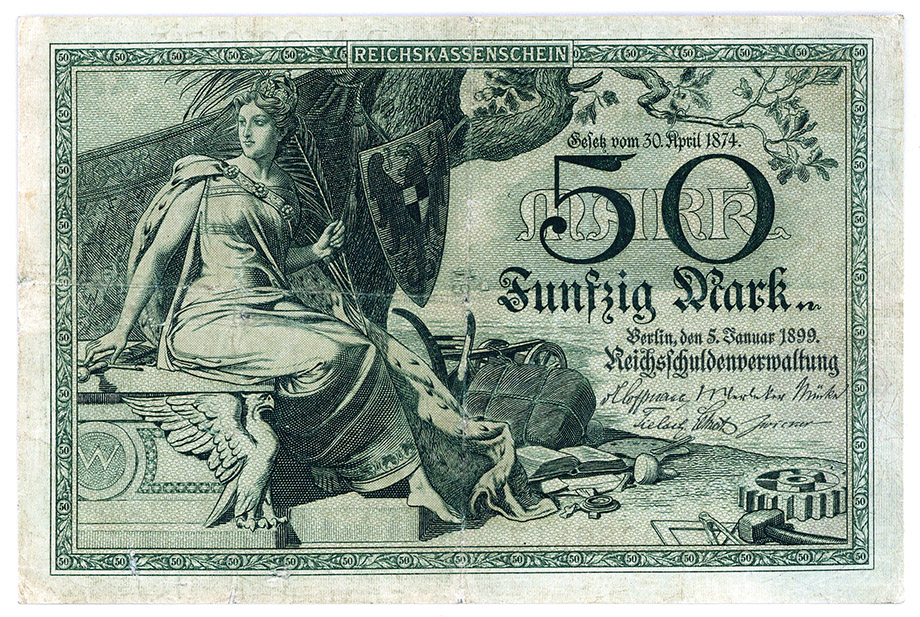
50 Marks,
January 5, 1899.
Condition: very rare, III-/IV+.

Happy Birthday! The IADAA Turns 30
By James Ede, Honorary President of IADAA
On the 30th Anniversary of the Founding of the International Association of Dealers in Ancient Art (IADAA) James Ede, Honorary President and one of the founding fathers of IADAA remembers his personal experiences in the antiquities trade and the IADAA:
The IADAA-logo.
I went to my father to ask for a job in 1978, following inglorious careers both at Oxford and in the Army. After some arm-twisting on my part, almost forty happy years as a dealer in antiquities was the result. I recount this because he tried strenuously to put me off joining him as he felt that there was no future in the field; even at that time a small but vocal section of the archaeological establishment was starting to condemn the private sale and ownership of antiquities. They maintained that the trade was responsible for the plunder and destruction of archaeological sites. My father sold his first antiquity in 1959, and by the late 70s was selling to a wide range of museums, university teaching collections and private collectors. He had a large number of friends in the academic world, and we enjoyed close and mutually beneficial connections with scholars and museums round the world. Fortunately, he was mistaken in his belief that dealing in ancient art had a future of “no more than ten or twenty years”. Yet at the same time he was right in his view of which way the wind was blowing. Ironically, the 80s and 90s were probably the best of times to be a dealer, but the huge rewards enjoyed by the more buccaneering part of the trade (including auctioneers) led to increased awareness that a good proportion of the material on the market, particularly at the top end, had come from illicit sources. The fault lay not only with the trade, but also with source countries who made little or no attempt to enforce their own laws. Despite this fact, it was the trade in the firing line, and it was clear that an international trade association was needed to protect reputable dealers and to engage with the various authorities and governments whose efforts to curb illicit dealing were often clumsy and misdirected.
In 1993, four dealers, David Cahn, Hans Humbel, Bruce McAlpine and I had a meeting and the seed of IADAA was planted. The inaugural meeting took place at the Westbury Hotel in London on Sunday the 4th of July 1993, where I was elected to be the first chairman. Since those days IADAA has been fortunate to have had the voluntary services of a succession of devoted chairmen – for the last ten years it has been Vincent Geerling.
From the first it successfully attracted the best reputable dealers from around the world (and successfully resisted attempts to join by the less reputable). It has therefore gained recognition as the voice of the licit trade and been given representation at many summits and conferences held by international organizations such as UNESCO and UNIDROIT, law enforcement agencies and governments. This is exhausting work, but I can honestly say that without it the trade would probably not exist today. Time and again IADAA managed to persuade these bodies to curb or modify their policies. In recent years, the Newsletter keeps track of and exposes the hypocrisy and ignorance shown by so many critics of the trade and lazy journalists. Even so, the tide of regulation continues to flood in. We all know that the remains of our ancient past need a healthy, legal trade in order to survive. The need for IADAA has never been greater.