






From Brutus to Brandt – Digital Exhibition of the Deutsche Bundesbank
The Deutsche Bundesbank is now showing the digital exhibition “From Brutus to Brandt – Coins as a Testimony to Collective Memory”, which explains the role of coins as transmitters of historical events.
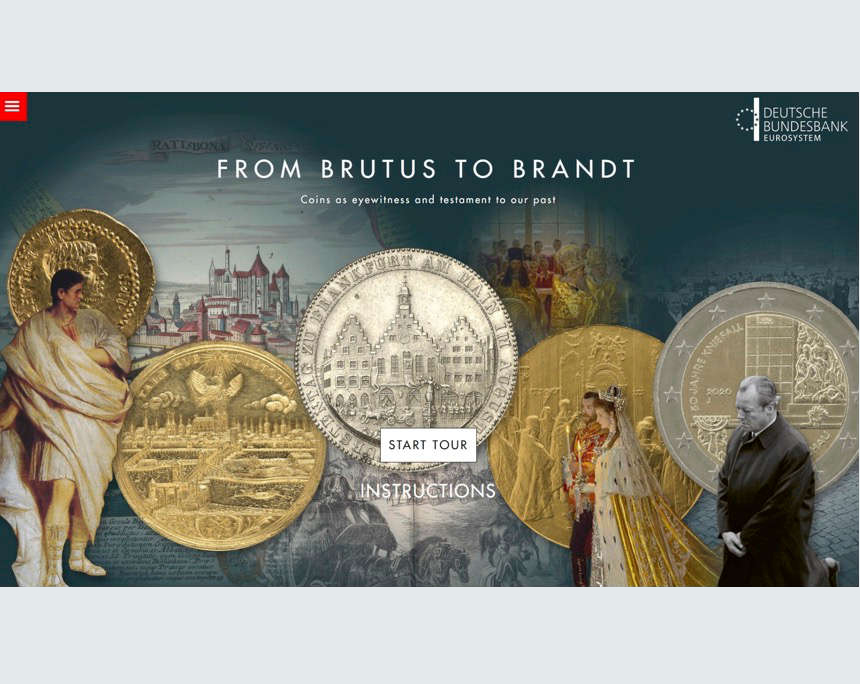
From Brutus to Brandt – Coins as a testimony to collective memory. Coins: © Numismatic Collection of the Deutsche Bundesbank. Animation and graphic design: © cura3D (cura3D.com).
Coins are more than just a means of payment. They convey messages that have endured for centuries, says Bundesbank board member Burkhard Balz at the opening. Coins make a piece of history tangible, Balz continued.
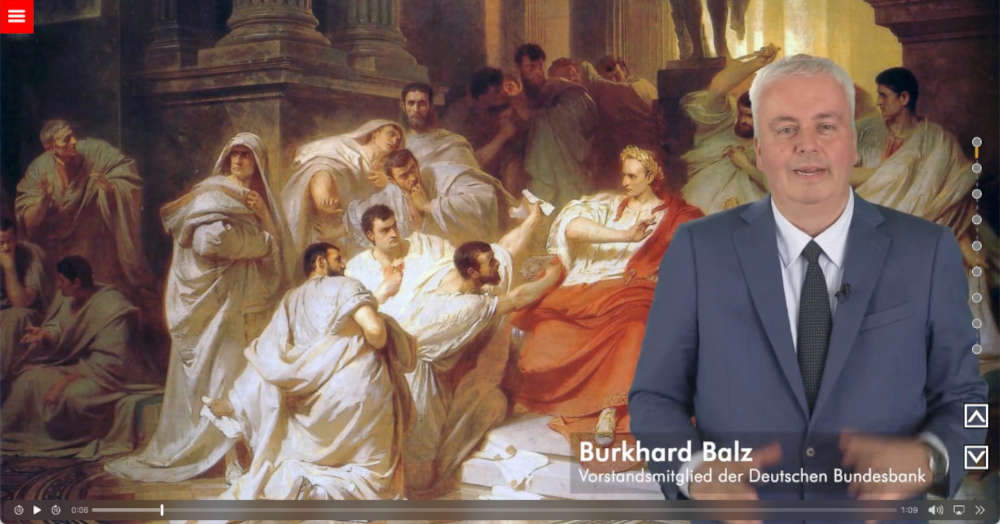
Bundesbank board member Burkhard Balz welcomes visitors to the online exhibition. Coins: © Numismatic Collection of the Deutsche Bundesbank. Animation and graphic design: © cura3D (cura3D.com).
The exhibition guides visitors through historical epochs from antiquity to the present day using eight pieces from the Bundesbank’s Numismatic Collection.
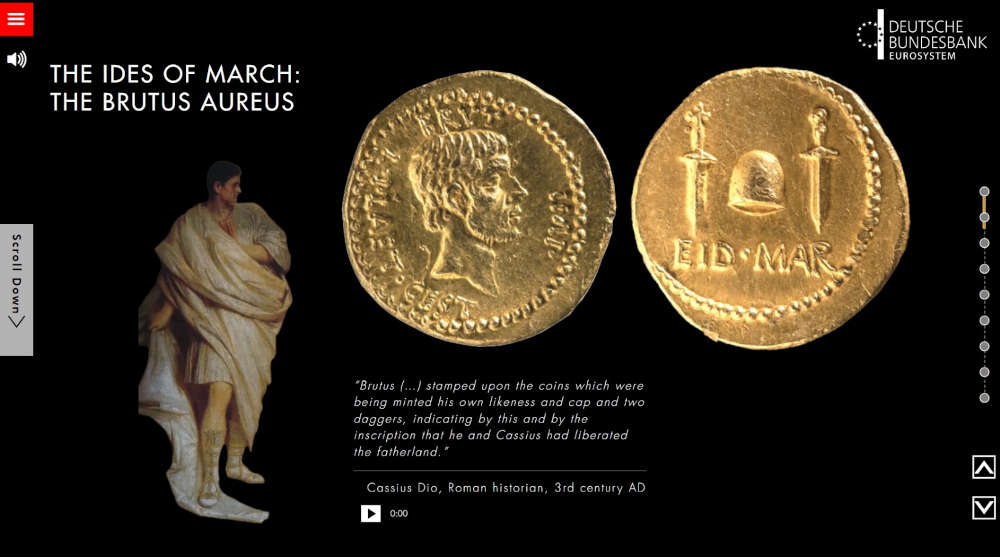
The Ides of March: The Brutus Aureus. Coins: © Numismatic Collection of the Deutsche Bundesbank. Animation and graphic design: © cura3D (cura3D.com).
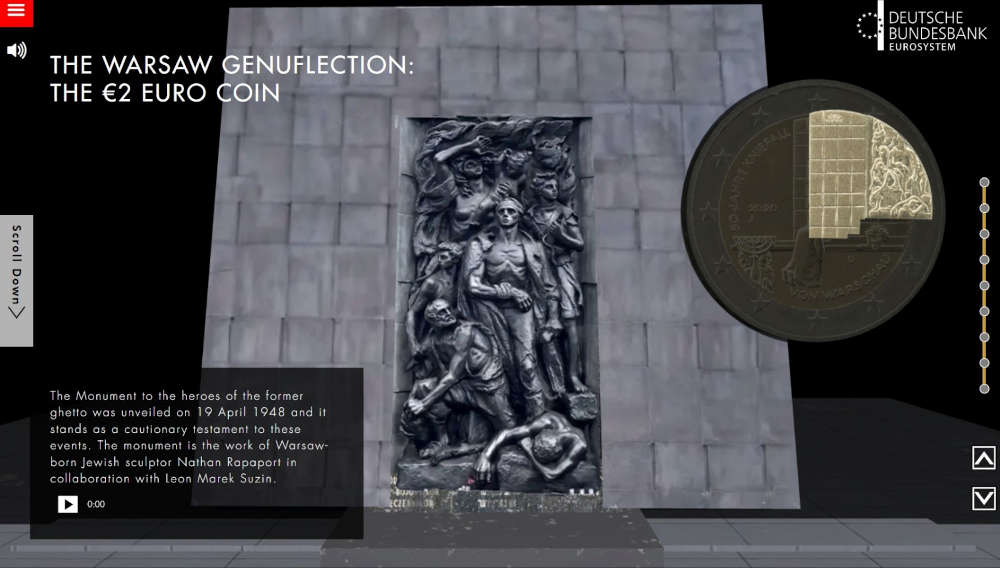
The prostration: The 2-euro coin. Coins: © Numismatic Collection of the Deutsche Bundesbank. Animation and graphic design: © cura3D (cura3D.com).
On display are an aureus of Brutus, which commemorates the assassination of the Roman ruler Julius Caesar in 44 BC, and a 2-euro commemorative coin of the fall on his knees in Warsaw by the then German Chancellor Willy Brandt in 1970.
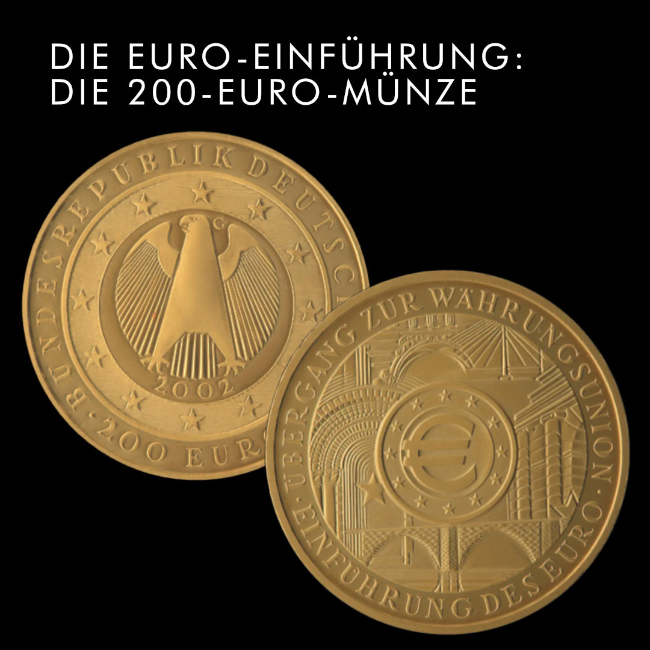
The introduction of the euro: the 200-euro coin. Coins: © Numismatic Collection of the Deutsche Bundesbank. Animation and graphic design: © cura3D (cura3D.com).
The exhibits also include a 200-euro gold coin, which was minted for the introduction of euro notes and coins in 2002. These coins are associated with significant moments in German and European history, says Balz.
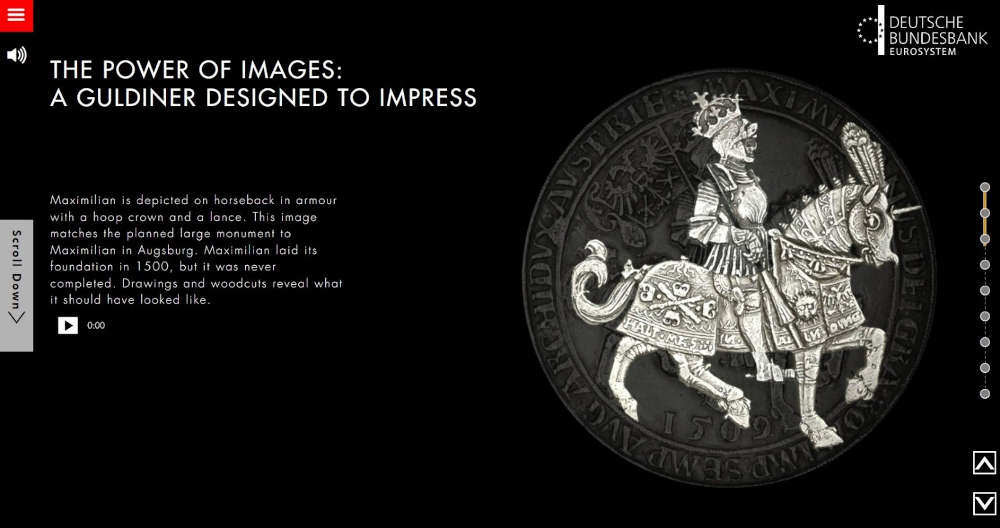
The power of images: The Reiterschauguldiner by Emperor Maximilian. Coins: © Numismatic Collection of the Deutsche Bundesbank. Animation and graphic design: © cura3D (cura3D.com).
When designing the digital exhibition, the Bundesbank placed particular emphasis on accessibility and user-friendliness. It is available in German and English and runs on all internet-enabled devices.
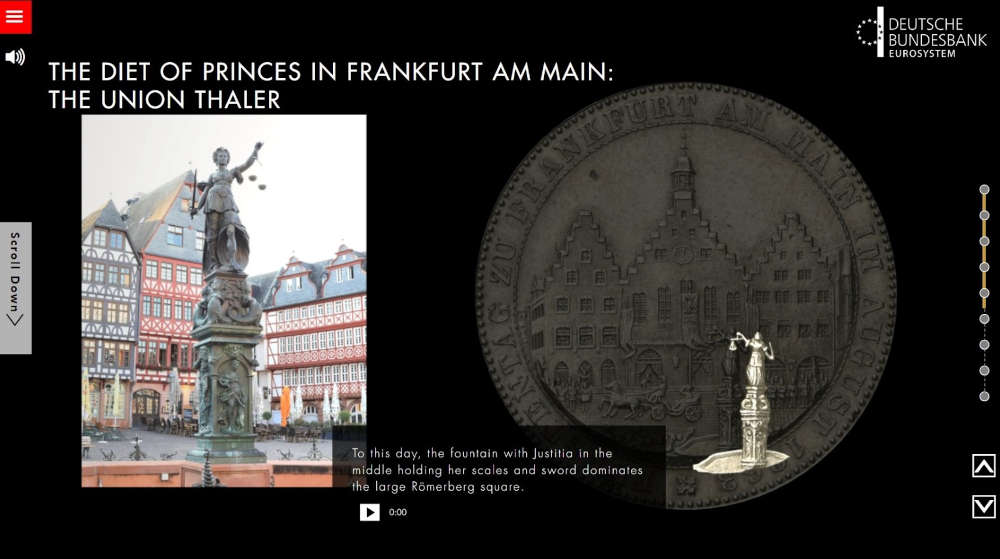
The Princes’ Day in Frankfurt am Main: The Vereinstaler. Coins: © Numismatic Collection of the Deutsche Bundesbank. Animation and graphic design: © cura3D (cura3D.com).
Visitors to the German version can embark not only on a visual but also an acoustic journey. The individual sections of the exhibition are organized like short stories.
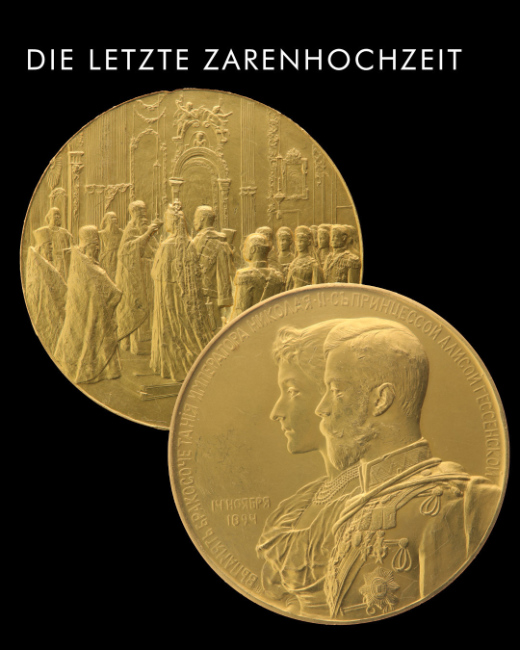
The last wedding of a tsar. Coins: © Numismatic Collection of the Deutsche Bundesbank. Animation and graphic design: © cura3D (cura3D.com).
The digital exhibition “From Brutus to Brandt – Coins as evidence of collective memory” will be on display on the Bundesbank’s website for four years. The Bundesbank’s first digital exhibition “Black-Red-GOLD” on the history of the German gold reserves will run there until 2026.
