






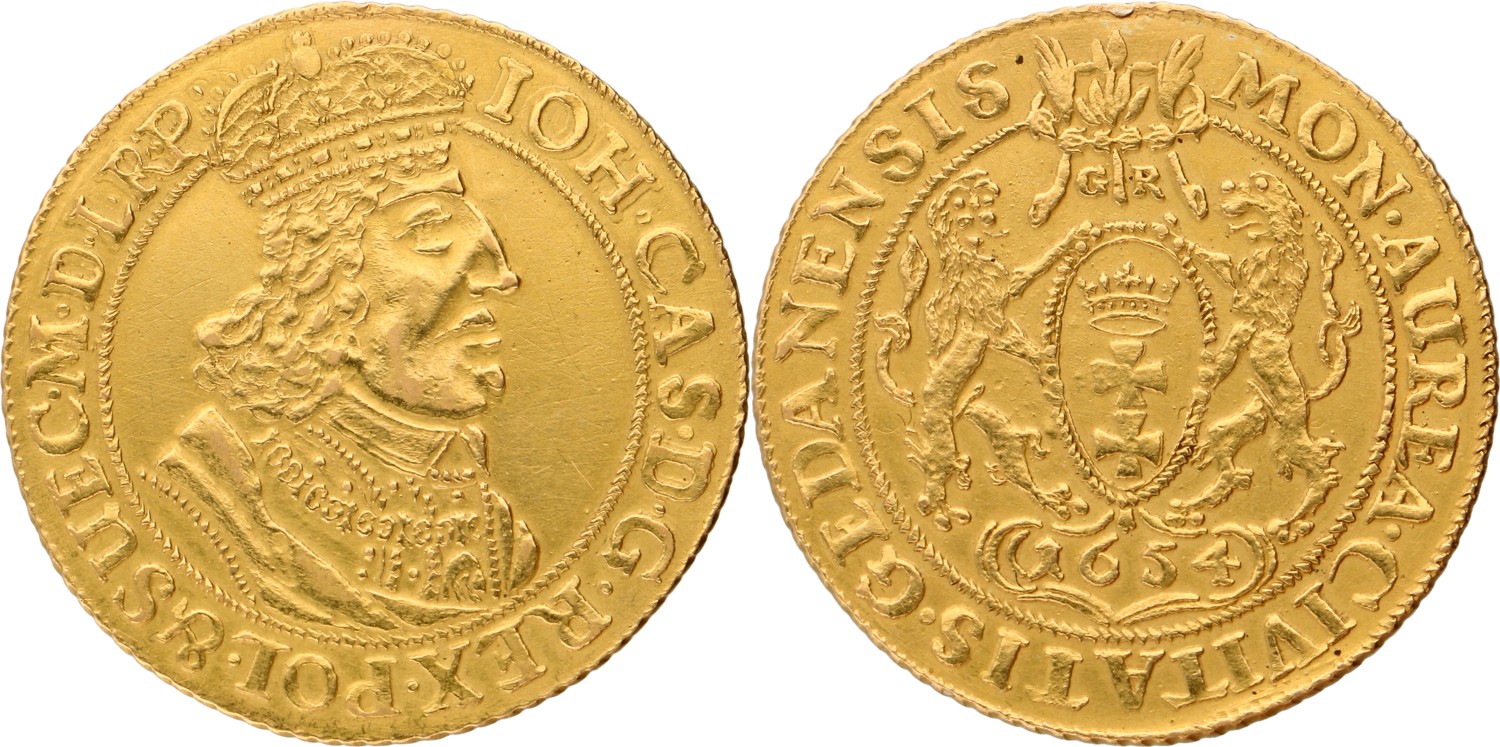
John II Casimir.
3 Ducat with dies of an 18 Ort. 1654.
VF +

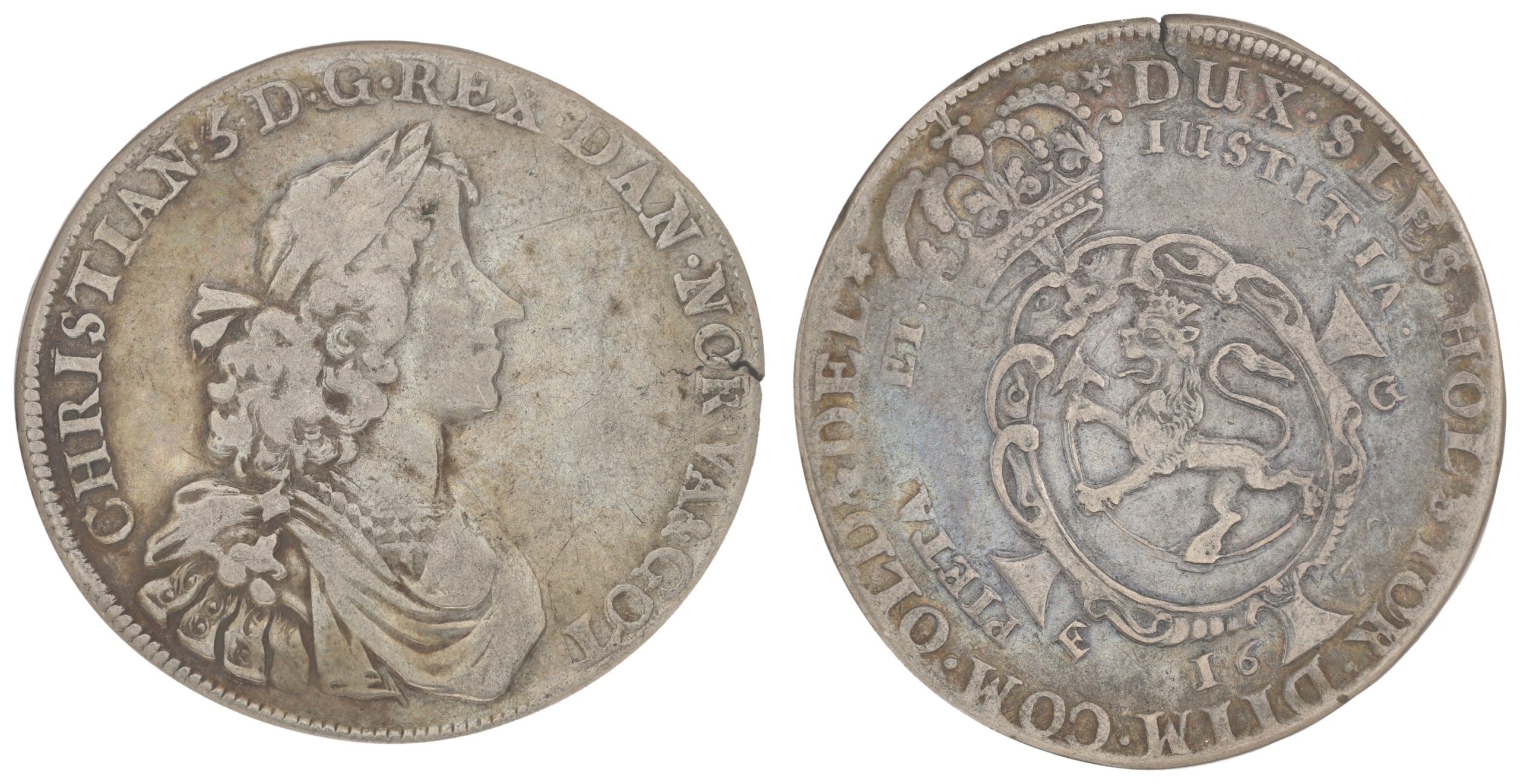
Christian V. Speciedaler.
1672.
NGC graded. VF 30
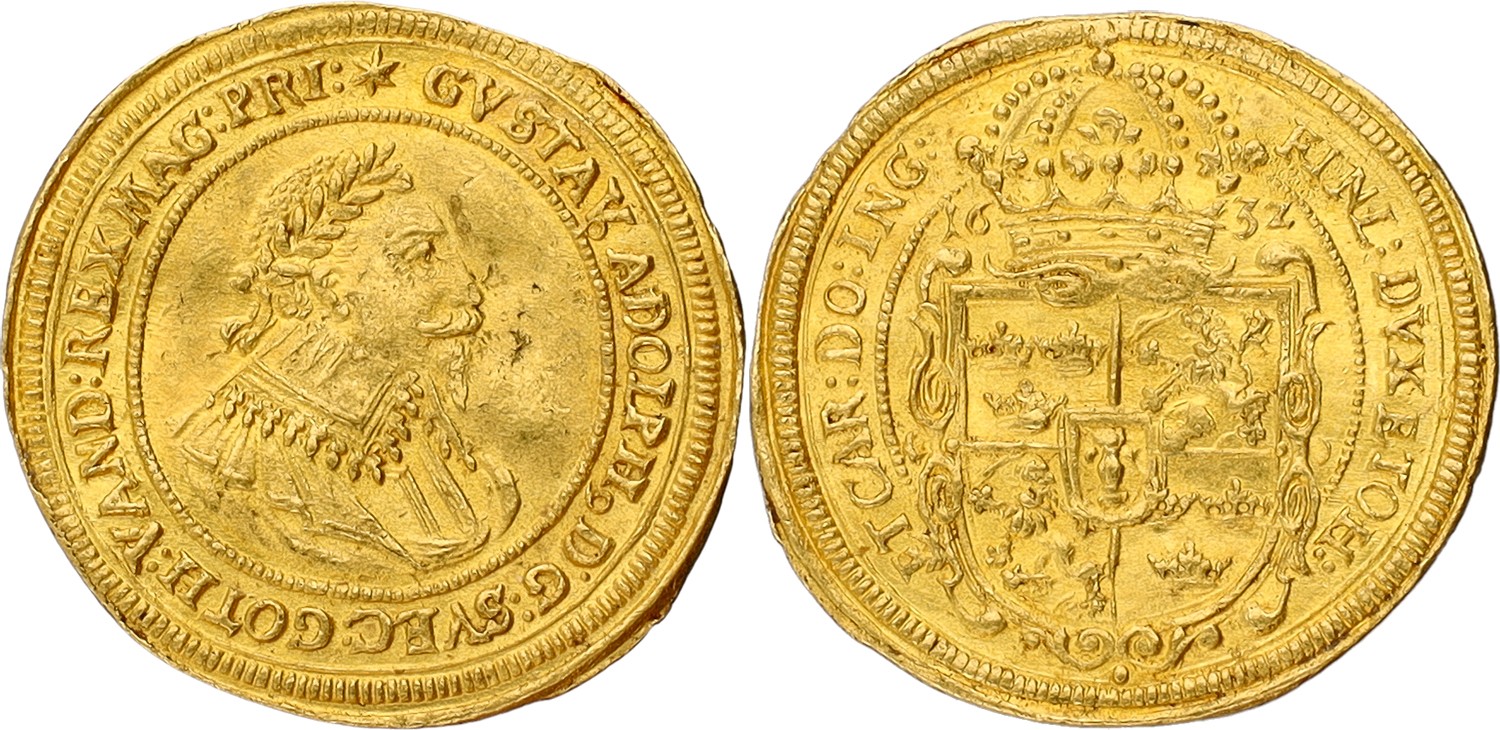
Nürnberg.
Under Swedish rule. Gustav II Adolph.
Ducat. 1632. XF.
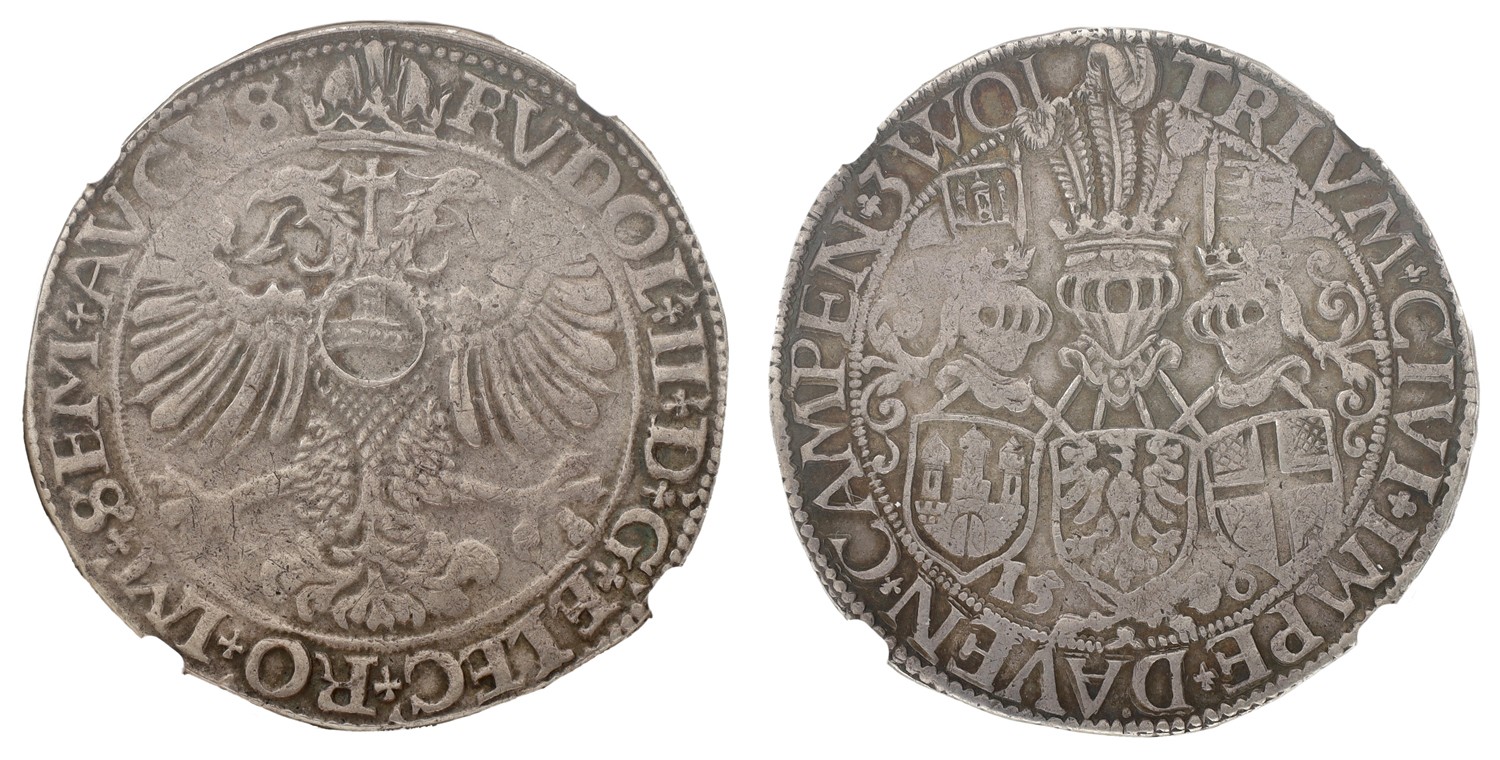
De Drie steden. 1586.
NGC graded. AU 55
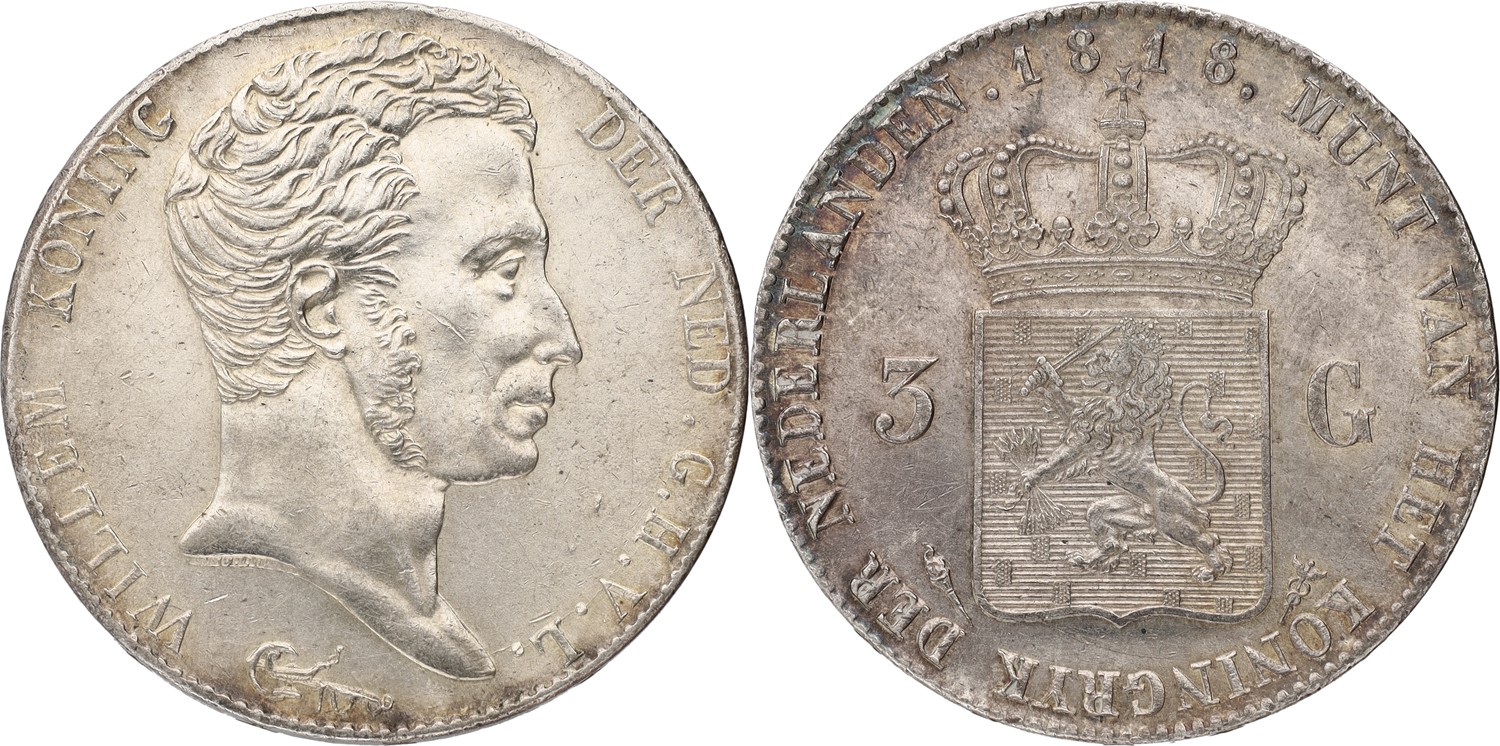
Willem I. 1818 U. XF +
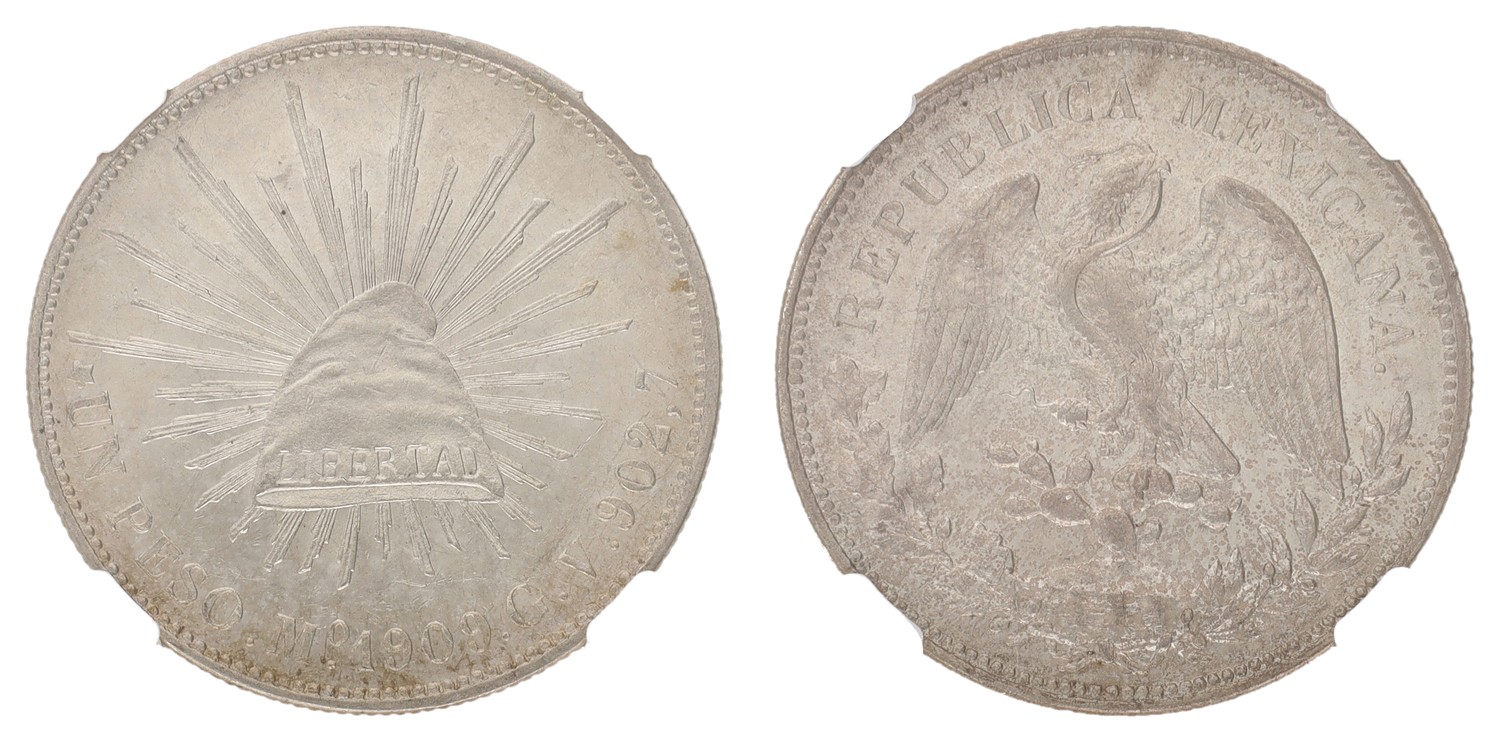
Peso. 1909 Mo GV.
NGC graded. MS 62
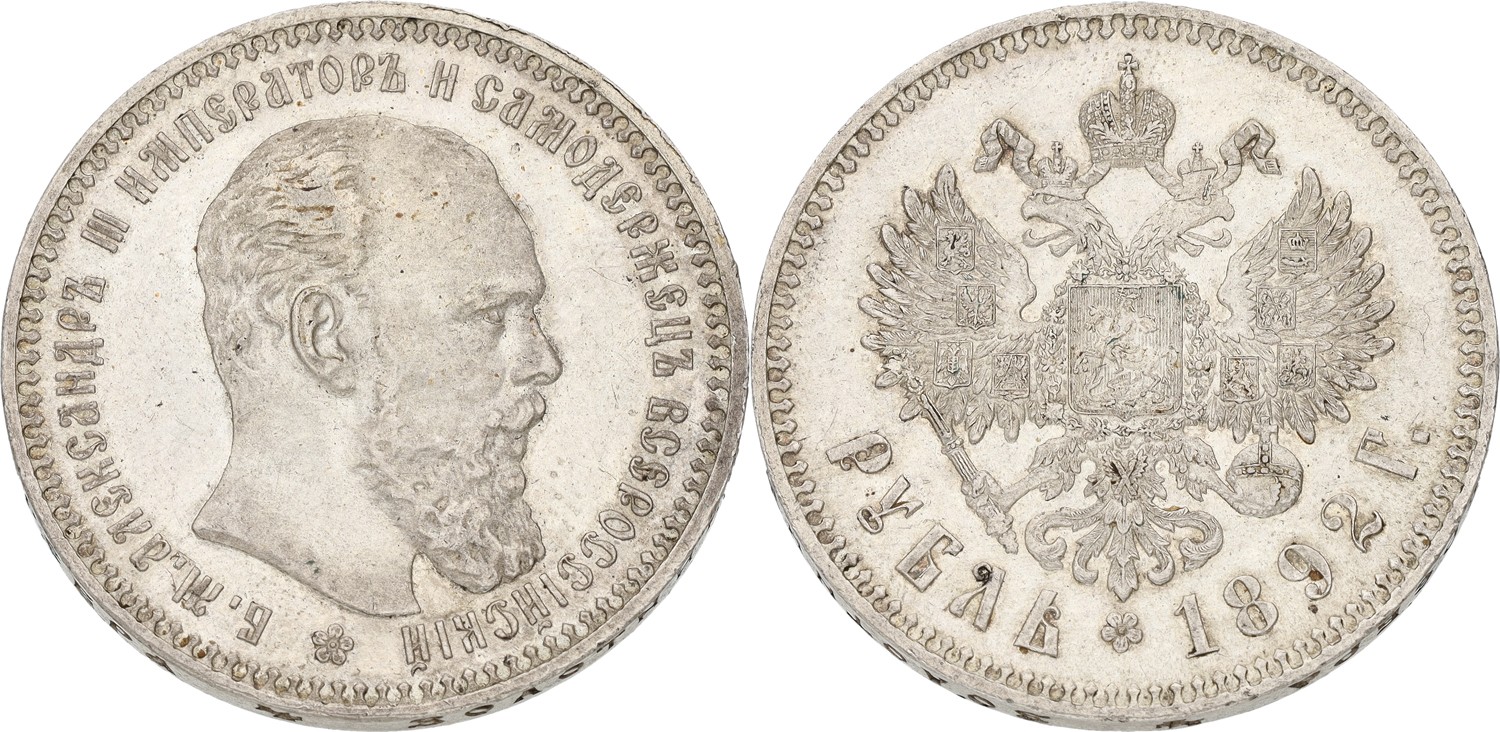
Alexander III.
Rouble. 1892.
XF
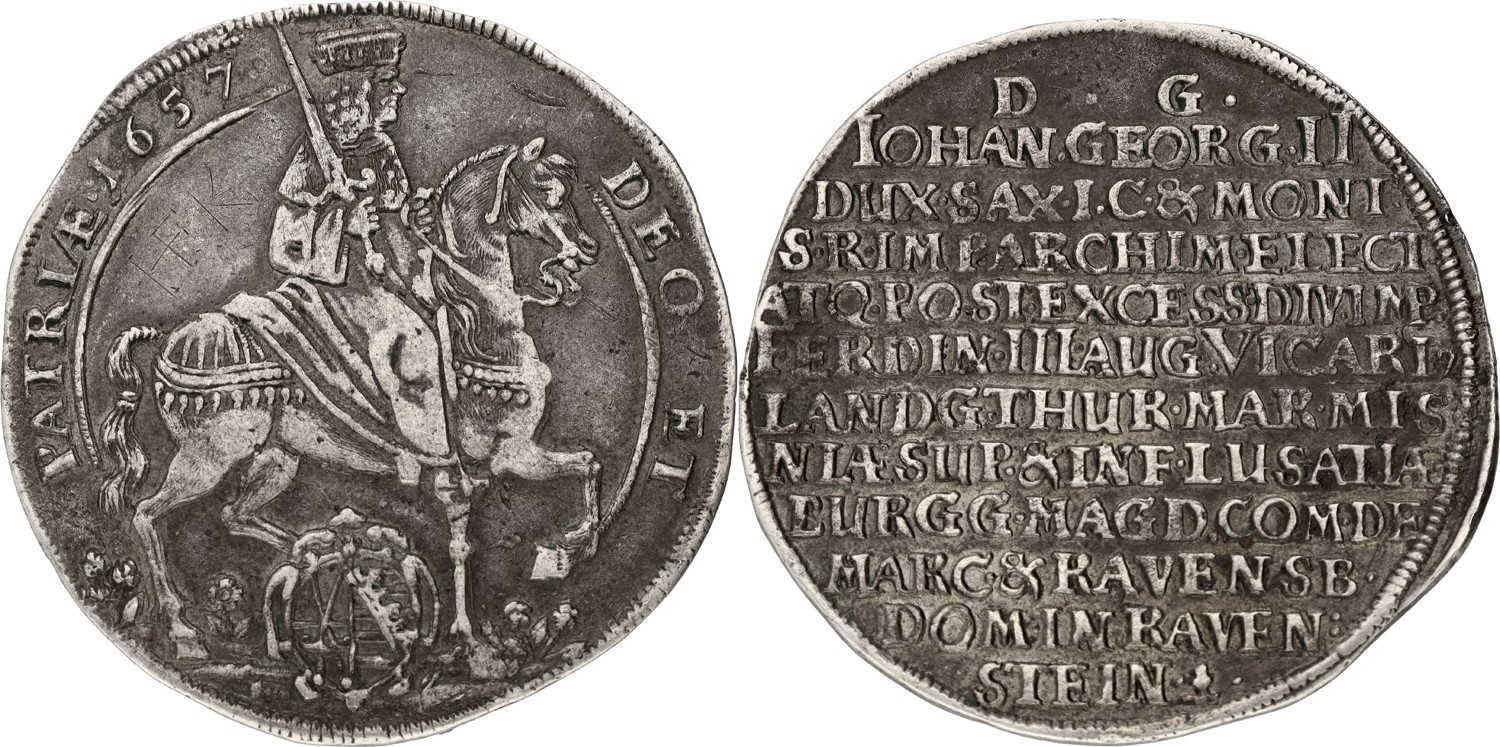
Saxony. Albertine line.
Reichsthaler - Assumption of the Vicariat upon
death of Emperor Ferdinand III.
1657. VF -
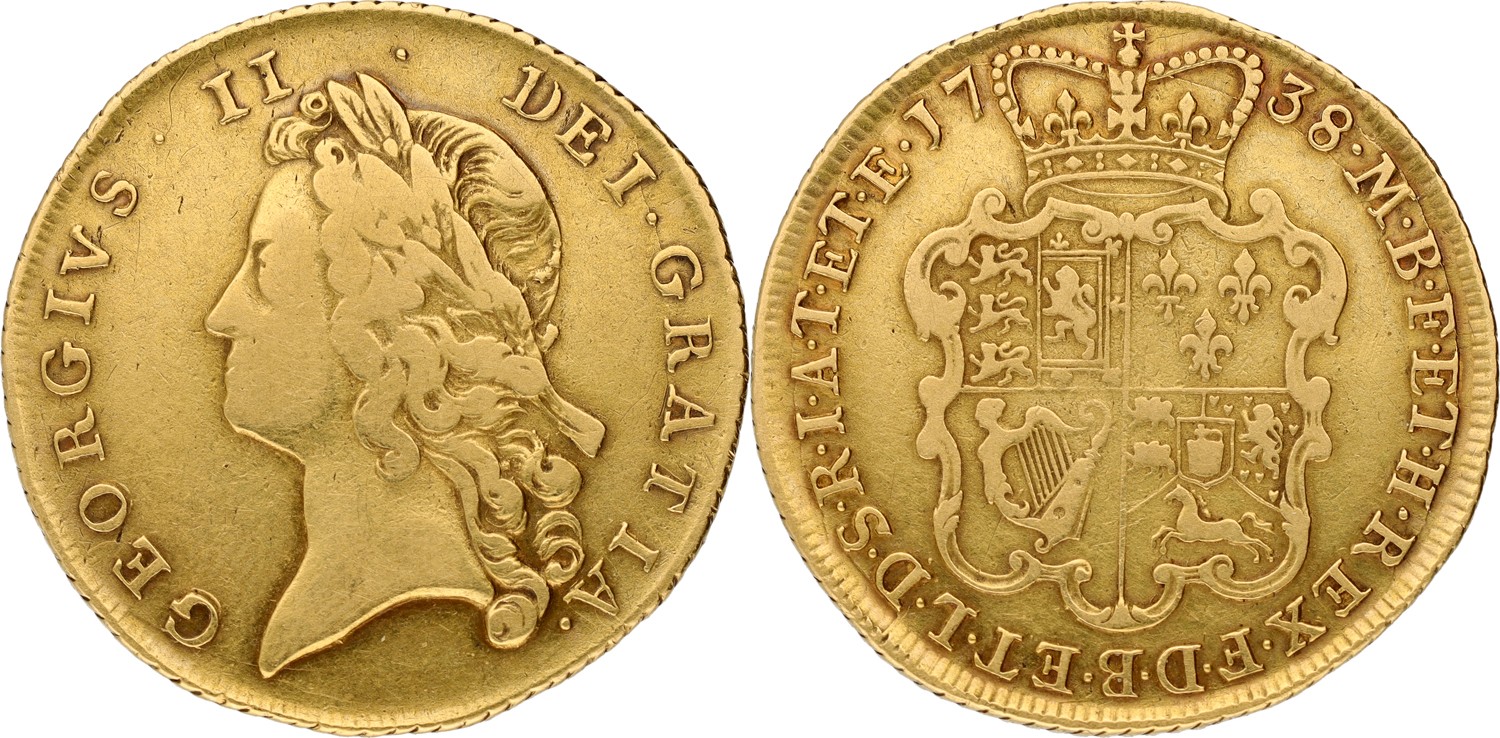
George II.
2 Guineas. 1738.
VF +.
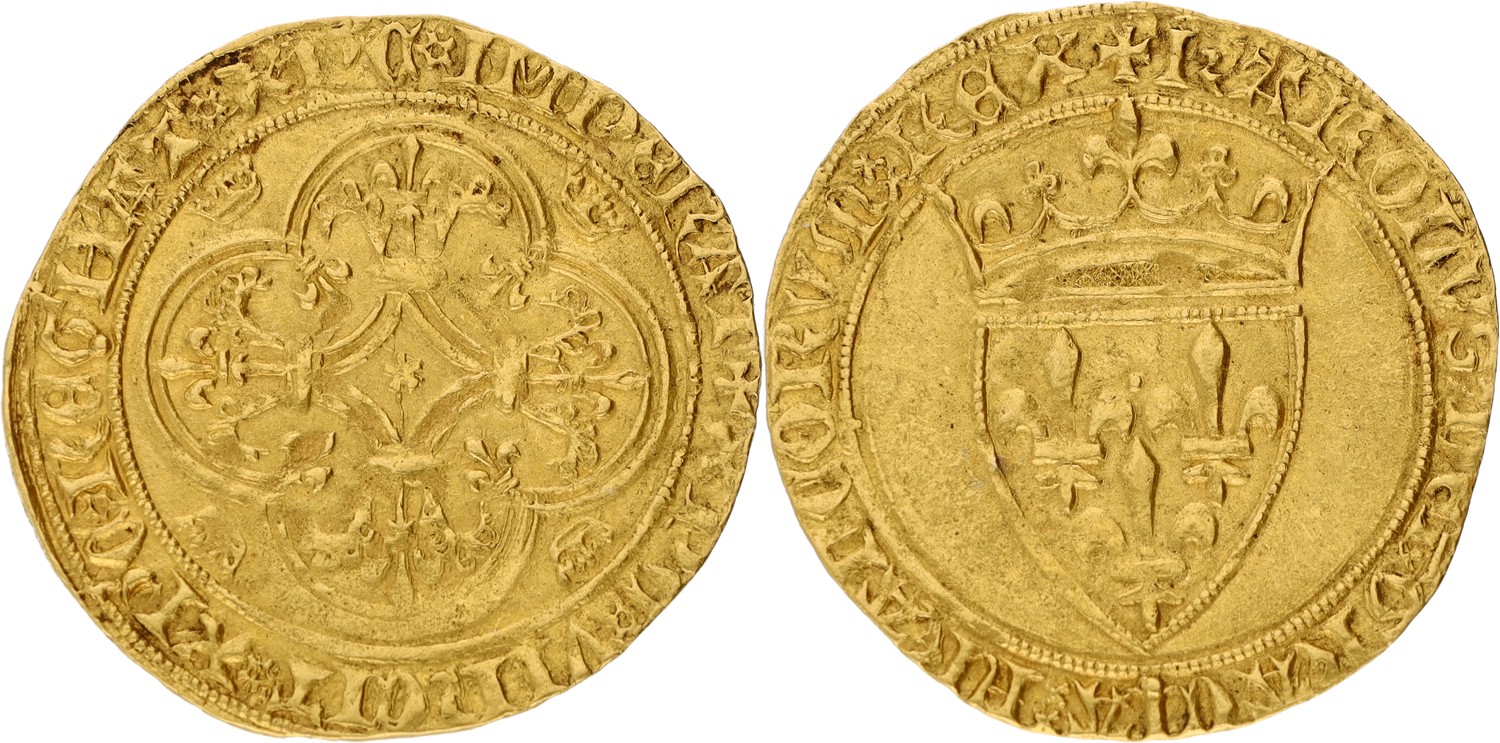
Charles VI.
Ecu d'or.
ND (1411). VF +.
How Not To Handle a Gold Transport
by Björn Schöpe, translated by Maike Meßmann
When transporting gold coins worth about 1 million euros, usually, this happens in compliance with strict security regulations. Mints tend to adhere to these standards when they supply wholesalers around the world. But when the Royal Australian Mint (RAM) made a penny-wise and pound-foolish decision, it turned out to be a big mistake.
Content
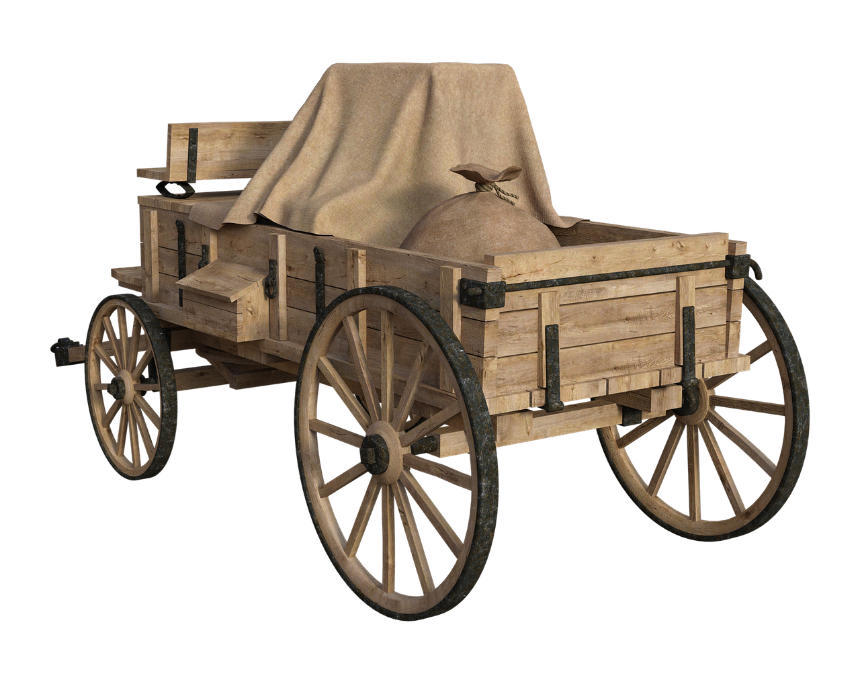
There are many ways of transporting gold. But you should never save on security measures. Source: Jazella / Pixabay
Advertising Leaflets or Gold Coins?
In May 2022, a small carrier van arrived at the door of a precious metals dealer in Erding, a town near Munich in Bavaria. When the employees pulled a cardboard box from under the tarpaulin, they assumed that the box contained the Royal Australian Mint’s advertising leaflets. After all, this is how such leaflets are usually transported.
The German newspaper Süddeutsche Zeitung reported that the company’s CCTV footage revealed how surprised the employees were when they found out that the invoice on the box stated that it contained a shipment of gold coins – the transport of which is normally subject to strict security measures. When they opened the box, they did not find gold coins but a bunch of stones.
An Unsecured Carrier Took the Goods from Frankfurt to Munich
The RAM’s business model goes beyond the production of Australia’s circulation coins to include issues for other countries and numerous bullion products as well as collector issues. The RAM ships these products from Canberra to its partners around the world.
According to the Süddeutsche, the consignment sent to Erding was worth around 940,000 euros. It is not known what coins the shipment included, but it can be assumed that they amounted to about 400 ounces of gold. The box arrived safely in Frankfurt am Main, Germany. At this point, however, it seems the RAM decided to save some money and not use a secure transport for the last part of the journey to Erding (a distance of about 400 kilometres). Instead, the coins were transported in a small carrier van along with numerous other goods.
The Süddeutsche covered the legal proceedings at the Landshut Regional Court, which began on 10 July 2023. According to a testimony, it was “the only shipment of such value in the company’s history that was not subject to special security measures”.
Open the Gold Box, Put Stones in and Close It
The 32-year-old driver of the vehicle is being investigated for complicity in misappropriation. Through his lawyer, the driver admitted that the allegations were true. The box with the coins was in a parcel, he said. No inside information was needed to commit the crime. The driver simply assumed that the contents of the box were valuable because of the recipient’s name on the commercial invoice attached to it. The police even found a picture of the commercial invoice as well as of the gold coins on the accused’s mobile phone. In a car park near the motorway, he opened the parcel, took out the coins and put stones inside. The police found DNA samples of the accused and of an alleged accomplice on the stones and the parcel. At this point they are not able to identify a woman’s DNA traces.
Where Are the Stolen Coins?
According to the Süddeutsche, the accused refused to name his accomplice(s) and has not said what happened to the coins or his share of the loot. One possible accomplice has been arrested and charged. He is said to be the senior manager of the sub-subcontractor who organised the transport from Australia to Germany. He is said to have visited the driver in prison before being arrested himself, and a police officer reported that he intimidated the driver.
Liability for the lost shipment has been assumed by the Royal Australian Mint as they are responsible for the fateful decision to send the coins through Germany in an unsecured vehicle.
