






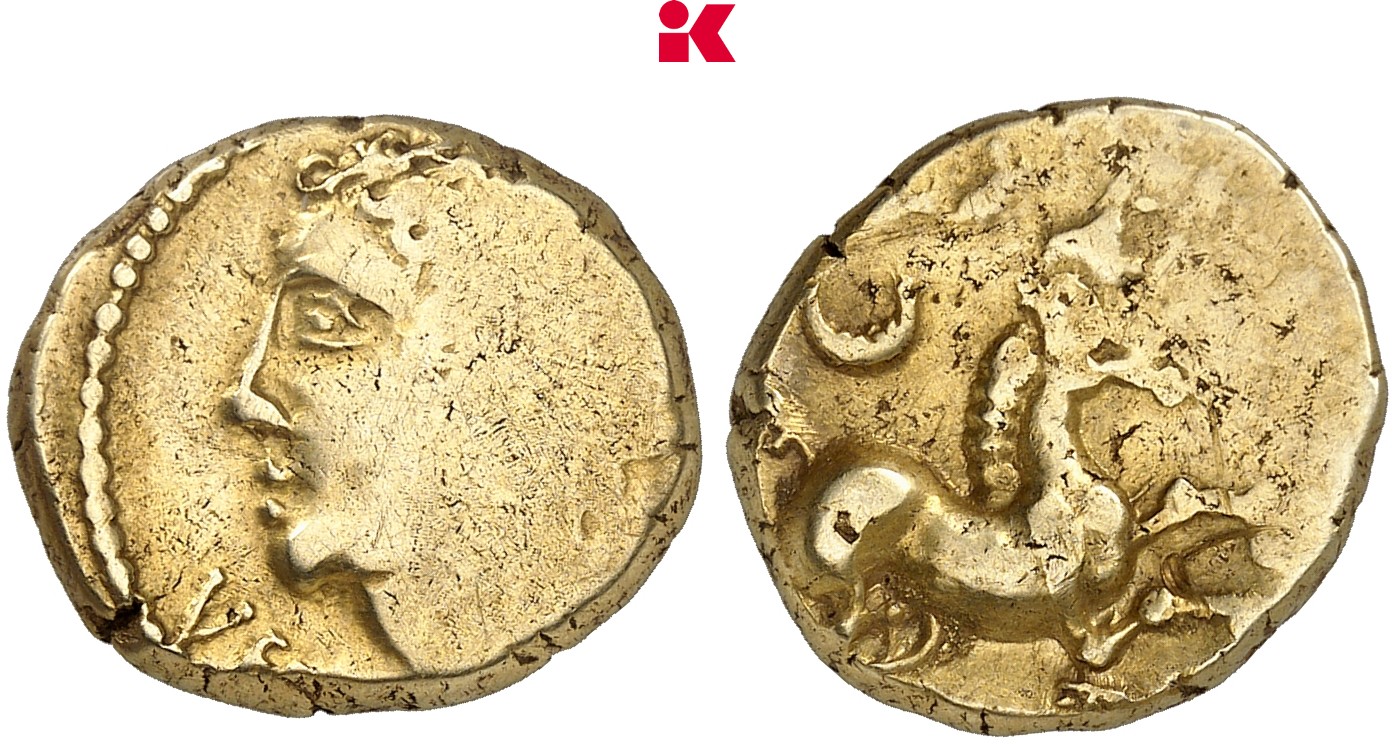
Vercingetorix, 52 v. Chr.
Goldstater.
Sehr selten.
Prägeschwächen, sonst sehr schön.

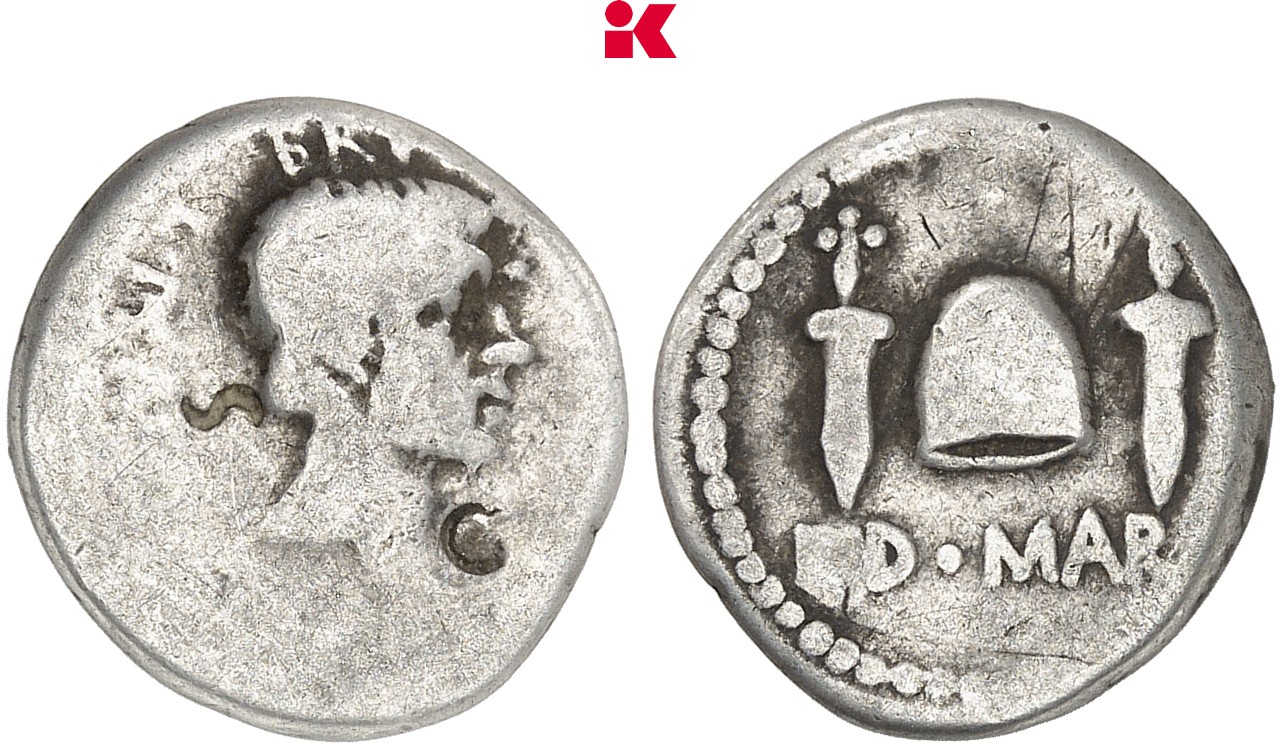
Denar, 42,
Lagermünzstätte in Kleinasien oder Nordgriechenland.
Sehr selten.
Av. schön. Rv. schön bis sehr schön.
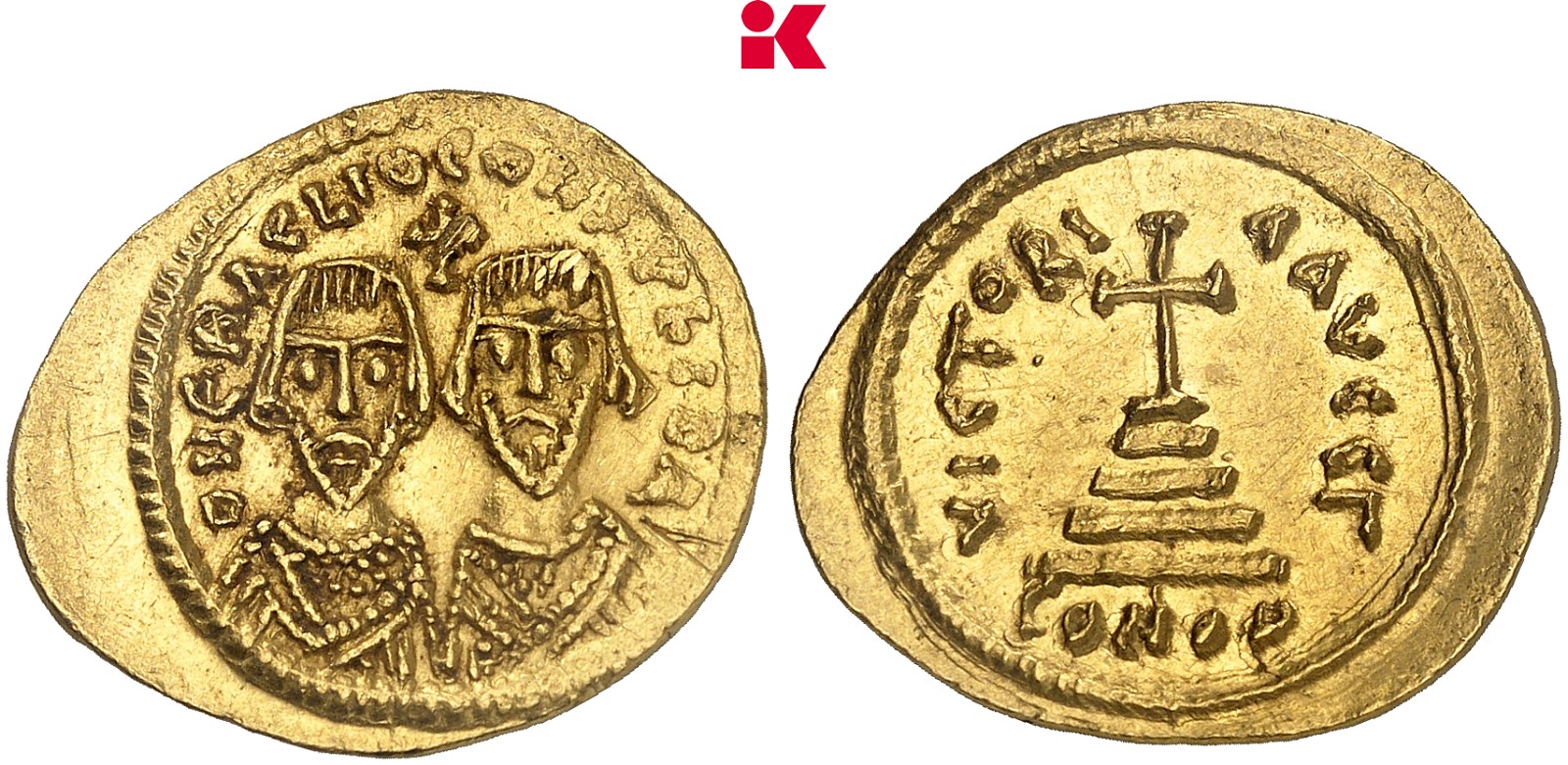
Solidus, unbestimmte Münzstätte.
Äußerst selten. Wohl unediert.
Aus Sammlung Topp.
Fast vorzüglich.
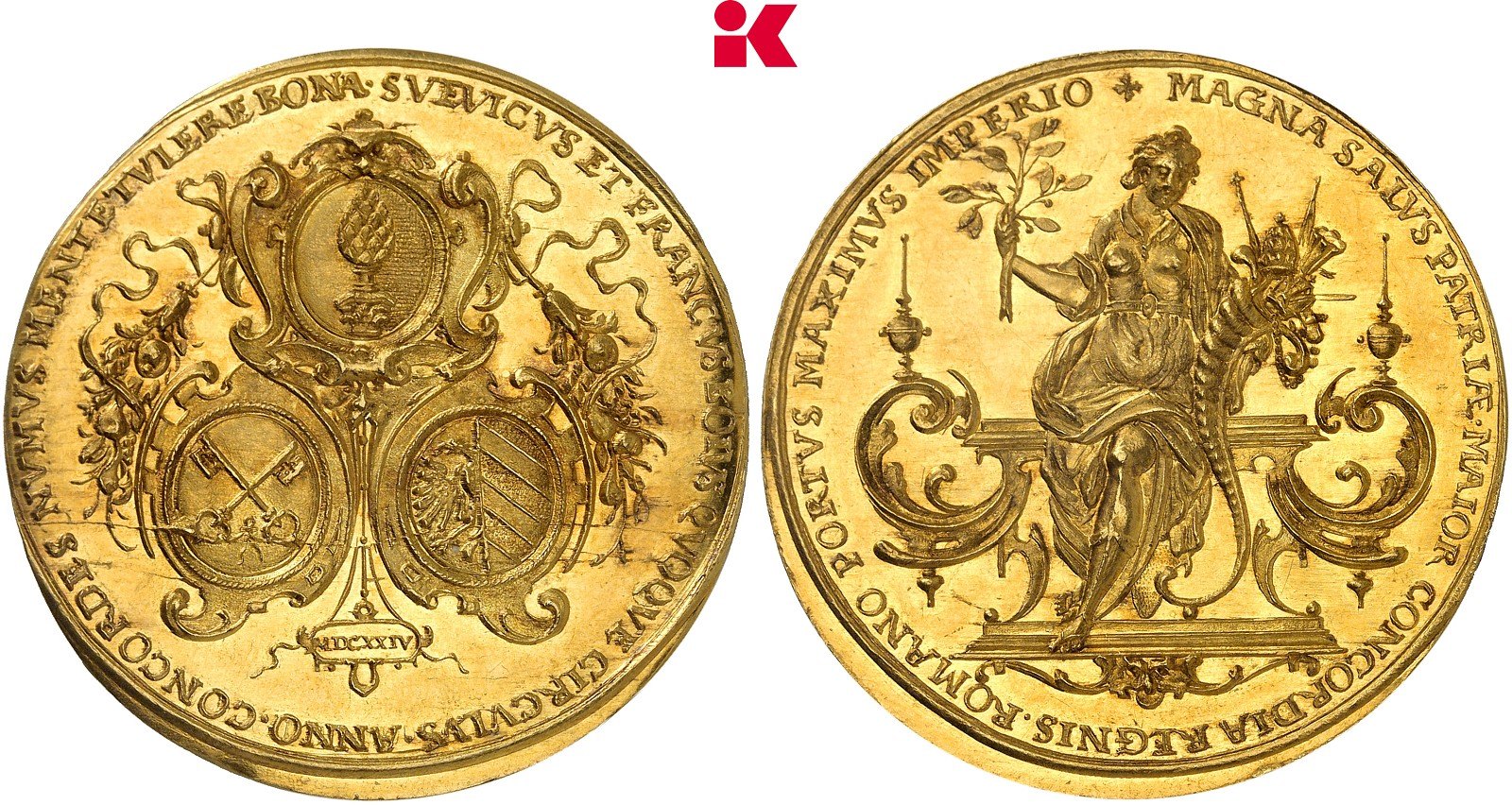
auf die Münzkonvention der drei korrespondierenden
Kreise Bayern, Franken und Schwaben.
Sehr selten, nur wenige Exemplare in Gold bekannt.
Fast Stempelglanz.
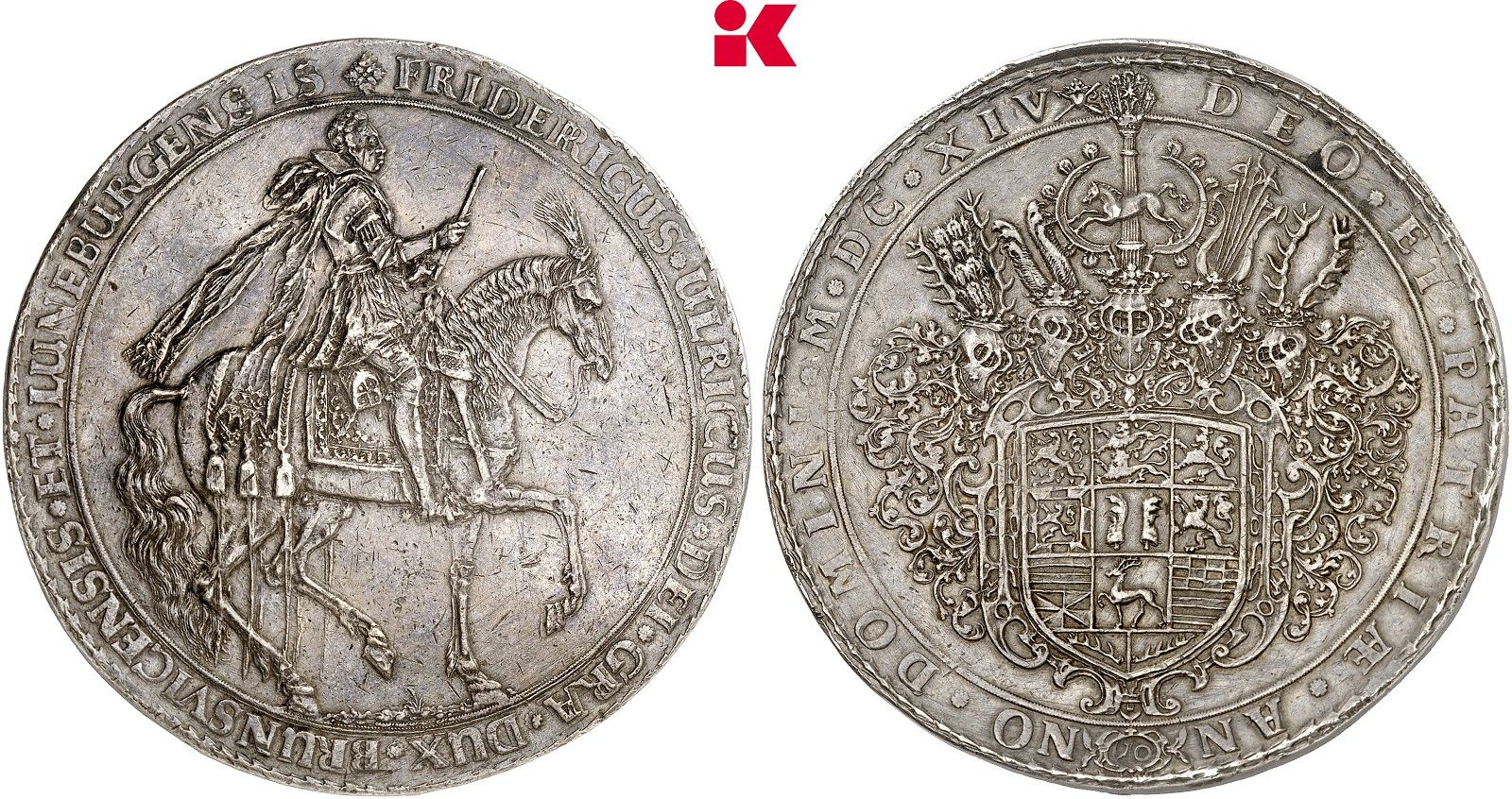
Löser zu 10 Reichstalern 1614, Goslar oder Zellerfeld.
Äußerst selten. Aus Altbestand der Preussag in Goslar,
erworben am 28. Februar 1977.
Sehr schön.
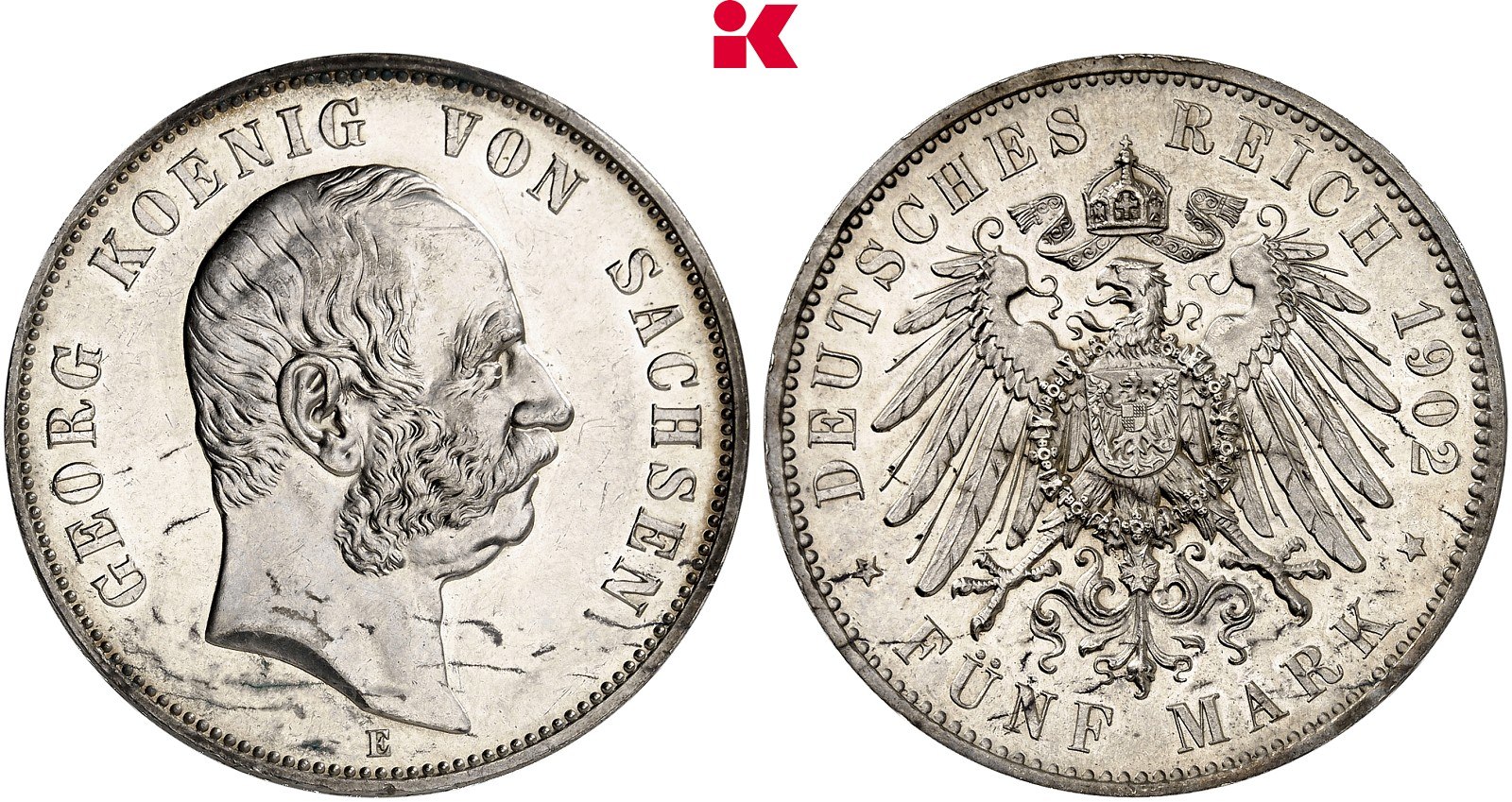
Georg. Probe zu 5 Mark 1902.
Äußerst selten, wohl nur dieses Exemplar bekannt.
Vorzüglich bis Stempelglanz aus polierter Platte.
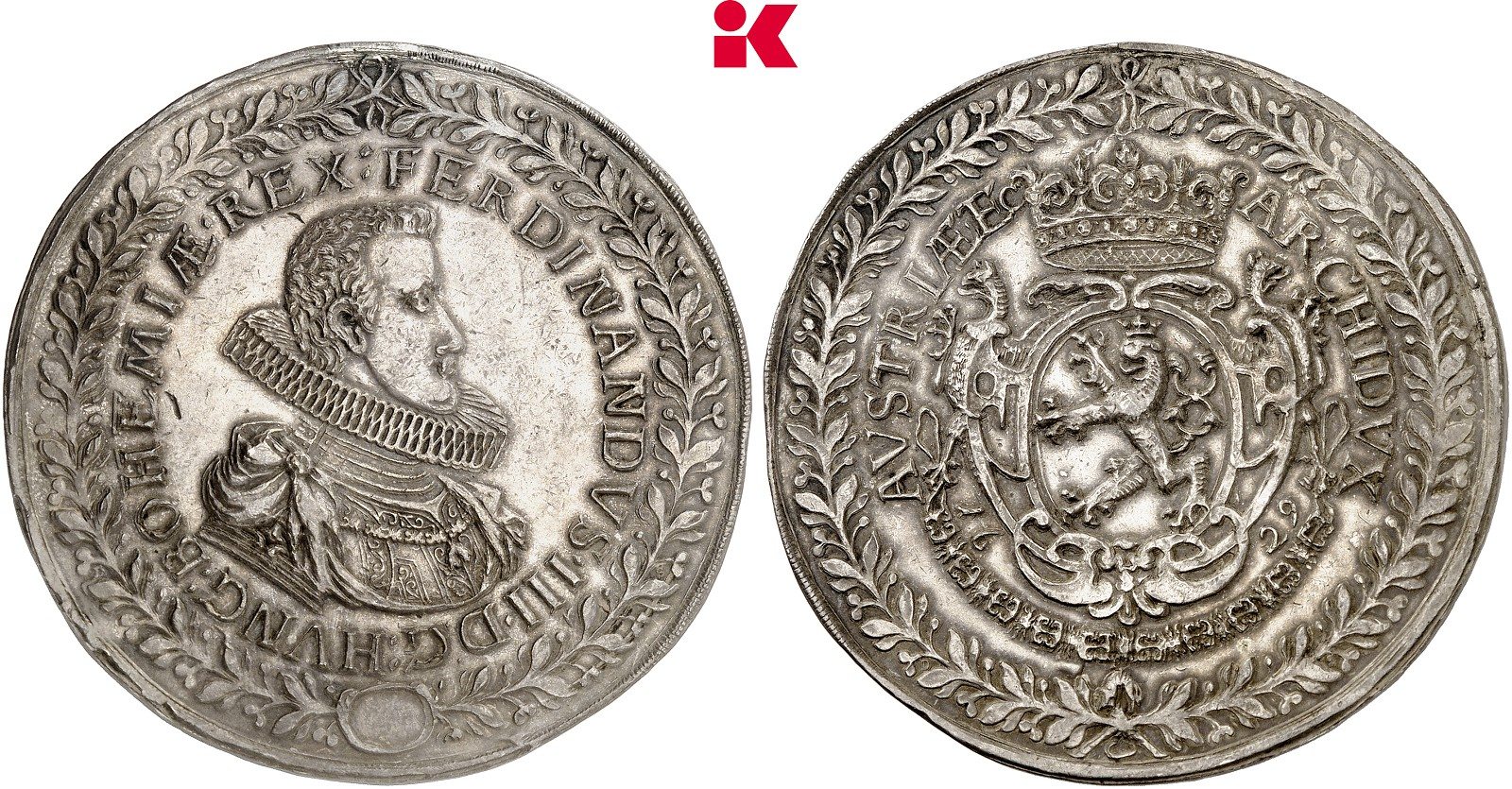
Ferdinand III., 1625-1627-1657.
Vierfacher Schautaler 1629, Prag.
Äußerst selten.
Aus Sammlung Kommerzialrat Dr. Herbert Wenzel.
Fast vorzüglich.
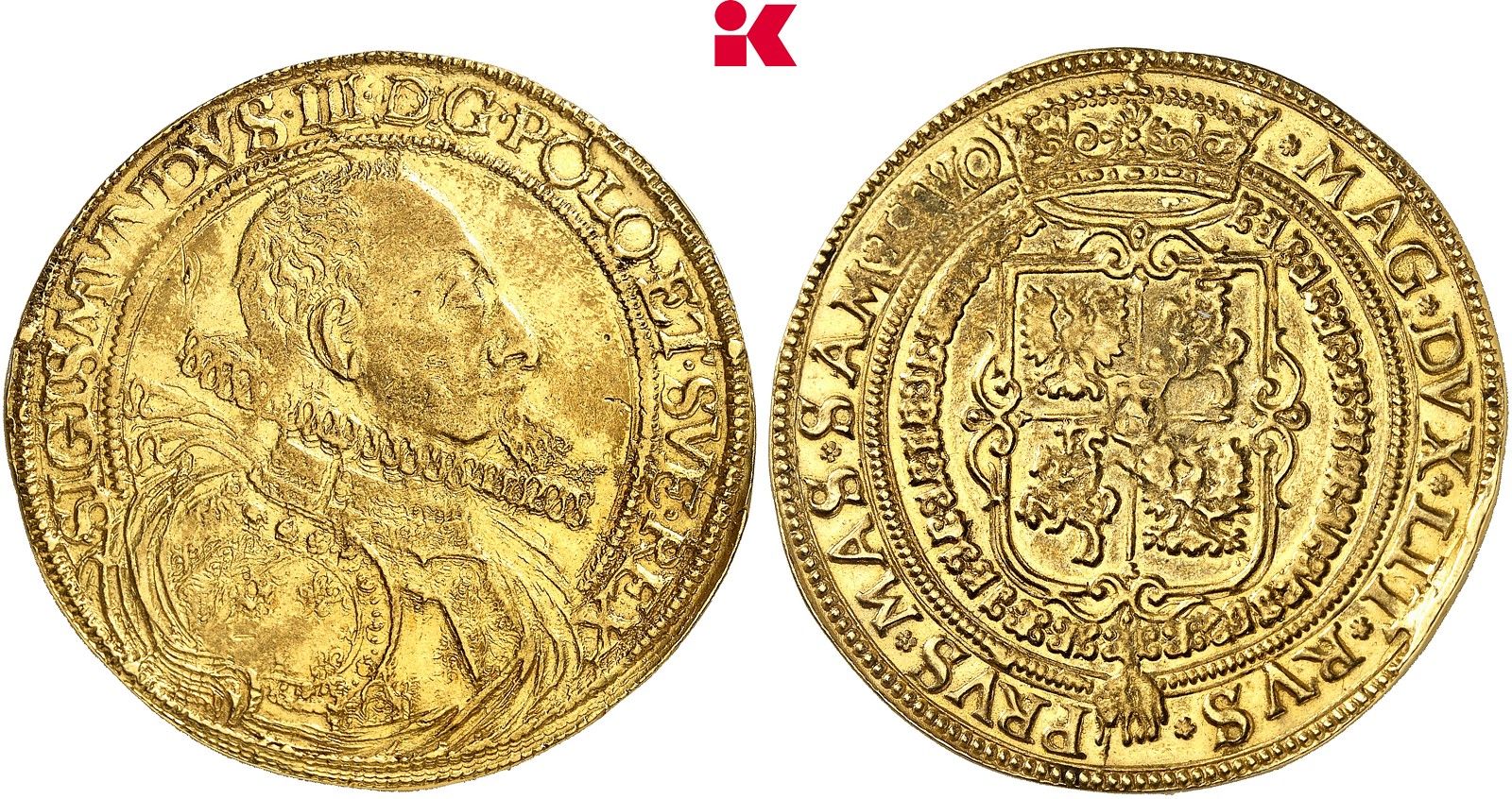
Sigismund III., 1587-1632.
Portugalöser zu 10 Dukaten o. J.,
vermutlich Krakau.
Äußerst selten.
Gutes sehr schön.
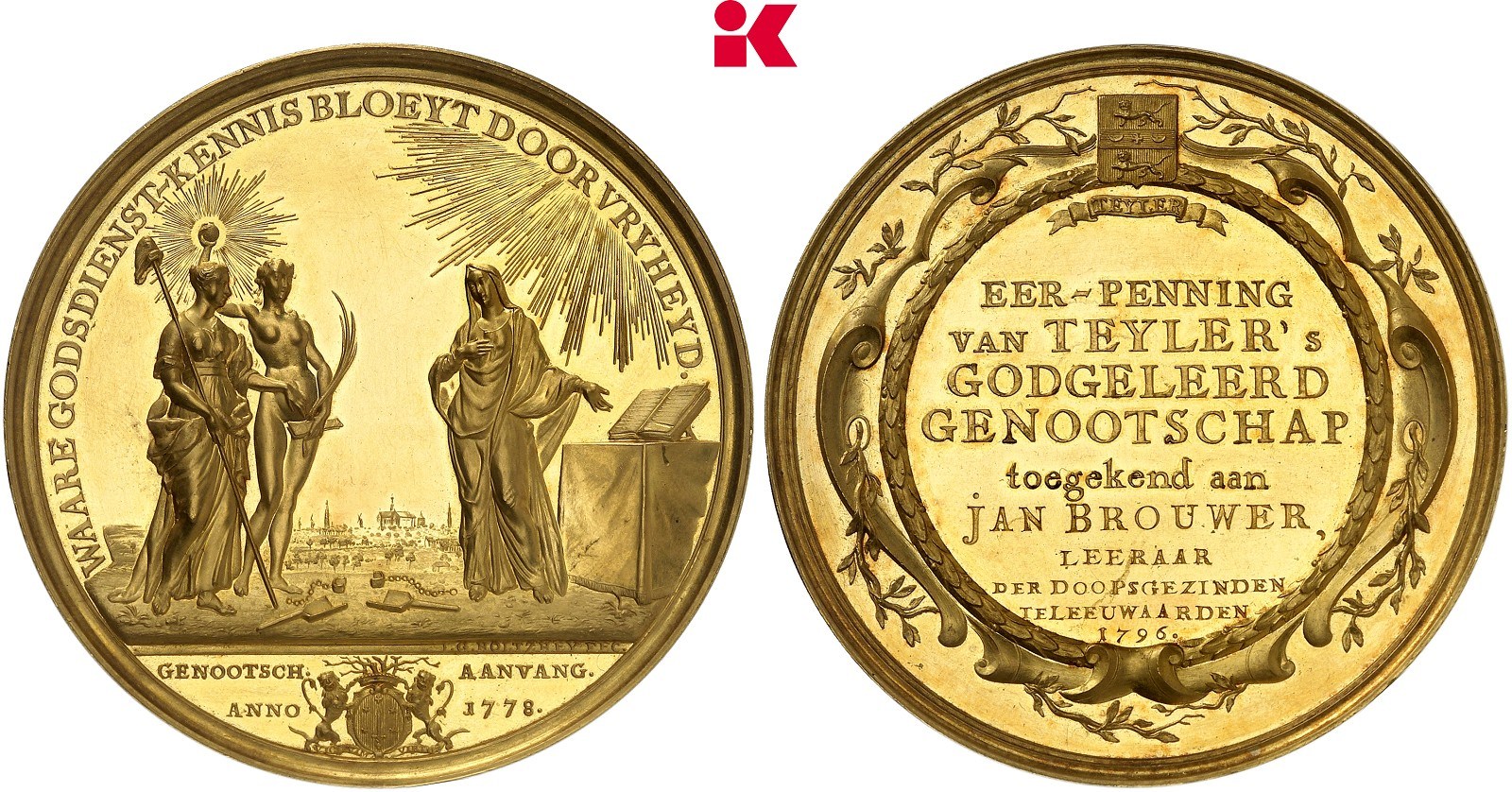
Goldmedaille 1778 von J. G. Holtzhey,
Ehrenmedaille von Teyler's Godgeleerd Genootschap,
verliehen 1796 an den Pastor und Lehrer Jan Brouwer.
Äußert selten.
Vorzüglich.
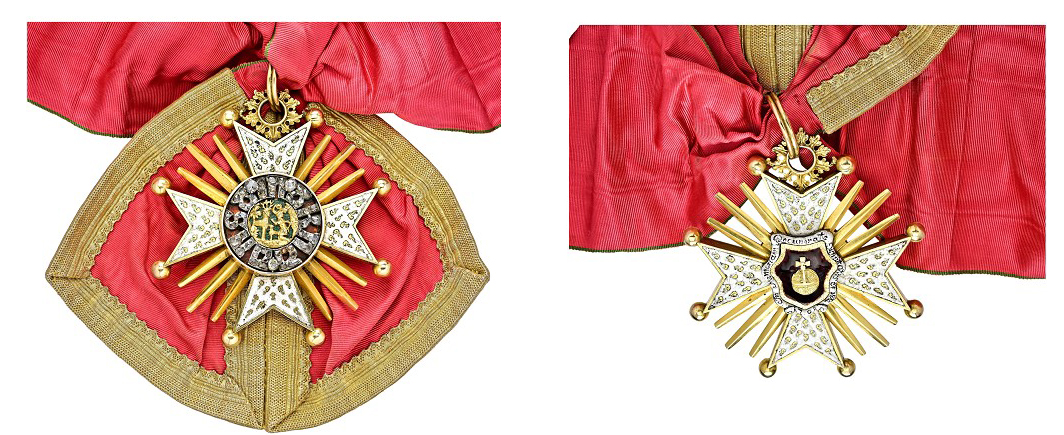
Großes, sehr gewichtiges Kleinod zum Schulterband,
Anfertigung von ca. 1767.
Äußerst selten.
Aus dem persönlichen Nachlass von
Herzog Wilhelm in Bayern. II.
Major State Exhibition at Two Museums in Trier: Marcus Aurelius
The Roman Emperor and philosopher Marcus Aurelius is often considered to be the epitome of a good ruler. Yet, what was the life of the man whose Meditations later became world literature actually like? Who was he, what shaped him, and what is the ideal picture of a good ruler?
Inhalt
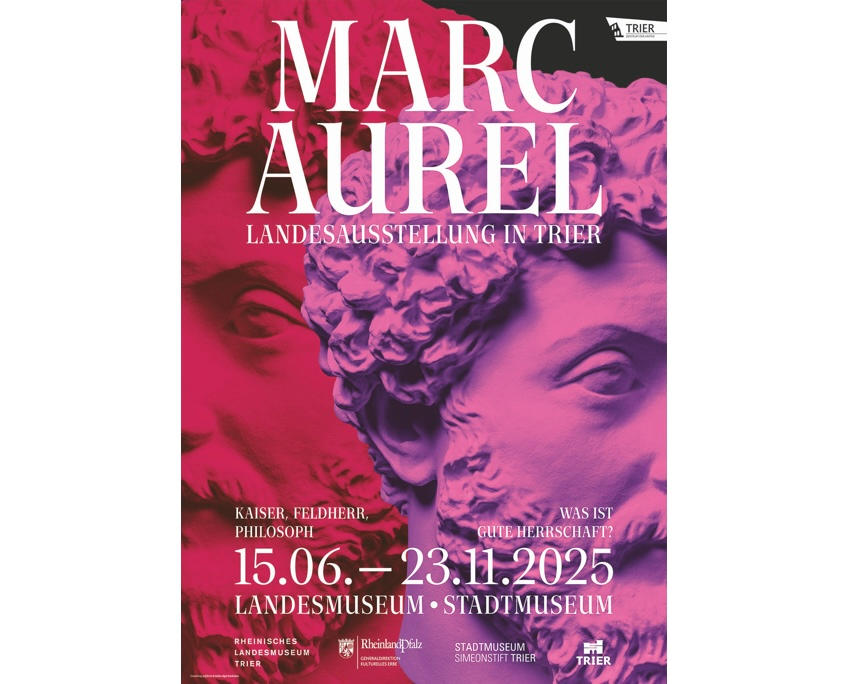
The poster of the exhibition
After the sensational success of the exhibitions on Constantine the Great (2007), Nero (2016) and the Fall of the Roman Empire (2022), the UNESCO city of Trier is once again inviting visitors to a captivating state exhibition; this time focusing on Roman emperor Marcus Aurelius (121-180 AD). His reign in the 2nd century was defined by warfare. Today, however, he is renowned primarily as a philosopher emperor whose actions were characterised by a sense of duty and selflessness.
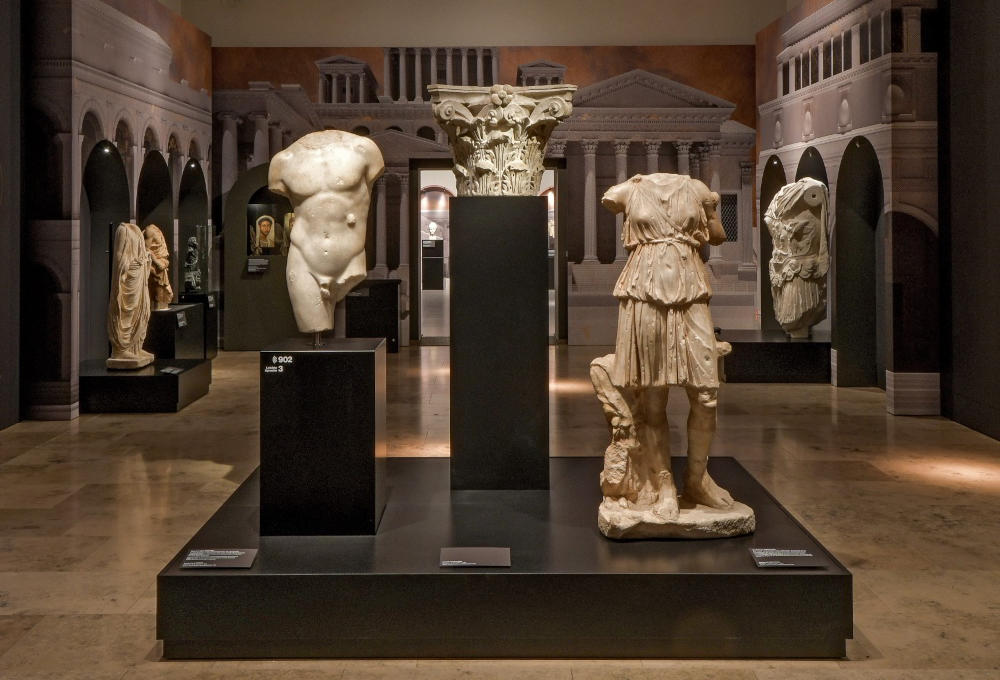
Impressions of the exhibition in the state museum. GDKE, Rheinisches Landesmuseum Trier, Photo: Th. Zühmer.
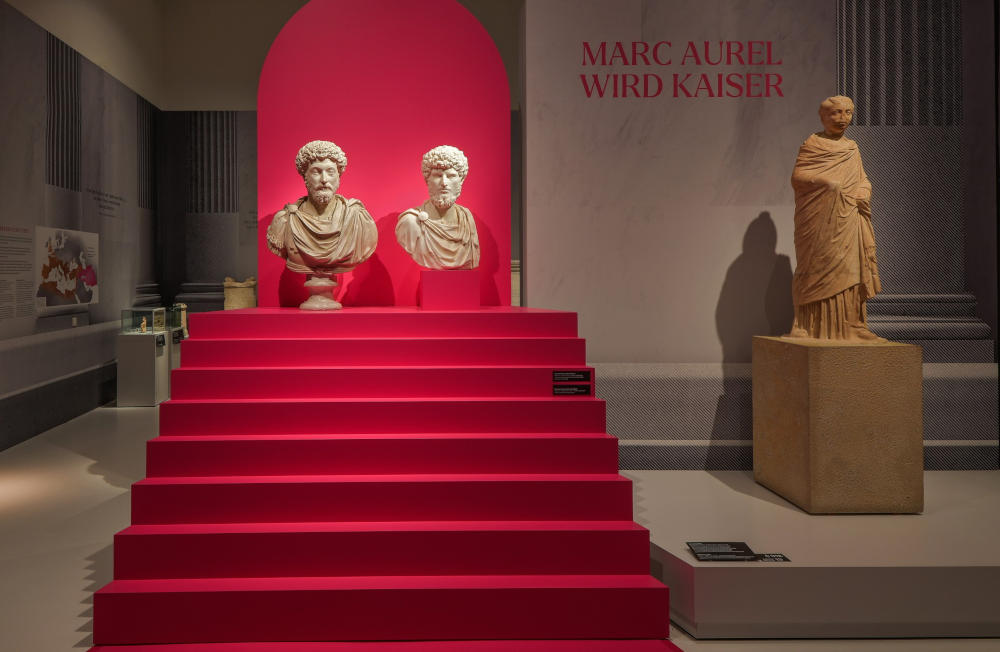
Impressions of the exhibition in the state museum. GDKE, Rheinisches Landesmuseum Trier, Photo: Th. Zühmer.
Spanning an area of around 1,600 m², the state exhibition on the Roman Emperor Marcus Aurelius is presented in two museums. Alongside top-class objects from the museums’ own collections, numerous prestigious national and international exhibits from renowned lenders across Europe will bring Marcus Aurelius, his era and his influence on the ideal image of a good ruler to life. The Rheinisches Landesmuseum Tier and the Stadtmuseum Simeonstift Trier will focus on different aspects. The Landesmuseum will explore the life of the Roman Emperor and his era. The Stadtmuseum will examine how artistic representations of good rule have evolved over centuries, beginning with Marcus Aurelius.
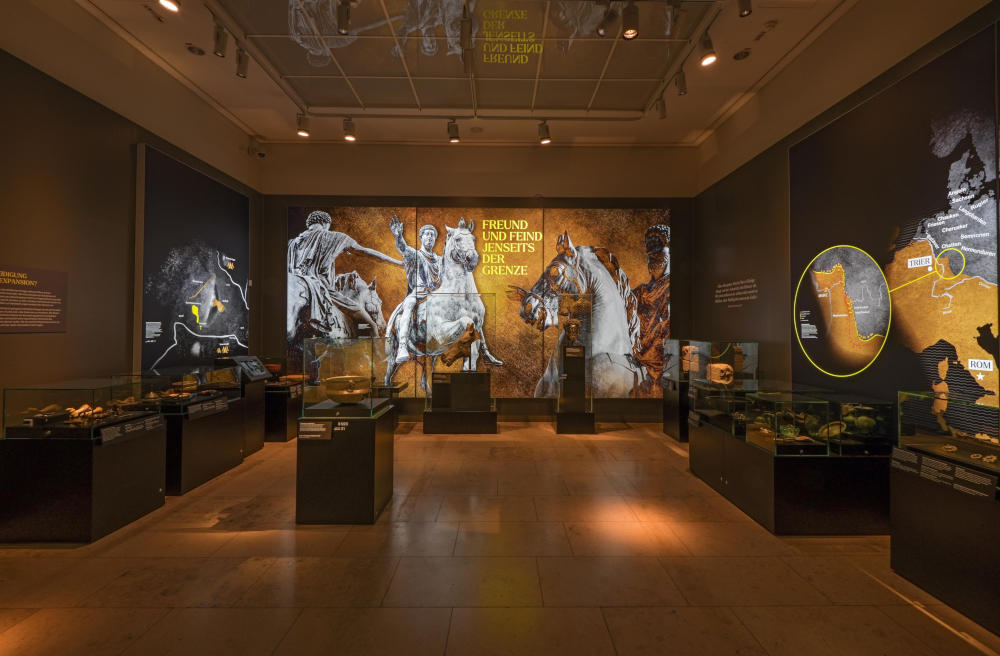
Impressions of the exhibition in the Landesmuseum. GDKE, Rheinisches Landesmuseum Trier, Photo: Th. Zühmer.
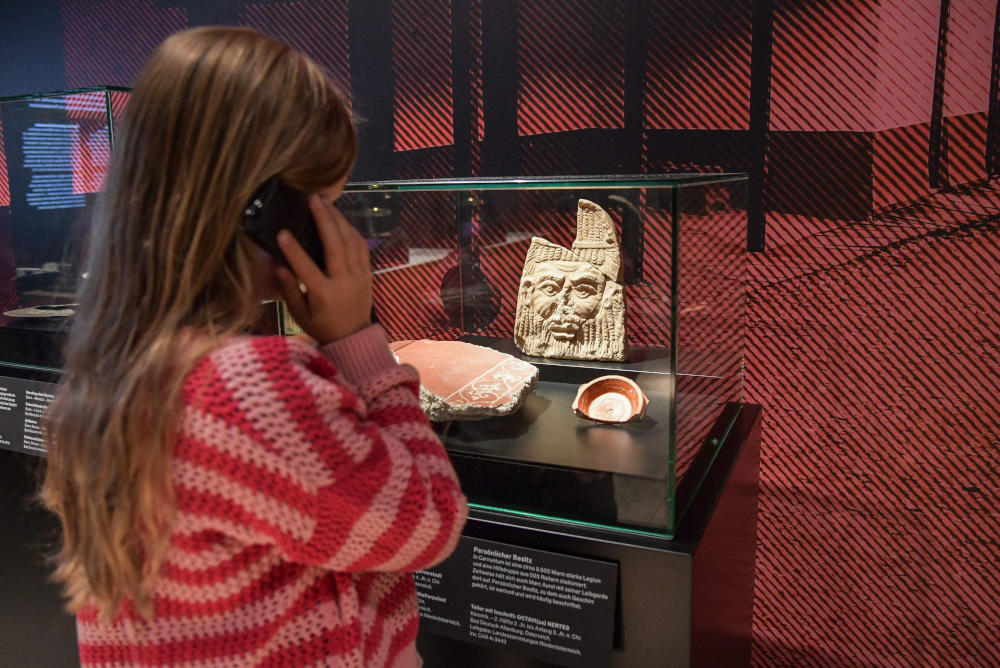
Impressions of the exhibition in the Landesmuseum. GDKE, Rheinisches Landesmuseum Trier, Photo: Th. Zühmer.
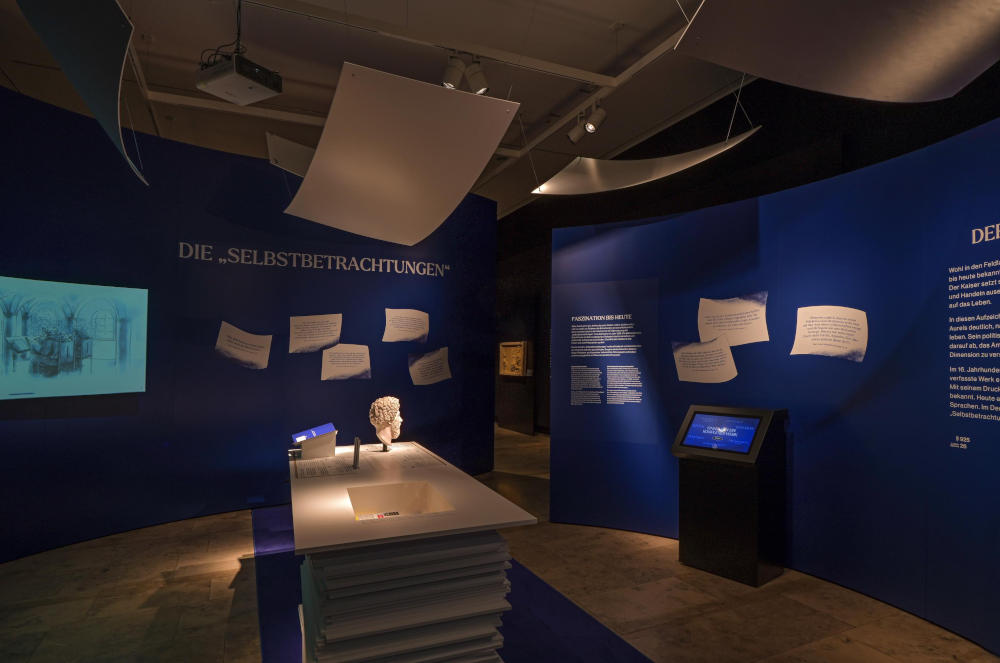
Impressions of the exhibition in the Landesmuseum. GDKE, Rheinisches Landesmuseum Trier, Photo: Th. Zühmer.
Rheinisches Landesmuseum Trier: Emperor, General, Philosopher
The Rheinisches Landesmuseum Trier invites you to take a journey back in time to the Roman Empire of the 2nd century, addressing the fascination surrounding Roman emperor Marcus Aurelius. What characterised him as an emperor? What shaped him and his reign? Why is he still considered a good ruler today?
Spanning around 1,000 m², the archaeological exhibition provides a chronological overview of the significant milestones in the ancient ruler’s multifaceted life, while also examining the historical context of his era. The life of Marcus Aurelius was characterised by contrast: While his long years as heir to the throne were largely peaceful, his reign as emperor was blemished by bitter conflicts. Above all, however, it is his love of philosophy and his Meditations that set him apart from other rulers of ancient times.
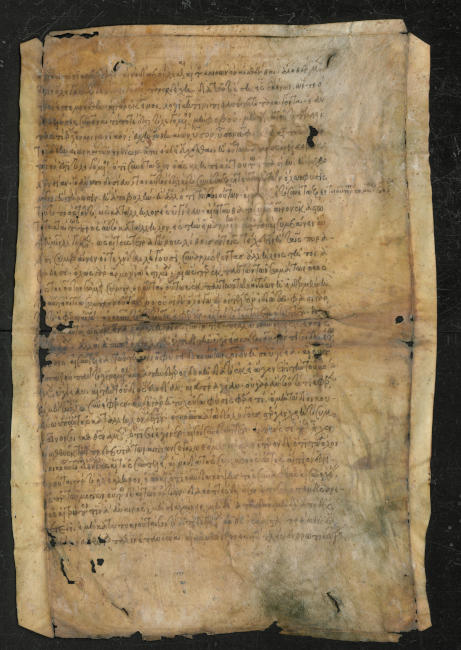
Folium Treverense, fragment with sections of the Meditations, © Bistumsarchiv Trier (BATr) Abt. 95,1 No. 23.
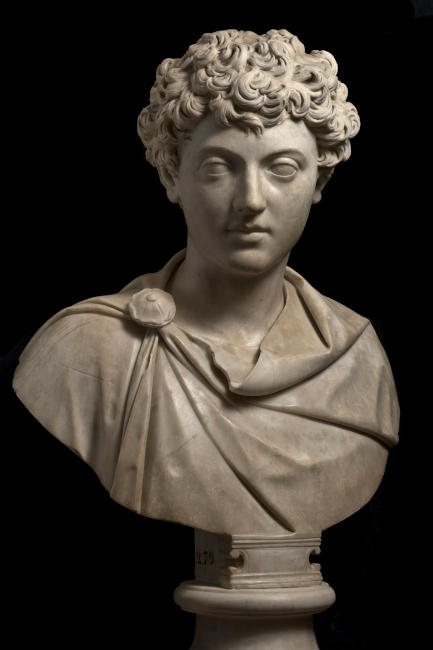
Bust of Marcus Aurelius, Rome, Musei Capitolini, Palazzo Nuovo, Inv. p 279, Archivio Fotografico dei Musei Capitolini, file: S 279.F.06532, © Roma, Sovrintendenza Capitolina ai Beni Culturali
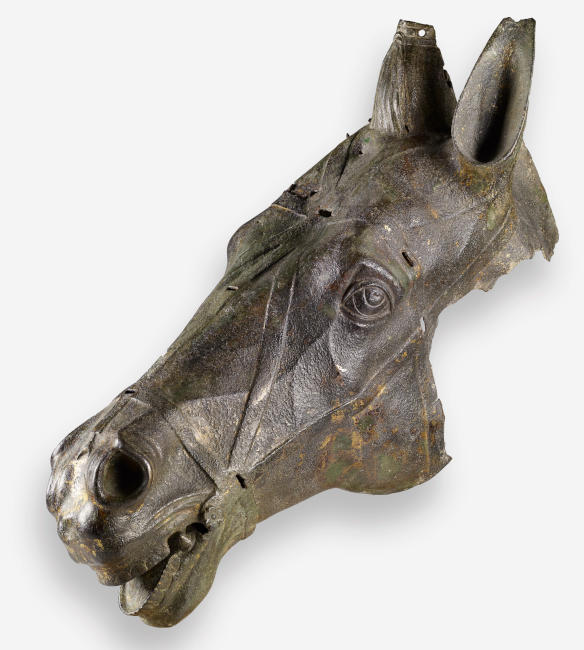
Bronze horse head, © Kunstsammlungen und Museen Augsburg, Archäologisches Zentraldepot, photographer: A. Brücklmaier.
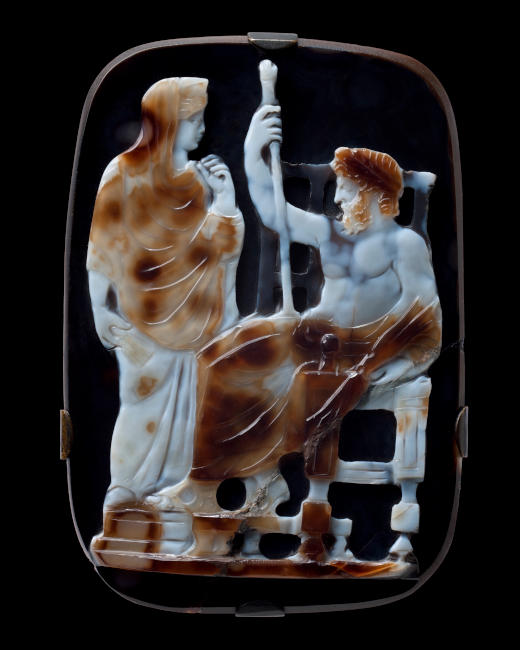
Cameo with Marcus Aurelius and Faustina Minor as Iuppiter and Iuno, © Landesmuseum Württemberg, Hendrik Zwietasch.
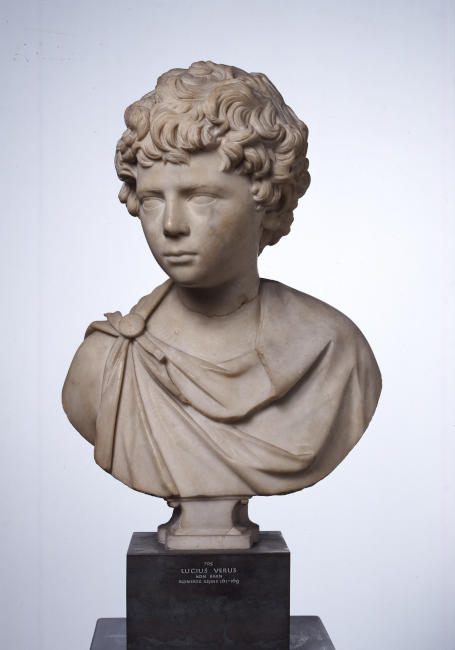
Portrait bust of young Lucius Verus, © Ny Carlsberg Glyptotek, Copenhagen Ole Haupt
In the Landesmuseum, several hundred valuable top-class exhibits from numerous European museums illustrate the life of Marcus Aurelius and bring the era of the Roman ruler to life. The exhibition also provides insights into the Stoic philosophy that accompanied Marcus Aurelius throughout his life, as well as into his Meditations, which remain topical and popular to this day. Together, these elements provide a detailed picture that reveals the various facets of the ancient ruler.
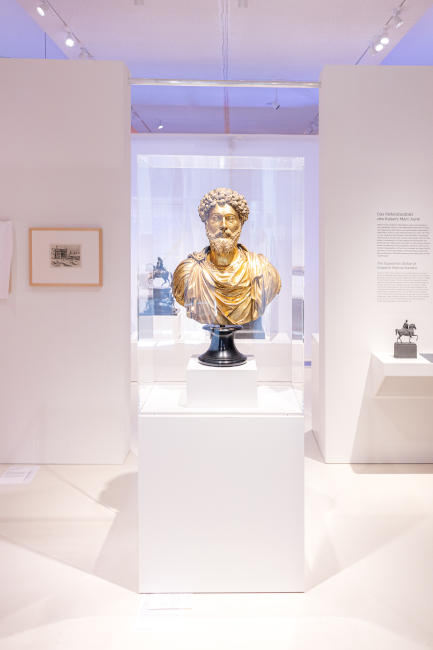
Stadtmuseum Simeonstift Trier, Photo: Julian Langner.
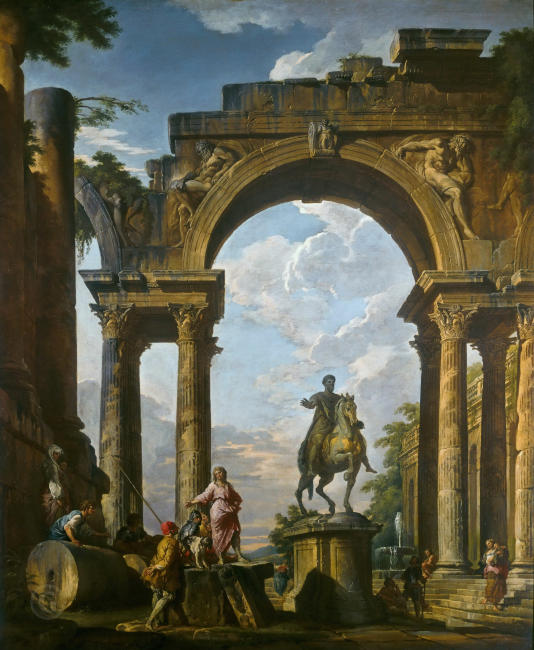
Giovanni Paolo Pannini (1691-1765): Capriccio con la statua equestre di Marco Aureli, 1745, © Gallerie Nazionali d’Arte Antica di Roma.
Stadtmuseum Simeonstift Trier: Marcus Aurelius. What Makes a Good Ruler?
To this day, the Roman Emperor Marcus Aurelius is regarded as the epitome of a good ruler, a philosopher on the imperial throne. Since medieval times, rulers but also political philosophers, moral philosophers and artists have referred to him, deriving different concepts of “good rule” according to their zeitgeist. The Stadtmuseum Simeonstift uses top-class loans from outstanding museum throughout Europe to show how the transformation of this fundamental political idea has been reflected in art from ancient to contemporary times, starting with Marcus Aurelius and his Meditations.
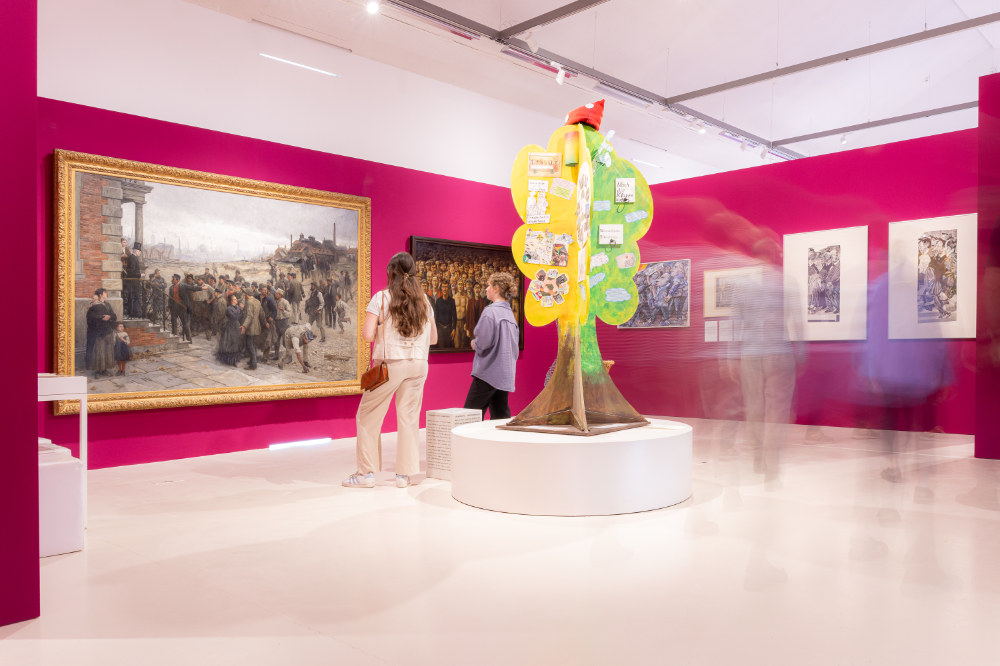
Covering eight centuries, the exhibition explores the struggle to determine what constitutes good rule. Stadtmuseum Simeonstift Trier, Photo: Julian Langner.
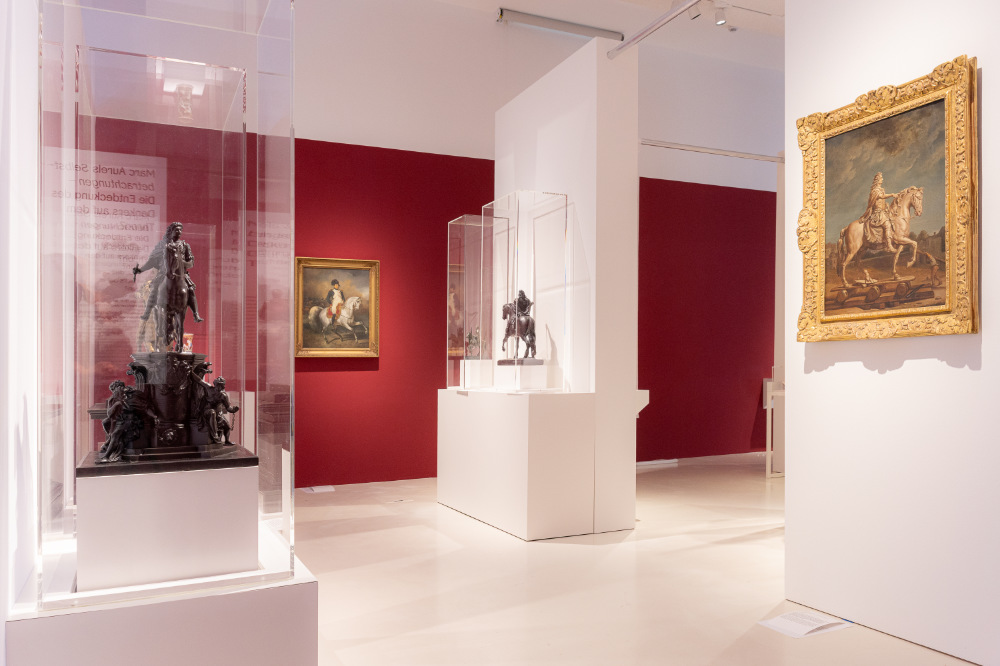
Covering eight centuries, the exhibition explores the struggle to determine what constitutes good rule. Stadtmuseum Simeonstift Trier, Photo: Julian Langner.
The artistic spectrum ranges from ancient depictions of the philosopher emperor to contemporary artistic reflections on question of political legitimacy. When is a period of rule considered good and just? How have these ideas been reflected in art? The outstanding Renaissance frescoes in the Palazzo Pubblico in Siena, dedicated to “buon governo” and marking a revolution in art history as the first artwork with secular motifs, bear witness to the importance of this question. Covering eight centuries, the exhibition explores the struggle to determine what constitutes good rule. Be it evocative images that admonish to the common good, or artistic criticism of prevailing conditions: The paintings, sculptures, caricatures and media from eight centuries of art history shed light on this question, as a fascinating constant of human history with considerable topicality.
Trier as Exhibition Venue and “Centre of Antiquity”
Trier fascinates everyone interested in antiquity – after all, nowhere else in Central Europe is it possible to get as close to the splendour of the Roman Empire. The city’s fortifications were built during the reign of Marcus Aurelius and with them the “Porta Nigra”, the ancient city gate, which remains Trier’s landmark to this day.
The city impresses with its monumental Roman buildings, which are part of the UNESCO World Heritage bringing the antiquity to life. Whether you’re planning a day trip, a weekend or a study trip, Roman Trier offers the perfect setting for a visit of the state exhibition.
Overview
The two exhibitions at the Rheinisches Landesmuseum and the Stadtmuseum Simeonstift Trier will be on display from 15 June to 23 November 2025. In total, around 400 exhibits can be seen in the museums, they come from the museums’ own collections plus 117 lenders from across Europe. You can purchase a combined ticket for both venues. The exhibition will be accompanied by two volumes covering the different sections of the exhibition. Moreover, there is an extensive programme of events aimed at adults and children.
