






Penny, ND (1016-23).
Cricklade Mint. Cnut.
NGC MS-64.
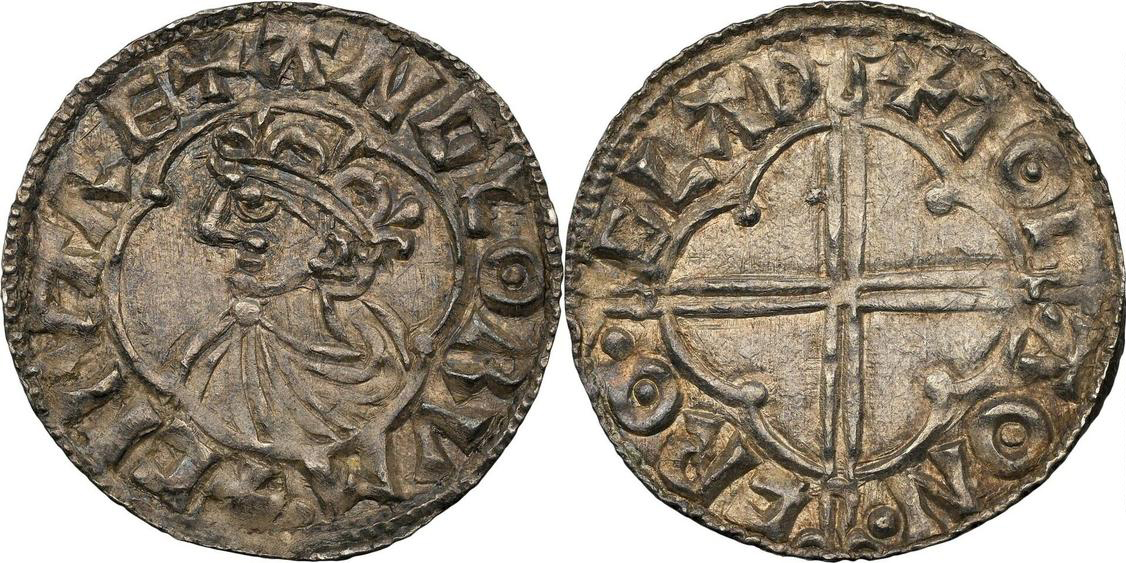

4 Daler Klippe, 1604.
Copenhagen Mint. Christian IV.
NGC AU Details.
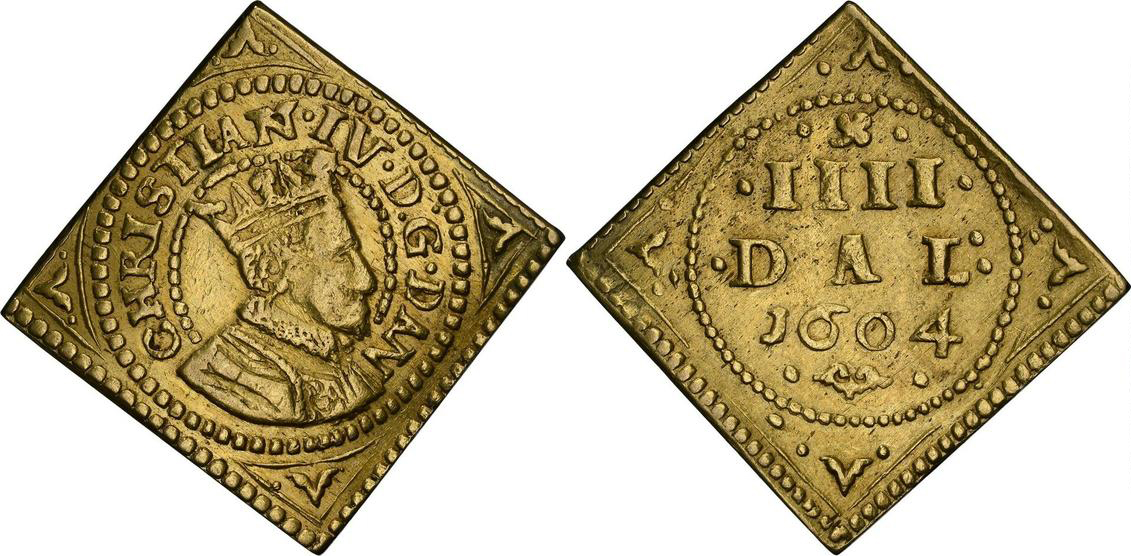
10 Ducat (Portugaloser),
ND (1661). Christiania Mint. Frederik III.
NGC AU Details.
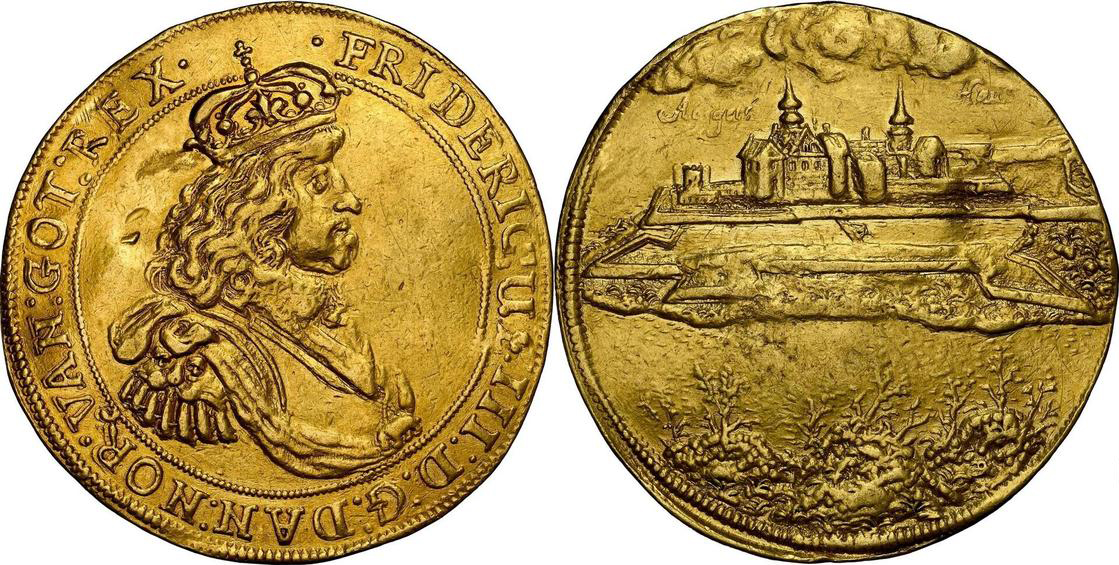
Wolgast. 4 Talers, 1633.
Wolgast Mint. Gustav II Adolf.
NGC AU-58.
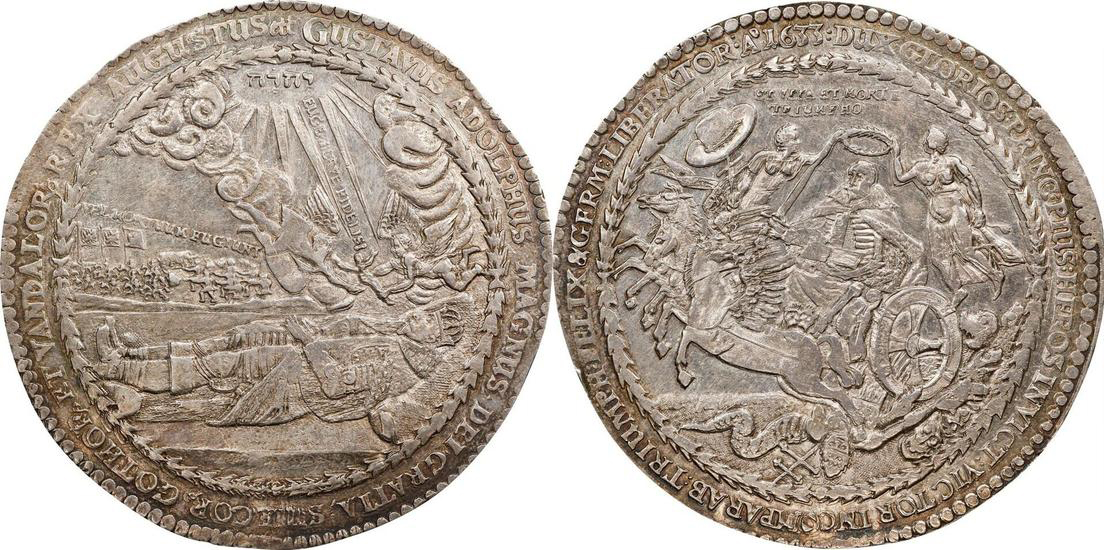
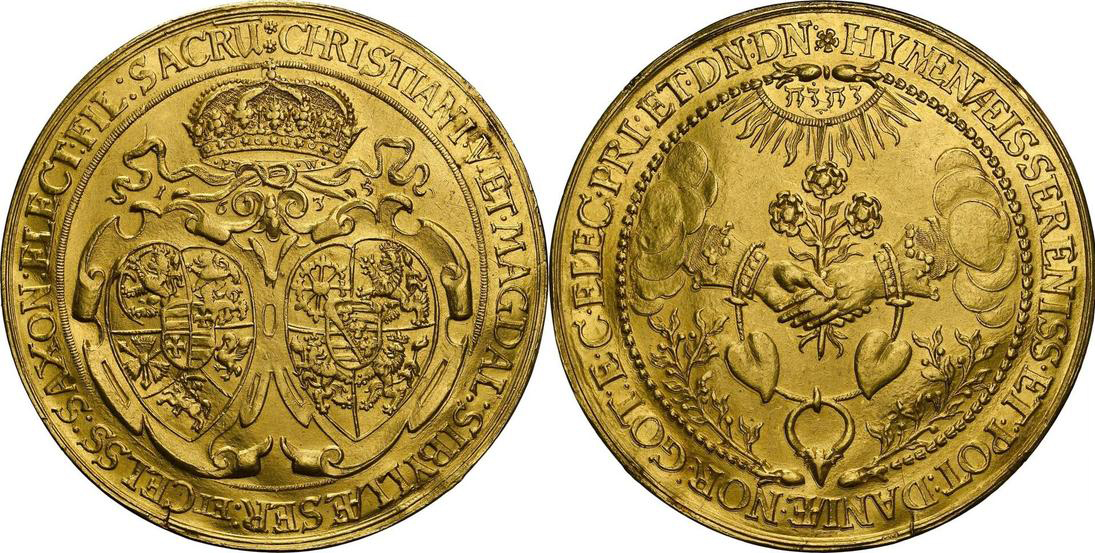
Saxony. Gold Medal /
10 Ducats, 1635. Johann Georg I.
NGC MS-62.
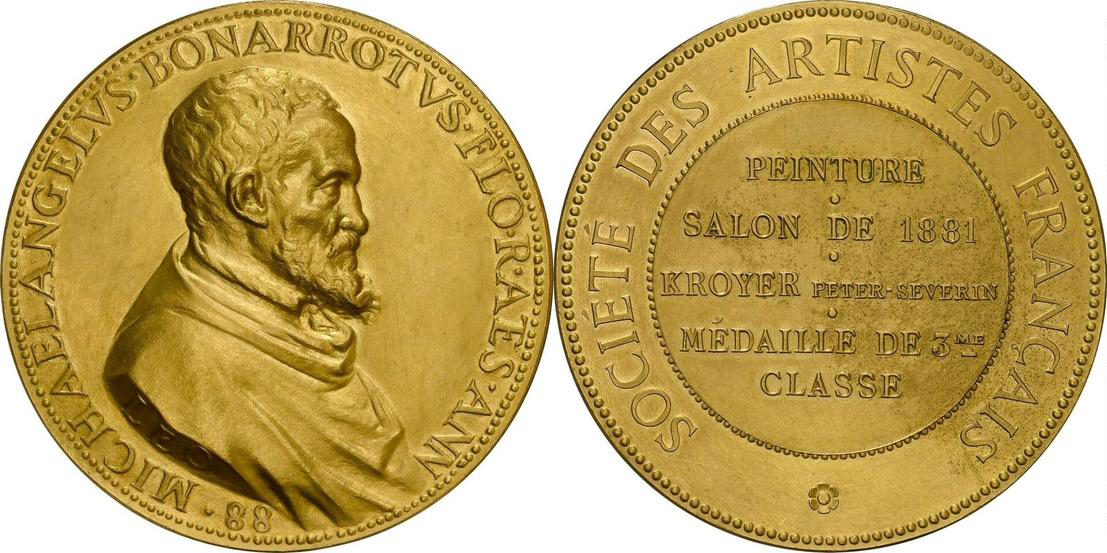
Art Exhibition Gold Medal,
1881. Société des Artistes Français.
NGC MS-61.
Pobjoy Mint Features Egyptian God Ra
Pobjoy Mint released the third coin in the brand-new series issued on behalf of Sierra Leone commemorating 250 years since the birth of British Egyptologist Dr Thomas Young. The series features four Egyptian Gods with the third coin depicting the God Ra.
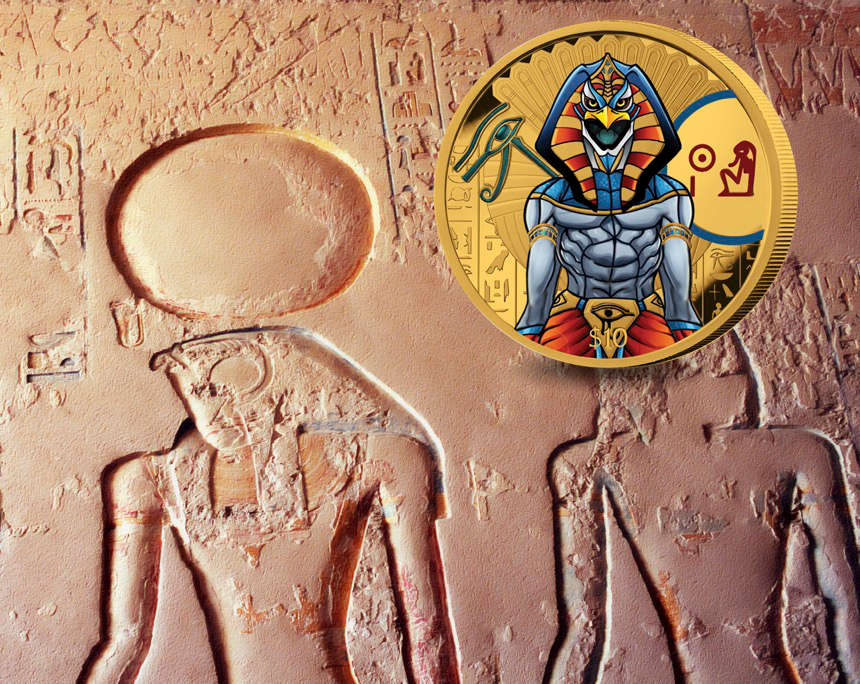
Ra 3,000 years ago and now – a picture of Ra and Amon in the tomb of Ramses IV. Image: Riccardov via Wikimedia Commons / CC BY-SA 2.5.
Hieroglyphs were used by Egyptians for thousands of years but, following the conquest of Egypt by Alexander the Great and the imposition of Hellenistic rule, the script gradually ceased to be used. Roman and Greek authors, who could not read hieroglyphs, believed them to be symbolic and not phonetic – a belief which went unquestioned, and effectively hampered decipherment for centuries.
The breakthrough came with the discovery of the Rosetta Stone. The stone records a decree given by Ptolemy V in 196 BC and is, crucially, written in three languages: hieroglyphs, demotic and ancient Greek. By 1814 Dr Thomas Young had completely translated the “enchorial” text of the Rosetta Stone using a list with 86 demotic words, and then studied the hieroglyphic alphabet.
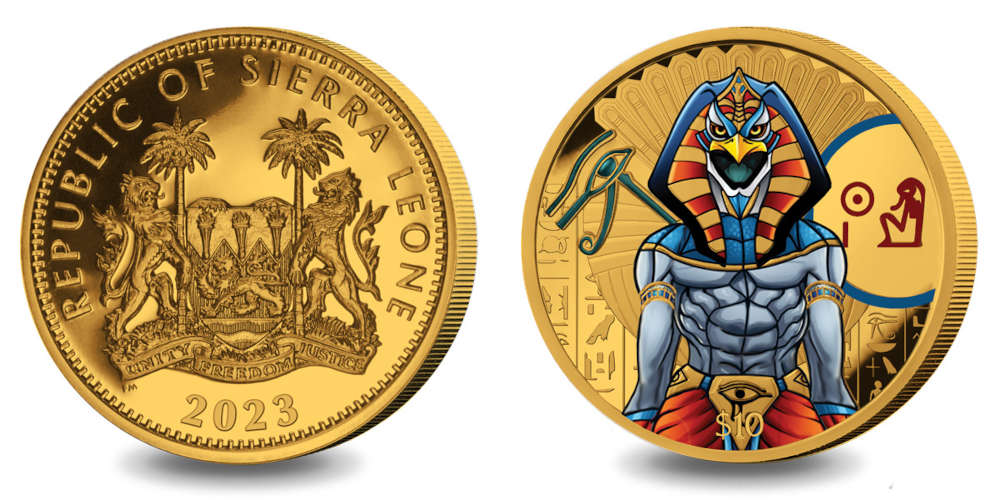
Sierra Leone / 10 Dollars / Silver 0.999 / 28.60 mm / 31.103 g / Mintage: 500 / Goldclad® Coloured.
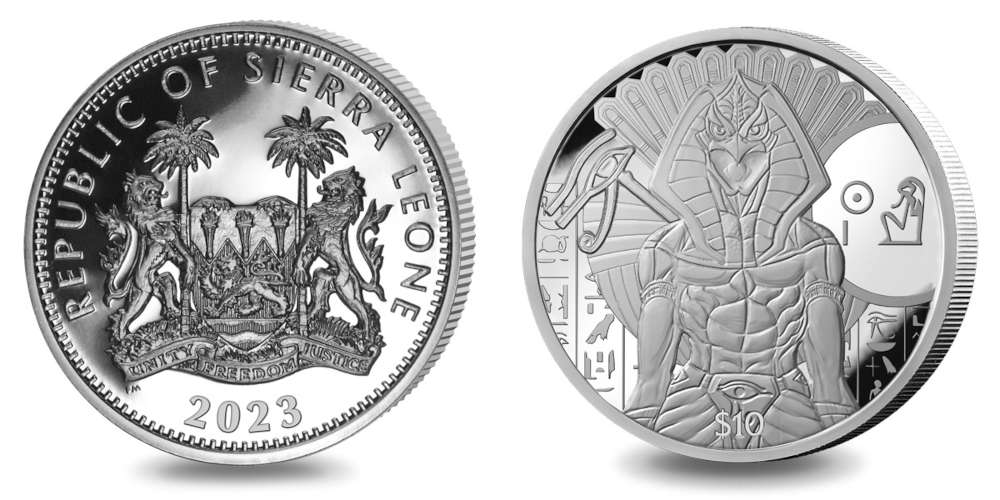
Sierra Leone / 10 Dollars / Silver 0.999 / 28.60 mm / 31.103 g / Mintage: 2,000.
The translation of hieroglyphs allowed for the world to understand many of ancient Egypt’s mysteries and myths, including the ancient Egyptian religion which centered in Egyptians interactions with deities believed to be present in, and in control of the world.
Ra was the primary name of the sun god of Ancient Egypt. He was often considered to be the King of the Gods and thus the patron of the pharaoh and one of the central gods of the Egyptian pantheon. He was also described as the creator of everything.
He was believed to travel across the sky in solar barques and, during the night, to make his passage in another barque vessel through the underworld, where, in order to be born again for the new day, he had to vanquish the evil serpent Apopis. Ra was usually portrayed as a falcon headed manand shared characteristics with the sky-god Horus.
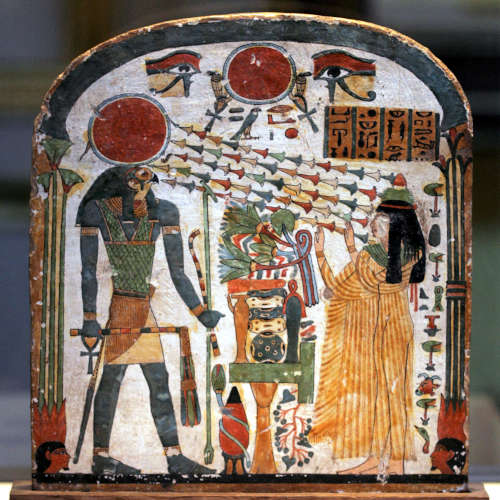
A woman worships Ra-Horakhty, who blesses her with rays of light. Image: Rama via Wikimedia Commons / Public Domain.
The design features an image of the Egyptian God Ra with his name in hieroglyphics appearing in a circle. The design in the background features typical Egyptian decoration with hieroglyphics along with the Eye of Ra. The obverse of this coin features the Coat of Arms of Sierra Leone.
