






John II Casimir.
3 Ducat with dies of an 18 Ort. 1654.
VF +


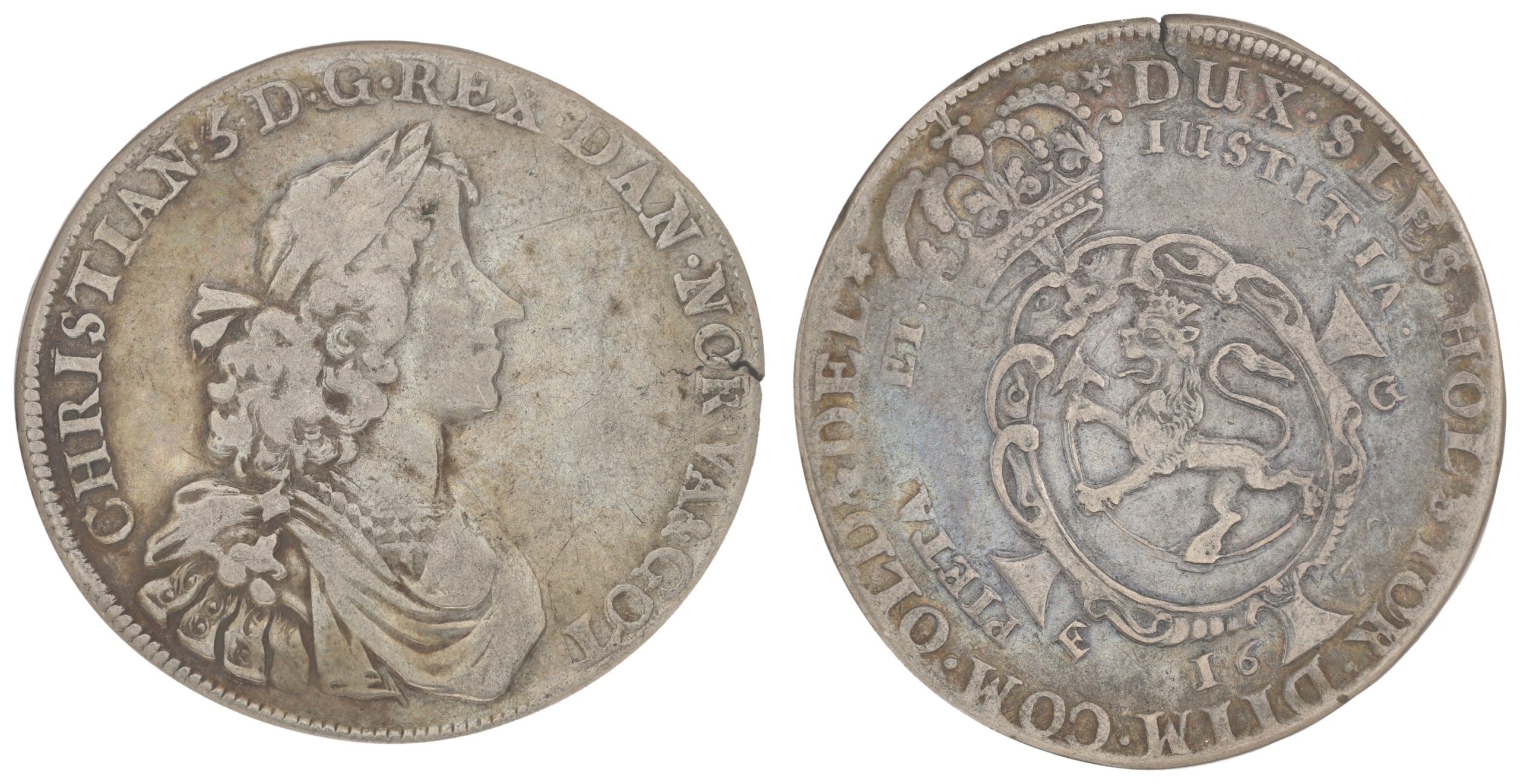
Christian V. Speciedaler.
1672.
NGC graded. VF 30
Nürnberg.
Under Swedish rule. Gustav II Adolph.
Ducat. 1632. XF.

De Drie steden. 1586.
NGC graded. AU 55

Willem I. 1818 U. XF +

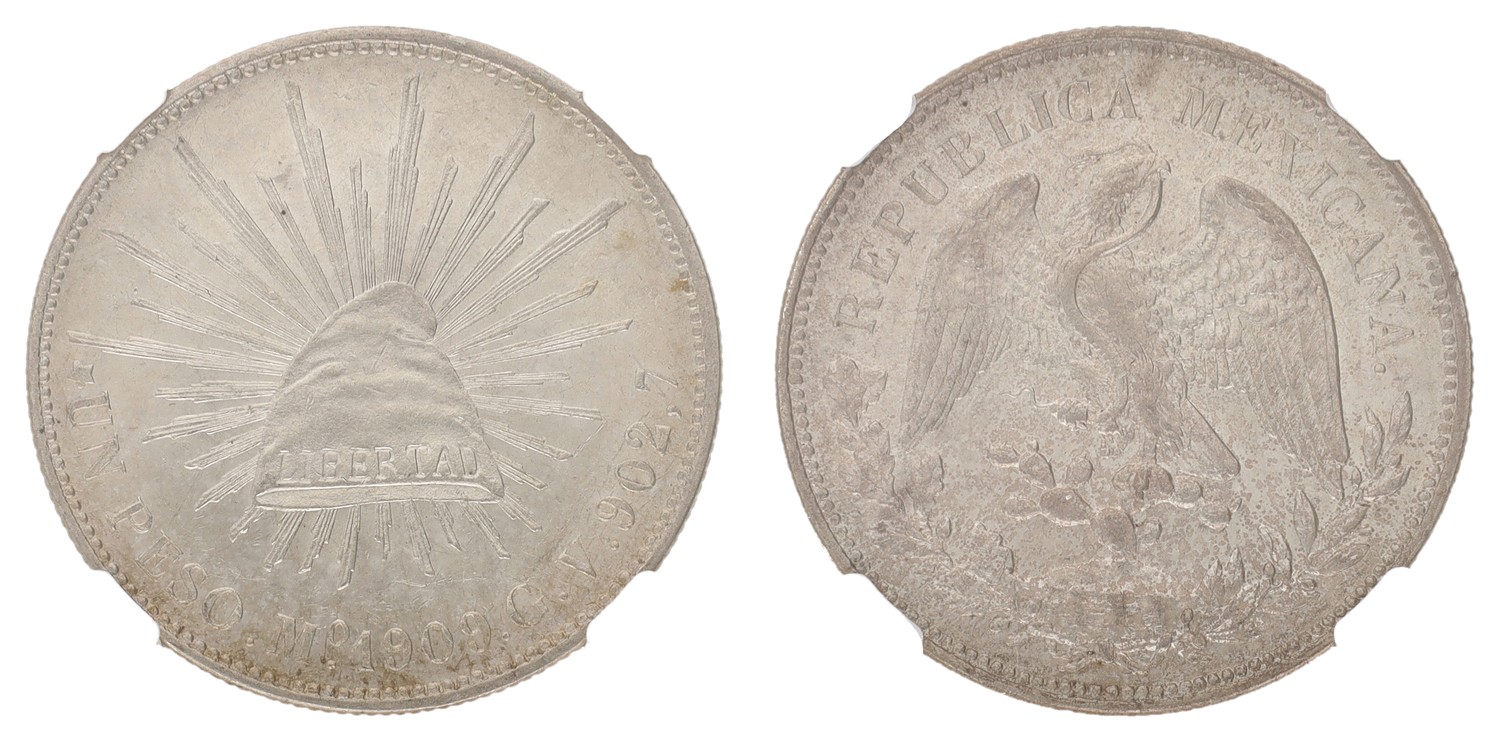
Peso. 1909 Mo GV.
NGC graded. MS 62
Alexander III.
Rouble. 1892.
XF

Saxony. Albertine line.
Reichsthaler - Assumption of the Vicariat upon
death of Emperor Ferdinand III.
1657. VF -

George II.
2 Guineas. 1738.
VF +.

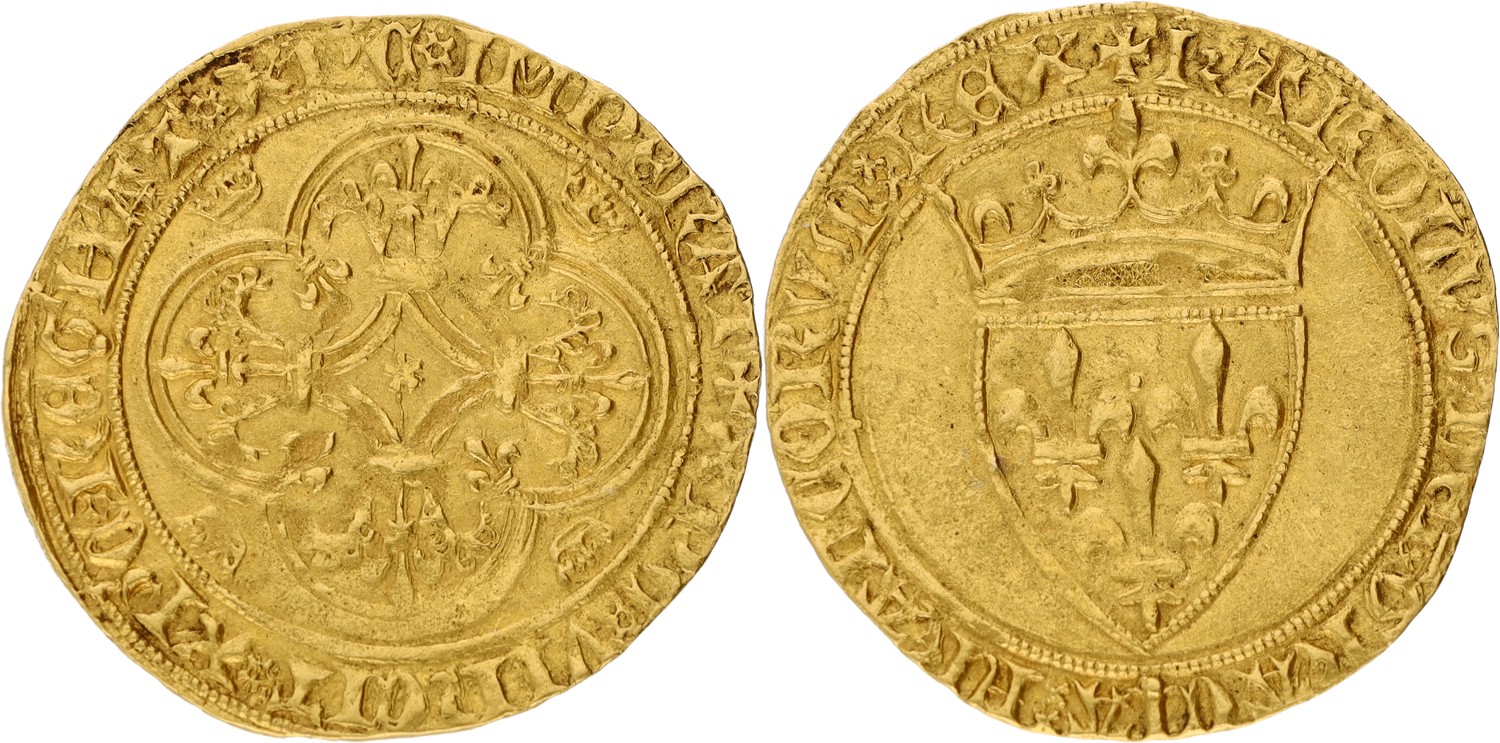
Charles VI.
Ecu d'or.
ND (1411). VF +.
Researchers Analyse the Myth About the Massive Illicit Trade in Antiquities
The illicit trade in antiquities is the world’s third-largest illicit trade – time and again, this statement pops up in headlines. An extensive new study shows how this false claim came about, and how we actually should deal with the problem of the illegal trade in antiquities.

There is no evidence that proves that the illicit trade in antiquities is the third largest in the world. That is the finding of a new study by Donna Yates and Neil Brodie.
Time and again, new studies and counter-studies are being published on the question of the actual volume of the illicit trade in antiquities. Usually, those who do not like the results claim that the study in question has an ideological agenda.
Donna Yates and Neil Brodie, two researchers specialising in cultural property issues and the antiquities trade, now ventured into this field.
Donna Yates is Associate Professor in the department of Criminal Law and Criminology at Maastricht University. She has been studying the international trade in cultural assets, works of art and cultural property crimes for years.
Neil Brodie is archaeologist at Oxford University and, among other things, expert at the Global Initiative against Transnational Organized Crime.
In their study with the title “The illicit trade in antiquities is not the world’s third-largest illicit trade: a critical evaluation of a factoid”, Yates and Brodie examined articles and contributions of daily newspapers, specialist publications as well as other documents from the past fifty years. Their result: the often quoted numbers and so-called facts are not based on hard and fast studies but come from early publications that quote even older texts without critically analysing their veracity. In this context, the authors speak of so-called “zombie statistics” and emphasise: this claim is not true. Repeating such factoids and using them for political arguments undermines serious efforts to stop looting and trafficking, they find.
The study was published by Oxford University Press in June 2023 as an open-access publication, so it is freely available to everyone.
