






Tokyo Sets New Record for Lost Cash Handed In
The honest citizens of cash-loving Japan’s capital have set a new record in lost cash handed in to police, with almost ¥4 billion ($30 million or €28 million) reported in 2022. The National Police Agency suggests the amount indicates a return to normality after almost two years of economic disruption.
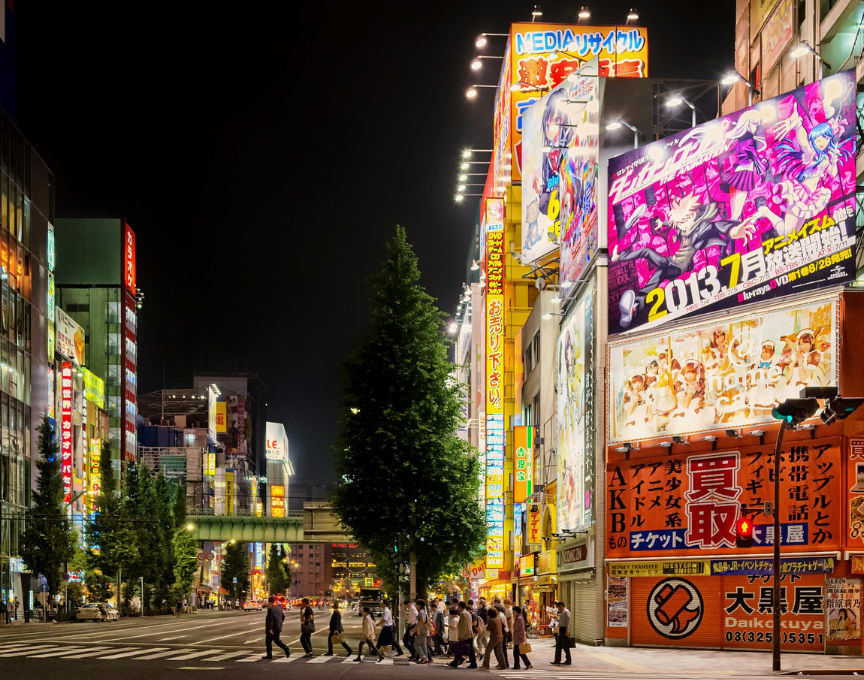
In 2022, Tokyo citizens handed in to police record ¥4 billon of lost cash. Image by David Mark from Pixabay.
The total is up ¥600 million from 2021, with almost ¥3 billion successfully returned to its owners. Under Japanese law, all lost cash must be handed in at a police station, with those submitting it able to claim a reward of five to twenty percent should it be retrieved by its owner. Any cash that goes unclaimed after three months, the finder can take the whole amount. Anything remaining after a further two months goes to the local government. In 2022, finders received ¥480 million in cash.
An official from the Tokyo Metropolitan Police Department believes the rise in lost cash may be the result of people’s behavior and shopping habits returning to normal and the resumption of international tourism following the pandemic.
“It could be a result of the surge in people out and about after coronavirus border control measures were drastically eased, and the resumption of socio-economic activities.” Tokyo Metropolitan Police Department Official, speaking to Mainichi Shimbun.
Police are urging people to keep an eye on their belongings while they enjoy cherry blossom viewing this spring. As the nation’s large number of sakura trees bloom, people gather with family, friends and colleagues to enjoy the view with special, cherry blossom-themed snacks and – often – plenty of alcoholic beverages. Companies take hanami (flower viewing) especially seriously, with junior colleagues routinely sent out hours in advance of a party to secure the most coveted spots under particularly beautiful trees in popular locations.
The importance of keeping track of one’s cash is underscored by a recent example of not-so-honest citizens in Hokkaido. ¥10 million of banknotes was found in the prefectural capital Sapporo by rubbish collection workers in January, and no fewer than 13 people have since attempted to claim it, with one saying it “went missing” from a bag while they were making deliveries and other saying their parents had ‘thrown it away by mistake”.
