







Menschen und Märkte
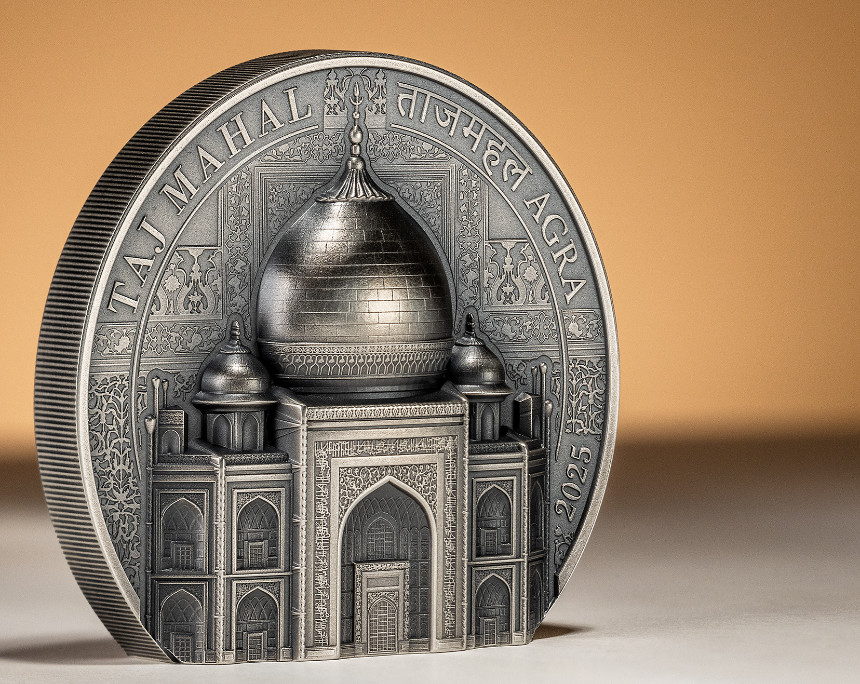
CIT’s Historical Monuments – Taj Mahal
The Taj Mahal is considered the most beautiful testimony to Islamic architecture in India and a symbol of love in stone. CIT chose this wonderful building as the subject of the 2025 issue in the Historical Monuments series.
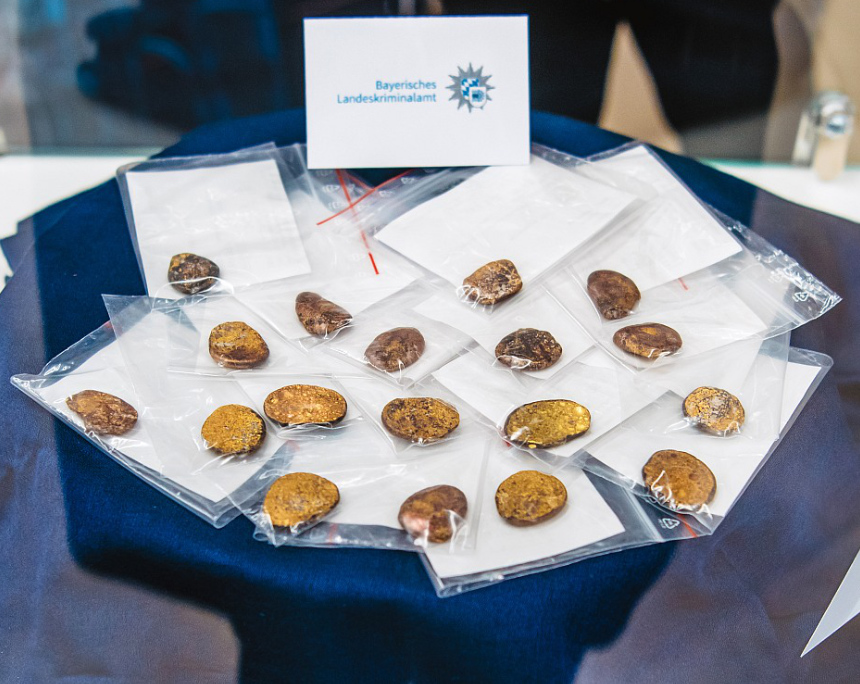
Perpetrators on Trial: An Update on the Manching Case
The news of the destruction of the Celtic coin hoard from Manching shook the numismatic world. The alleged perpetrators are now on trial. What is the current situation and is there still hope of recovering some of the coins intact?

A Well-Known Scam Strikes Again: Gold Coins Worth 280,000 Euros Gone
Using a well-known scam, a fraudster tricked a German senior citizen into handing over gold coins worth 280,000 euros. Find out how the scam works and how you can protect yourself and others.

Looking Forward to 2027: the Website of the International Numismatic Congress Is Online
We still have to be patient a little longer until the XVII International Numismatic Congress takes place in Frankfurt in 2027. The website is now online and provides early information about the event.
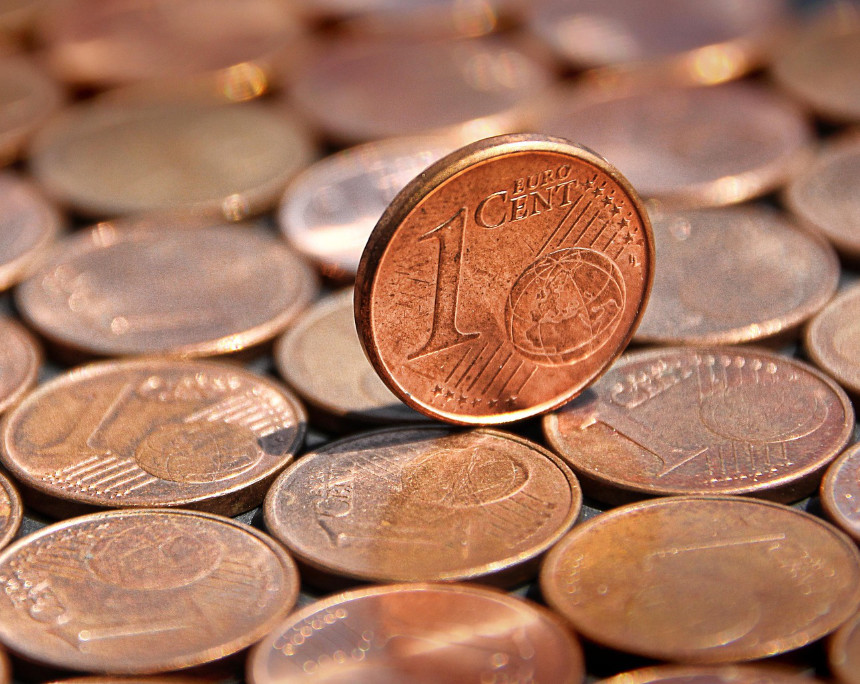
Will Germany Abolish the 1 and 2 Cent Coins?
We Germans still like to pay with cash, but like in many other countries, the 1 and 2 cent coins are unpopular. The important National Cash Forum has now spoken out in favor of their de facto abolition. Read here how cash transactions would change in practice.
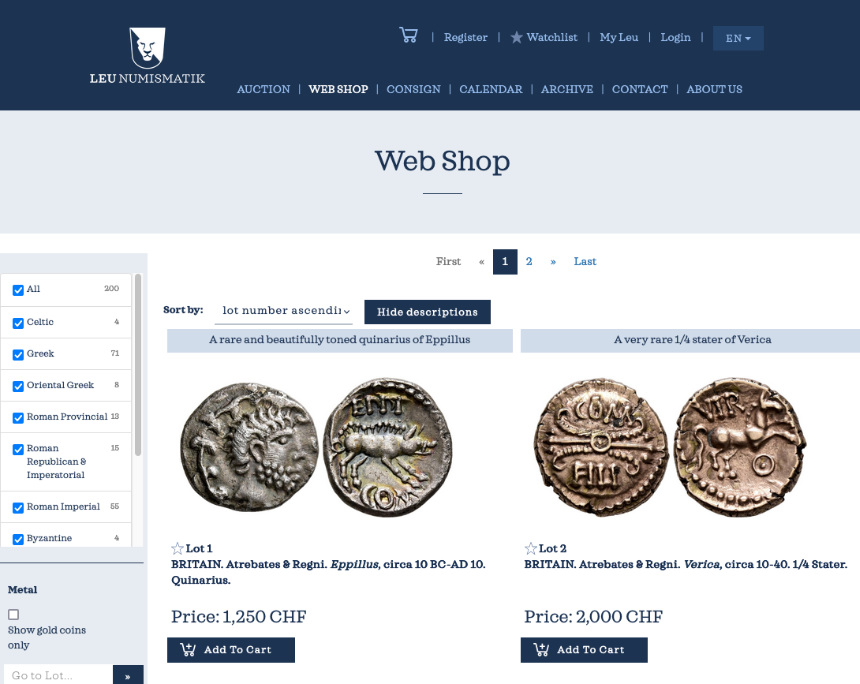
Leu Numismatik Launches Its Own Web Shop
The new Leu Numismatik Web Shop allows you to purchase selected pieces directly at any time. The inaugural selection features 200 exceptional coins spanning antiquity, the Middle Ages, and modern times.

CIT’s Historical Monuments – Taj Mahal
The Taj Mahal is considered the most beautiful testimony to Islamic architecture in India and a symbol of love in stone. CIT chose this wonderful building as the subject of the 2025 issue in the Historical Monuments series.
Perpetrators on Trial: An Update on the Manching Case
The news of the destruction of the Celtic coin hoard from Manching shook the numismatic world. The alleged perpetrators are now on trial. What is the current situation and is there still hope of recovering some of the coins intact?
A Well-Known Scam Strikes Again: Gold Coins Worth 280,000 Euros Gone
Using a well-known scam, a fraudster tricked a German senior citizen into handing over gold coins worth 280,000 euros. Find out how the scam works and how you can protect yourself and others.
Looking Forward to 2027: the Website of the International Numismatic Congress Is Online
We still have to be patient a little longer until the XVII International Numismatic Congress takes place in Frankfurt in 2027. The website is now online and provides early information about the event.
Will Germany Abolish the 1 and 2 Cent Coins?
We Germans still like to pay with cash, but like in many other countries, the 1 and 2 cent coins are unpopular. The important National Cash Forum has now spoken out in favor of their de facto abolition. Read here how cash transactions would change in practice.
Leu Numismatik Launches Its Own Web Shop
The new Leu Numismatik Web Shop allows you to purchase selected pieces directly at any time. The inaugural selection features 200 exceptional coins spanning antiquity, the Middle Ages, and modern times.