






Menschen und Märkte

Congress in Frankfurt: International Experts Discuss Gold and Silver Trends
From 23 to 25 March 2025, Frankfurt will host the inaugural ZukunftsForum Edelmetalle. This new congress brings together renowned precious metals experts to discuss current market trends, as well as economic and geopolitical developments in the gold, silver, and platinum sectors.
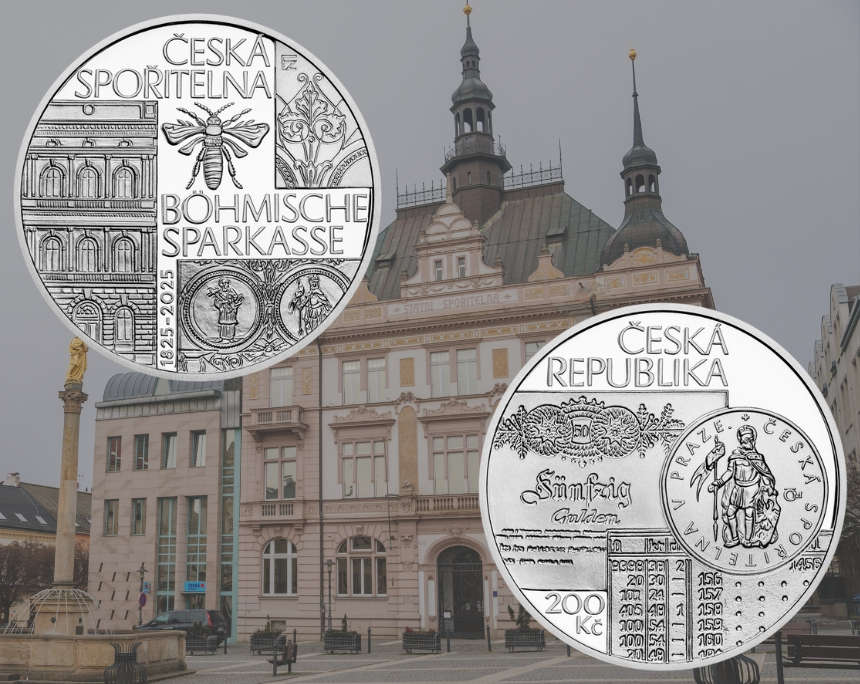
200 Years of the Bohemian Savings Bank: A Piece of Monetary History in Coin Form
In 2025, the Czech National Bank will issue a silver commemorative coin with a nominal value of 200 koruna. The coin marks the founding of the Bohemian Savings Bank.
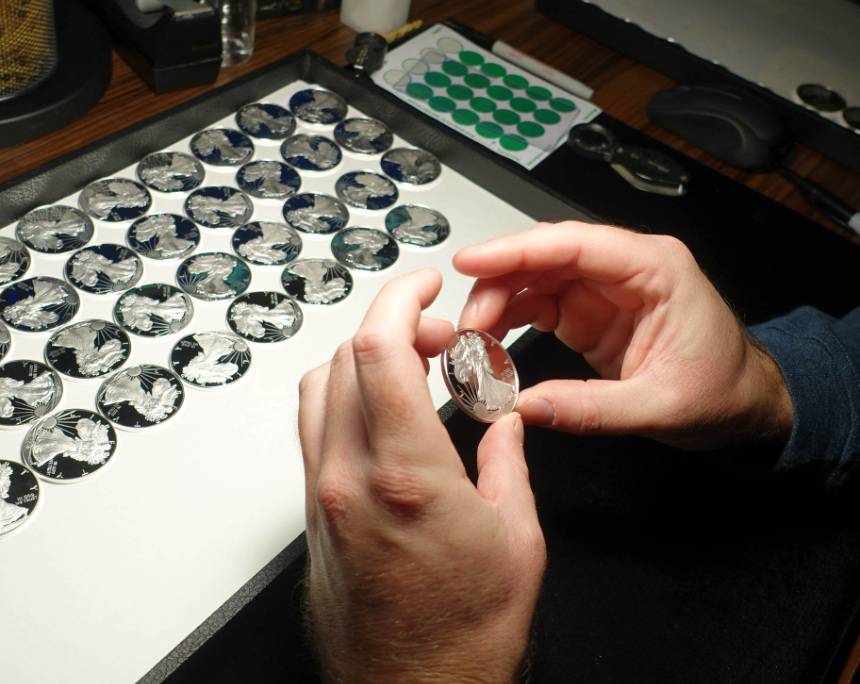
From a Collector’s Market to an Investor’s Market: Reasons, Consequences, Opportunities, Part 2
Today we continue Ursula Kampmann’s analysis of the change from collector to investor market with the second part. Find out how the market for American coins became a perfect investor’s market.
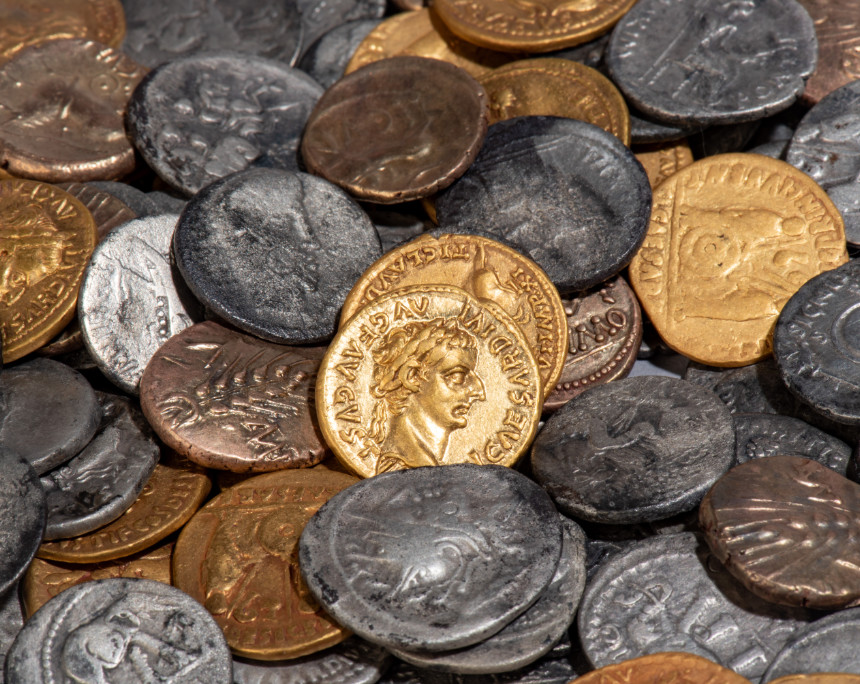
Spectacular Coin Hoard Discovered in the Province of Utrecht
A hoard of 404 coins has been unearthed in the province of Utrecht. It is probably the first find on the European mainland to include both Roman and British Celtic coins. The coin find underlines the importance of the Lower Germanic Limes for the Roman invasions of Britain.
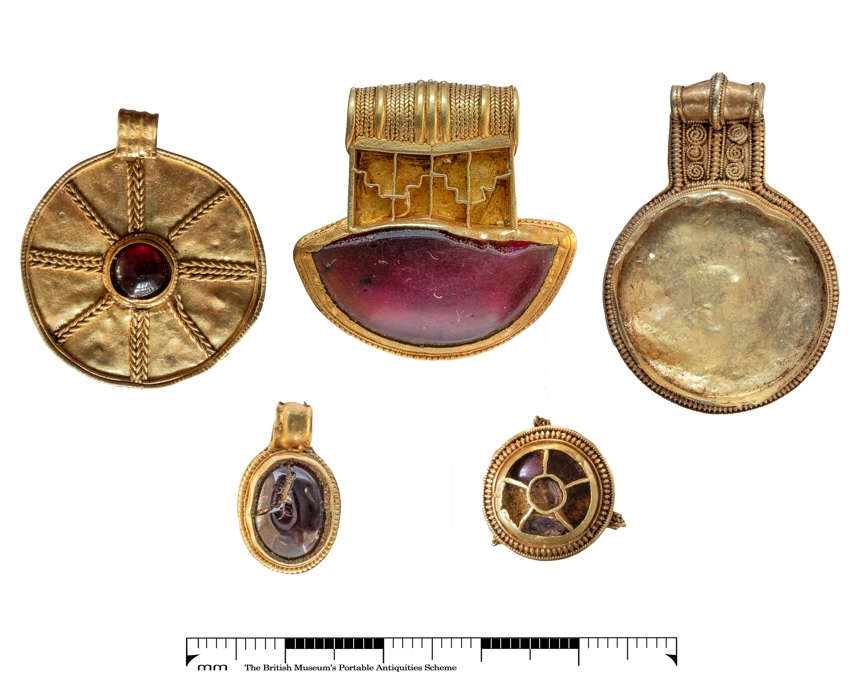
2023 Was a Record Year for Archaeological Finds in the UK
The British Museum has launched the latest Portable Antiquities Scheme (PAS) Annual Report, showing a record high of 74,506 finds recorded by the public in 2023. See some of the highlights here.

How the Romans Made Counterfeits
Counterfeits have been around in ancient Roman times, too – usually, they were cast from a copper-tin alloy. Researchers at the University of Tübingen examined the counterfeiting process and reconstructed it experimentally. A video documents their experiment.

Congress in Frankfurt: International Experts Discuss Gold and Silver Trends
From 23 to 25 March 2025, Frankfurt will host the inaugural ZukunftsForum Edelmetalle. This new congress brings together renowned precious metals experts to discuss current market trends, as well as economic and geopolitical developments in the gold, silver, and platinum sectors.
200 Years of the Bohemian Savings Bank: A Piece of Monetary History in Coin Form
In 2025, the Czech National Bank will issue a silver commemorative coin with a nominal value of 200 koruna. The coin marks the founding of the Bohemian Savings Bank.
From a Collector’s Market to an Investor’s Market: Reasons, Consequences, Opportunities, Part 2
Today we continue Ursula Kampmann’s analysis of the change from collector to investor market with the second part. Find out how the market for American coins became a perfect investor’s market.
Spectacular Coin Hoard Discovered in the Province of Utrecht
A hoard of 404 coins has been unearthed in the province of Utrecht. It is probably the first find on the European mainland to include both Roman and British Celtic coins. The coin find underlines the importance of the Lower Germanic Limes for the Roman invasions of Britain.
2023 Was a Record Year for Archaeological Finds in the UK
The British Museum has launched the latest Portable Antiquities Scheme (PAS) Annual Report, showing a record high of 74,506 finds recorded by the public in 2023. See some of the highlights here.
How the Romans Made Counterfeits
Counterfeits have been around in ancient Roman times, too – usually, they were cast from a copper-tin alloy. Researchers at the University of Tübingen examined the counterfeiting process and reconstructed it experimentally. A video documents their experiment.