






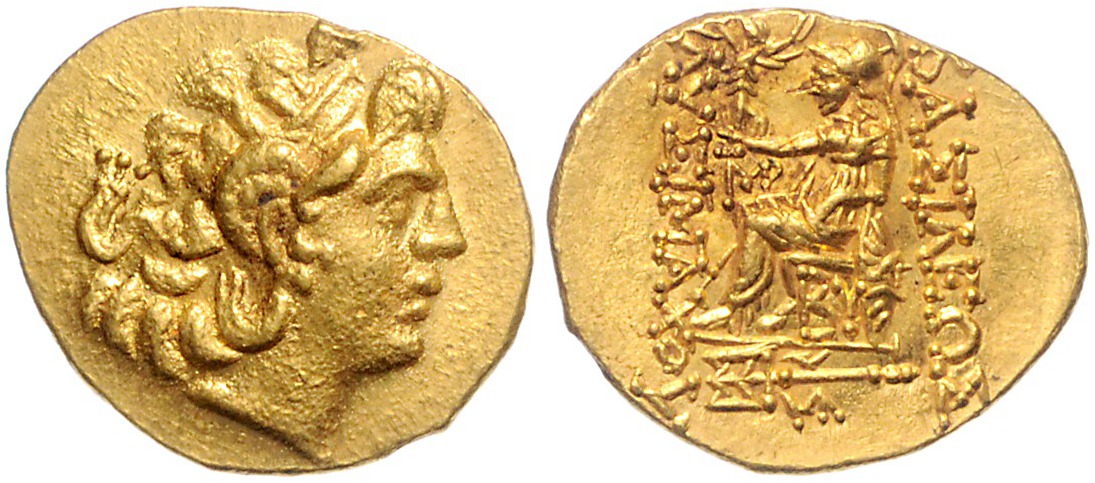
Stadt Byzantion.
Stater (250 – 1. Jahrhundert v. Chr.).
Erhaltung: vz+

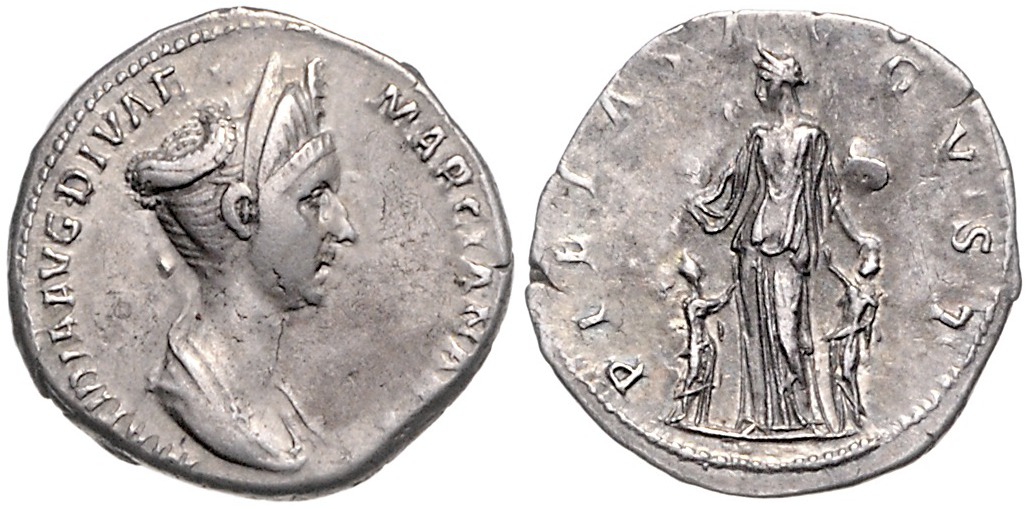
Matidia.
Denar (112 n. Chr.), Rom.
Erhaltung: sehr selten, ss/ss+
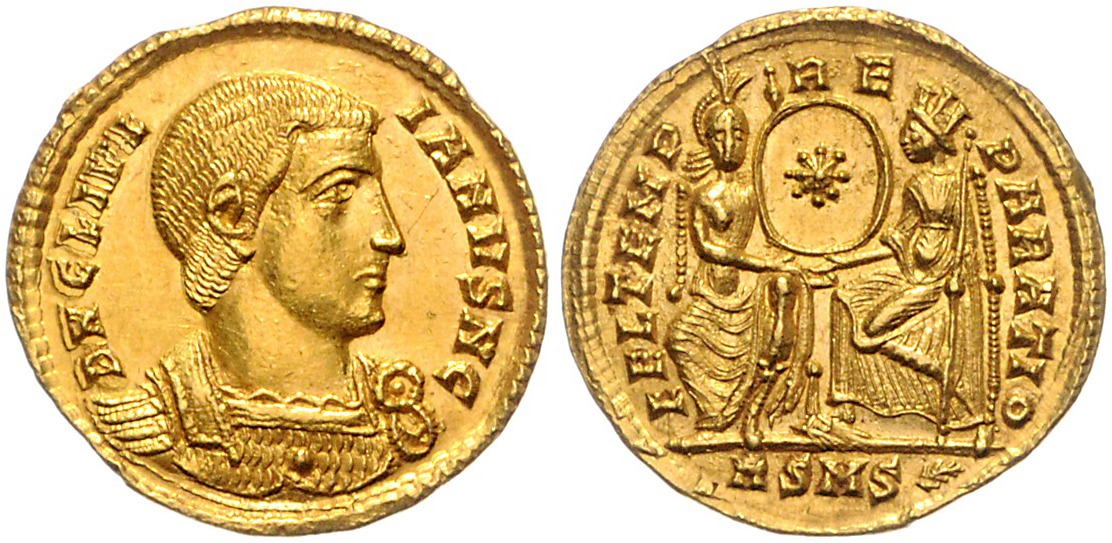
Julian II.
Apostata als Caesar.
Solidus (355-357 n. Chr.), Rom.
Erhaltung: Prägefrisch
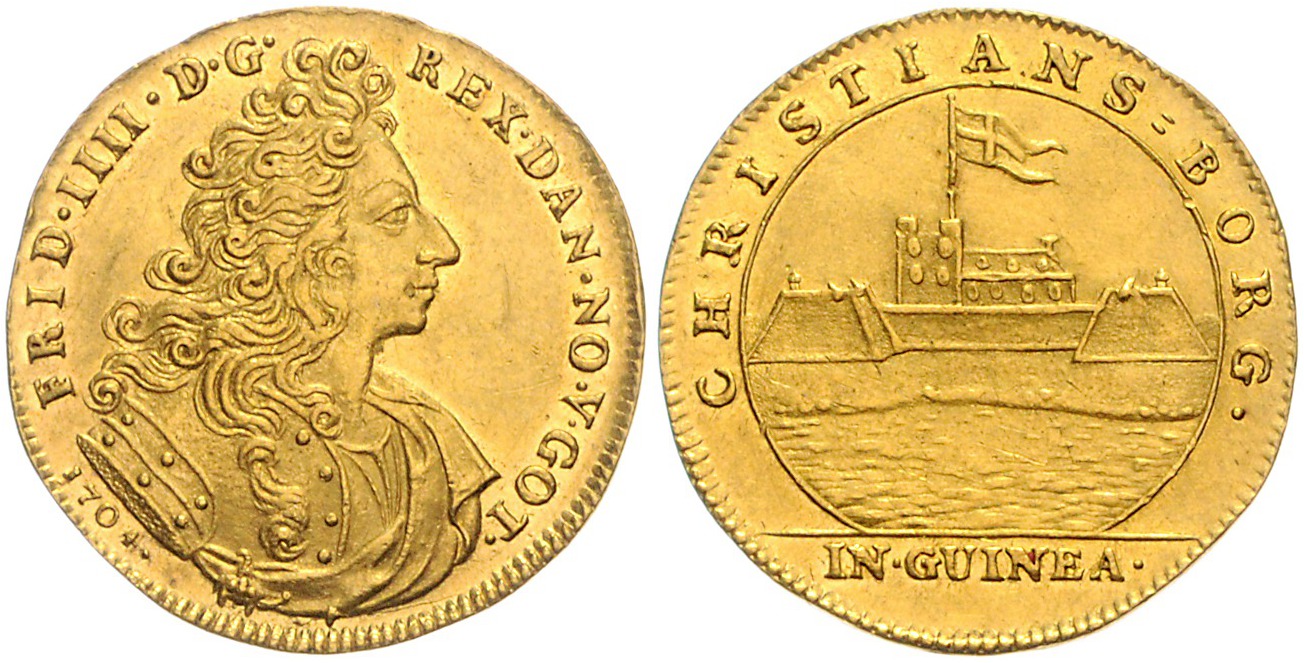
Frederik IV.
Doppeldukat 1704, Kopenhagen.
Mit Echtheitszertifikat.
Erhaltung: f.vz
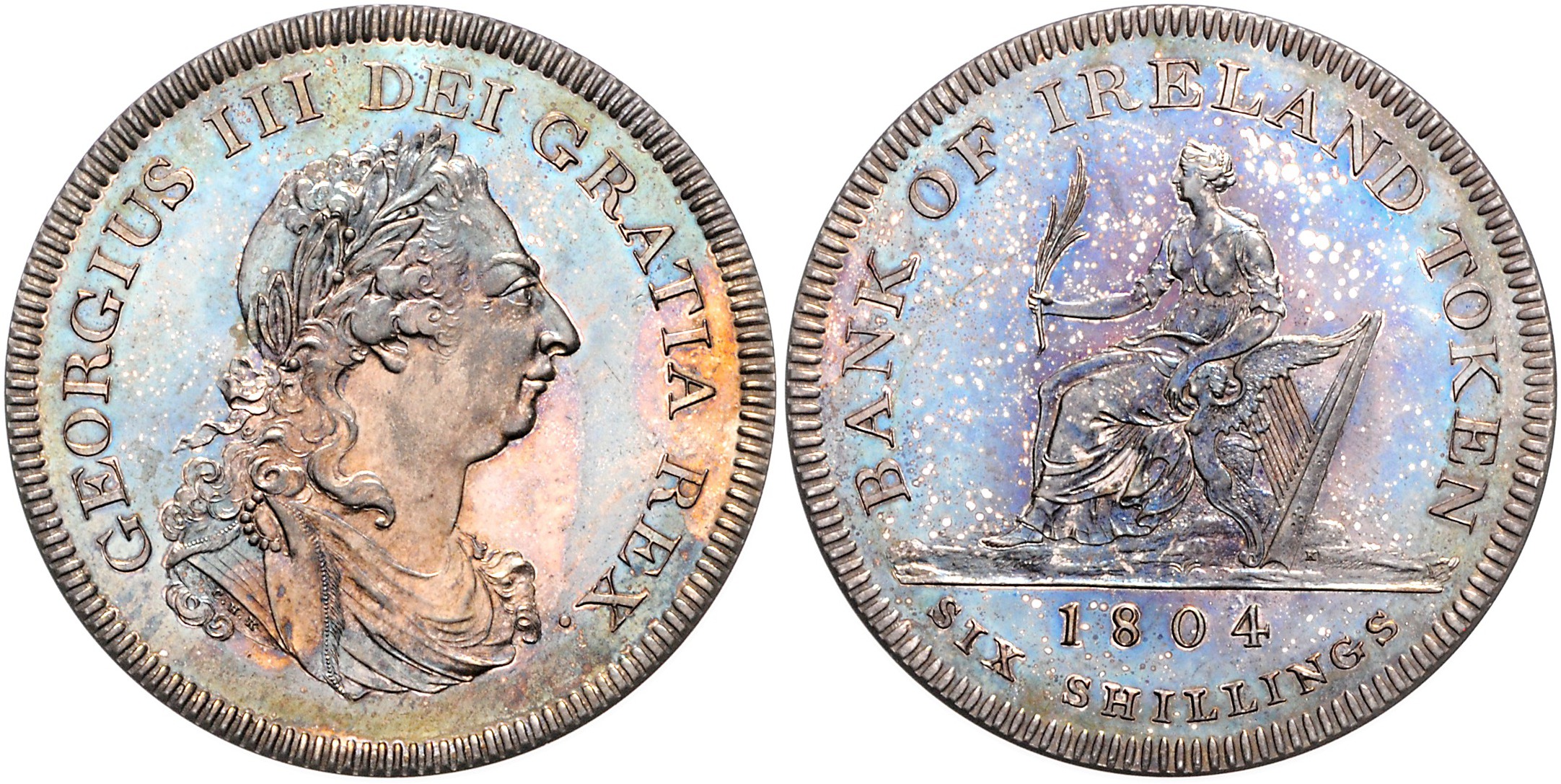
Georg III.
6 Shilling-Token 1804.
Erhaltung: PP
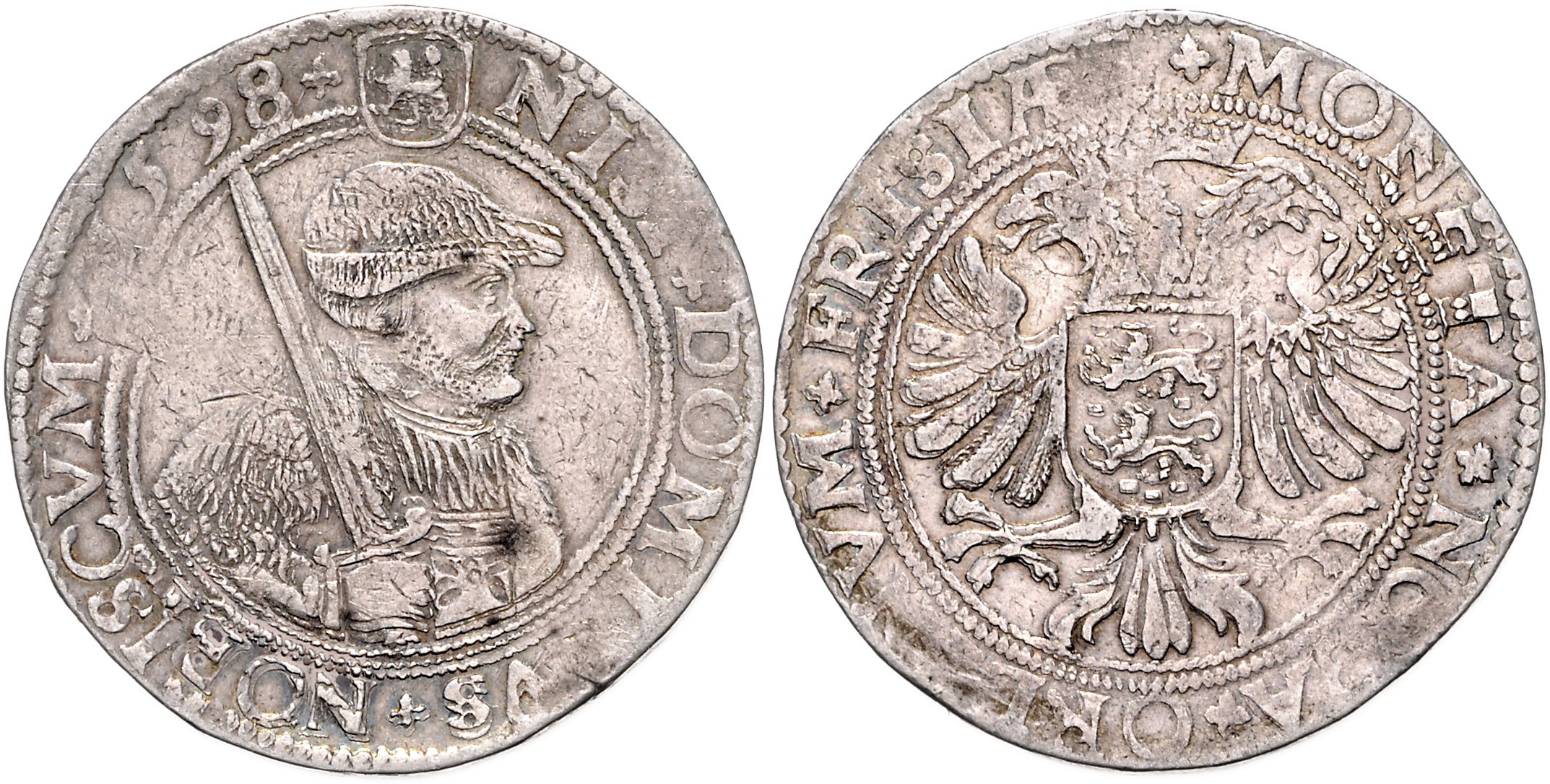
Friesland.
Adlertaler 1598.
Erhaltung: sehr selten, ss
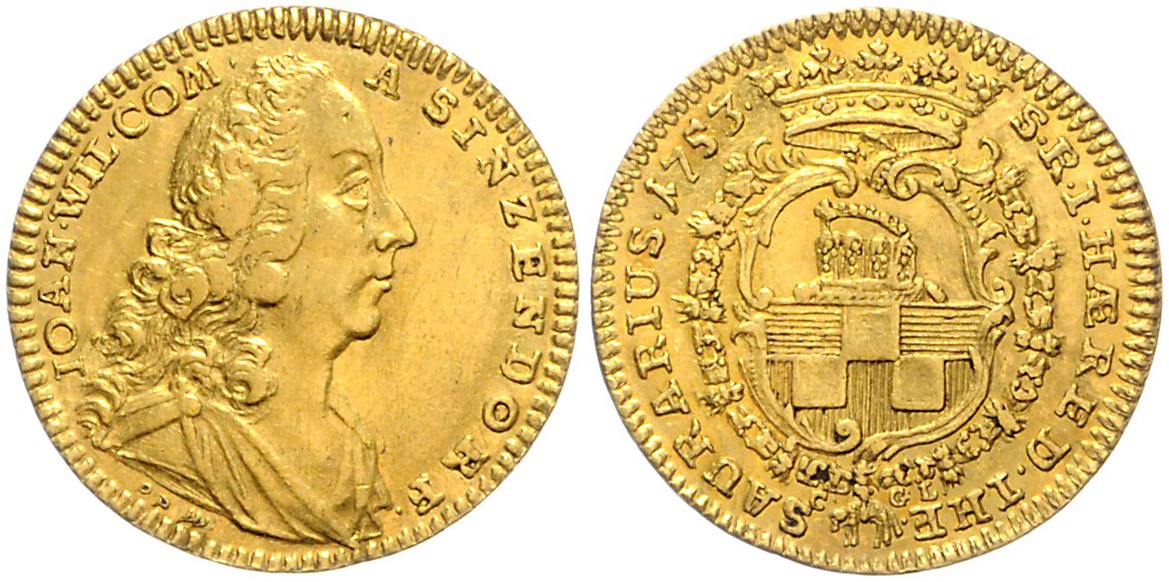
Johann Wilhelm.
Dukat 1753, Nürnberg.
Erhaltung: selten, f.vz
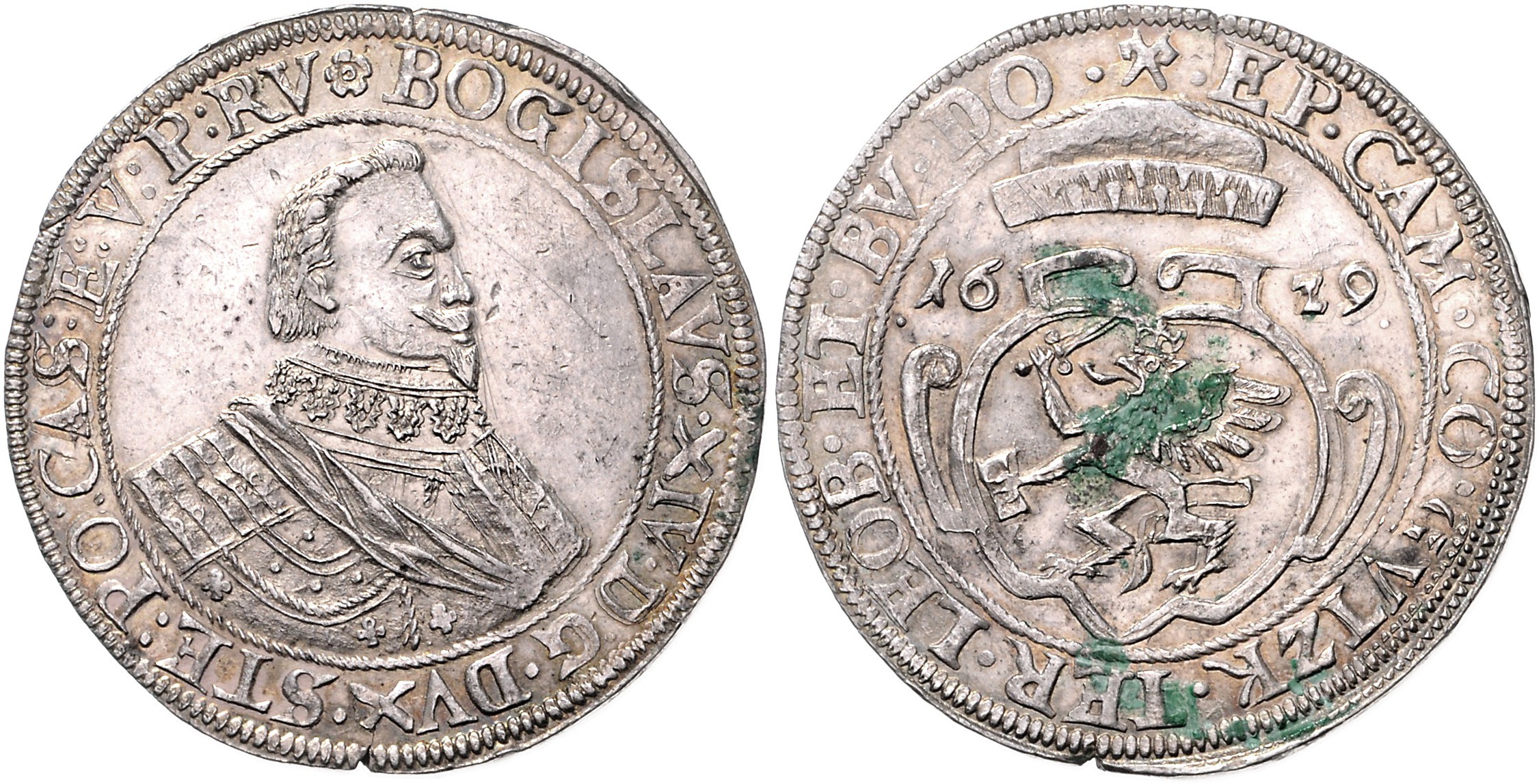
Bogislaus XIV.
Taler 1629.
Erhaltung: sehr selten, ss+
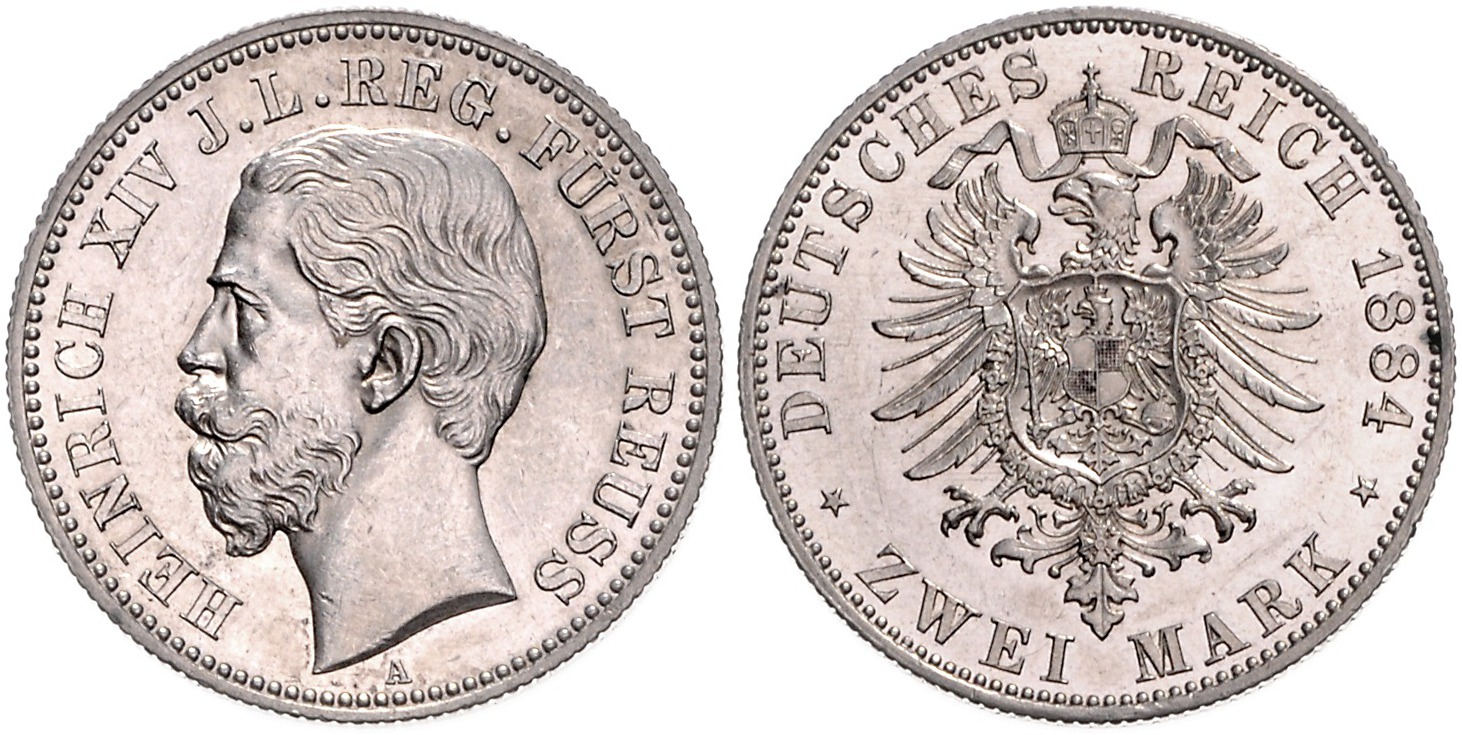
jüngere Linie, Heinrich XIV.
2 Mark 1884 A.
Erhaltung: f.st
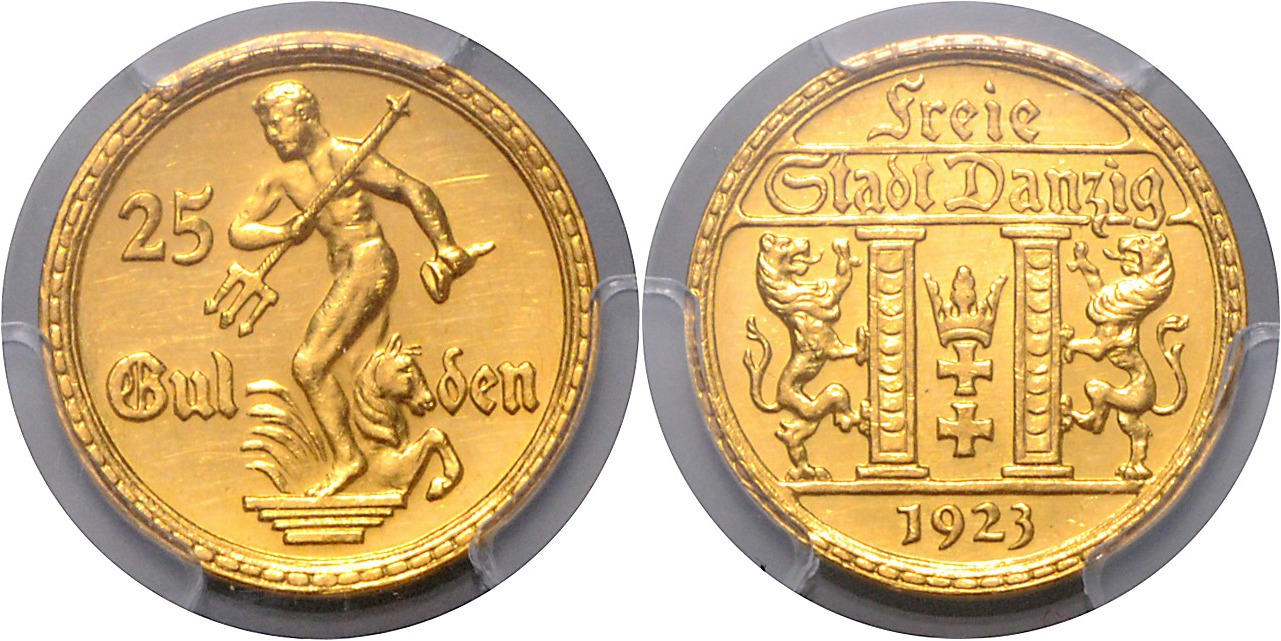
25 Gulden 1923.
Erhaltung: PCGS PR62
Münzen, Medaillen und mehr
 https://new.coinsweekly.com/wp-content/uploads/2026/03/01_11740011.38005217.e728d069401e0c0e0b999ec2b344773d-1.jpg
543
1080
Marc Culas
https://new.coinsweekly.com/wp-content/uploads/2023/01/logo-coinsweekly_590x204.png
Marc Culas2026-03-23 12:27:092026-03-23 12:27:52
https://new.coinsweekly.com/wp-content/uploads/2026/03/01_11740011.38005217.e728d069401e0c0e0b999ec2b344773d-1.jpg
543
1080
Marc Culas
https://new.coinsweekly.com/wp-content/uploads/2023/01/logo-coinsweekly_590x204.png
Marc Culas2026-03-23 12:27:092026-03-23 12:27:52 https://new.coinsweekly.com/wp-content/uploads/2026/03/00_DSC03031.jpg
684
860
Marc Culas
https://new.coinsweekly.com/wp-content/uploads/2023/01/logo-coinsweekly_590x204.png
Marc Culas2026-03-03 15:59:552026-03-03 15:59:55
https://new.coinsweekly.com/wp-content/uploads/2026/03/00_DSC03031.jpg
684
860
Marc Culas
https://new.coinsweekly.com/wp-content/uploads/2023/01/logo-coinsweekly_590x204.png
Marc Culas2026-03-03 15:59:552026-03-03 15:59:55
International Conference on Islamic Numismatics
From 18 to 20 May 2023, the ICIN – the International Conference on Islamic Numismatics – took place in Riyadh, Saudi-Arabia. A complete success! Never before have so many specialists on Islamic numismatics gathered in one place. Ursula Kampmann was there.
Is the EU Sleepwalking Into an Art Market Nightmare?
Enforcement of import licensing for cultural goods is just two years away, but many serious questions remain over what will happen. A detailed insight into a complicated matter.
Aleksander Bursche Receives GIG Honorary Prize 2023
Aleksander Bursche will receive the 2023 Honorary Prize of the Gesellschaft für Internationale Geldgeschichte (GIG, Association for International History of Money). Not only his numismatic research work was decisive for this.
Raymond Weiller (1938-2022)
Only now it became known that Raymond Weiller, the former head of the coin cabinet of the Luxembourg National Museum, passed away in April 2022. Jean Krier remembers the distinguished Luxembourg numismatist.
Panticapaeum Stater Most Expensive Ancient Coin
A gold stater from the city of Panticapaeum is currently the most expensive ancient coin ever sold at auction. In May 2023, it was sold by Numismatica Ars Classica in Switzerland for the record sum of 5,390,000 CHF or ca. $6 million.
Rich and Poor in Early Tudor England
The Met Cloisters takes you into a merchant’s house in 16th-century England. Why did a rich man exhibit images of the poor? Intriguing objects tell us about tastes and self-expression. And you can expect coins to be there too!