







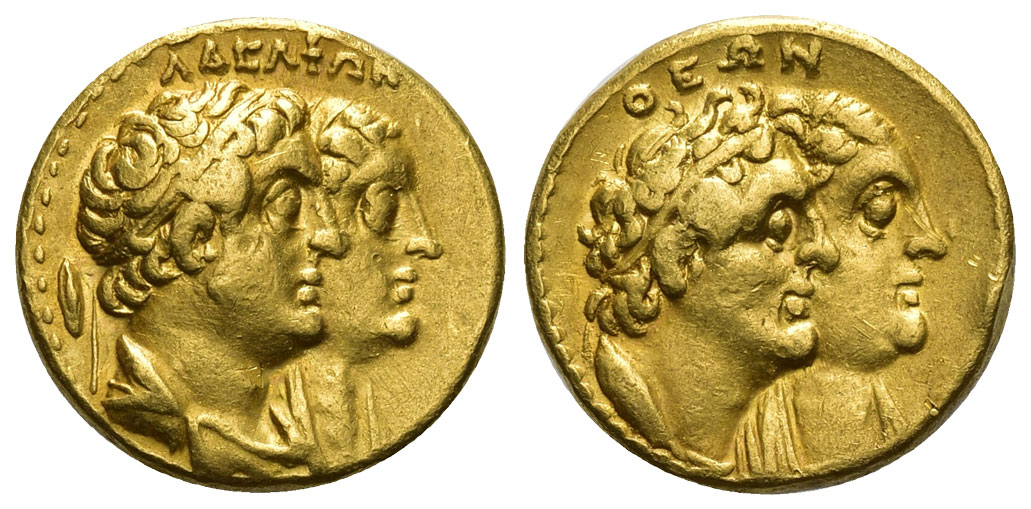
AV Tetradrachm (282–272 BC),
King Ptolemy II and Queen Arsinoe II.
From the major collection of Alexandria mint.
Condition: vf+
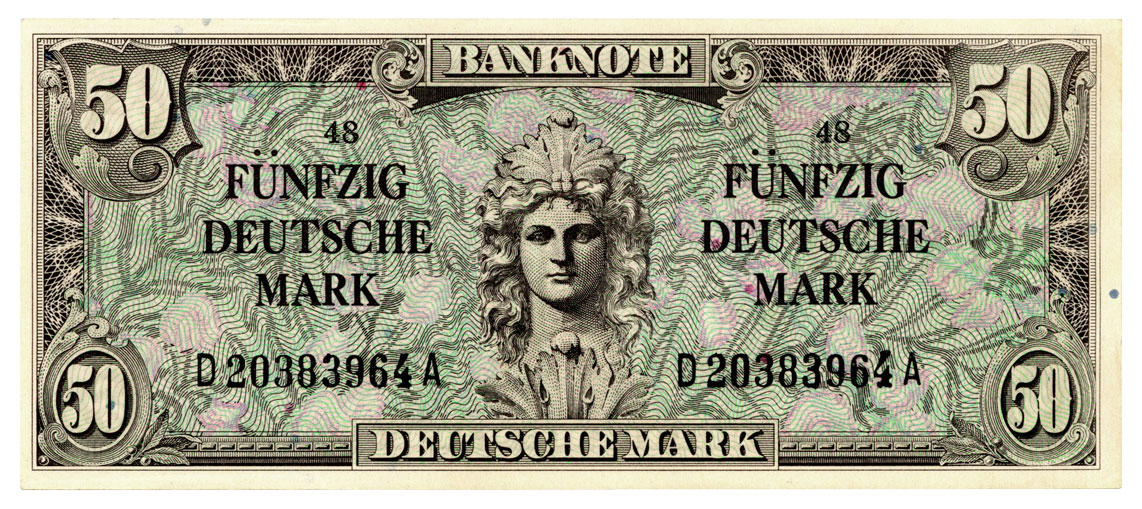
50 Deutsche Mark o.D. ( 1948-1949) "Liberty".
Condition: extremly rare, I
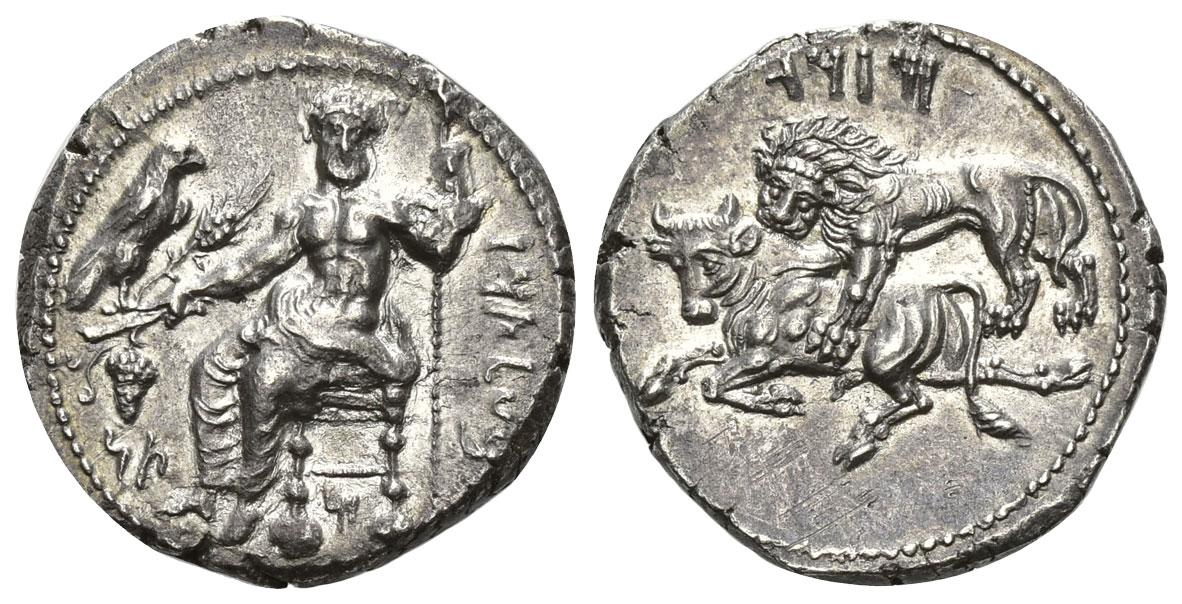
AR Stater (361-334 BC).
Obv. Baal of Tarsos.
Conditon: ef
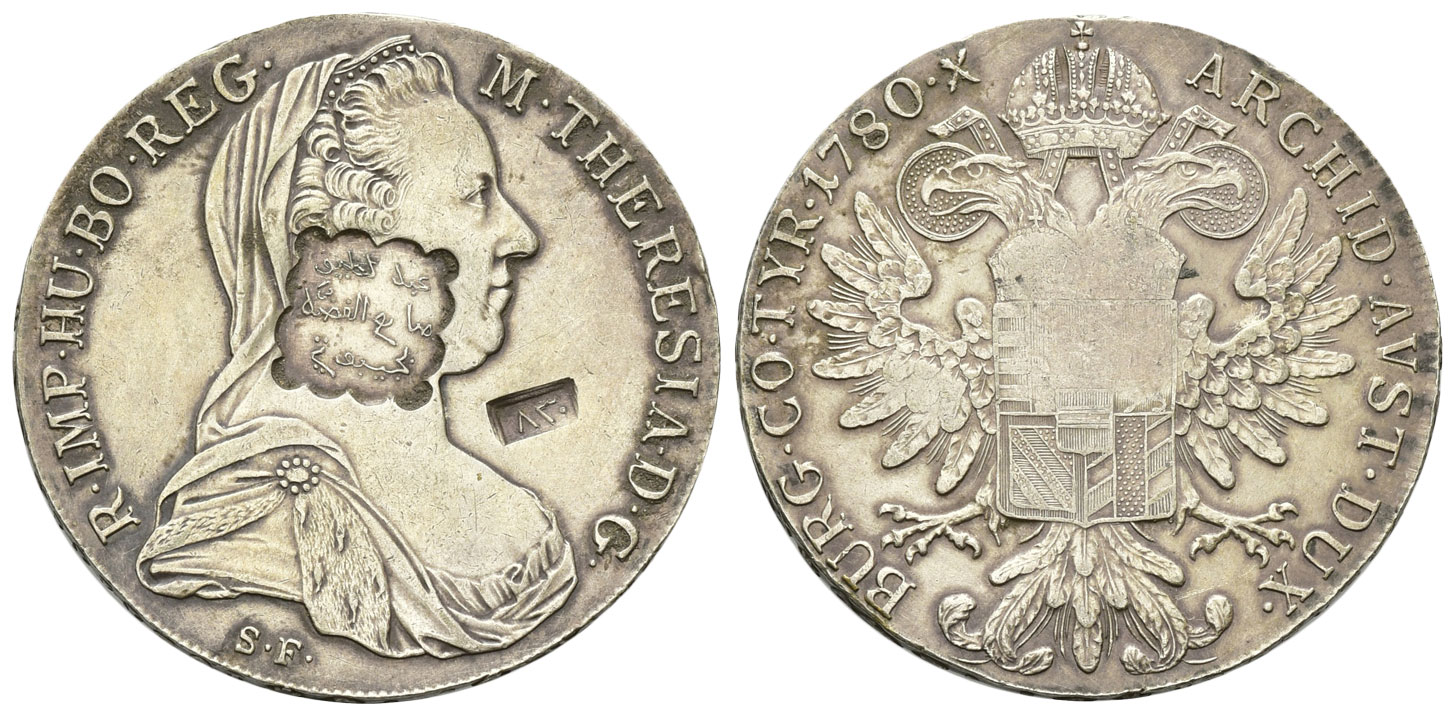
Taler 1780 SF
with counter stamp Djibouti (1870-1900).
Condition: vf
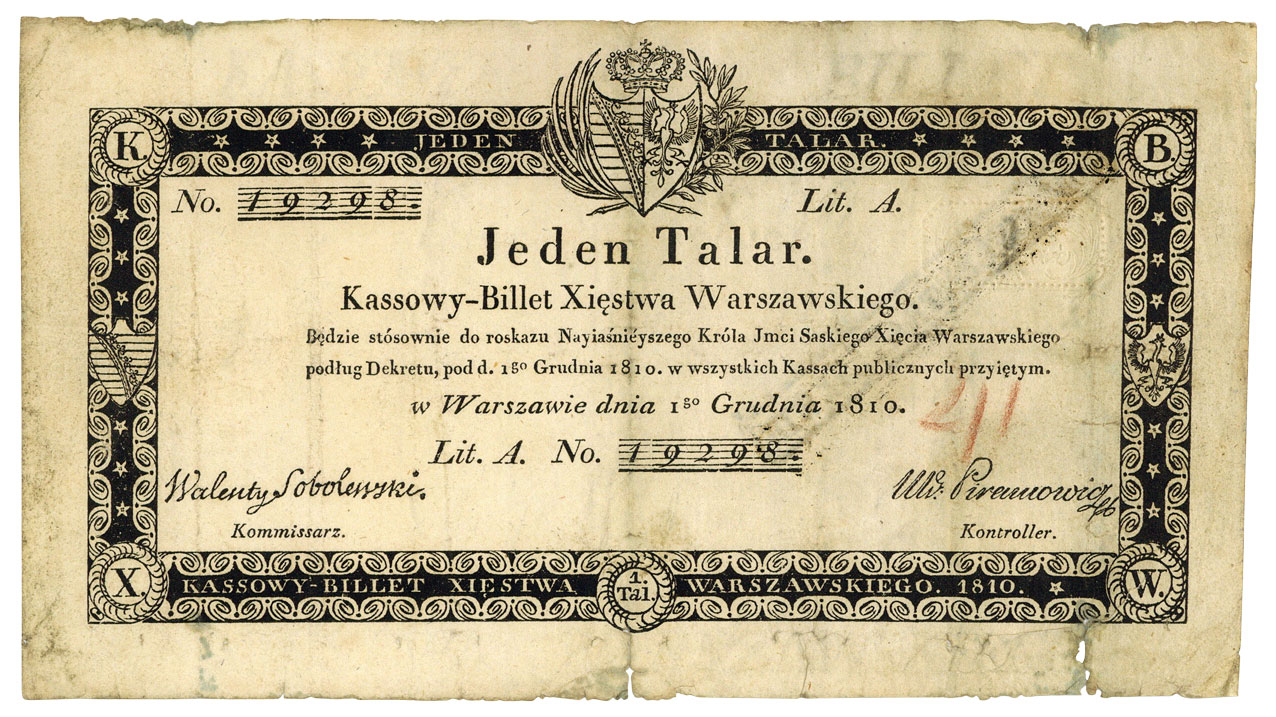
1 Talar 1. December 1810.
Condition: III-IV
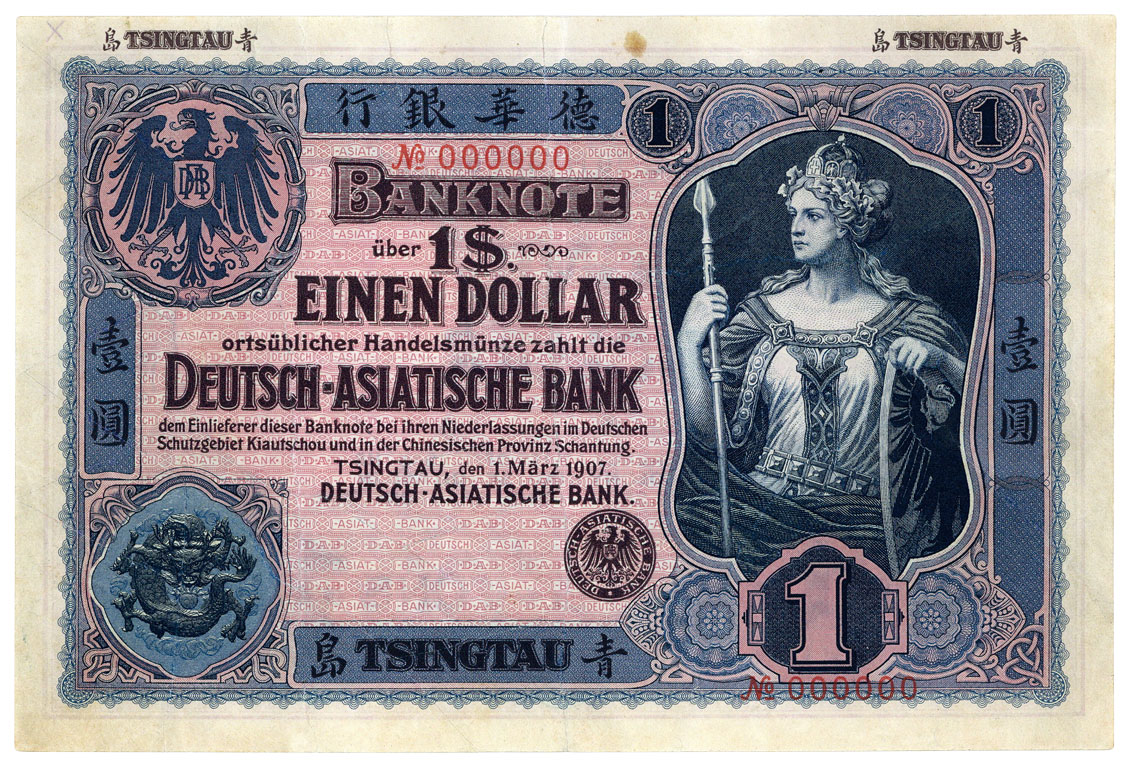
1 Dollar 1.3.1907, Tsingtao.
Condition: very rare, restored
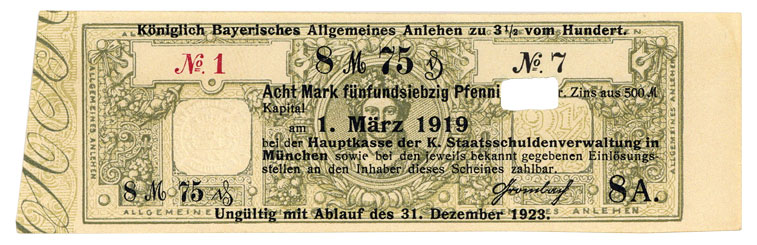
Royal Bavarian General Loan.
8.75 Marks, March 1, 1919.
Condition: rare, I
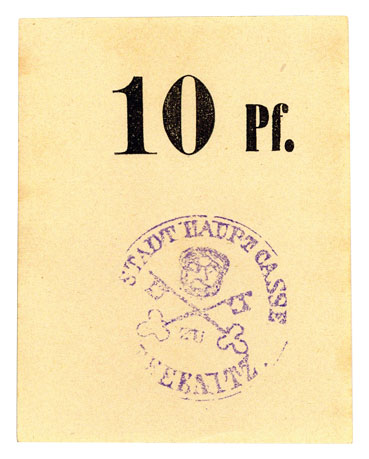
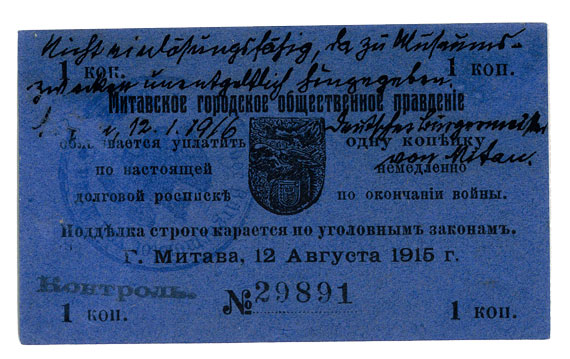
Archive: People and Markets
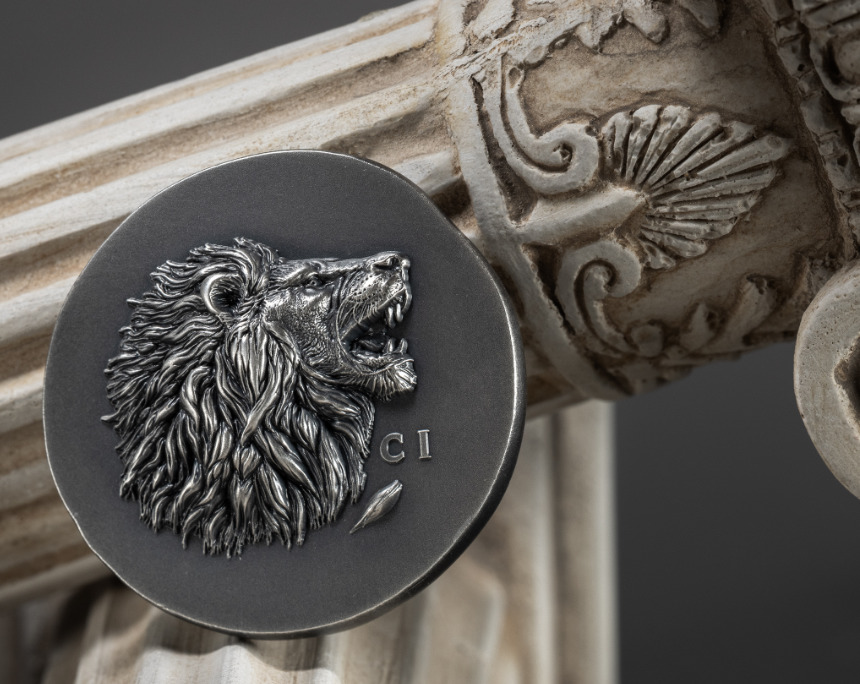
CIT’ Numismatic Icons – Leon
CIT is releasing the sixth issue in its successful Numismatic Icons series. It reinterprets the early tetradrachms of the Sicilian city of Leontinoi. The impressive motif of a lion’s head – ‘leon’ in Greek – has always made these coins unique.
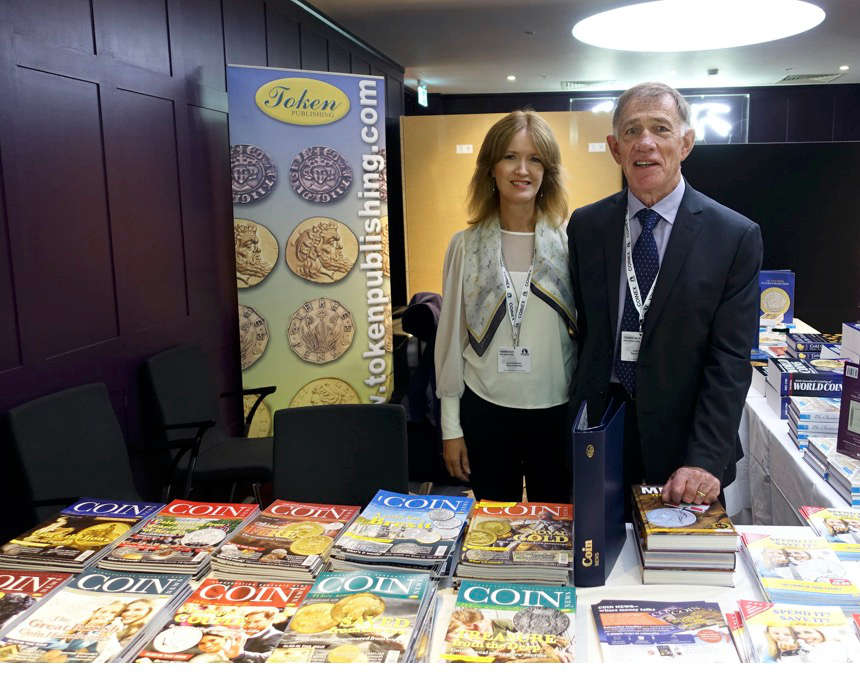
John Mussell 1942-2023
The founder of Token Publishing Ltd. died after a short illness at the age of 81. He made many friends in the numismatic world over the years. His wife Carol and his son Philip will carry on his legacy.
Archive: Coins, Medals and more
 https://new.coinsweekly.com/wp-content/uploads/2024/10/2024KW43HA_00.jpg
684
860
Lucie Loechel
https://new.coinsweekly.com/wp-content/uploads/2023/01/logo-coinsweekly_590x204.png
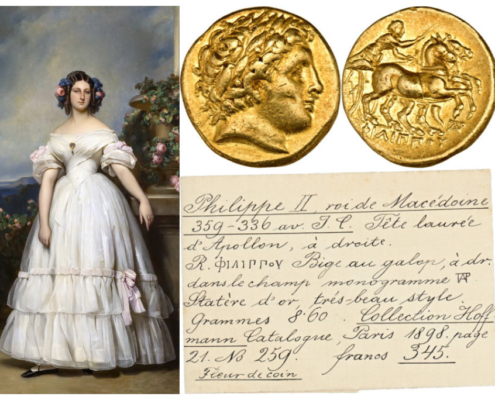
Lucie Loechel2024-10-24 10:15:002024-10-24 13:59:31Clémentine d’Orléans: Extraordinary Woman and Coin Collector
https://new.coinsweekly.com/wp-content/uploads/2024/10/2024KW43HA_00.jpg
684
860
Lucie Loechel
https://new.coinsweekly.com/wp-content/uploads/2023/01/logo-coinsweekly_590x204.png
Lucie Loechel2024-10-24 10:15:002024-10-24 13:59:31Clémentine d’Orléans: Extraordinary Woman and Coin Collector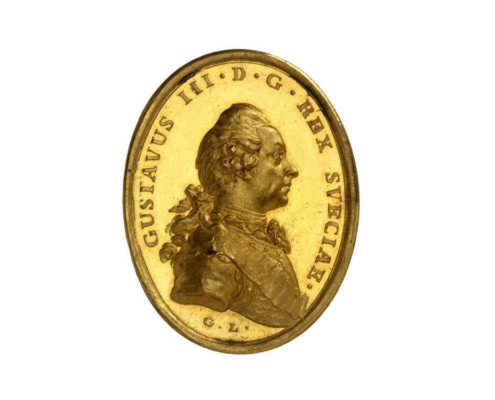 https://new.coinsweekly.com/wp-content/uploads/2023/05/2023KW20HA00.jpg
750
1000
Ursula Kampmann
https://new.coinsweekly.com/wp-content/uploads/2023/01/logo-coinsweekly_590x204.png
Ursula Kampmann2023-05-17 10:00:472023-06-27 11:25:44Gustav III: A Conservative Revolutionary
https://new.coinsweekly.com/wp-content/uploads/2023/05/2023KW20HA00.jpg
750
1000
Ursula Kampmann
https://new.coinsweekly.com/wp-content/uploads/2023/01/logo-coinsweekly_590x204.png
Ursula Kampmann2023-05-17 10:00:472023-06-27 11:25:44Gustav III: A Conservative Revolutionary
The End of Pobjoy Mint: An Interview with Taya Pobjoy
On 31 December 2023, Pobjoy Mint discontinued their operations. This marked the end of an era. In this interview, Taya Pobjoy explains why she decided to close down the mint and why she did not want to sell the company including her brand.
Stack’s Bowers Galleries Opens New Gallery in Miami, Florida
On the heels of their recently opened Copenhagen office, Stack’s Bowers Galleries again increases their global presence: a new rare coin gallery and showroom will soon open in the heart of Brickell, Florida, Miami’s vibrant financial district.