






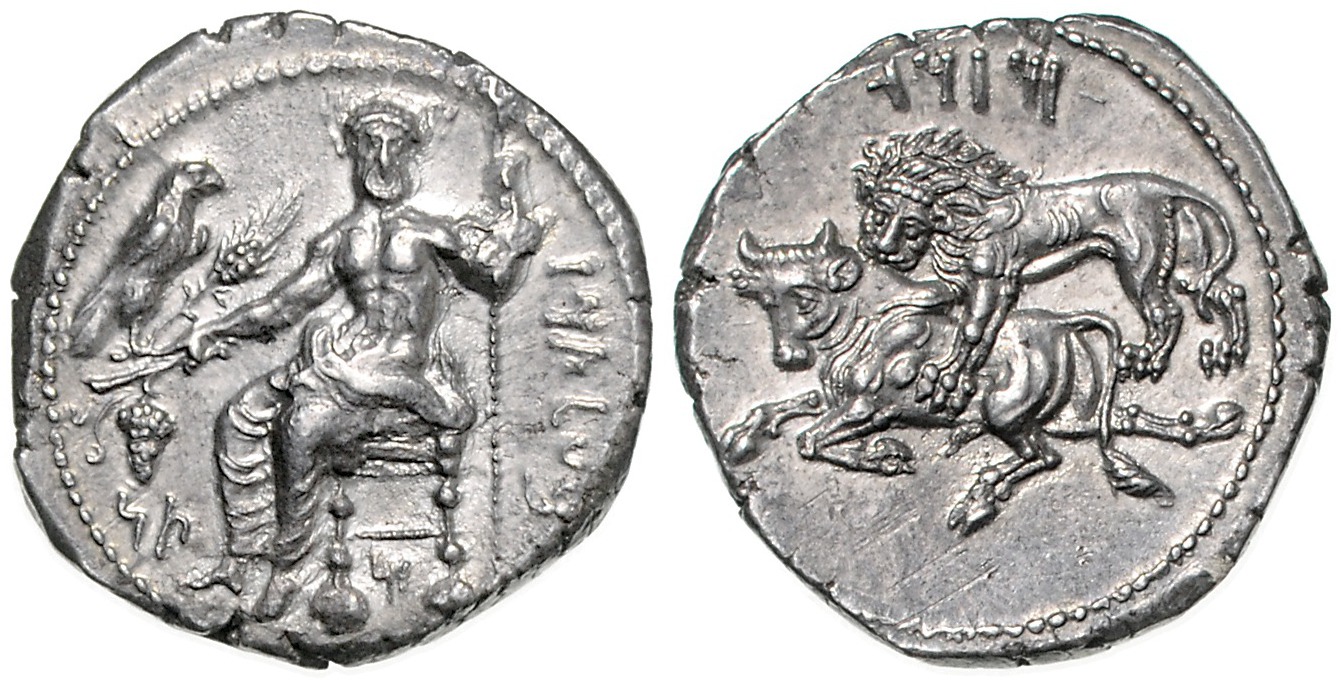
Persian satrap Mazzaios.
AR Stater (361-334 BC)
with Baal of Tarsus.
Condition: ef.
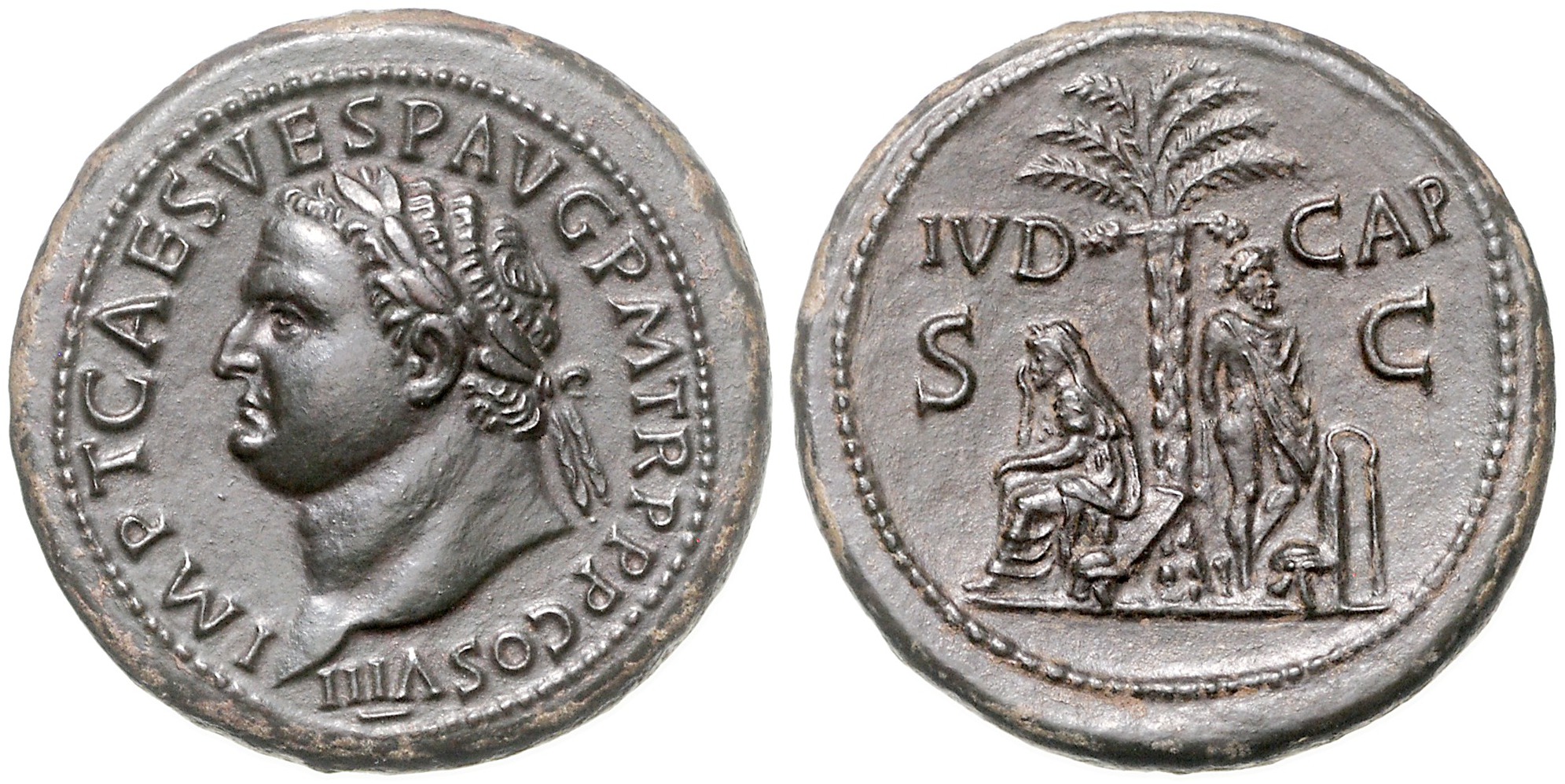
AE Sestertius (AD 80–81), Rome.
"Judaea Capta" type.
Condition: rare, ef.
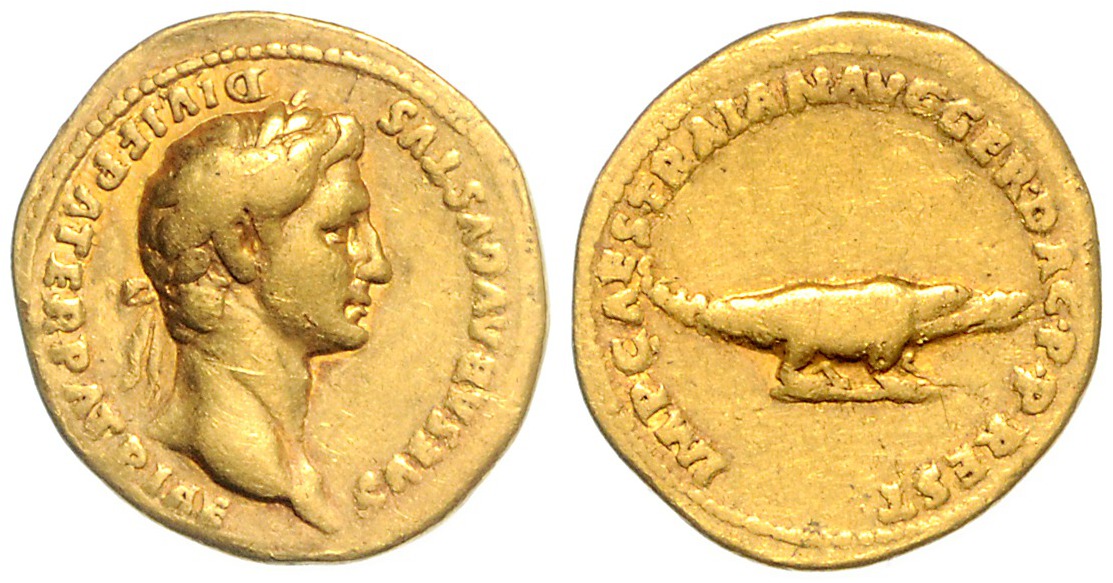
AV Aureus (AD 107–113), Rome.
Restitution issue honoring Augustus.
Condition: extremely rare, near vf.
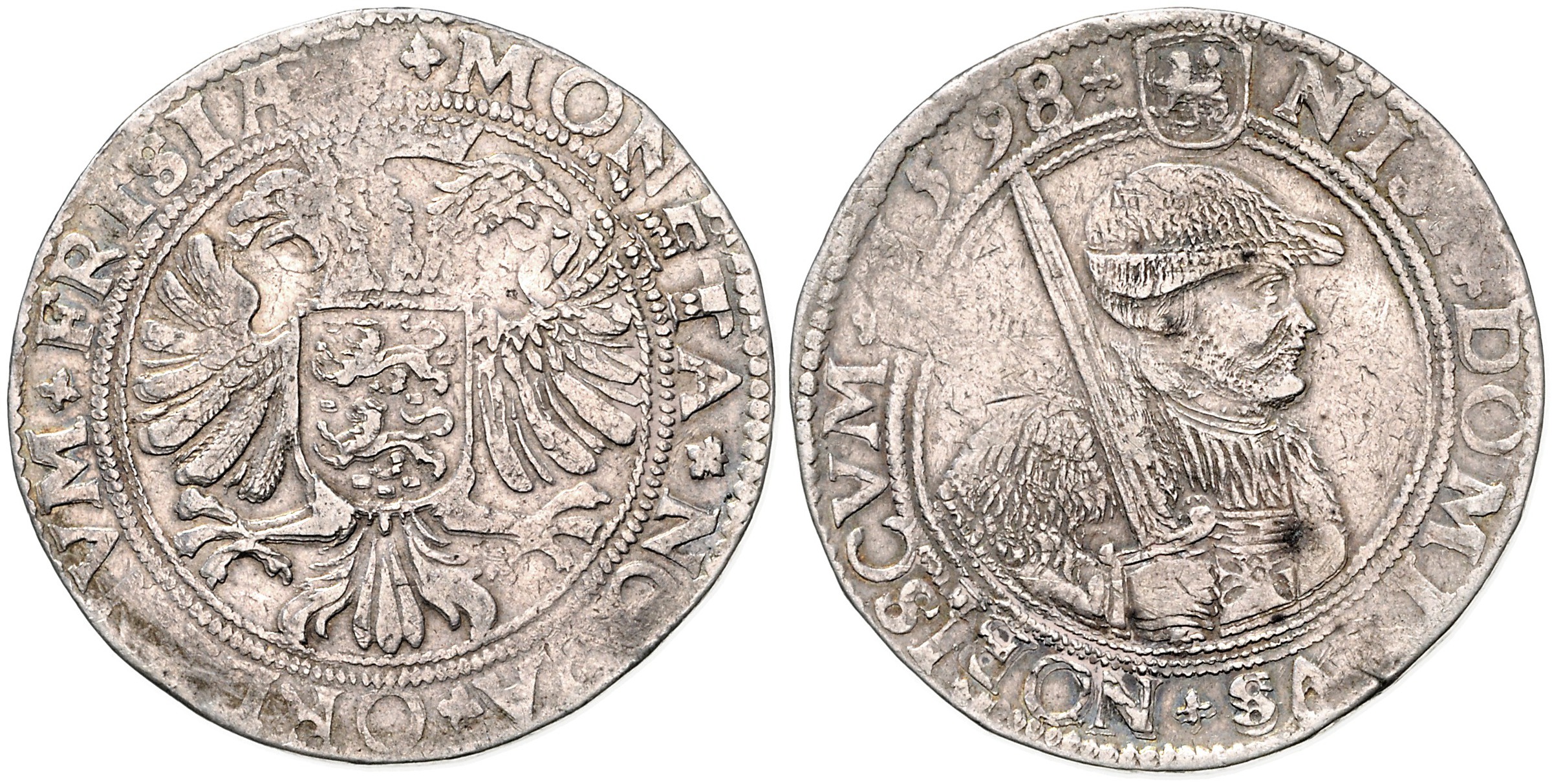
Arendsrijksdaalder (Eagle Rixdollar), 1598.
Condition: very rare, vf.
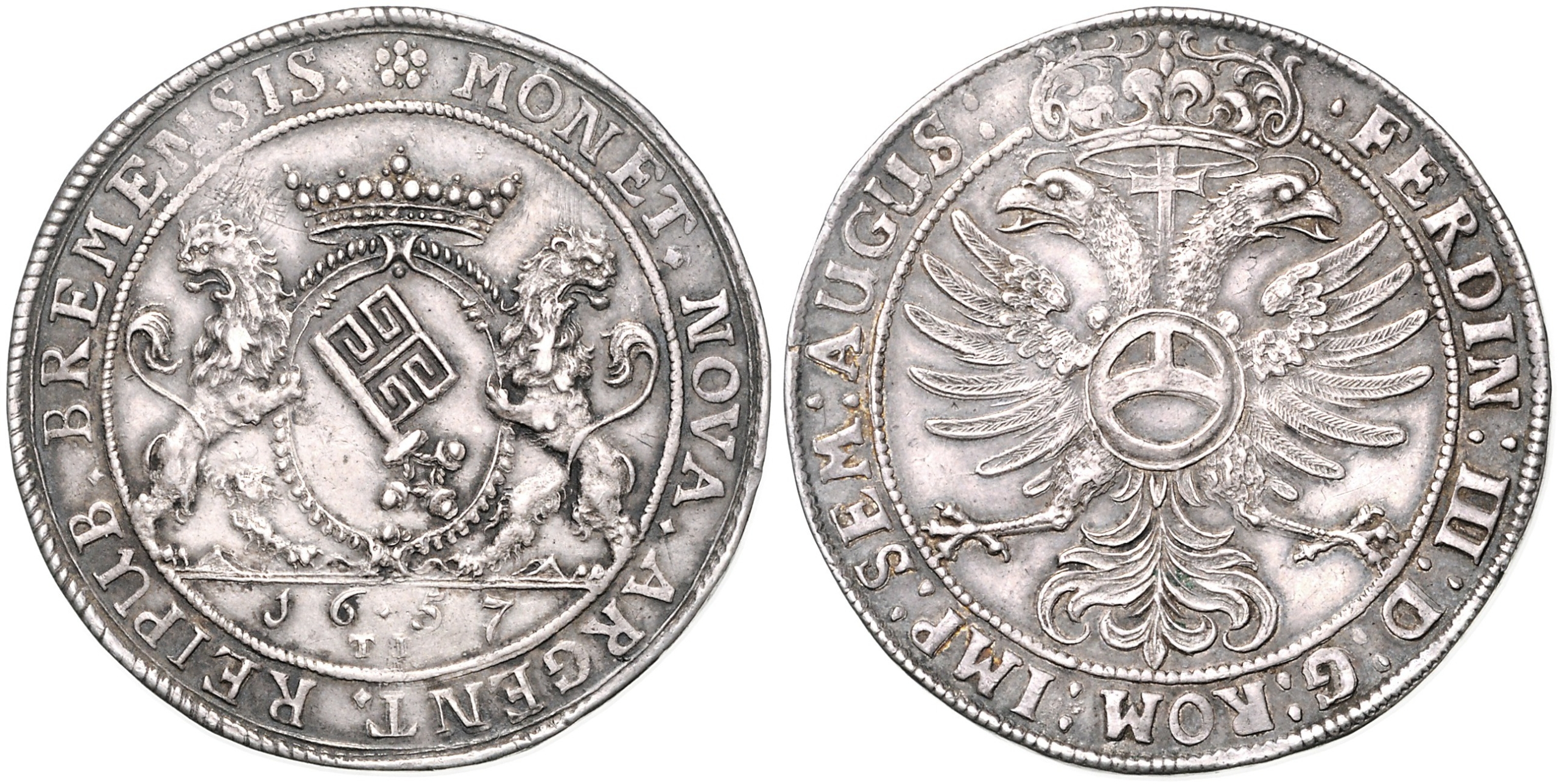
Thaler, 1657.
Bearing the title of Ferdinand III.
Condition: near ef/ef.
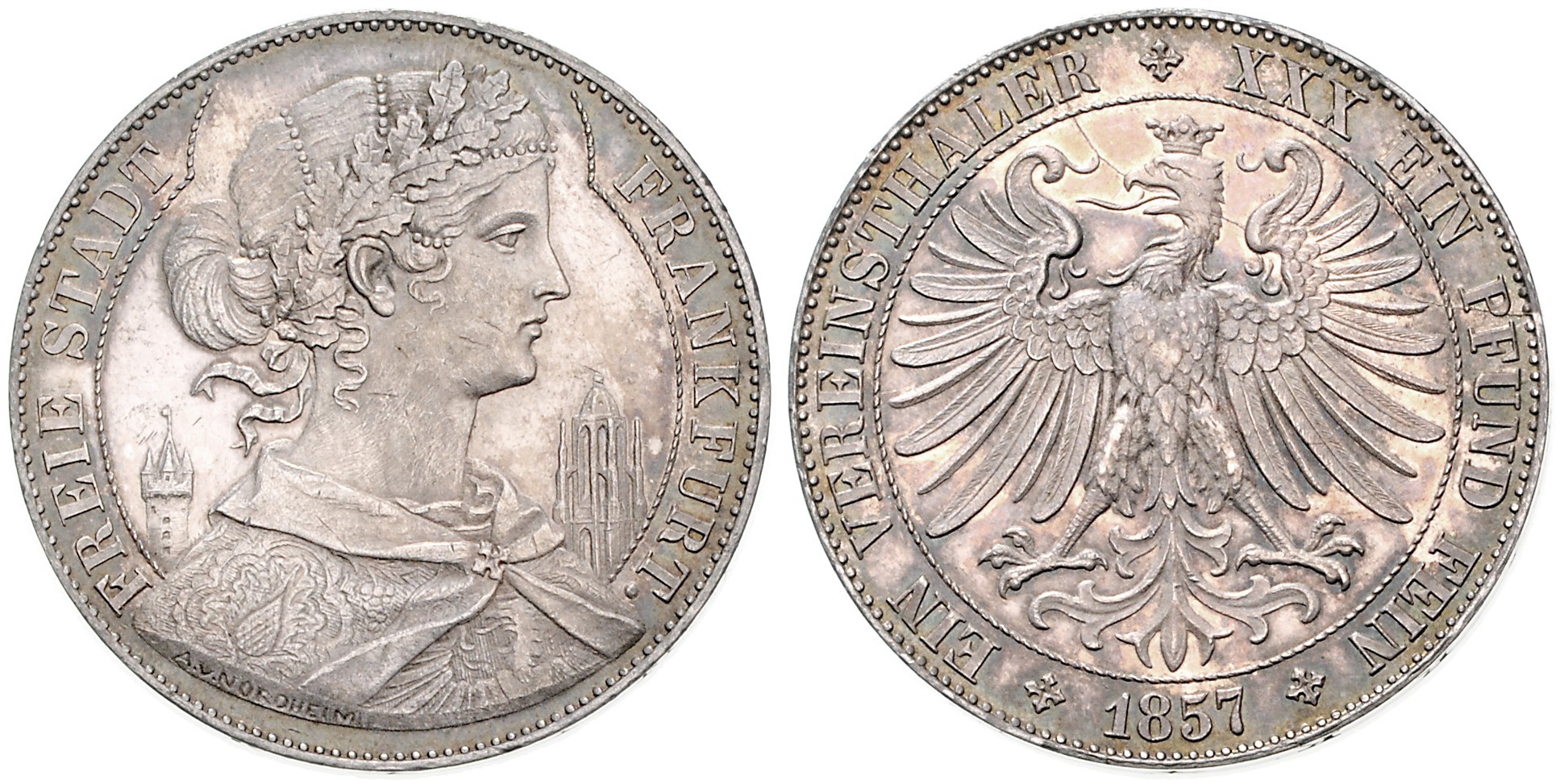
Vereinstaler 1857.
Condition: attr. piece, first strike.
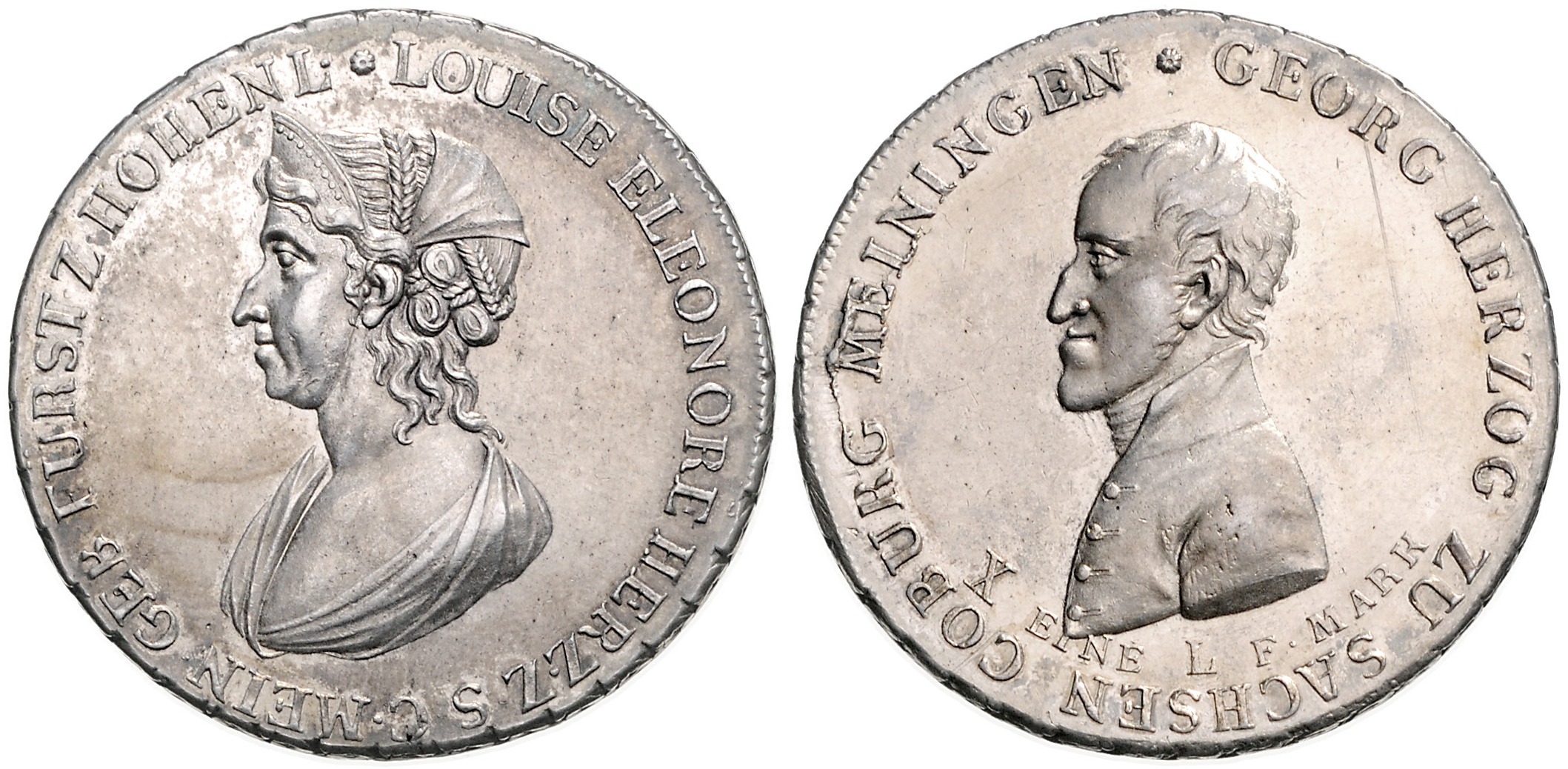
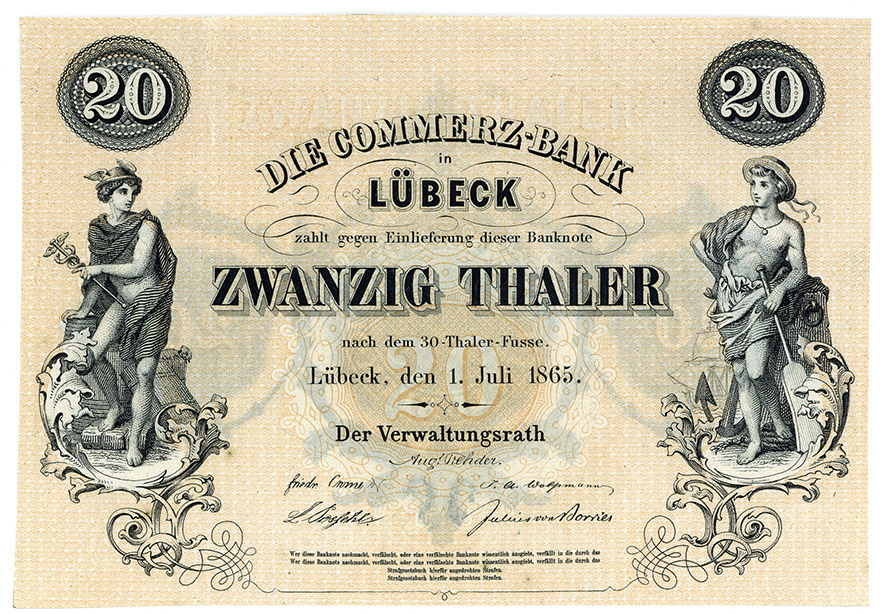
Convention thaler, n.d. (after 1803),
issued on the death of Duke Georg.
Condition: extremely rare, unc.
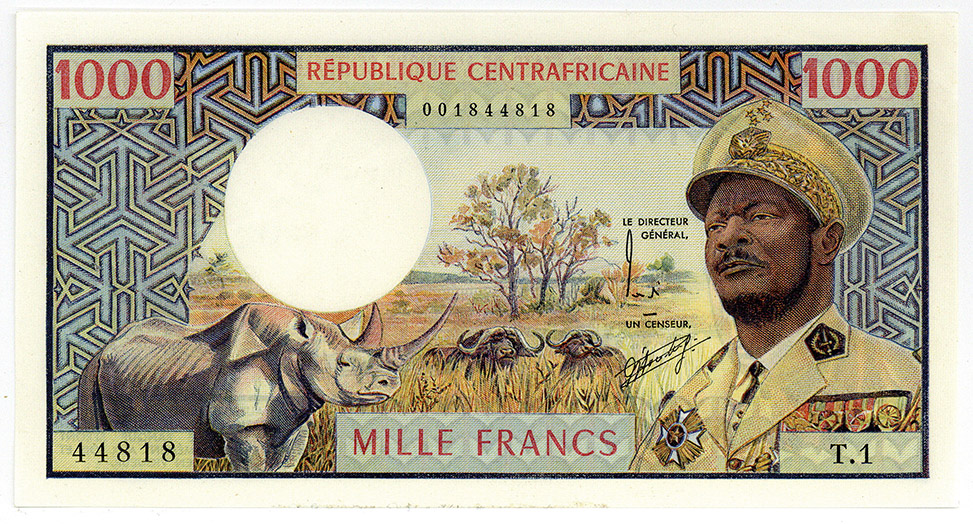
Banque des États de l'Afrique Centrale,
1000 francs 1974.
Condition: I-.
Archive: People and Markets
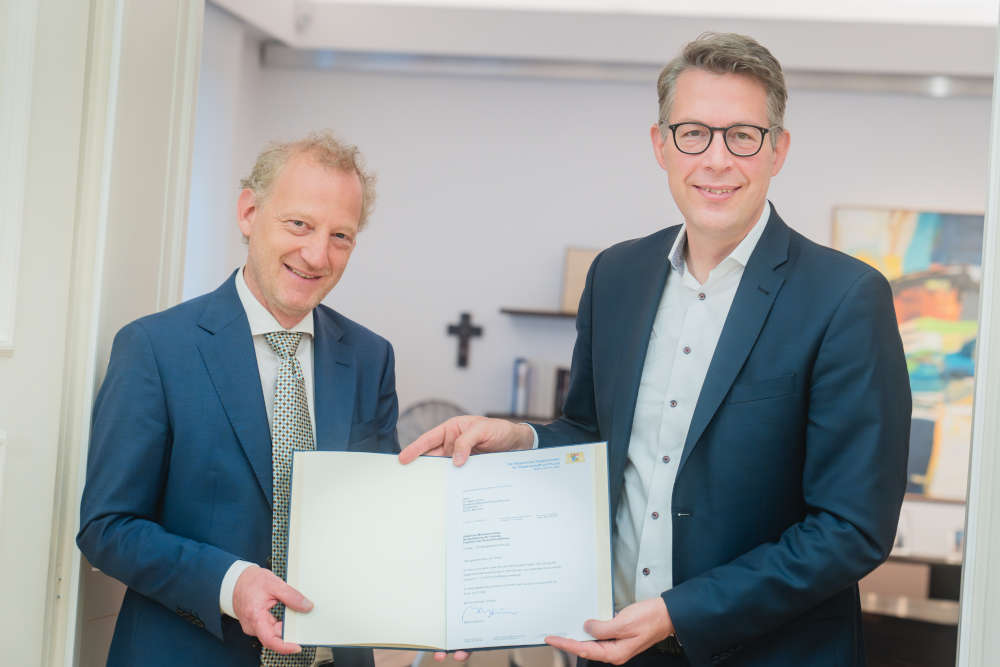
Martin Hirsch Becomes the New Director of the Bavarian State Coin Collection
Martin Hirsch has worked at the Bavarian State Coin Collection in Munich for years, and now he has been appointed Director. Dr. Hirsch has a lot planned for his new role.

The Royal Coin Cabinet in Stockholm is going to be closed and stripped down
The Swedish national museum of economy is going to be closed down. This entails the relocation of the Royal Coin Cabinet and its notable library. At this point, no one knows where, when or how the coins and books will be available again. Harald Nilsson reports.
Archive: Coins, Medals and more
 https://new.coinsweekly.com/wp-content/uploads/2025/06/2025KW25HA01_00.jpg
684
860
Lucie Loechel
https://new.coinsweekly.com/wp-content/uploads/2023/01/logo-coinsweekly_590x204.png
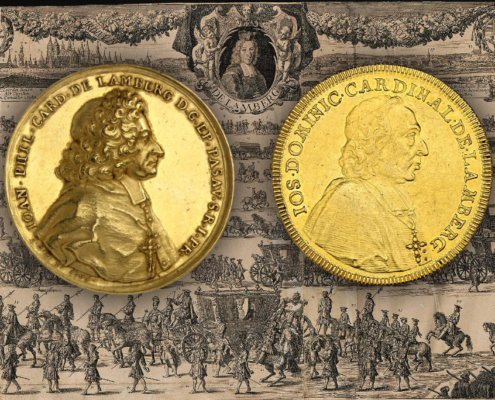
Lucie Loechel2025-06-18 09:13:002025-06-18 09:13:00Münster, Osnabrück, Passau and the Counts of Lamberg
 https://new.coinsweekly.com/wp-content/uploads/2024/09/2024KW38HA_00.jpg
684
860
Ursula Kampmann
https://new.coinsweekly.com/wp-content/uploads/2023/01/logo-coinsweekly_590x204.png
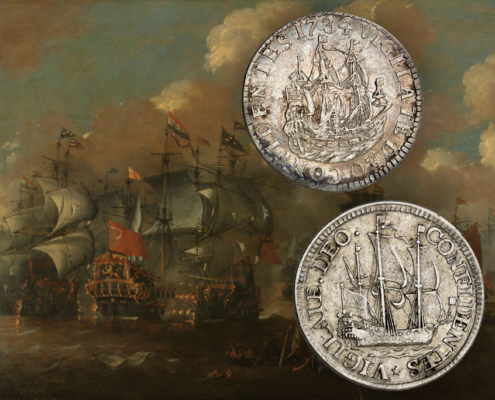
Ursula Kampmann2024-09-19 10:16:302024-09-19 11:07:49Bloody Flag and Scheepjesschelling

When Is a Currency Launch – Not a Currency Launch?
Nowadays, it is frighteningly easy to send misinformation around the world in a matter of seconds. Michael Alexander from the London Banknote and Monetary Research Centre uses a recent example to show that important subjects such as currency unions, or even money in general, can also be affected by this.
How the Romans Made Counterfeits
Counterfeits have been around in ancient Roman times, too – usually, they were cast from a copper-tin alloy. Researchers at the University of Tübingen examined the counterfeiting process and reconstructed it experimentally. A video documents their experiment.