






Archive: People and Markets
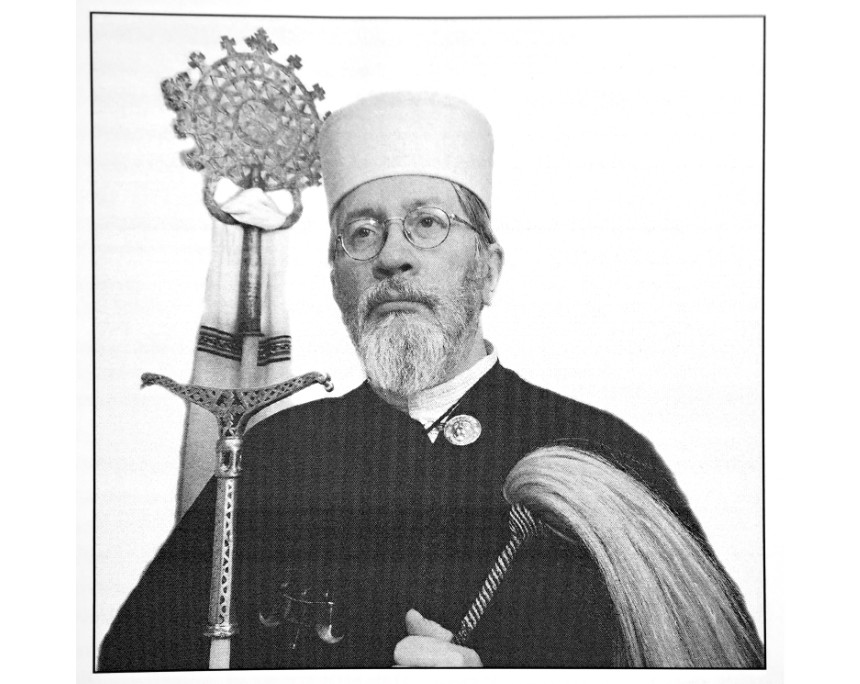
Celebrating Wolfgang Hahn’s 80th Birthday
There are numismatists who are an integral part of the numismatic world. One of them is Wolfgang Hahn, who shaped the fate of the Department of Numismatics and Monetary History in Vienna from 1990 to 2010. On 12 March 2025, he celebrated his 80th birthday.

How AI Is Transforming Numismatics
Can entire numismatic reference books be written by artificial intelligence? Are ChatGPT and similar technologies becoming competitors for news portals, specialist publishers, and PR agencies? What can AI truly achieve? We put it to the test.
Archive: Coins, Medals and more
 https://new.coinsweekly.com/wp-content/uploads/2025/03/2025KW11HA01_00.jpg
684
860
Lucie Loechel
https://new.coinsweekly.com/wp-content/uploads/2023/01/logo-coinsweekly_590x204.png
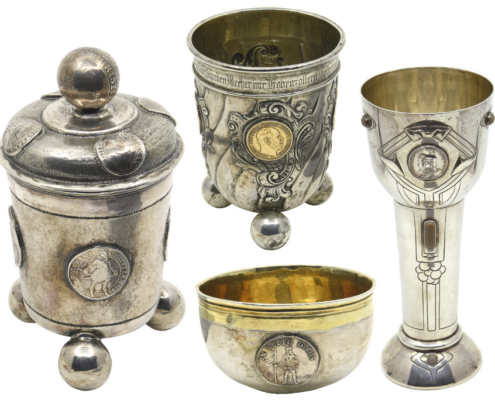
Lucie Loechel2025-03-13 10:11:402025-03-13 10:11:40Coin-Embedded Tableware as Part of European Dining Culture
https://new.coinsweekly.com/wp-content/uploads/2025/03/2025KW11HA01_00.jpg
684
860
Lucie Loechel
https://new.coinsweekly.com/wp-content/uploads/2023/01/logo-coinsweekly_590x204.png
Lucie Loechel2025-03-13 10:11:402025-03-13 10:11:40Coin-Embedded Tableware as Part of European Dining Culture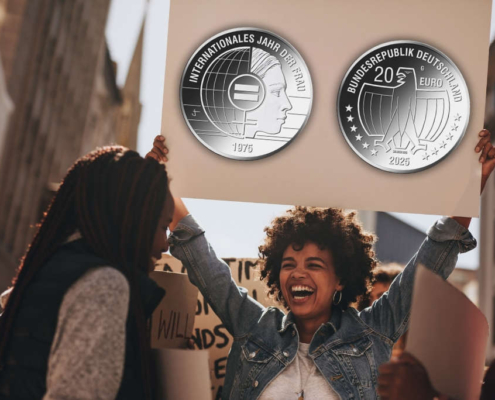 https://new.coinsweekly.com/wp-content/uploads/2025/03/0.jpg
684
860
Sebastian Wieschowski
https://new.coinsweekly.com/wp-content/uploads/2023/01/logo-coinsweekly_590x204.png
Sebastian Wieschowski2025-03-06 06:00:312025-03-06 14:32:55Women on Commemorative Coins: A Long Road to True Equality
https://new.coinsweekly.com/wp-content/uploads/2025/03/0.jpg
684
860
Sebastian Wieschowski
https://new.coinsweekly.com/wp-content/uploads/2023/01/logo-coinsweekly_590x204.png
Sebastian Wieschowski2025-03-06 06:00:312025-03-06 14:32:55Women on Commemorative Coins: A Long Road to True Equality
Stockholm Numismatica 2023
In 2023, Stockholm Numismatica will take place on 1 October. The previous day at the same premises a series of exclusive coins from the Gunnar Ekström collection will be sold in a public auction.
Study on Investment Behaviour of Women: Gold – Low Risk but High Returns?
The Royal Mint reports a significant rise in female investors, as more women seem to be turning to the gold and silver markets to safeguard their investment portfolios from risks.