






Archive: People and Markets
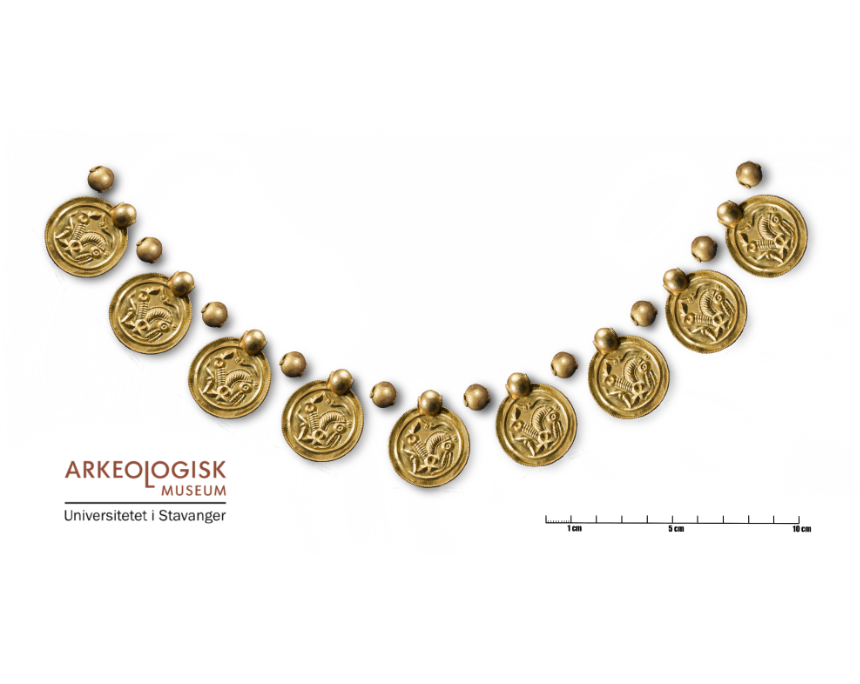
Baldrs Horse: Detectorist Makes “Find of the Century” in Norway
On the Norwegian island of Rennesøy, a metal detectorist recently made an extraordinary gold find that was buried long before the Viking Age. The nine coin-like gold pendants engraved with rare horse symbols discovered along with ten gold beads and three gold rings are the first find of this kind in Norway since the 19th century.
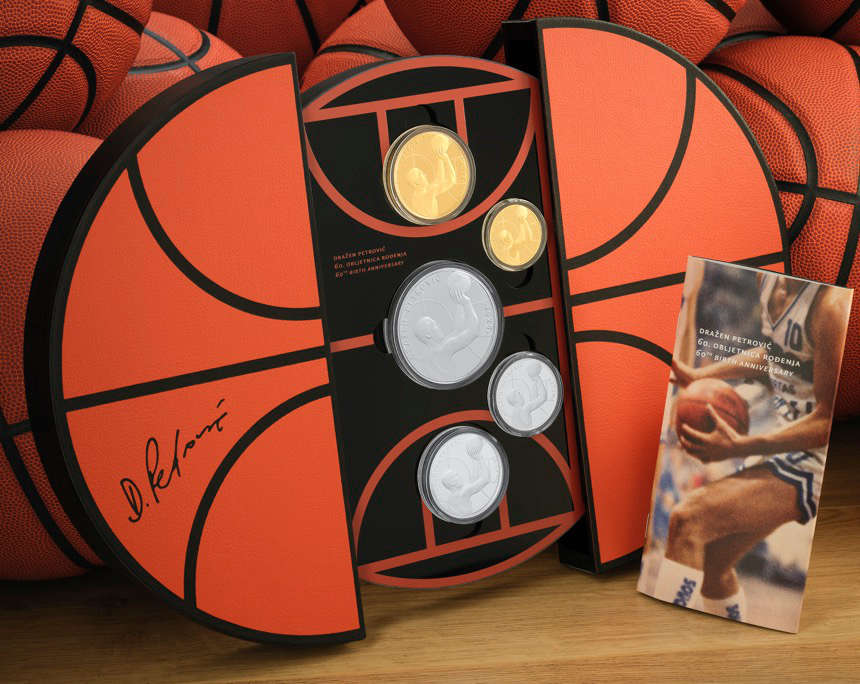
Bowing to a Croatian Basketball Legend
In 1993, Dražen Petrović, one of the world’s most famous basketball players, died aged only 29 years. With his ambition, hard work, reliability, and modesty, the “Mozart of Basketball” continues to inspire many of his fans to this day.
Archive: Coins, Medals and more
 https://new.coinsweekly.com/wp-content/uploads/2025/02/2025KW08HA01_00.jpg
684
860
Lucie Loechel
https://new.coinsweekly.com/wp-content/uploads/2023/01/logo-coinsweekly_590x204.png
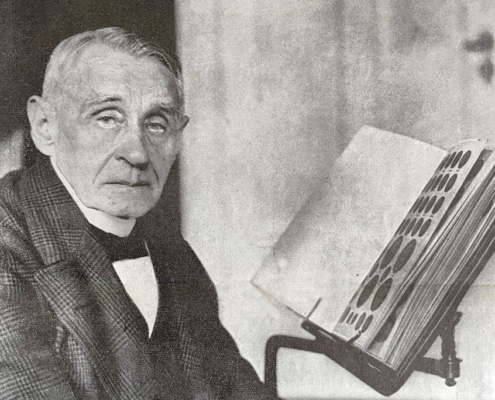
Lucie Loechel2025-02-20 09:21:132025-02-20 09:49:19L. E. Bruun: A Collector in His Time
https://new.coinsweekly.com/wp-content/uploads/2025/02/2025KW08HA01_00.jpg
684
860
Lucie Loechel
https://new.coinsweekly.com/wp-content/uploads/2023/01/logo-coinsweekly_590x204.png
Lucie Loechel2025-02-20 09:21:132025-02-20 09:49:19L. E. Bruun: A Collector in His Time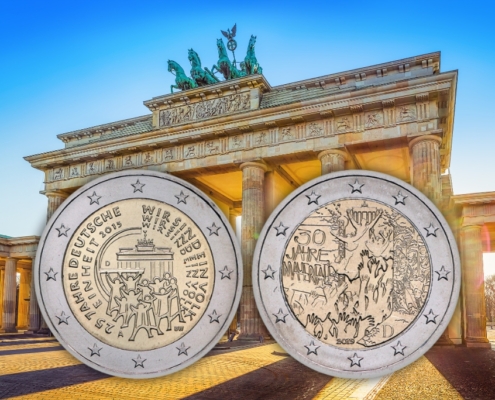 https://new.coinsweekly.com/wp-content/uploads/2024/09/2024KW39HA_00.jpg
684
860
Sebastian Wieschowski
https://new.coinsweekly.com/wp-content/uploads/2023/01/logo-coinsweekly_590x204.png
Sebastian Wieschowski2024-09-26 06:00:552024-09-26 09:25:24Unity Coin Sows Discord: More Than Just a Matter of Taste?
https://new.coinsweekly.com/wp-content/uploads/2024/09/2024KW39HA_00.jpg
684
860
Sebastian Wieschowski
https://new.coinsweekly.com/wp-content/uploads/2023/01/logo-coinsweekly_590x204.png
Sebastian Wieschowski2024-09-26 06:00:552024-09-26 09:25:24Unity Coin Sows Discord: More Than Just a Matter of Taste?
Swedish Economy Museum Reopened
Ever since the Swedish “Economy Museum – Royal Coin Cabinet” moved to a new location in 2019, there have only been special exhibitions on display. Now, the two permanent exhibitions on the topics of money and the economy were finally opened.
CDN Acquires Whitman: What Does This Mean for the Coin Market?
CDN Publishing acquires Whitman Publishing: who is behind the companies and why will this deal affect the international and US coin markets? A commentary by Ursula Kampmann.