









Archive: People and Markets

Monnaie de Paris Faces Criticism from Enthusiastic Collectors
As athletes around the world prepare to deliver top performances at the Olympic Games, the Monnaie de Paris – France’s prestigious mint – has disqualified itself in the eyes of many collectors for unsporting behaviour. What happened?
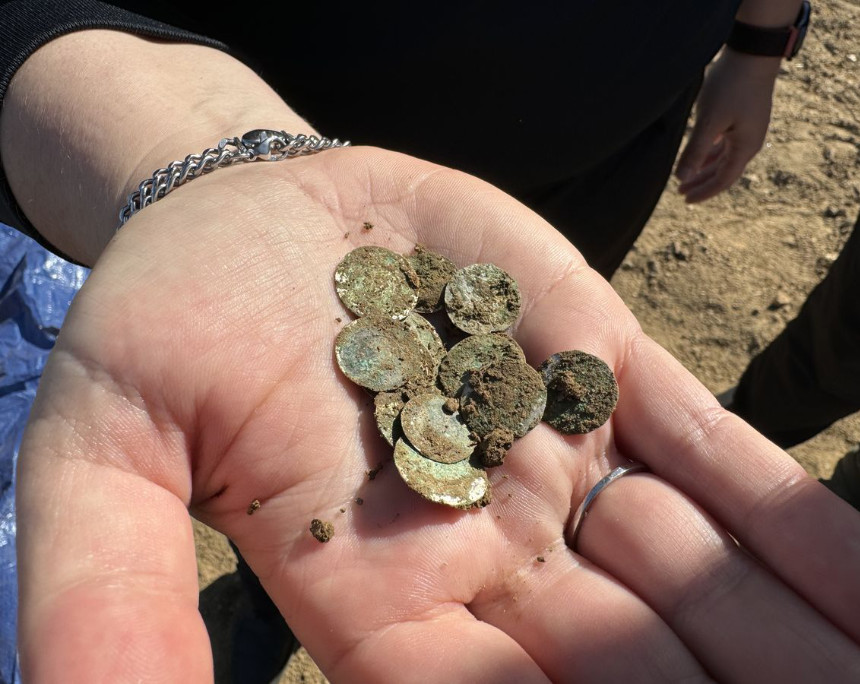
More Than 2,000 Medieval Denarii Discovered in Czechia
It is said to be one of the most important Czech coin hoards of the last 10 years: more than 2,000 coins from the period around 1100 have been discovered near Kutná Hora. The find dates from a time of conflict between members of the Přemyslid dynasty for control of the Prague princely throne.
Archive: Coins, Medals and more
 https://new.coinsweekly.com/wp-content/uploads/2024/01/2024KW05HA_00.jpg
684
860
Ursula Kampmann
https://new.coinsweekly.com/wp-content/uploads/2023/01/logo-coinsweekly_590x204.png
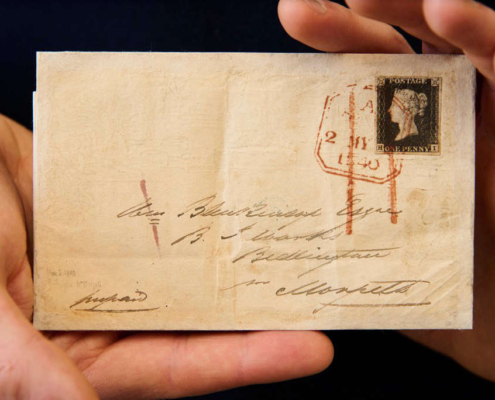
Ursula Kampmann2024-01-31 13:34:492024-01-31 13:34:49The First Piece of Mail Sent Using a Stamp to Be Offered at Sotheby’s
https://new.coinsweekly.com/wp-content/uploads/2024/01/2024KW05HA_00.jpg
684
860
Ursula Kampmann
https://new.coinsweekly.com/wp-content/uploads/2023/01/logo-coinsweekly_590x204.png
Ursula Kampmann2024-01-31 13:34:492024-01-31 13:34:49The First Piece of Mail Sent Using a Stamp to Be Offered at Sotheby’s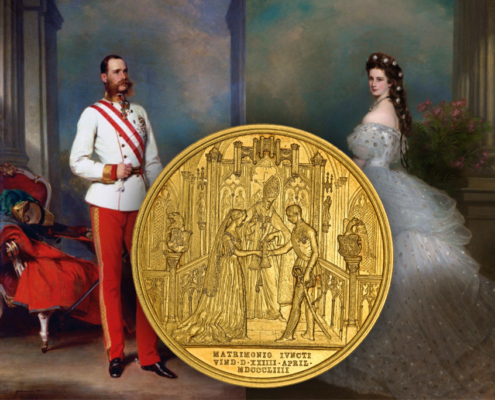 https://new.coinsweekly.com/wp-content/uploads/2024/10/2024KW41HA2_00.jpg
684
860
Bruno
https://new.coinsweekly.com/wp-content/uploads/2023/01/logo-coinsweekly_590x204.png
Bruno2024-10-10 12:00:002024-10-10 13:51:28Sisi and Franz: Commemorating the Dream Wedding that Was Actually a Nightmare
https://new.coinsweekly.com/wp-content/uploads/2024/10/2024KW41HA2_00.jpg
684
860
Bruno
https://new.coinsweekly.com/wp-content/uploads/2023/01/logo-coinsweekly_590x204.png
Bruno2024-10-10 12:00:002024-10-10 13:51:28Sisi and Franz: Commemorating the Dream Wedding that Was Actually a Nightmare
Minerva Magazine Ceased Publishing
The archaeological journal Minerva, founded in 1990, will discontinue its service with its last issue in July/August 2023. The reason for this, it says, are the lingering effects of the pandemic and increased costs. The last issue can be downloaded for free.
Royal Canadian Mint Reports Profits and Performance for 2022
The Royal Canadian Mint published their financial results for 2022. As expected they remained below 2021 levels.