






Archive: People and Markets

Two-Euro Ticker: New 2-Euro Coins in February 2025
Italy celebrates the Holy Year, and Luxembourg marks the change of throne with a numismatic first: for the first time, official colour applications will appear on Luxembourg’s 2-euro coins.
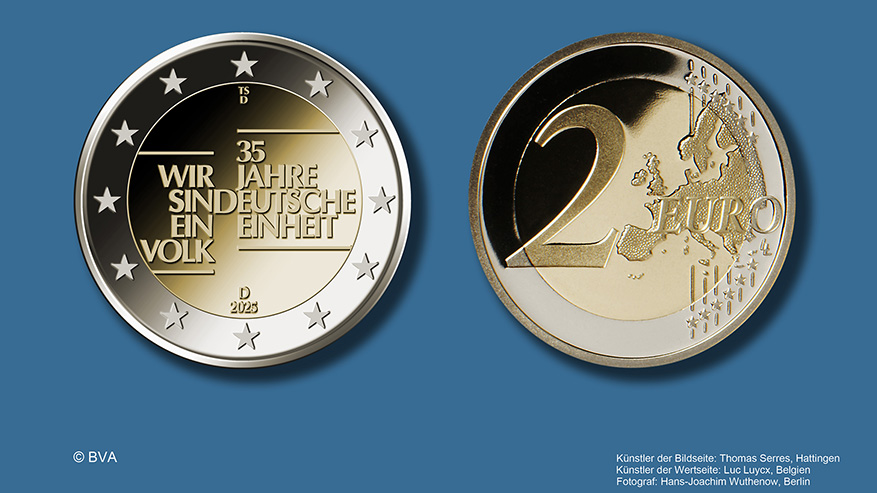
Two-Euro Ticker: New 2-Euro Coins in September 2024
The Federal Republic is once again stirring up the collector world with two surprising announcements. Additionally, San Marino, Slovakia, and Latvia are delighting collectors with new designs.
Archive: Coins, Medals and more
 https://new.coinsweekly.com/wp-content/uploads/2024/02/2024KW06HA_00.jpg
684
860
Ursula Kampmann
https://new.coinsweekly.com/wp-content/uploads/2023/01/logo-coinsweekly_590x204.png
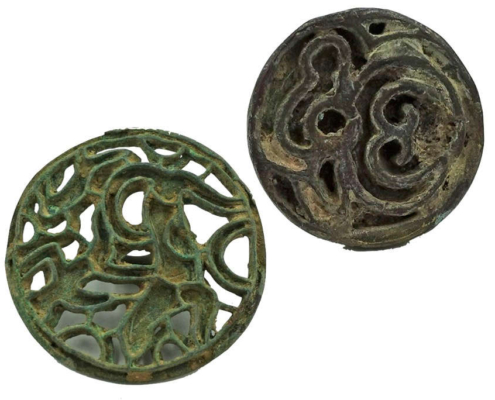
Ursula Kampmann2024-02-08 10:49:082024-02-08 13:52:53The St. Croix Collection of Baktrian Seals
https://new.coinsweekly.com/wp-content/uploads/2024/02/2024KW06HA_00.jpg
684
860
Ursula Kampmann
https://new.coinsweekly.com/wp-content/uploads/2023/01/logo-coinsweekly_590x204.png
Ursula Kampmann2024-02-08 10:49:082024-02-08 13:52:53The St. Croix Collection of Baktrian Seals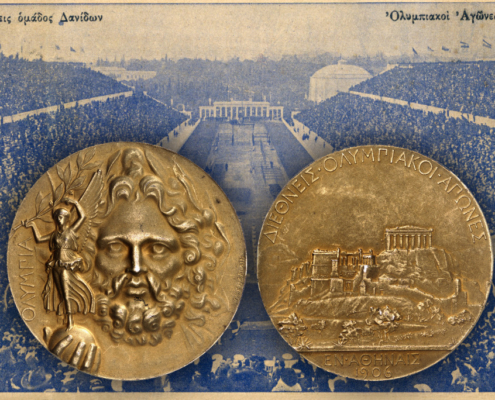 https://new.coinsweekly.com/wp-content/uploads/2024/05/2024KW21HA_00.jpg
684
860
Ursula Kampmann
https://new.coinsweekly.com/wp-content/uploads/2023/01/logo-coinsweekly_590x204.png
Ursula Kampmann2024-05-23 10:47:532024-05-23 11:04:37The Olympic Games That Are No Longer Recognized
https://new.coinsweekly.com/wp-content/uploads/2024/05/2024KW21HA_00.jpg
684
860
Ursula Kampmann
https://new.coinsweekly.com/wp-content/uploads/2023/01/logo-coinsweekly_590x204.png
Ursula Kampmann2024-05-23 10:47:532024-05-23 11:04:37The Olympic Games That Are No Longer Recognized
The Numismatic Index on 11 May 2023
The numismatic index numindex transparently shows how the prices of selected coins change over time. In the style of a stock index, it was designed for collectors who consider their collection an investment. Find out about the current state of the index.
Bowing to a Croatian Basketball Legend
In 1993, Dražen Petrović, one of the world’s most famous basketball players, died aged only 29 years. With his ambition, hard work, reliability, and modesty, the “Mozart of Basketball” continues to inspire many of his fans to this day.