






Archive: People and Markets
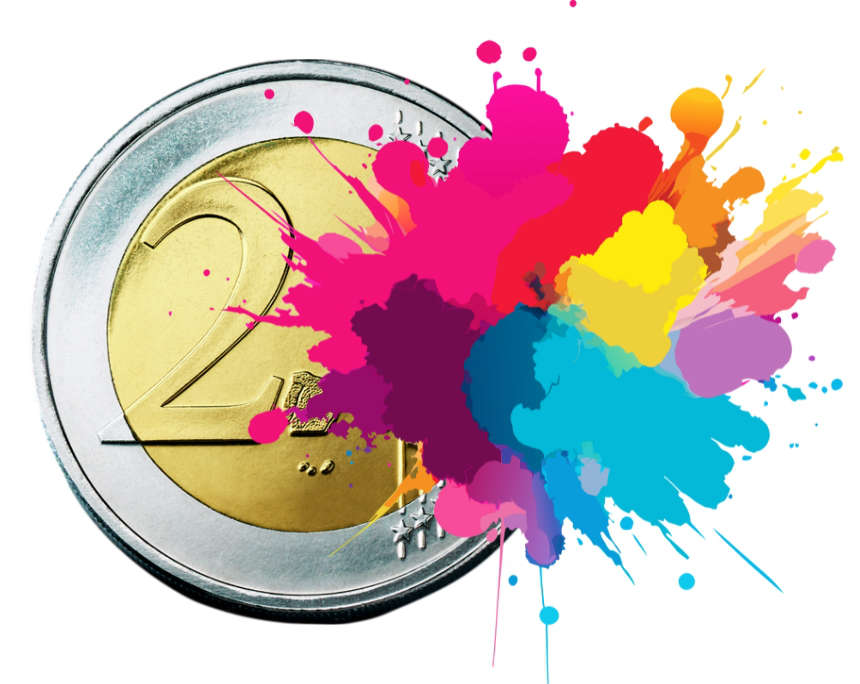
Are Things Becoming Too Colourful? France and Portugal Issue 2-Euro Colour Coins
After six years, two Eurozone countries make use of the opportunity to design commemorative 2-euro coins with a special effect. Until now, official 2-euro coins with colour have been an absolute exception – for they are not at all liked to be seen in Brussels.
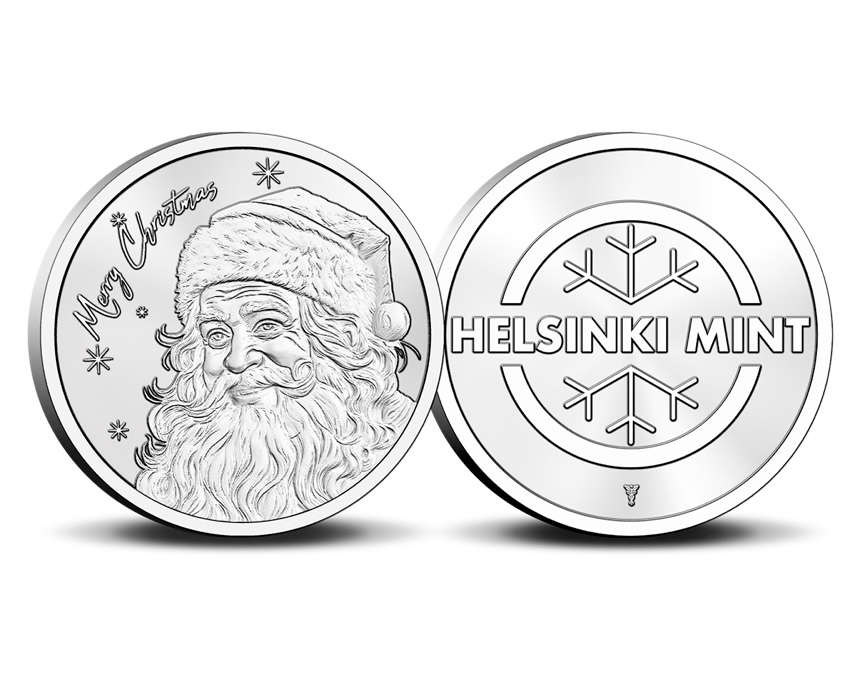
The Mint of Finland is Dead, Long Live the Helsinki Mint
September brought bad news for the numismatic world: the Mint of Finland, once a prolific producer of circulation coins for numerous euro countries, announced it would cease operations. Many questions have since remained unanswered – but one key point is now clear: the future of Finnish coin production has been decided.
Archive: Coins, Medals and more
 https://new.coinsweekly.com/wp-content/uploads/2024/03/2024KW10HA_00.jpg
684
860
Ursula Kampmann
https://new.coinsweekly.com/wp-content/uploads/2023/01/logo-coinsweekly_590x204.png
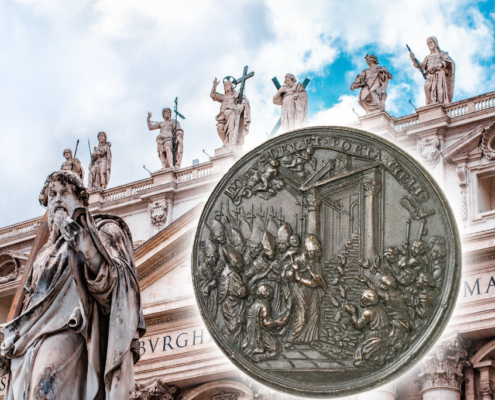
Ursula Kampmann2024-03-07 11:39:512024-03-07 14:21:30Coins and Medals of the Popes: Representatives of the Catholic Church
https://new.coinsweekly.com/wp-content/uploads/2024/03/2024KW10HA_00.jpg
684
860
Ursula Kampmann
https://new.coinsweekly.com/wp-content/uploads/2023/01/logo-coinsweekly_590x204.png
Ursula Kampmann2024-03-07 11:39:512024-03-07 14:21:30Coins and Medals of the Popes: Representatives of the Catholic Church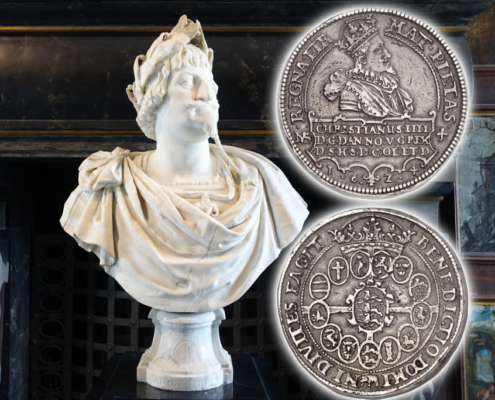 https://new.coinsweekly.com/wp-content/uploads/2024/06/2024KW24HA_00.jpg
684
860
Ursula Kampmann
https://new.coinsweekly.com/wp-content/uploads/2023/01/logo-coinsweekly_590x204.png
Ursula Kampmann2024-06-13 10:48:452024-06-13 11:10:58400 Years Ago – The Founding of Kongsberg
https://new.coinsweekly.com/wp-content/uploads/2024/06/2024KW24HA_00.jpg
684
860
Ursula Kampmann
https://new.coinsweekly.com/wp-content/uploads/2023/01/logo-coinsweekly_590x204.png
Ursula Kampmann2024-06-13 10:48:452024-06-13 11:10:58400 Years Ago – The Founding of Kongsberg
Change Of Leadership at the American Numismatic Society
Gilles Bransbourg will be stepping down from his position as ANS Executive Director in September 2024. Dr. Ute Wartenberg Kagan, currently President of the ANS, will return to this position, which she previously held from 1999 through 2019.
These Are The Winners of the International Coin Design Competition 2022
Japan Mint annually awards the best works received for the International Coin Design Competition. This year the war against Ukraine is topic of the most excellent work.