






Archive: People and Markets
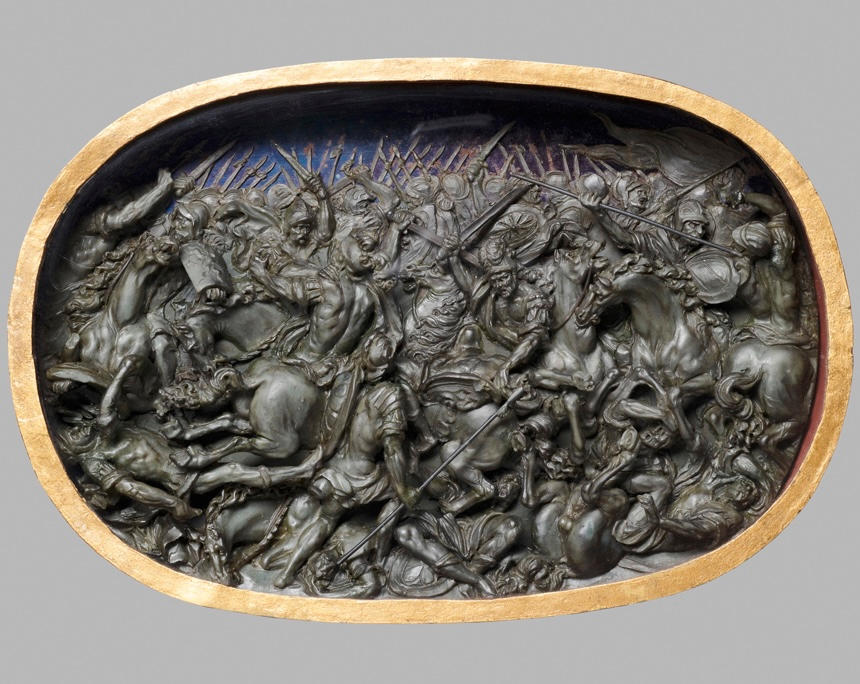
Daniel Neuberger and the Art of Deception – Exhibition at the Kunsthistorisches Museum
The Kunsthistorisches Museum Vienna is currently showing a special exhibition about Daniel Neuberger. Neuberger (1621–1680) was one of the most important and versatile artists at the imperial court in Vienna, where he worked as a wax sculptor, portraitist, and lapidary for Emperor Ferdinand III and his sons Ferdinand IV and Leopold I. more

Fiasco – A Cautionary Tale of What’s to Come Once the New EU Import Regulation Comes Into Force
If you want to get an idea of how enforcement might work under the European Union’s new import licensing regulation after June 28, 2025, here is a cautionary tale, shared by Ivan Macquisten.
Archive: Coins, Medals and more
 https://new.coinsweekly.com/wp-content/uploads/2024/10/2024KW42HA2_00.jpg
684
860
Lucie Loechel
https://new.coinsweekly.com/wp-content/uploads/2023/01/logo-coinsweekly_590x204.png
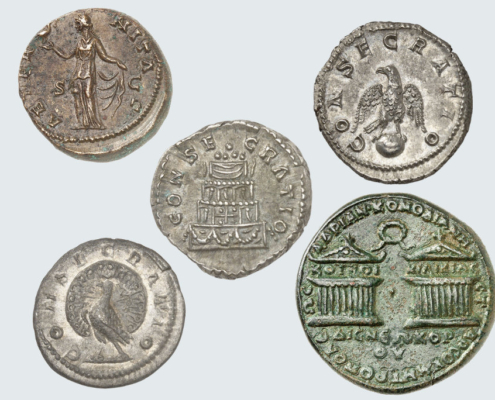
Lucie Loechel2024-10-17 10:44:212024-10-17 11:19:35Oh Dear, I Think I’m Becoming a God! Numismatic Testaments to the Consecration of Roman Emperors
https://new.coinsweekly.com/wp-content/uploads/2024/10/2024KW42HA2_00.jpg
684
860
Lucie Loechel
https://new.coinsweekly.com/wp-content/uploads/2023/01/logo-coinsweekly_590x204.png
Lucie Loechel2024-10-17 10:44:212024-10-17 11:19:35Oh Dear, I Think I’m Becoming a God! Numismatic Testaments to the Consecration of Roman Emperors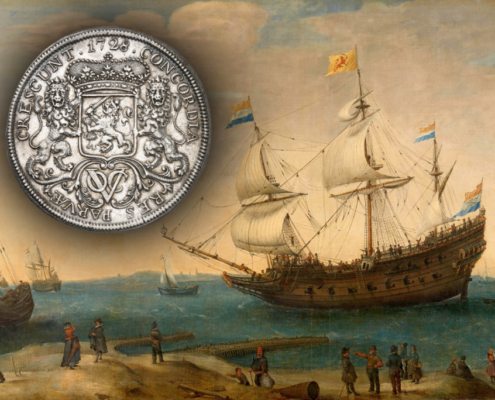 https://new.coinsweekly.com/wp-content/uploads/2025/02/2025KW09HA01_00.jpg
684
860
Lucie Loechel
https://new.coinsweekly.com/wp-content/uploads/2023/01/logo-coinsweekly_590x204.png
Lucie Loechel2025-02-27 10:27:202025-02-27 12:01:04VOC: The Other Side of the Dutch Golden Age
https://new.coinsweekly.com/wp-content/uploads/2025/02/2025KW09HA01_00.jpg
684
860
Lucie Loechel
https://new.coinsweekly.com/wp-content/uploads/2023/01/logo-coinsweekly_590x204.png
Lucie Loechel2025-02-27 10:27:202025-02-27 12:01:04VOC: The Other Side of the Dutch Golden Age
What the Second Trump Administration Might Mean for Collectors
What does Donald Trump’s return to the White House mean for collectors in the USA? Will the new Administration help “Make Collecting Great Again” or will it be anti-collecting business as usual at the State Department and other government agencies? Predictions are always perilous to make, but Peter Tompa has dared to make some nonetheless.
Museum of American Finance to Display Collection Highlights at IMEX
The Museum of American Finance will display some of their most important documents at the International Money Exposition (IMEX) in Nashville. See some of the collection highlights here.