






Archive: People and Markets
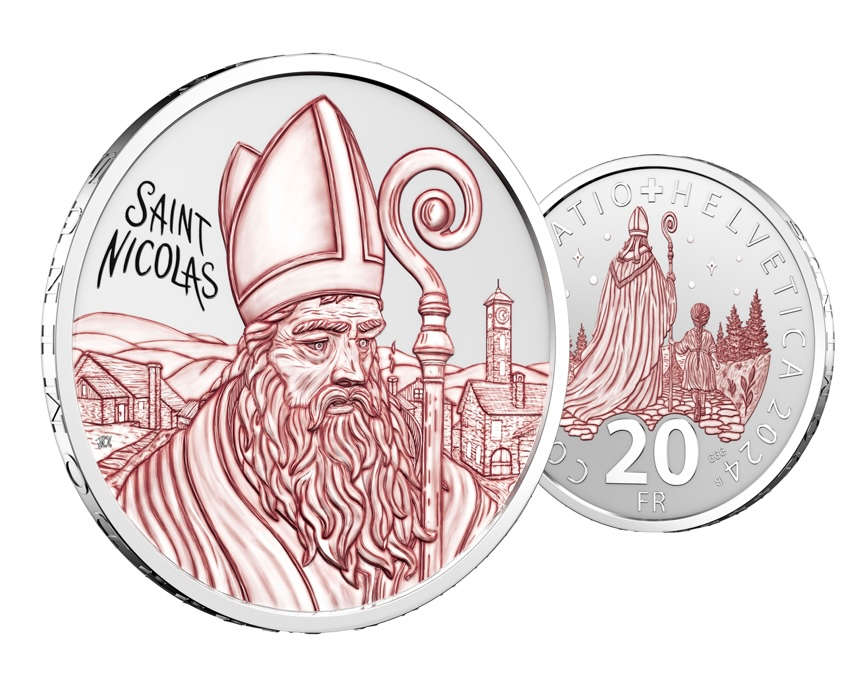
New Collector Coin by Swissmint: St. Nicholas
Christmas spirit at the Swissmint: on 27 November 2024, the latest swiss silver coin, St. Nicholas, was issued in honor of the traditional St. Nicholas processions on 6 December.
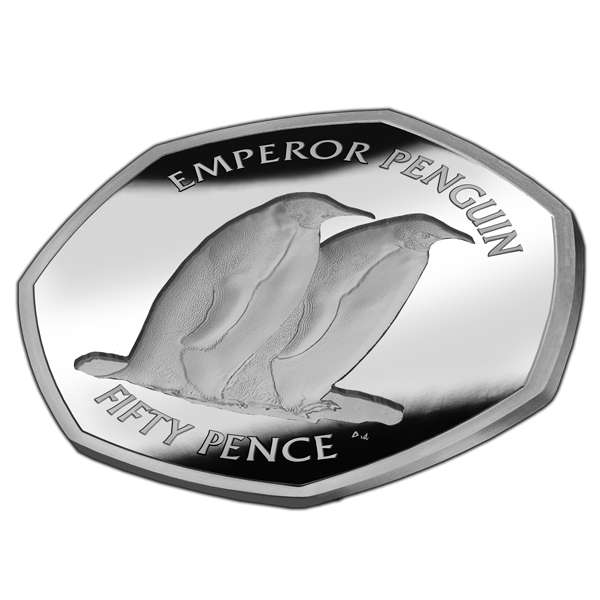
Pobjoy Mints the World’s First Inverted 50 Pence Coin
Pobjoy Mint celebrates World Penguin Day with the world’s first inverted 50 pence coin. It features two emperor penguins.
Archive: Coins, Medals and more
 https://new.coinsweekly.com/wp-content/uploads/2024/02/2024KW08HA_00.jpg
684
860
Ursula Kampmann
https://new.coinsweekly.com/wp-content/uploads/2023/01/logo-coinsweekly_590x204.png
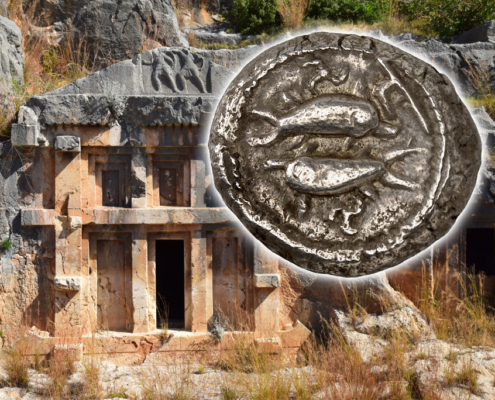
Ursula Kampmann2024-02-22 09:46:292024-02-22 10:15:42The History and Coinage of Lycia
https://new.coinsweekly.com/wp-content/uploads/2024/02/2024KW08HA_00.jpg
684
860
Ursula Kampmann
https://new.coinsweekly.com/wp-content/uploads/2023/01/logo-coinsweekly_590x204.png
Ursula Kampmann2024-02-22 09:46:292024-02-22 10:15:42The History and Coinage of Lycia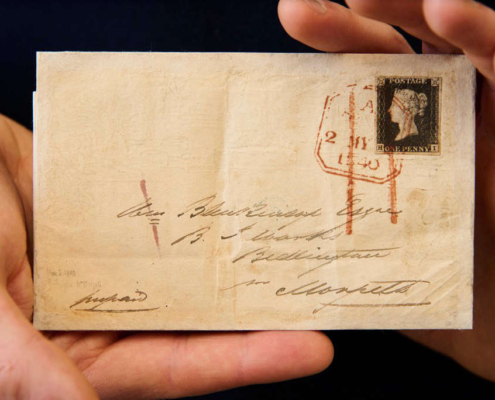 https://new.coinsweekly.com/wp-content/uploads/2024/01/2024KW05HA_00.jpg
684
860
Ursula Kampmann
https://new.coinsweekly.com/wp-content/uploads/2023/01/logo-coinsweekly_590x204.png
Ursula Kampmann2024-01-31 13:34:492024-01-31 13:34:49The First Piece of Mail Sent Using a Stamp to Be Offered at Sotheby’s
https://new.coinsweekly.com/wp-content/uploads/2024/01/2024KW05HA_00.jpg
684
860
Ursula Kampmann
https://new.coinsweekly.com/wp-content/uploads/2023/01/logo-coinsweekly_590x204.png
Ursula Kampmann2024-01-31 13:34:492024-01-31 13:34:49The First Piece of Mail Sent Using a Stamp to Be Offered at Sotheby’s
CIT’s Mt. Everest – First Ascent
70 years ago two mountaineers were the first men to reach the summit of Mount Everest. To commemorate this event, CIT has minted two silver coins with Ultra High Relief and further features.
Coinwatch – Watches With Coins For Enthusiasts
Coinwatch had a vision when it was founded in 1984: to combine coins and watches for those who love coins and wish to display them. The birth of watches with coins as dials.