







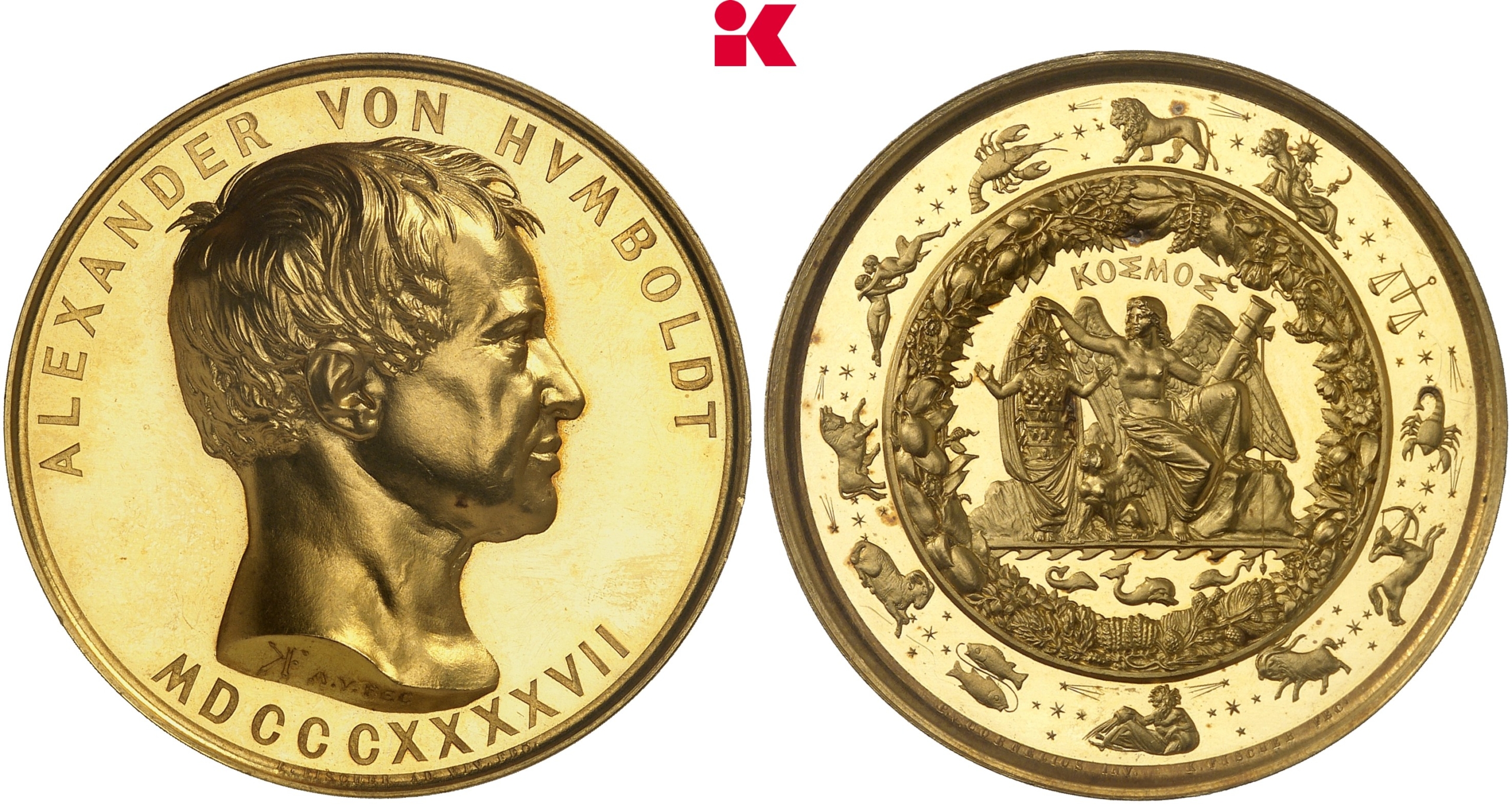
Gold medal in the weight of 50 ducats
commemorating the publication of the second volume
of Alexander von Humboldt’s *Kosmos*.
NGC MS 65 PL.
From the estate of Emperor William I.
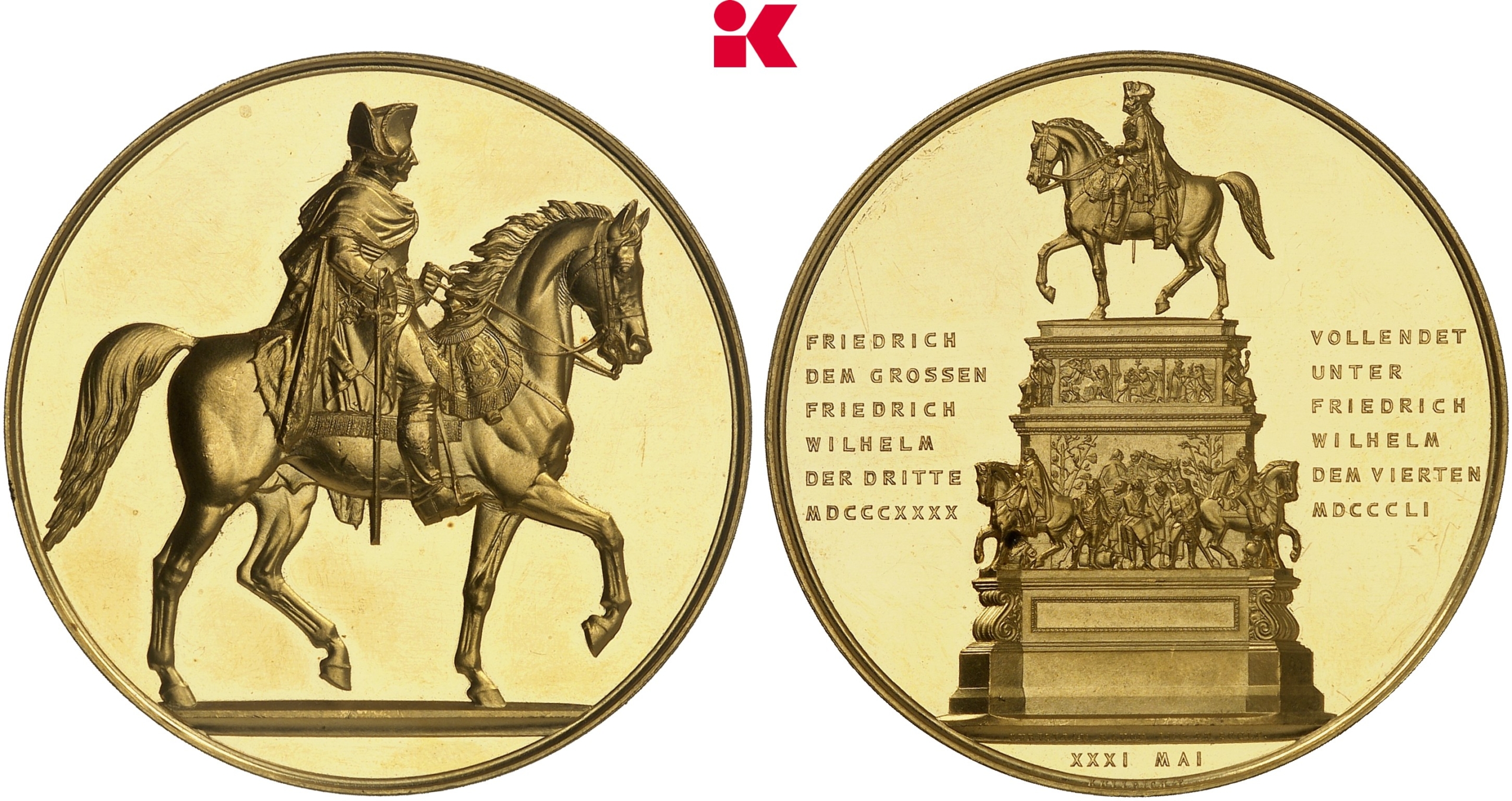
Gold medal in the weight of 50 ducats commemorating
the unveiling of the equestrian statue of
Frederick the Great on Unter den Linden in Berlin in 1851.
NGC MS 63 PL.
From the estate of Emperor William I.
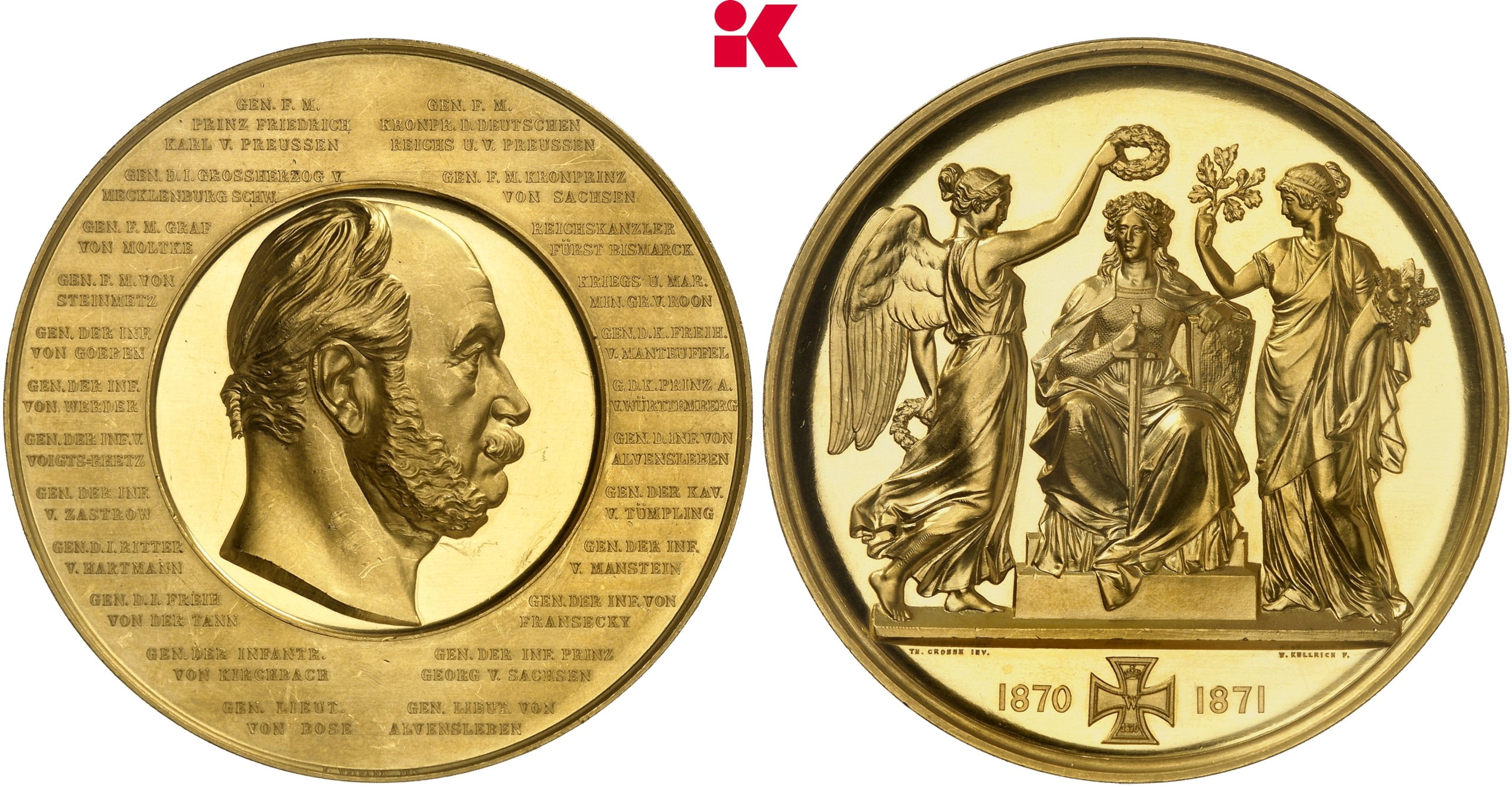
General’s Medal in the weight of 120 ducats, 1871,
commemorating the victory over France.
A magnificent specimen.
From the estate of Emperor William I.
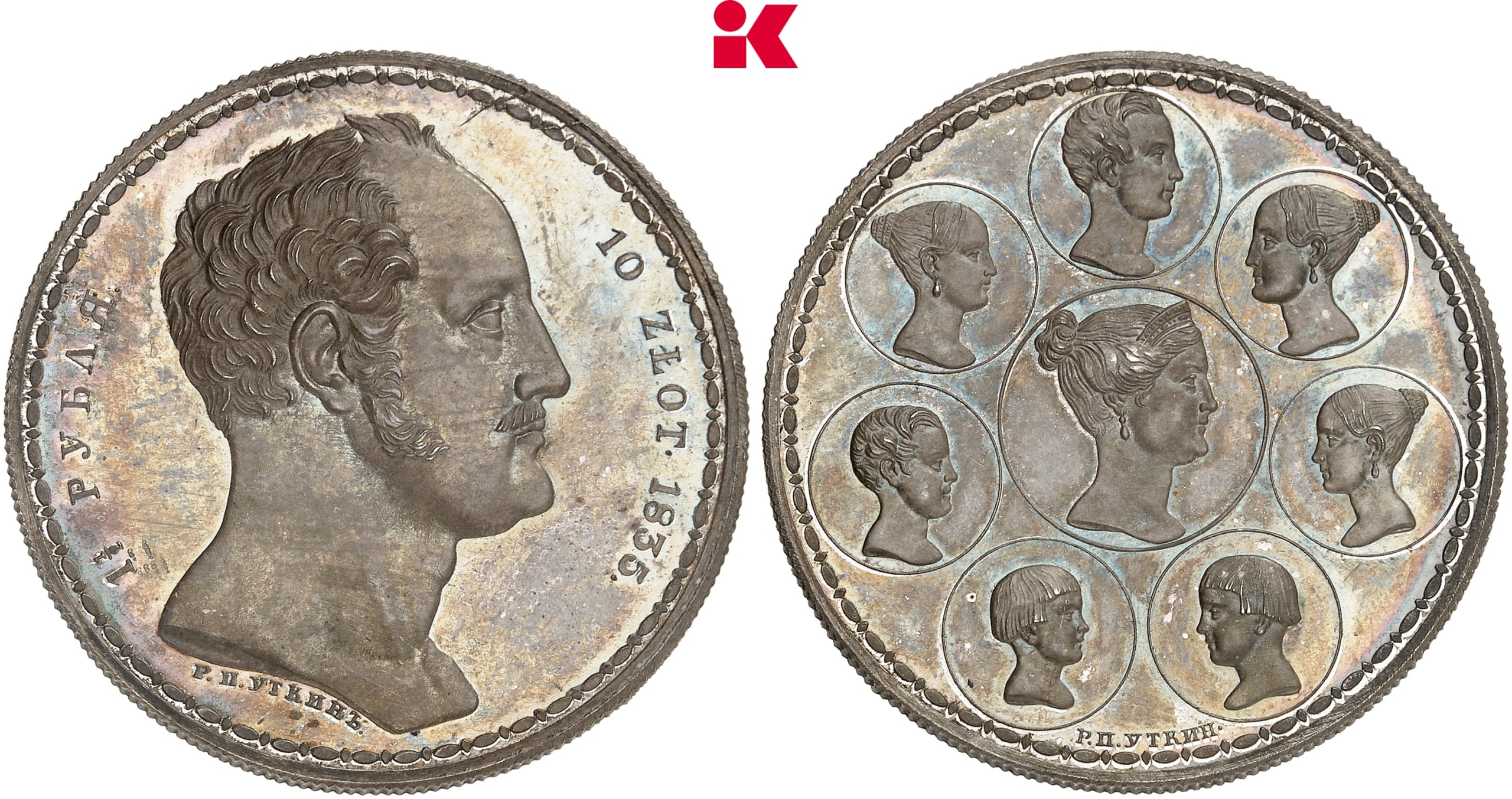
1 1/2 rubles (10 zlotys), 1835, St. Petersburg.
NGC MS 64 (Top Pop).
Only 36 examples struck.
A cabinet piece from polished dies.
From the estate of King Frederick William IV.
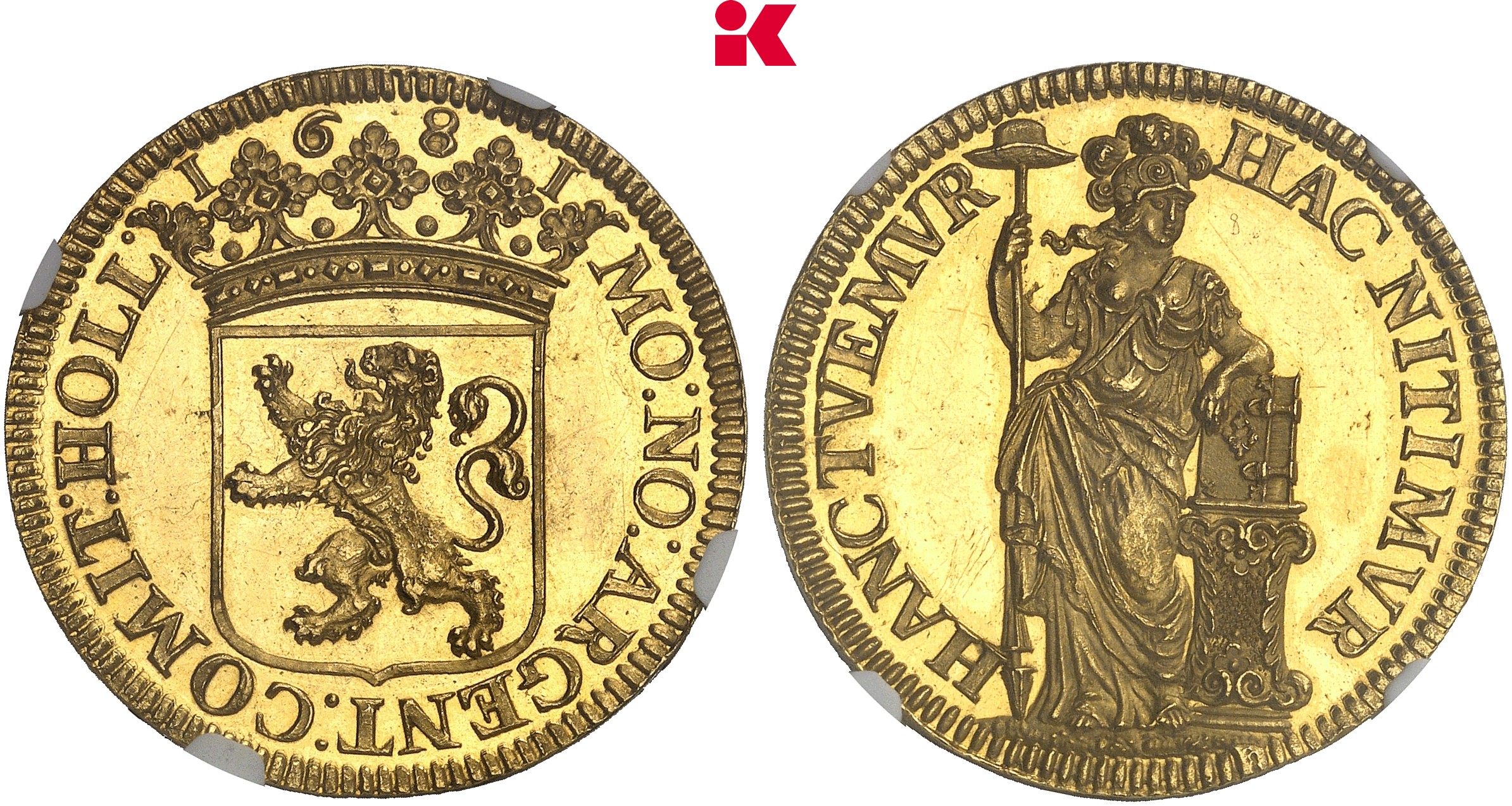
5 ducats, 1681.
Struck with the dies of a guilder.
NGC PF 64 Cameo.
Proof.
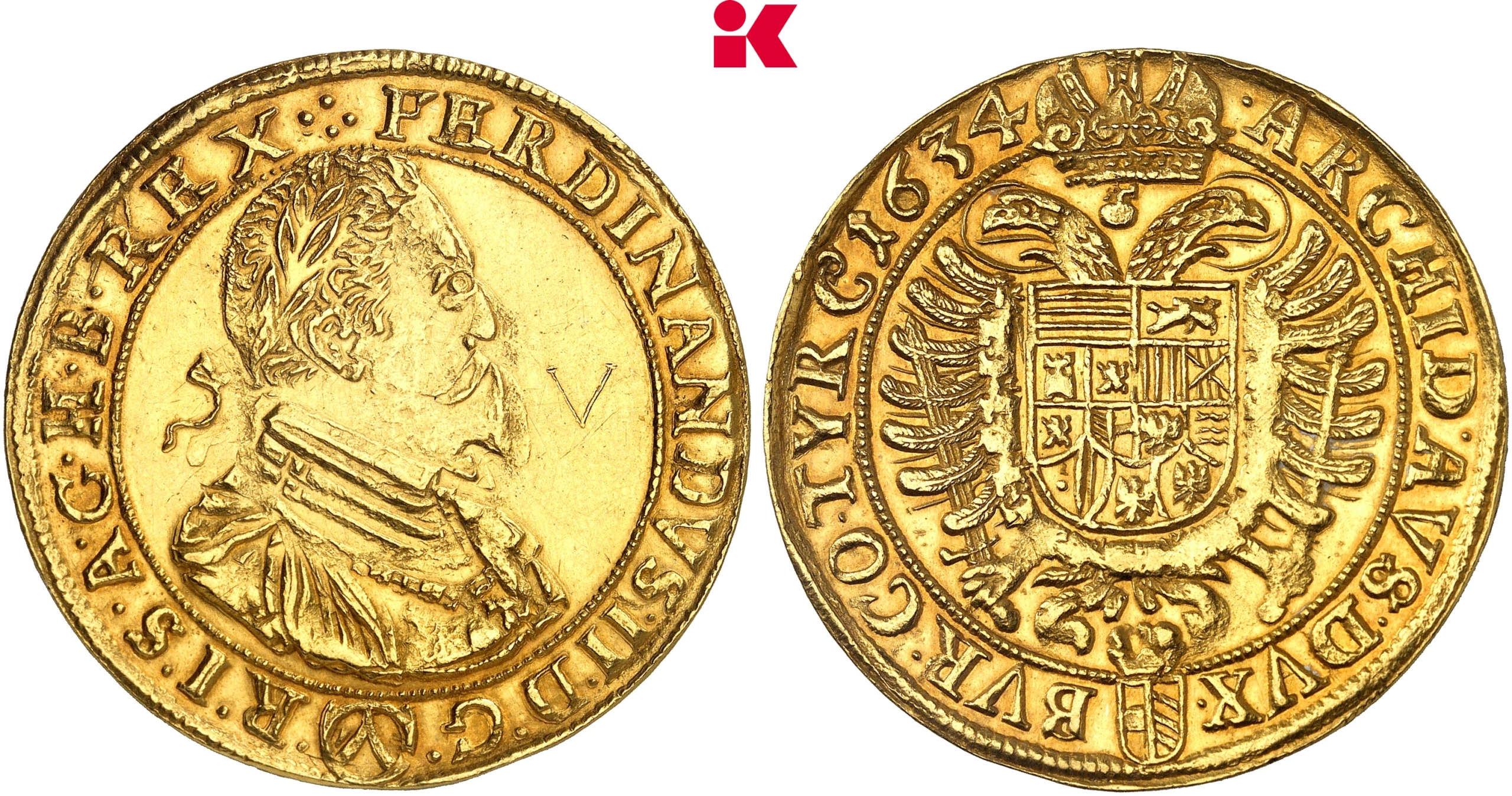
5 ducats, 1634, Vienna.
Extremely rare.
Extremely fine-uncirculated.
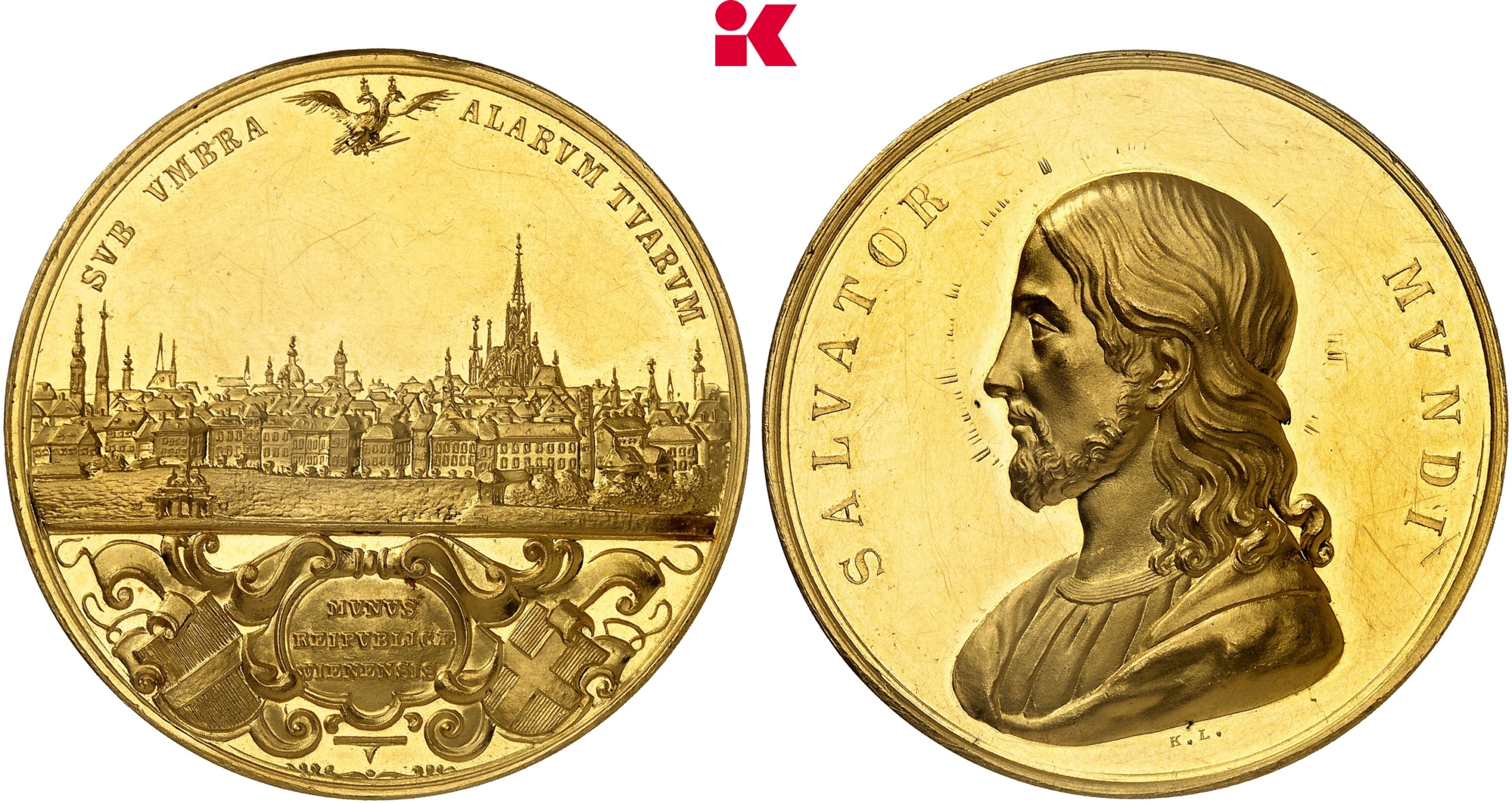
Salvator Medal in the weight of 12 ducats,
n. d.(around 1840).
NGC PF 61 CAMEO.
Proof.
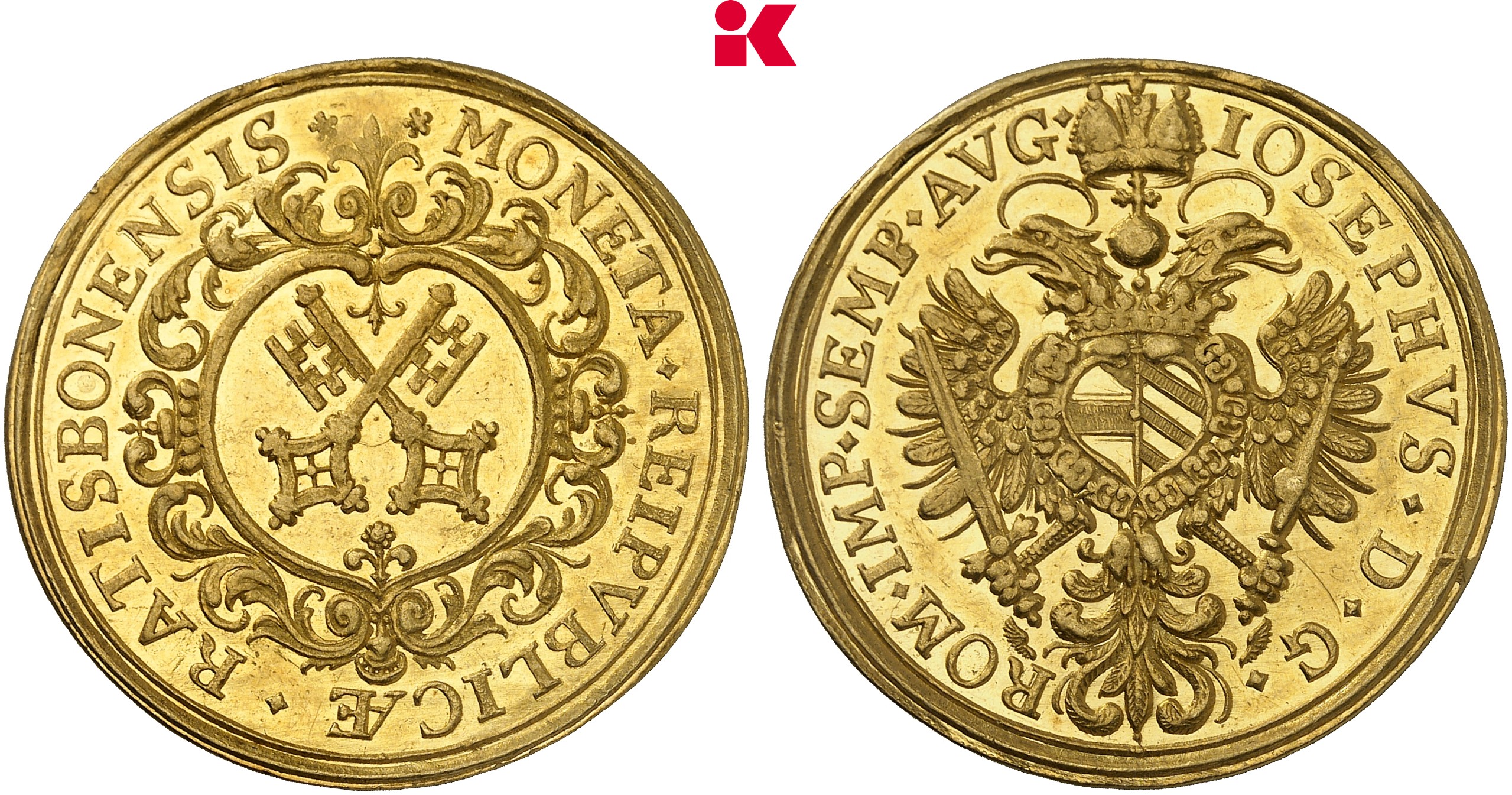
5 ducats, n. d. (1708–1710),
with the title of Joseph I. NGC MS 64.
Extremely rare. According to mint records,
only 7 copies struck.
A magnificent piece.
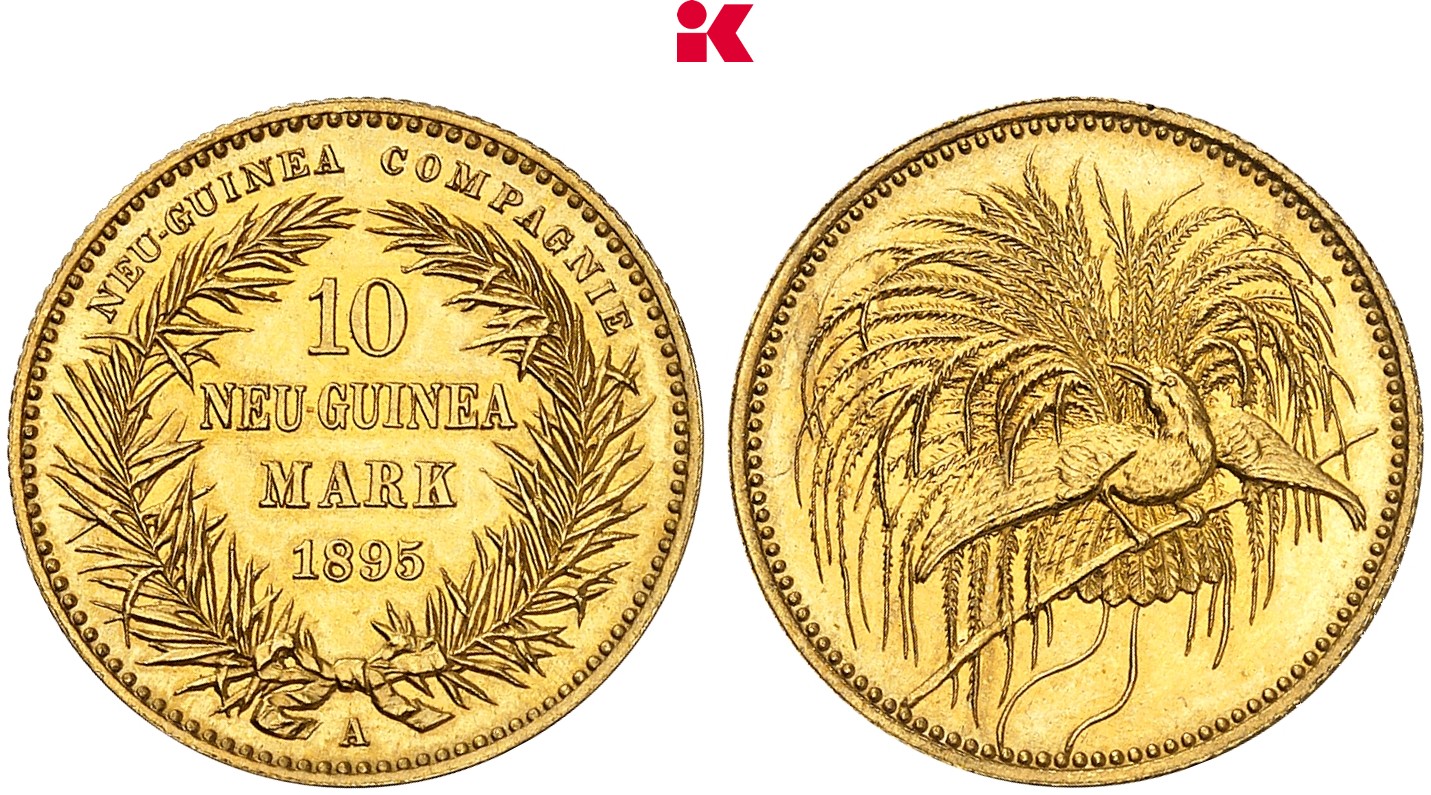
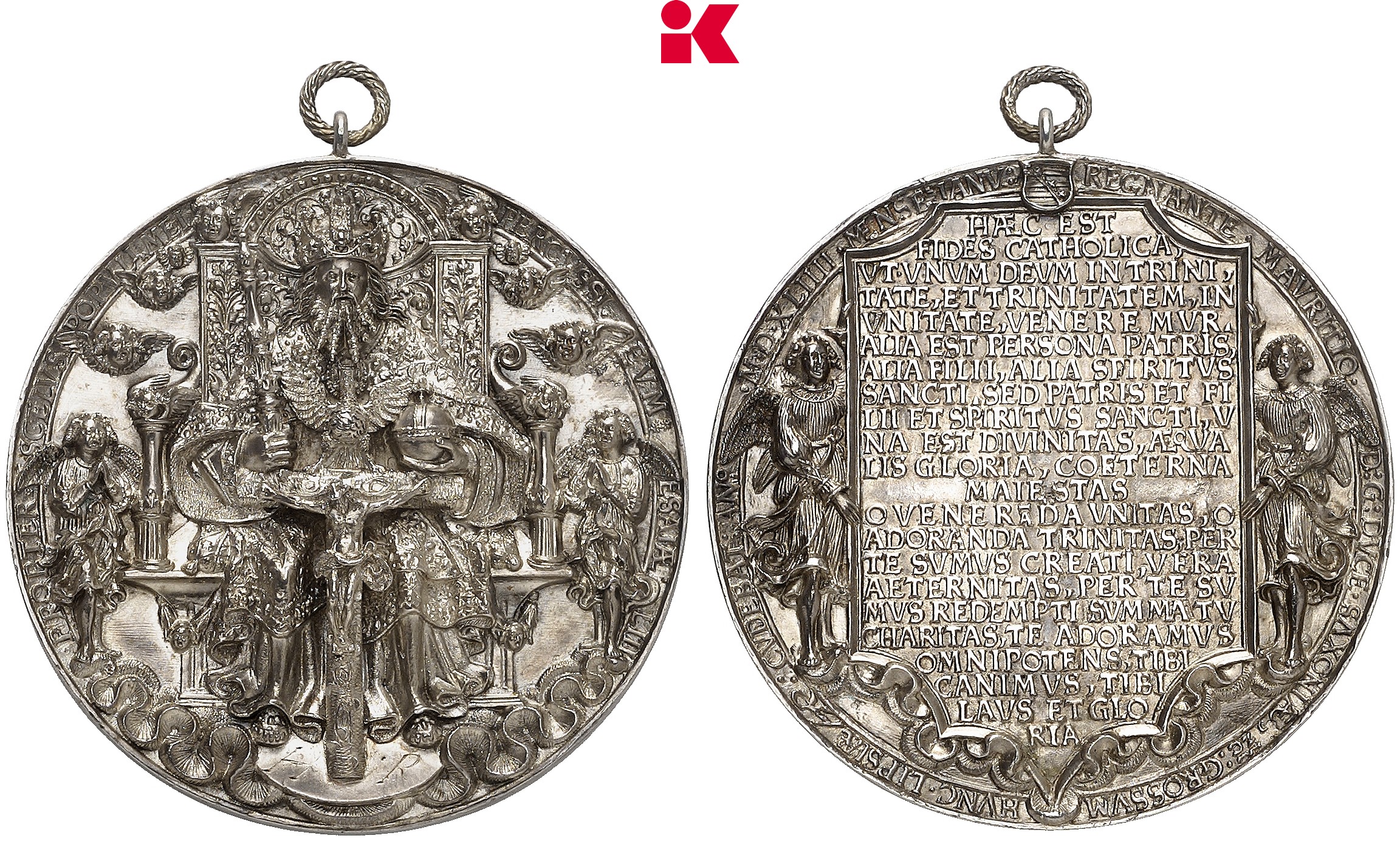
Archive: People and Markets
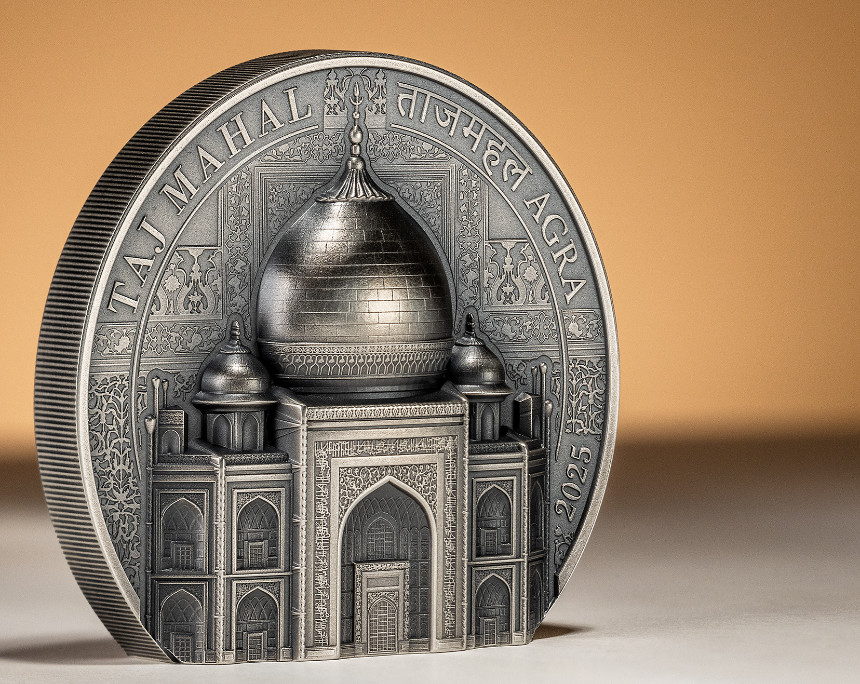
CIT’s Historical Monuments – Taj Mahal
The Taj Mahal is considered the most beautiful testimony to Islamic architecture in India and a symbol of love in stone. CIT chose this wonderful building as the subject of the 2025 issue in the Historical Monuments series.
Will the International Coin Market Be Affected by the New US Tariff Policy?
America’s tariff regime is dominating the headlines. Yesterday morning (CET), when Ursula Kampmann wrote this article, many countries were under the threat of high punitive tariffs. As of yesterday evening (CET), this is no longer the case. But it is still interesting to consider what would happen in the coin market if punitive tariffs were imposed.
Archive: Coins, Medals and more
 https://new.coinsweekly.com/wp-content/uploads/2023/06/2023KW24HA00.jpg
500
497
Bruno
https://new.coinsweekly.com/wp-content/uploads/2023/01/logo-coinsweekly_590x204.png
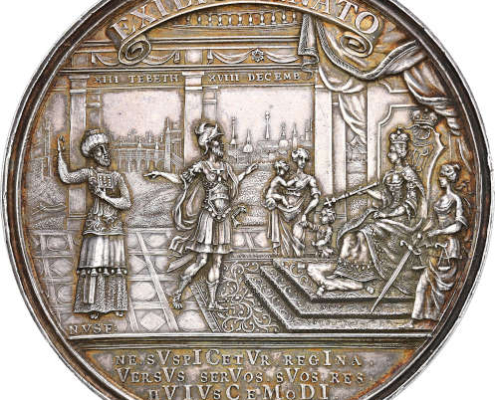
Bruno2023-06-14 09:53:382023-06-27 11:20:26Maria Theresa and Her Persecution of Jews
https://new.coinsweekly.com/wp-content/uploads/2023/06/2023KW24HA00.jpg
500
497
Bruno
https://new.coinsweekly.com/wp-content/uploads/2023/01/logo-coinsweekly_590x204.png
Bruno2023-06-14 09:53:382023-06-27 11:20:26Maria Theresa and Her Persecution of Jews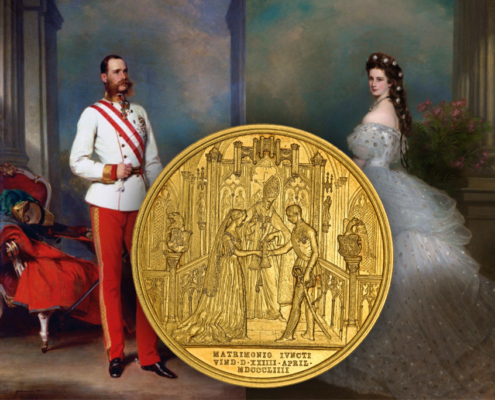 https://new.coinsweekly.com/wp-content/uploads/2024/10/2024KW41HA2_00.jpg
684
860
Bruno
https://new.coinsweekly.com/wp-content/uploads/2023/01/logo-coinsweekly_590x204.png
Bruno2024-10-10 12:00:002024-10-10 13:51:28Sisi and Franz: Commemorating the Dream Wedding that Was Actually a Nightmare
https://new.coinsweekly.com/wp-content/uploads/2024/10/2024KW41HA2_00.jpg
684
860
Bruno
https://new.coinsweekly.com/wp-content/uploads/2023/01/logo-coinsweekly_590x204.png
Bruno2024-10-10 12:00:002024-10-10 13:51:28Sisi and Franz: Commemorating the Dream Wedding that Was Actually a Nightmare
The Nasser D. Khalili Collection of Islamic Coins: Now Available Online
The Khalili Collections are in the process of digitizing the Nasser D. Khalili Collection of Islamic coins, one of the largest private collections in this field. Over the next two years, around 13,000 coins will be made available on the official website, which already features 2,280 coins.
Call for Paper: Explain How Money Helped Building National Identity
How have coinage or paper currency been used to create or modify national identity in history? That is the topic of the Sundman Lecture Symposium at the 2023 ANA’s World’s Fair of Money. Any ideas? Submit your summary!