






Archive: People and Markets

2022 Huntington Medal Award Goes to Wolfgang Fischer-Bossert
Dr. Wolfgang Fischer-Bossert is the recipient for the 2022 Huntington Medal in recognition of his outstanding contributions to numismatic scholarship.
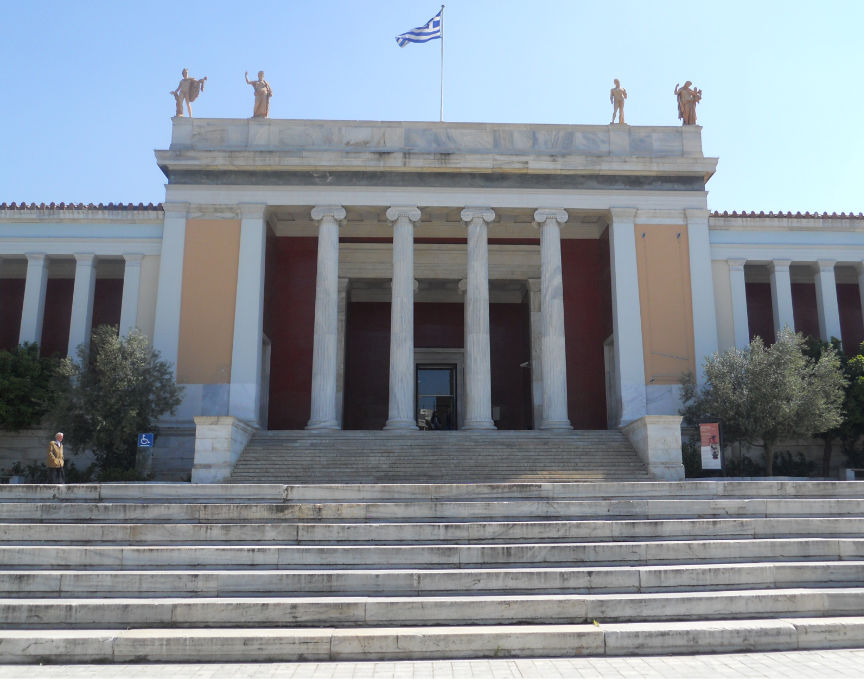
Greek Museums Between Commercialisation and Modernisation
Five of Greece’s most important museums are to become more autonomous and operate independently of state funding. A bill of the Greek government to this effect has been hotly debated and led to strikes.
Archive: Coins, Medals and more
 https://new.coinsweekly.com/wp-content/uploads/2023/10/2023KW43HA_00.jpg
684
860
Ursula Kampmann
https://new.coinsweekly.com/wp-content/uploads/2023/01/logo-coinsweekly_590x204.png
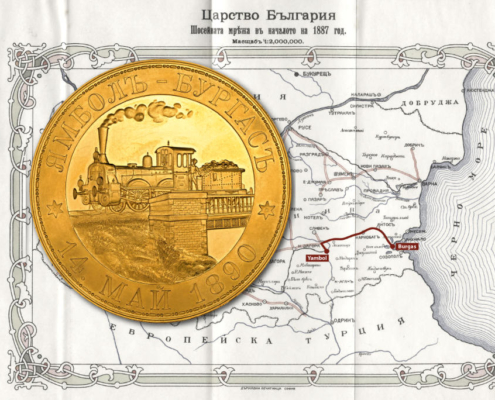
Ursula Kampmann2023-10-26 09:05:112023-10-26 11:52:11Bulgaria, Prince Ferdinand I and the Railroad
https://new.coinsweekly.com/wp-content/uploads/2023/10/2023KW43HA_00.jpg
684
860
Ursula Kampmann
https://new.coinsweekly.com/wp-content/uploads/2023/01/logo-coinsweekly_590x204.png
Ursula Kampmann2023-10-26 09:05:112023-10-26 11:52:11Bulgaria, Prince Ferdinand I and the Railroad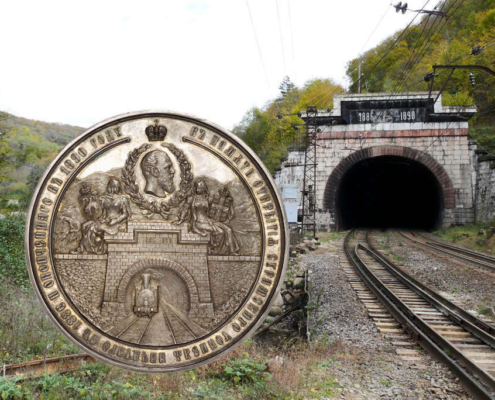 https://new.coinsweekly.com/wp-content/uploads/2024/06/2024KW23HA_00.jpg
684
860
Ursula Kampmann
https://new.coinsweekly.com/wp-content/uploads/2023/01/logo-coinsweekly_590x204.png
Ursula Kampmann2024-06-06 10:42:582024-06-06 12:38:59For Railroad Fans: The Suram Tunnel
https://new.coinsweekly.com/wp-content/uploads/2024/06/2024KW23HA_00.jpg
684
860
Ursula Kampmann
https://new.coinsweekly.com/wp-content/uploads/2023/01/logo-coinsweekly_590x204.png
Ursula Kampmann2024-06-06 10:42:582024-06-06 12:38:59For Railroad Fans: The Suram Tunnel
France is the Guest of Honor at the World Money Fair 2024
In 2024, the World Money Fair will feature a country as guest of honor again: The Monnaie de Paris represents France at the world’s largest coin fair, taking place from February 2 to 4 at the Estrel Congress Center in Berlin.
2022 Biggest Year for Treasure Finds in the UK
Earlier this year, the British Museum launched the latest Portable Antiquities Scheme (PAS) Annual Report. This showed that in 2022, over 50,000 archaeological finds were recorded, including 1,378 Treasure cases – the highest ever reported in a single year. See some of the highlights here.