










Archive: People and Markets

Access to Cash Becoming More Difficult: Bundesbank Sees Growing Challenges
Despite declining numbers of ATMs and bank branches, the Bundesbank currently still considers access to cash in Germany to be secure. However, in its March 2025 monthly report, it warns of clear downward trends.
RPC Volumes V.2 and V.3 Now Available Online
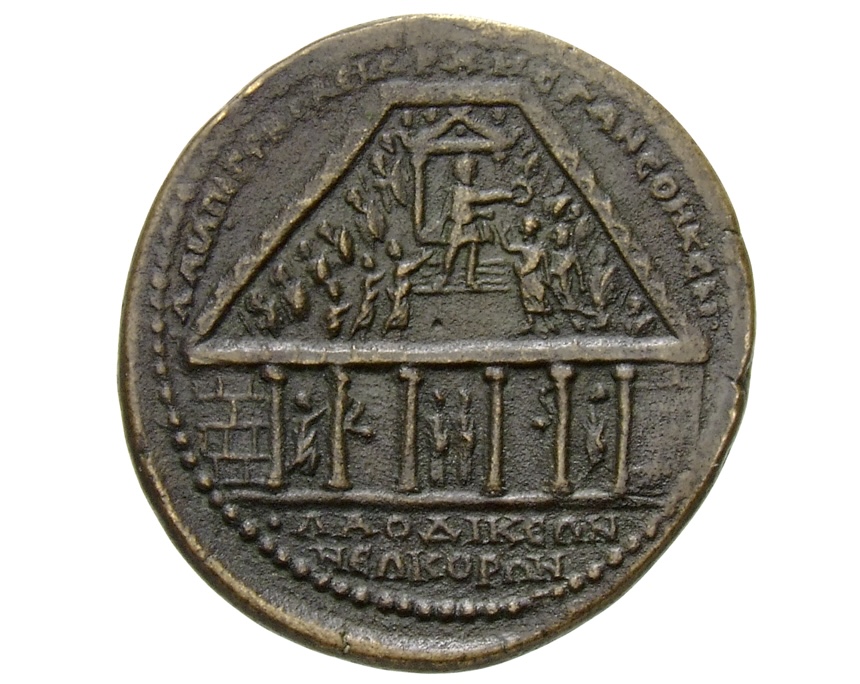
The Roman Provincial Coinage project now published RPC volume V.2 and V.3 online. They cover all Roman provincial coinage issues from Pertinax to the death of Macrinus (AD 193-218) in all the Eastern provinces of the Roman Empire. This includes 11,000 type descriptions and over 45,000 coins from 317 cities!
Archive: Coins, Medals and more
 https://new.coinsweekly.com/wp-content/uploads/2024/11/2024KW48HA_00.jpg
684
860
Lucie Loechel
https://new.coinsweekly.com/wp-content/uploads/2023/01/logo-coinsweekly_590x204.png
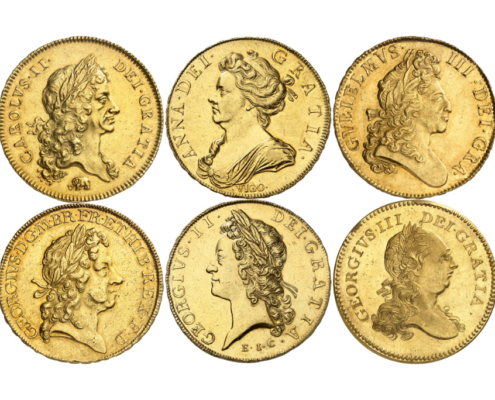
Lucie Loechel2024-11-28 11:11:542024-11-28 11:42:25Royal Gold: England’s Five Guineas and the English Gold Currency
https://new.coinsweekly.com/wp-content/uploads/2024/11/2024KW48HA_00.jpg
684
860
Lucie Loechel
https://new.coinsweekly.com/wp-content/uploads/2023/01/logo-coinsweekly_590x204.png
Lucie Loechel2024-11-28 11:11:542024-11-28 11:42:25Royal Gold: England’s Five Guineas and the English Gold Currency https://new.coinsweekly.com/wp-content/uploads/2025/06/00-5.jpg
684
860
Lucie Loechel
https://new.coinsweekly.com/wp-content/uploads/2023/01/logo-coinsweekly_590x204.png
Lucie Loechel2025-06-05 08:00:262025-06-05 08:29:19Farewell to the Penny: (No) Impact on Numismatics?
https://new.coinsweekly.com/wp-content/uploads/2025/06/00-5.jpg
684
860
Lucie Loechel
https://new.coinsweekly.com/wp-content/uploads/2023/01/logo-coinsweekly_590x204.png
Lucie Loechel2025-06-05 08:00:262025-06-05 08:29:19Farewell to the Penny: (No) Impact on Numismatics?
Certified Collectibles Group to Acquire James Spence Authentication
Certified Collectibles Group acquires the leading autograph authentication firm James Spence Authentication.
200 Years of the Bohemian Savings Bank: A Piece of Monetary History in Coin Form
In 2025, the Czech National Bank will issue a silver commemorative coin with a nominal value of 200 koruna. The coin marks the founding of the Bohemian Savings Bank.