






Archive: People and Markets
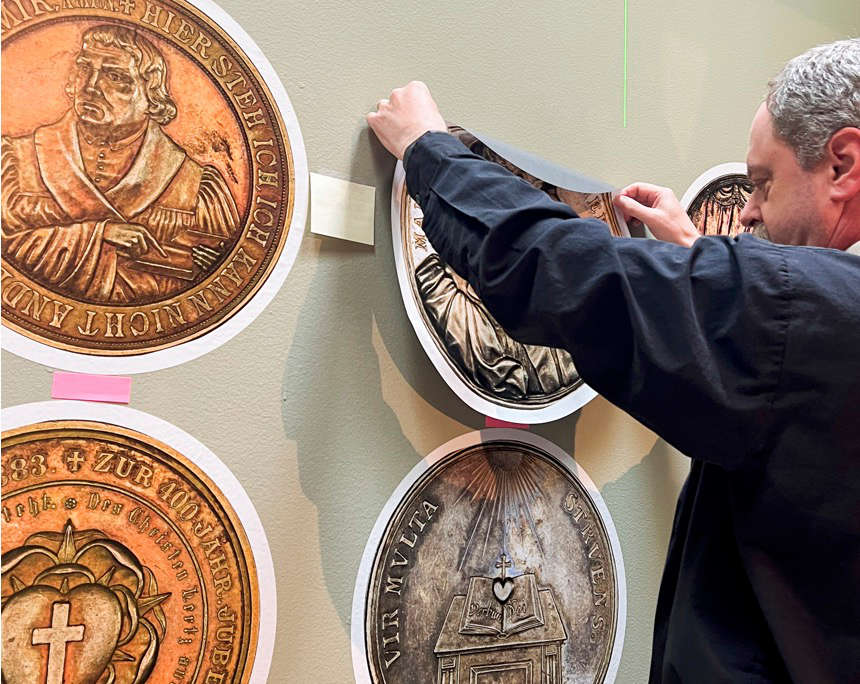
Luther Medals and Reformation Coins – Exhibition in Saint Louis
A new exhibition in Saint Louis explores the topic of coins and medals of the Reformation. It presents over 125 of the most valuable and historically significant pieces from the collections of three important Michigan collectors.
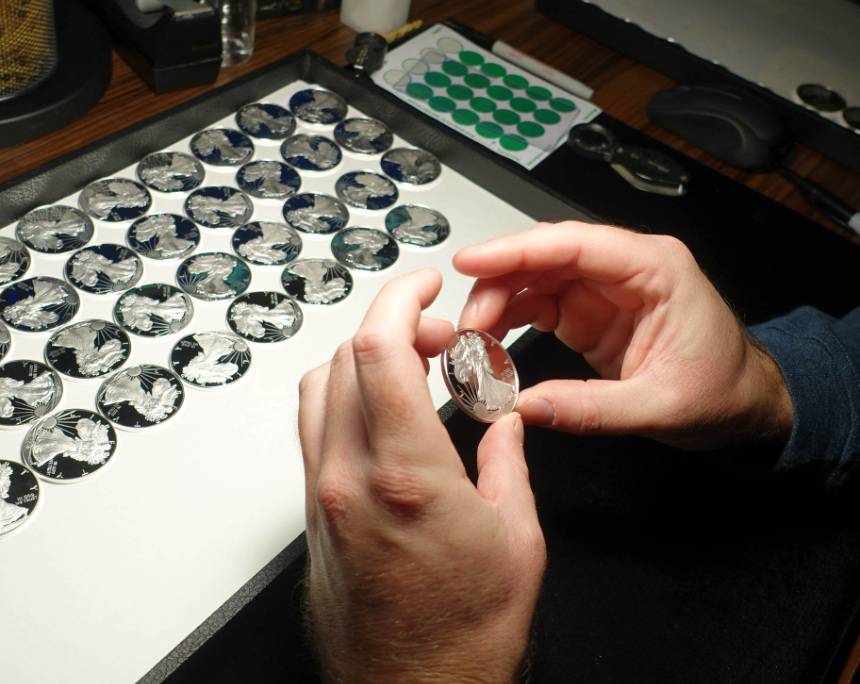
From a Collector’s Market to an Investor’s Market: Reasons, Consequences, Opportunities, Part 2
Today we continue Ursula Kampmann’s analysis of the change from collector to investor market with the second part. Find out how the market for American coins became a perfect investor’s market.
Archive: Coins, Medals and more
 https://new.coinsweekly.com/wp-content/uploads/2024/05/2024KW19HA_00.jpg
684
860
Ursula Kampmann
https://new.coinsweekly.com/wp-content/uploads/2023/01/logo-coinsweekly_590x204.png
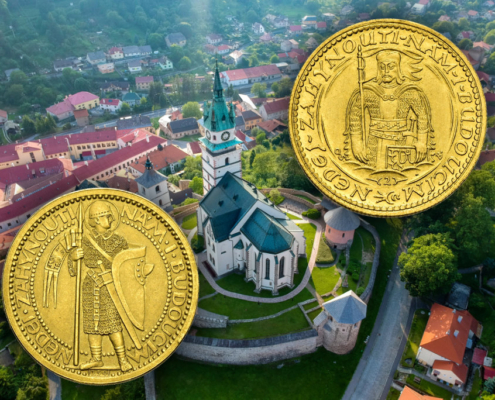
Ursula Kampmann2024-05-08 08:46:252024-05-08 08:46:25The First Years of Czechoslovak Coinage
https://new.coinsweekly.com/wp-content/uploads/2024/05/2024KW19HA_00.jpg
684
860
Ursula Kampmann
https://new.coinsweekly.com/wp-content/uploads/2023/01/logo-coinsweekly_590x204.png
Ursula Kampmann2024-05-08 08:46:252024-05-08 08:46:25The First Years of Czechoslovak Coinage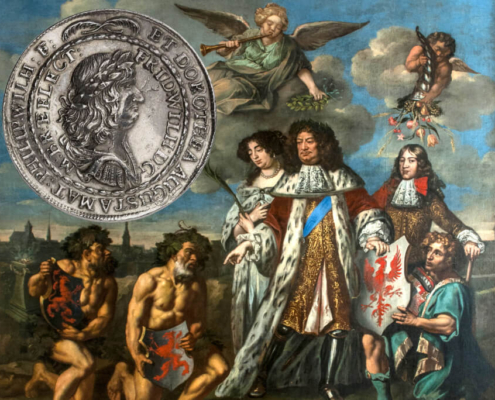 https://new.coinsweekly.com/wp-content/uploads/2023/12/2023KW51HA_00.jpg
684
860
Ursula Kampmann
https://new.coinsweekly.com/wp-content/uploads/2023/01/logo-coinsweekly_590x204.png
Ursula Kampmann2023-12-21 09:39:422023-12-21 09:51:29The Great Elector, Taxes and the Rise of Prussia
https://new.coinsweekly.com/wp-content/uploads/2023/12/2023KW51HA_00.jpg
684
860
Ursula Kampmann
https://new.coinsweekly.com/wp-content/uploads/2023/01/logo-coinsweekly_590x204.png
Ursula Kampmann2023-12-21 09:39:422023-12-21 09:51:29The Great Elector, Taxes and the Rise of Prussia
“Alexandria in Nummis”– Impressions from the Symposium in Lugano
On 20 and 21 September, the Circolo Numismatico Ticinese (CNT) held an international symposium in Lugano dedicated to the Roman Imperial Coinage of Alexandria. Fabrizio Rossini, CNT president, shares his impressions of the event.
Pobjoy’s 50 Pence Moon Coin
Pobjoy Mint has issued a 50 pence coin featuring the surface of the moon. The coin is available in two versions and comes with special permission granted by NASA.