







Archive: People and Markets
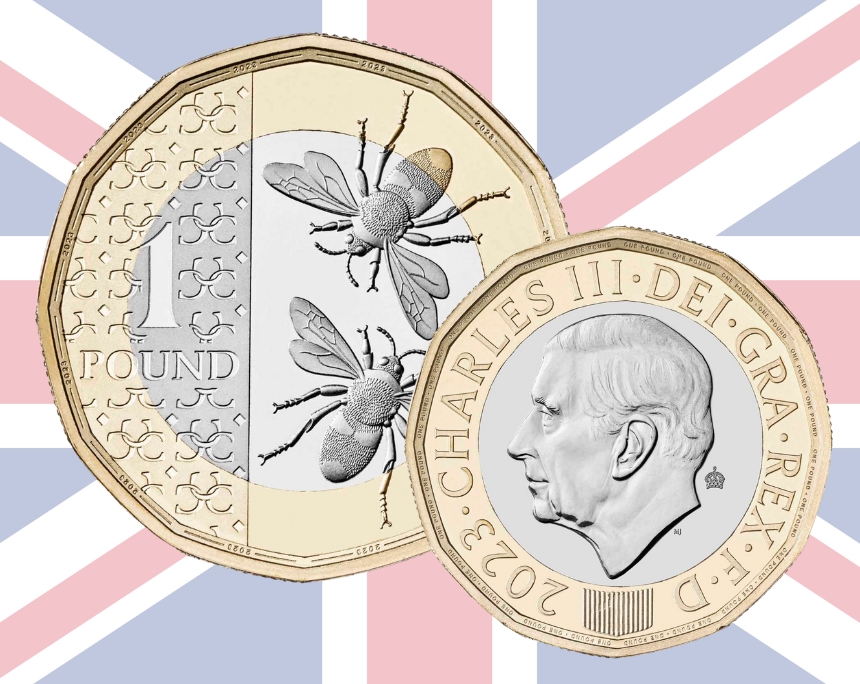
A King in Your Wallet: Pound Coins Featuring Charles III Enter Circulation
Almost two years after the death of Queen Elizabeth II, her successor, King Charles III, is gradually arriving in the wallets of the British – and new faces will also be appearing in change in Denmark and Luxembourg.
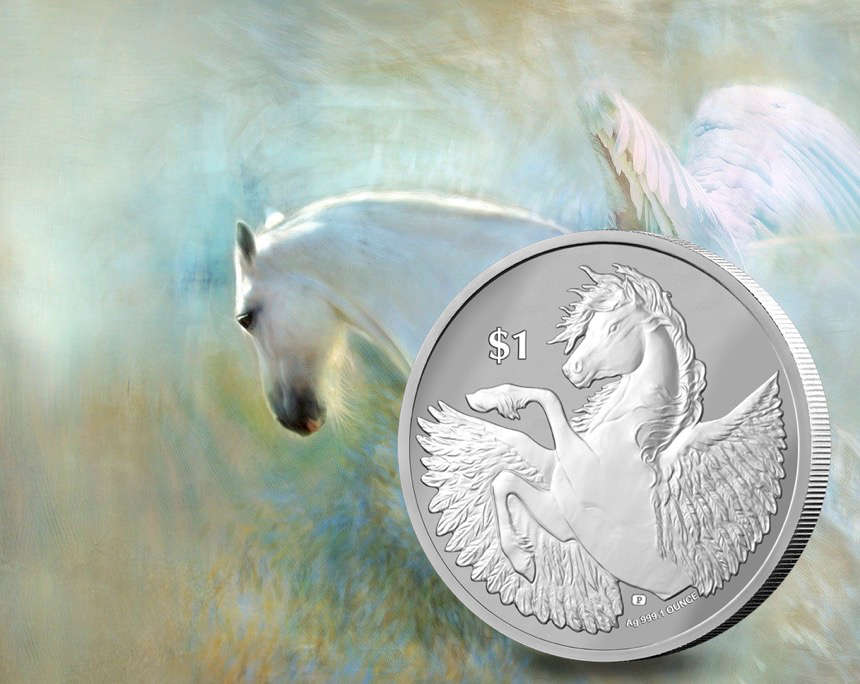
Pobjoy’s Pegasus is Back With Charles III
The celebrated motif of Pegasus reappears in its 6th edition for Pobjoy’s reverse frosted silver coin. The new edition carries an effigy of His Majesty King Charles III produced exclusively by Pobjoy Mint.
Archive: Coins, Medals and more
 https://new.coinsweekly.com/wp-content/uploads/2024/10/2024KW42HA1_00.jpg
684
860
Lucie Loechel
https://new.coinsweekly.com/wp-content/uploads/2023/01/logo-coinsweekly_590x204.png
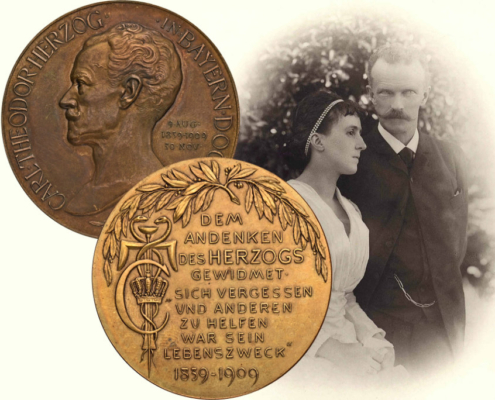
Lucie Loechel2024-10-17 10:51:292024-10-17 15:10:28Carl Theodor in Bavaria: The Old Nobility Takes Up a New Role
https://new.coinsweekly.com/wp-content/uploads/2024/10/2024KW42HA1_00.jpg
684
860
Lucie Loechel
https://new.coinsweekly.com/wp-content/uploads/2023/01/logo-coinsweekly_590x204.png
Lucie Loechel2024-10-17 10:51:292024-10-17 15:10:28Carl Theodor in Bavaria: The Old Nobility Takes Up a New Role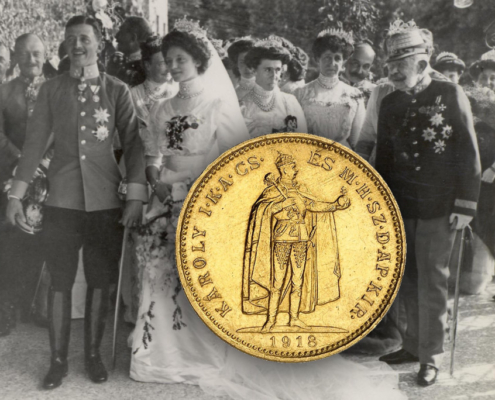 https://new.coinsweekly.com/wp-content/uploads/2024/05/2024KW20HA_00.jpg
684
860
Ursula Kampmann
https://new.coinsweekly.com/wp-content/uploads/2023/01/logo-coinsweekly_590x204.png
Ursula Kampmann2024-05-16 10:22:052024-05-16 10:35:23Charles I of Austria-Hungary: A Hapless Emperor Who Was Beatified
https://new.coinsweekly.com/wp-content/uploads/2024/05/2024KW20HA_00.jpg
684
860
Ursula Kampmann
https://new.coinsweekly.com/wp-content/uploads/2023/01/logo-coinsweekly_590x204.png
Ursula Kampmann2024-05-16 10:22:052024-05-16 10:35:23Charles I of Austria-Hungary: A Hapless Emperor Who Was Beatified
ANA’s Summer Seminar Program 2023
In June 2023, the ANA’s Summer Seminar will offer 33 classes on many numismatic topics that can be of interest to collectors. You can still register, read on!
“Luxury and Power: Persia to Greece” at the British Museum
Over centuries the Persian empire and the Greeks had many conflicts. But nevertheless they influenced each other in many ways, as coins and works of art document. A major exhibition at the British Museum explores the relationship between luxury and power in this time.