







Archive: People and Markets

The FBI Warns: Fraudsters Have Their Sights Set on Coin Collectors
The FBI has published a new warning that scammers are trying to trick older people in particular out of their coins. Find out which scams are common and how you can protect yourself against them.
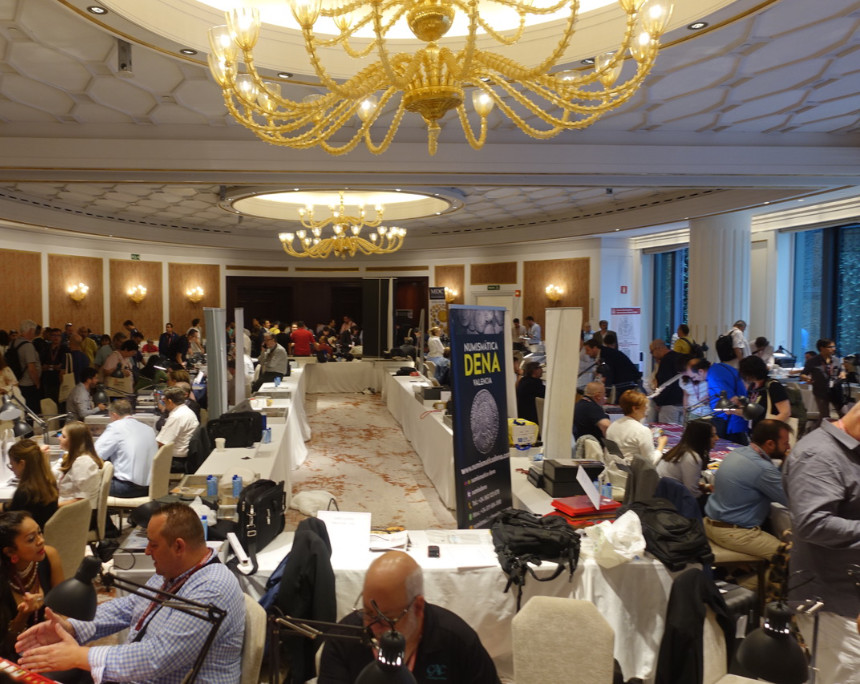
A Celebration of Spanish Numismatics
On 28 and 29 June 2024, the first Evento Numismático Internacional was held in Madrid. Dealers and collectors had high expectations – and the event exceeded them. The atmosphere in Madrid was one of exceptional excitement.
Archive: Coins, Medals and more
 https://new.coinsweekly.com/wp-content/uploads/2023/07/2023KW30HA_00.jpg
684
860
Ursula Kampmann
https://new.coinsweekly.com/wp-content/uploads/2023/01/logo-coinsweekly_590x204.png
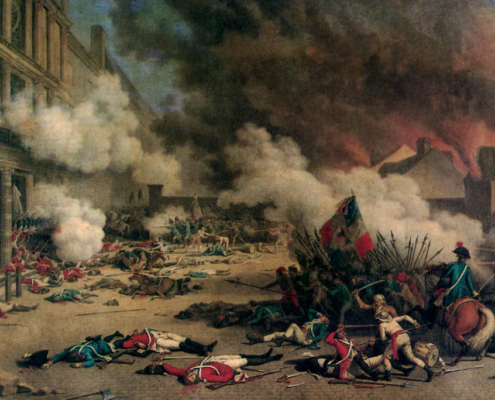
Ursula Kampmann2023-07-27 09:11:342023-07-27 09:11:34French History in Coins – Part 1: Kings, Consuls and Emperors
https://new.coinsweekly.com/wp-content/uploads/2023/07/2023KW30HA_00.jpg
684
860
Ursula Kampmann
https://new.coinsweekly.com/wp-content/uploads/2023/01/logo-coinsweekly_590x204.png
Ursula Kampmann2023-07-27 09:11:342023-07-27 09:11:34French History in Coins – Part 1: Kings, Consuls and Emperors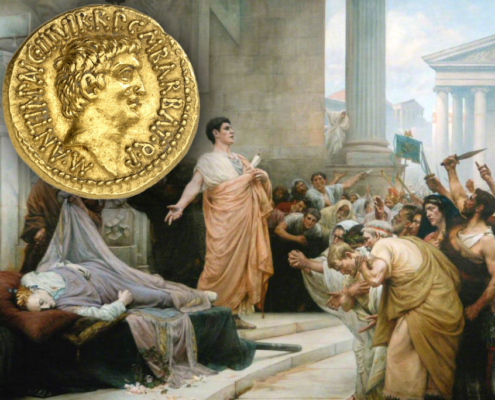 https://new.coinsweekly.com/wp-content/uploads/2025/02/2025KW07HA01_00.jpg
684
860
Lucie Loechel
https://new.coinsweekly.com/wp-content/uploads/2023/01/logo-coinsweekly_590x204.png
Lucie Loechel2025-02-13 09:44:362025-02-13 10:00:07Marcus Antonius: The Loser Who Did Not Write History
https://new.coinsweekly.com/wp-content/uploads/2025/02/2025KW07HA01_00.jpg
684
860
Lucie Loechel
https://new.coinsweekly.com/wp-content/uploads/2023/01/logo-coinsweekly_590x204.png
Lucie Loechel2025-02-13 09:44:362025-02-13 10:00:07Marcus Antonius: The Loser Who Did Not Write History
Conference on Ancient Coin Legends in Munich 2025
The conference “Ancient coin legends: composition, design, lexicography, and framing potential” will take place from 26 to 28 June 2025 in Munich, Residenz (Bavarian Academy of Science).
Pop Culture & Coins Unite! The National Coin Week 2025
What do Homer Simpson, the Olympic games, Elvis Presley, and Superman have in common? They’ve all been featured, or will soon be featured, on coins. This year’s annual National Coin Week, April 20-26, 2025, explores the fascinating ways pop culture influences money.