







Archive: People and Markets
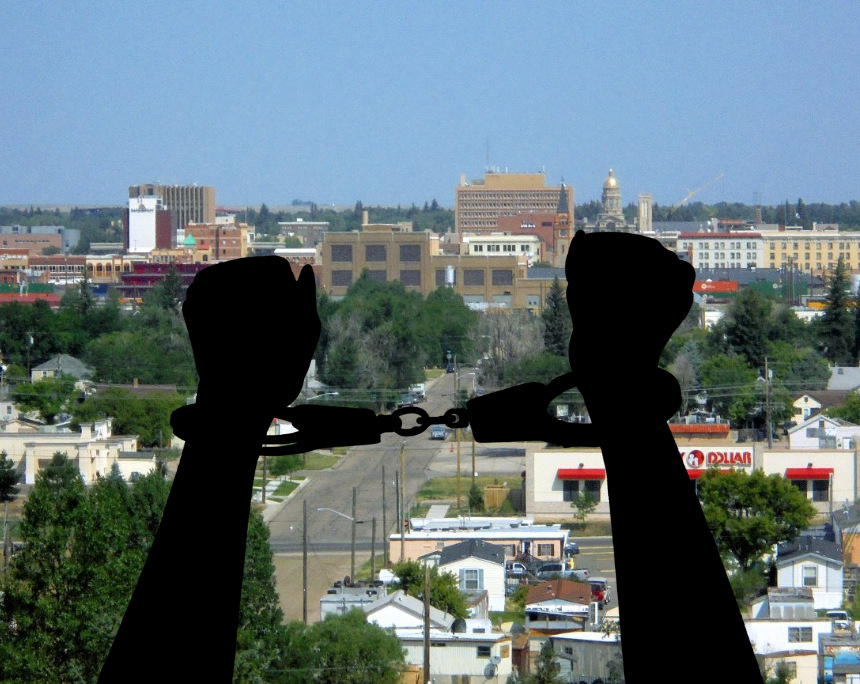
Suspect Arrested for Double Homicide at Coin Shop Nine Years After the Crime
The double murder of a coin shop owner and a second victim in Cheyenne, Wyoming, lay unsolved for almost a decade. Now a suspect is on trial – the very man who had called the police to the crime scene.
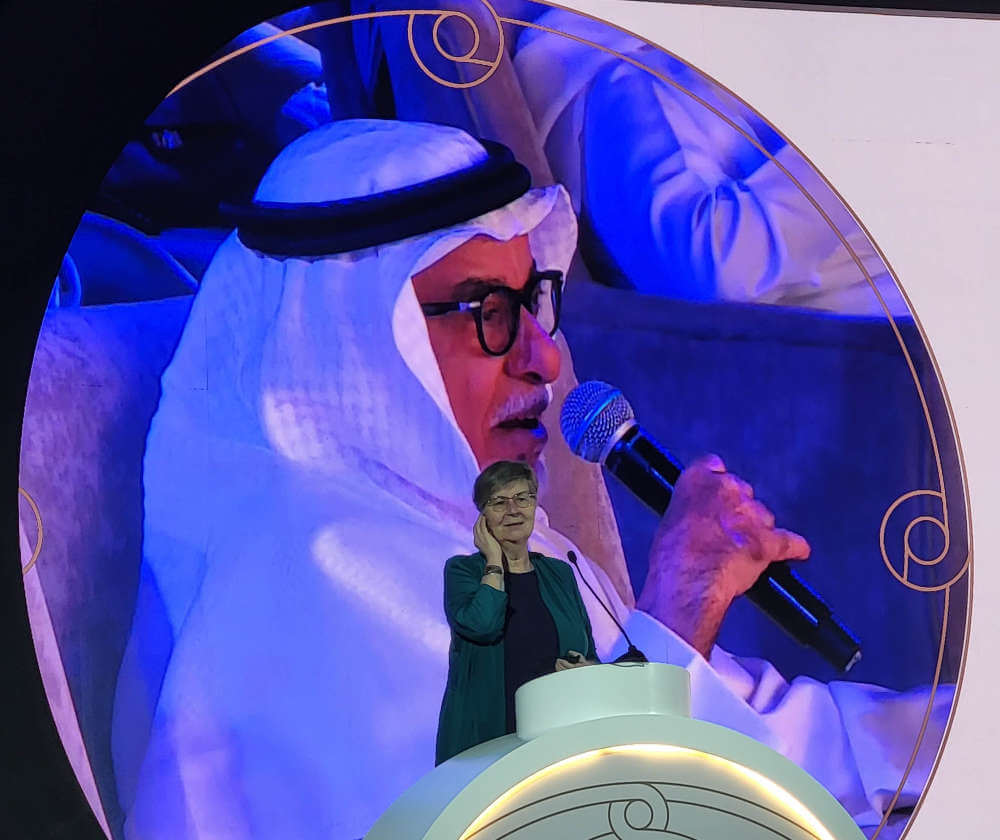
International Conference on Islamic Numismatics
From 18 to 20 May 2023, the ICIN – the International Conference on Islamic Numismatics – took place in Riyadh, Saudi-Arabia. A complete success! Never before have so many specialists on Islamic numismatics gathered in one place. Ursula Kampmann was there.
Archive: Coins, Medals and more
 https://new.coinsweekly.com/wp-content/uploads/2024/06/2024KW26HA_00.jpg
684
860
Ursula Kampmann
https://new.coinsweekly.com/wp-content/uploads/2023/01/logo-coinsweekly_590x204.png
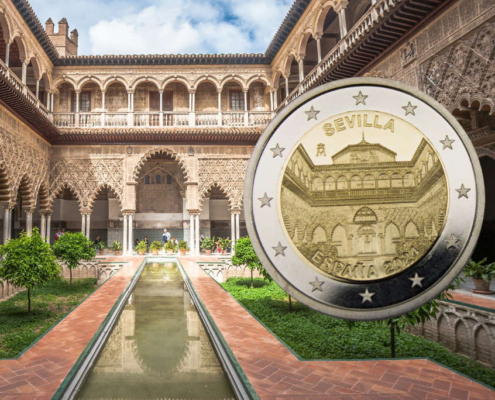
Ursula Kampmann2024-06-27 08:00:492024-06-27 09:39:25The Secret of the Success of State Quarters, UNESCO Coins and Federal State Series
https://new.coinsweekly.com/wp-content/uploads/2024/06/2024KW26HA_00.jpg
684
860
Ursula Kampmann
https://new.coinsweekly.com/wp-content/uploads/2023/01/logo-coinsweekly_590x204.png
Ursula Kampmann2024-06-27 08:00:492024-06-27 09:39:25The Secret of the Success of State Quarters, UNESCO Coins and Federal State Series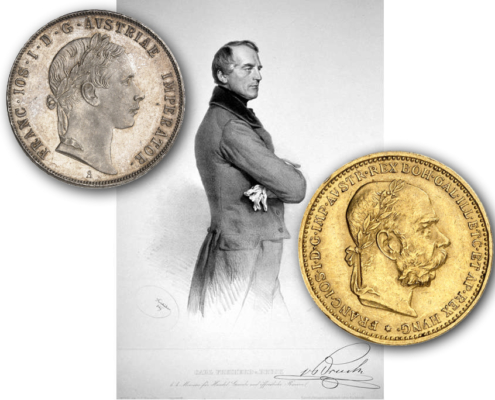 https://new.coinsweekly.com/wp-content/uploads/2024/03/2024KW12bHA_00.jpg
684
860
Ursula Kampmann
https://new.coinsweekly.com/wp-content/uploads/2023/01/logo-coinsweekly_590x204.png
Ursula Kampmann2024-03-21 08:00:102024-03-21 08:09:54A War Fought with Unusual Weapons: How Prussia Used Finance and Politics to Force the Habsburg Hereditary Lands Out of the German Confederation
https://new.coinsweekly.com/wp-content/uploads/2024/03/2024KW12bHA_00.jpg
684
860
Ursula Kampmann
https://new.coinsweekly.com/wp-content/uploads/2023/01/logo-coinsweekly_590x204.png
Ursula Kampmann2024-03-21 08:00:102024-03-21 08:09:54A War Fought with Unusual Weapons: How Prussia Used Finance and Politics to Force the Habsburg Hereditary Lands Out of the German Confederation
“Luxury and Power: Persia to Greece” at the British Museum
Over centuries the Persian empire and the Greeks had many conflicts. But nevertheless they influenced each other in many ways, as coins and works of art document. A major exhibition at the British Museum explores the relationship between luxury and power in this time.
National Museum of Denmark Acquires Seven Coins of the Bruun Collection
The National Museum of Denmark used its right of first refusal to buy extremely rare coins from Lars Emil Bruun’s collection before they are to be sold at auction. Here you can see the seven extraordinary pieces!