











Archive: People and Markets
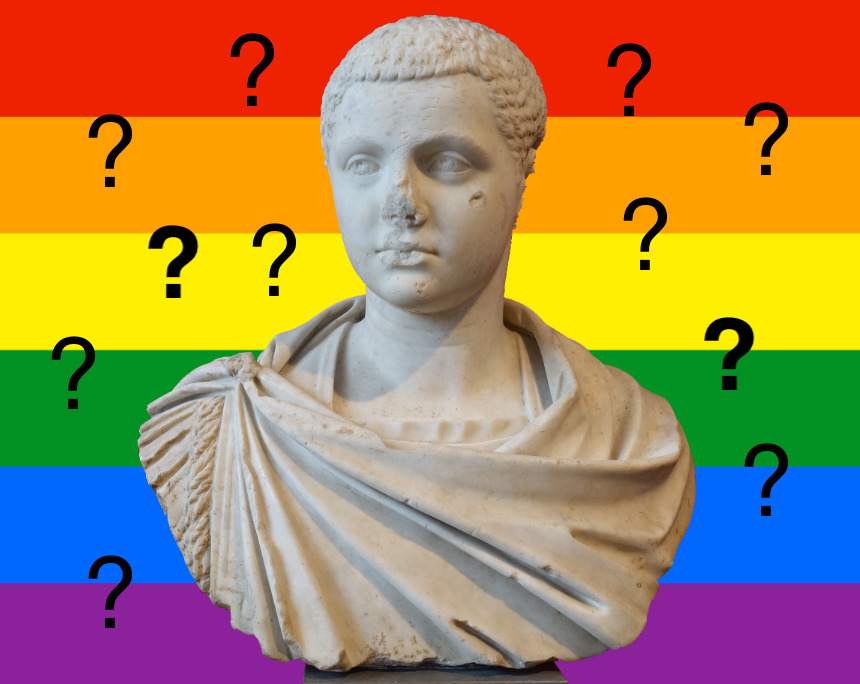
Elagabalus’ New Transgender Identity and Its Consequences on the Coin Trade
The North Hertfordshire Museum has pulled off an ingenious PR coup: the institution publicly announced that they will no longer refer to Elagabalus as “he” but as “she”. Ursula Kampmann explores how this might affect the coin trade.
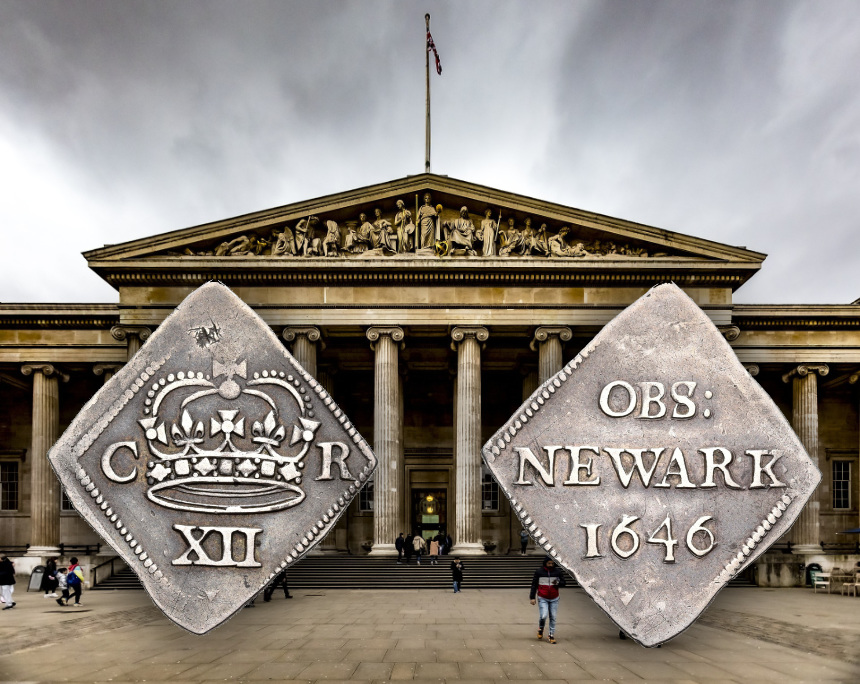
The British Museum: When Theft Becomes PR
Once again, the BM made negative headlines: Ilé Sartuzi stole a coin unnoticed during a hands-on tour and declared this an artistic performance. A commentary by Ursula Kampmann.
Archive: Coins, Medals and more
 https://new.coinsweekly.com/wp-content/uploads/2023/06/00_Value_of_coins.jpg
750
1000
Bruno
https://new.coinsweekly.com/wp-content/uploads/2023/01/logo-coinsweekly_590x204.png
Bruno2022-06-13 10:56:082023-06-27 11:29:37Planchet Error, Overstrike, Double-Strike, Etc.: Which Errors Affect the Price of a Coin? – Part 1
https://new.coinsweekly.com/wp-content/uploads/2023/06/00_Value_of_coins.jpg
750
1000
Bruno
https://new.coinsweekly.com/wp-content/uploads/2023/01/logo-coinsweekly_590x204.png
Bruno2022-06-13 10:56:082023-06-27 11:29:37Planchet Error, Overstrike, Double-Strike, Etc.: Which Errors Affect the Price of a Coin? – Part 1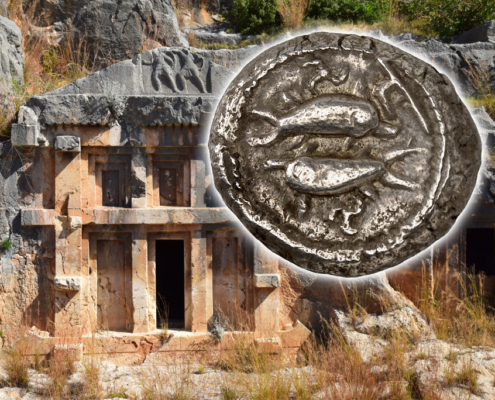 https://new.coinsweekly.com/wp-content/uploads/2024/02/2024KW08HA_00.jpg
684
860
Ursula Kampmann
https://new.coinsweekly.com/wp-content/uploads/2023/01/logo-coinsweekly_590x204.png
Ursula Kampmann2024-02-22 09:46:292024-02-22 10:15:42The History and Coinage of Lycia
https://new.coinsweekly.com/wp-content/uploads/2024/02/2024KW08HA_00.jpg
684
860
Ursula Kampmann
https://new.coinsweekly.com/wp-content/uploads/2023/01/logo-coinsweekly_590x204.png
Ursula Kampmann2024-02-22 09:46:292024-02-22 10:15:42The History and Coinage of Lycia
Our Event Sites for the Coin Fairs in Basel and Munich
On the last weekend in February and the first weekend in March, two coin fairs took place that we didn’t want to miss: First the Basel Coin Fair, then the NUMISMATA in Munich. You can find our impressions of the fairs on two event sites.
The Economy Museum St. Louis Fed
Learn about the economy and currency in a fun and interactive way. Compete to make the most money in a simulated trading pit game. The Economy Museum at the St. Louis Fed offers over 100 games, exhibits, currency displays and videos. Read what expect you there.