








Archive: People and Markets
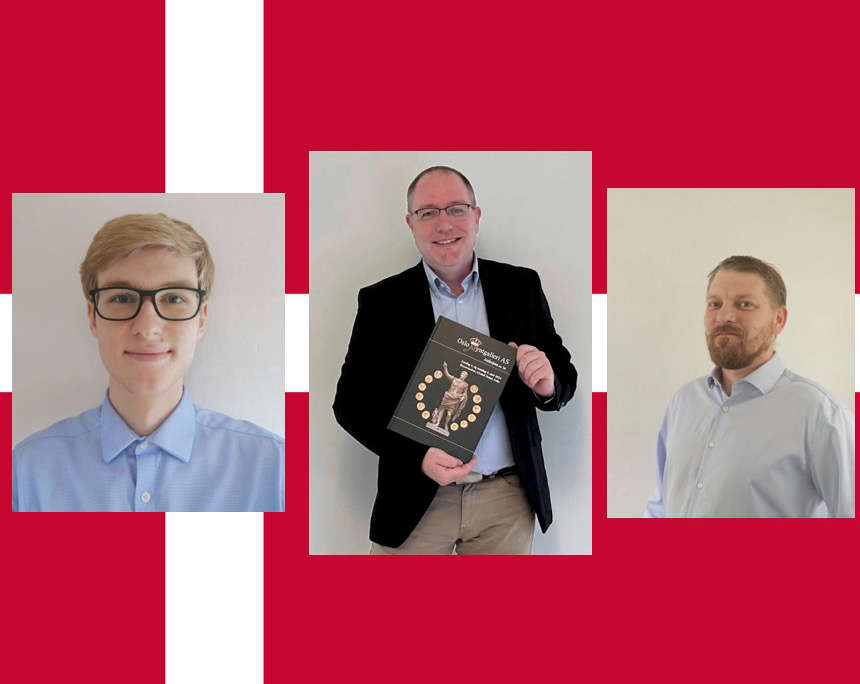
Oslo Myntgalleri Opening Sister Company in Denmark
The auction house Oslo Myntgalleri will open a sister company in Denmark with Michael Märcher as CEO. He and his team will run a traditional coin shop in Aarhus as well as a large online shop.
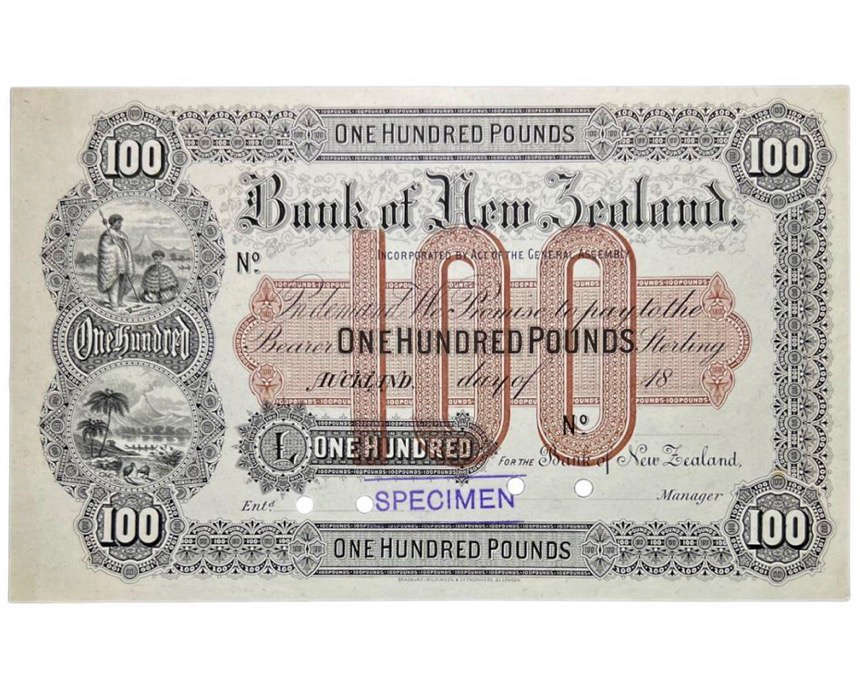
A Short Numismatic History of New Zealand
Heritage offers a banknote that is considered a highlight of the monetary history of New Zealand. Reason enough for coin dealer Joshua Lee to present some of New Zealand’s most spectacular coins and banknotes.
Archive: Coins, Medals and more
 https://new.coinsweekly.com/wp-content/uploads/2024/08/2024KW35HA_00.jpg
684
860
Sebastian Wieschowski
https://new.coinsweekly.com/wp-content/uploads/2023/01/logo-coinsweekly_590x204.png
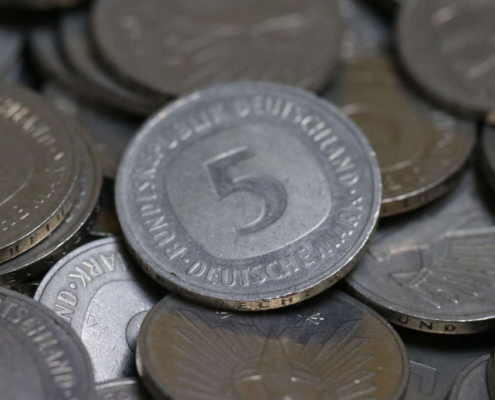
Sebastian Wieschowski2024-08-29 08:00:232024-08-29 09:45:04Marks and Pfennigs in Your Inheritance: What Should Heirs Do with Old DM Coins?
https://new.coinsweekly.com/wp-content/uploads/2024/08/2024KW35HA_00.jpg
684
860
Sebastian Wieschowski
https://new.coinsweekly.com/wp-content/uploads/2023/01/logo-coinsweekly_590x204.png
Sebastian Wieschowski2024-08-29 08:00:232024-08-29 09:45:04Marks and Pfennigs in Your Inheritance: What Should Heirs Do with Old DM Coins?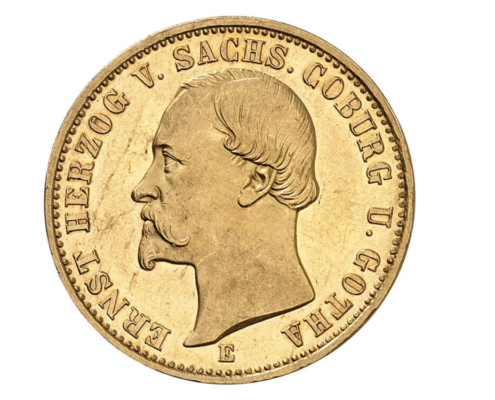 https://new.coinsweekly.com/wp-content/uploads/2023/05/2023KW21HA00.jpg
750
1000
Ursula Kampmann
https://new.coinsweekly.com/wp-content/uploads/2023/01/logo-coinsweekly_590x204.png
Ursula Kampmann2023-05-25 09:00:382023-06-27 11:24:32From Taler to Mark: The Long Road to a Common Currency
https://new.coinsweekly.com/wp-content/uploads/2023/05/2023KW21HA00.jpg
750
1000
Ursula Kampmann
https://new.coinsweekly.com/wp-content/uploads/2023/01/logo-coinsweekly_590x204.png
Ursula Kampmann2023-05-25 09:00:382023-06-27 11:24:32From Taler to Mark: The Long Road to a Common Currency
Acquisition of a Highly Significant Ensemble for the Coin Cabinet in Vienna
The Kunsthistorisches Museum has acquired 22 coins of the imperial couple Regalianus and Dryantilla and made them digitally accessible. This is all the more impressive considering that only about 160 coins of this imperial couple are known worldwide. These are the only Roman coins that were minted in what is now Austria.
Joe Cribb is the 2023 Derek Allen Prize Winner
Joe Cribb is a well-known specialist in the monetary history of Asia. For his outstanding contribution to the discipline of numismatics, the British numismatist has been awarded the 2023 Derek Allen Prize by the British Academy.